Locking Head Gates for Cattle: Why They’re More Critical Than You Think
At first glance, locking head gates for cattle might seem like just another piece of farm equipment — but, honestly, they’re essential pillars in the global livestock industry. With over 1.5 billion cattle worldwide supporting billions of people’s livelihoods (according to FAO data), the way we handle and manage these animals safely impacts everything from food security to rural economies.
Understanding locking head gates isn’t just about farming efficiency; it’s about improved animal welfare, safety for handlers, and fitting complex logistics in often challenging environments. In an era where supply chains stretch from remote ranches to urban markets, mastering the use of these gates benefits everyone along the line.
A Global Glimpse: The Big Picture Behind Locking Head Gates for Cattle
Globally, cattle farming isn’t just rural tradition — it’s a keystone of economic and social stability in many regions. For example, in parts of Africa and South America, widespread cattle use supports millions of smallholder farmers. However, problems arise when managing livestock safely and efficiently. Injury to animals or workers due to poor handling facilities can disrupt production and inflate costs.
According to the FAO’s Livestock Environment Guidelines, safe cattle handling equipment like locking head gates directly reduces stress and injuries. This means healthier animals, better-quality meat, and reduced treatment costs — all crucial when feeding an ever-growing global population expected to hit 9.7 billion by 2050 (United Nations).
Still, there’s an ongoing challenge: How do farmers, ranchers, and organizations in remote or disaster-affected regions access and maintain effective locking head gates that satisfy their needs?
What Are Locking Head Gates for Cattle—Simply Put?
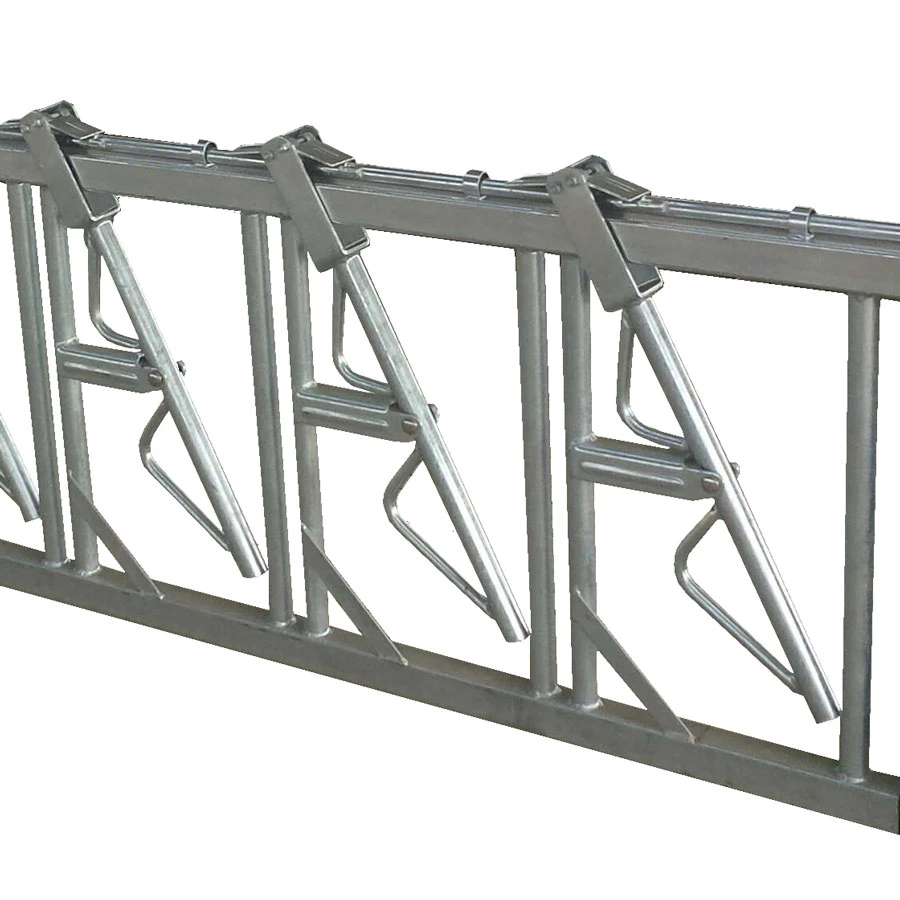
In the simplest terms, a locking head gate is a sturdy, often metal, mechanism designed to secure a bovine’s head when it’s necessary — for vet checks, vaccinations, or weighing. It ensures the animal can’t move suddenly or injure itself or the handler.
Think of it as a gate that locks around the animal’s neck or muzzle, stabilizing their position gently but firmly. It’s a cornerstone of modern livestock handling, blending animal welfare with operational safety, and is often part of larger cattle chute systems.
The connection to humanitarian needs emerges when you consider livestock’s role in rural income and nutrition. Locking head gates become critical tools during vaccination drives, disease control, or emergency relief, where safe handling directly impacts survival rates.
Core Attributes That Make Locking Head Gates for Cattle Worth Their Salt
1. Durability & Robust Materials
Robust steel, often galvanized or powder-coated, defines modern locking head gates. These materials resist corrosion and withstand repeated daily use, sometimes in harsh weather. It’s a must since cattle can be uncooperative and strong.
2. Ease of Use & Safety
Designs focus on quick locking and unlocking mechanisms accessible even by one person. Safety latches prevent accidental release — because a stressed animal can turn dangerous fast.
3. Size & Scalability
Gates come sized for calves up to full-grown bulls. Modular units allow larger facilities to customize configurations, accommodating various herd sizes or workflows.
4. Cost Efficiency
The upfront cost often balances durability and functionality. While pricier than generic fences, locking head gates save money long-term by reducing injury risks and improving productivity.
5. Compatibility with Automation
Newer models increasingly integrate with automated weighing or identification systems. This allows data collection during restraint, driving smarter breeding and health decisions.
Mini takeaway: The ideal locking head gate isn’t just metal — it’s a thoughtful mix of toughness, safety, and adaptability that fits the real-world messiness of cattle handling.
How Locking Head Gates for Cattle Are Used Worldwide
From the sprawling ranches of Texas to communal farms in Kenya, the applications vary but the core principle remains: safer handling.
- North America: Large-scale operations integrate head gates with hydraulic chutes for streamlined veterinary procedures.
- South America: Many small farmers use mobile locking head gates during vaccination campaigns facilitated by NGOs.
- Africa & Asia: Locking gates often feature in government-supported livestock health programs to curb zoonotic diseases.
- Post-Disaster Relief: In drought-affected zones, NGOs deploy portable head gates for emergency cattle care — ensuring rapid, humane interventions.
In real terms, their use reduces losses in meat quality and animal health across diverse environments.
Unlocking Benefits: Why Investing in Quality Locking Head Gates Pays Off
Safety is a no-brainer. By restraining animals securely, handlers avoid injuries — a big win for everyone. But the benefits ripple beyond:
- Animal Welfare: Minimizes stress during handling, improving overall herd health.
- Economics: Less veterinary costs and treatment time plus smoother workflows increase productivity.
- Sustainability: Durable gates cut waste in resources and replacement frequency.
- Dignity & Trust: Well-designed equipment fosters confidence among staff and investors.
Emotionally, anyone who has worked livestock knows the peace of mind a good locking head gate offers.
Looking Ahead: Trends and Innovations in Locking Head Gates
- Smart Tech Integration: RFID readers and digital weight scales embedded in head gates to monitor health in real-time.
- Eco-Friendly Materials: Moving towards recycled metals and powder coats free of harmful chemicals.
- Automation: Semi-automated gates improving speed and reducing human error.
- Modular Designs: Portable and easy-to-assemble systems aiding rapid deployment in relief zones or new farms.
Innovation’s pace feels like it will soon blur the lines between traditional farming gear and high-tech smart devices.
Common Challenges—and How the Best Vendors Solve Them
Some issues inevitably crop up:
- Maintenance in Tough Environments: Rust and mechanical failure can halt operations.
- Cost Barriers for Smallholders: Not everyone can afford high-end steel gates.
- Training: Misuse increases injury risk.
Vendors tackle these by offering:
- Corrosion-resistant finishes and warranties
- Scaled product lines from budget to premium
- Online tutorials and on-site training
Product Specification Table
| Feature | Typical Value / Range | Notes |
|---|---|---|
| Material | Galvanized Steel, Powder-Coated Steel | Corrosion-resistant |
| Dimensions | 80–100 cm (width), Adjustable height | Fits calves to adult bulls |
| Locking Mechanism | Manual latch or semi-automatic | Safety lock included |
| Weight | ~30–40 kg | Portable but sturdy |
| Warranty | 3–5 years | Varies by manufacturer |
Vendor Comparison Table
| Vendor | Price Range | Product Variety | Support & Training | Sustainability Initiatives |
|---|---|---|---|---|
| CattlePro Solutions | $$$ | Extensive (manual & semi-auto gates) | Comprehensive onsite | Recycled metal options |
| FarmSafe Equip | $-$$ | Basic range | Online tutorials only | Limited |
| EcoLivestock Gear | $$$ | Selective, eco-friendly materials | Mixed onsite & remote | Strong focus on sustainability |
FAQ: Frequently Asked Questions About Locking Head Gates for Cattle
1. Why are locking head gates important for cattle handling?
Locking head gates secure an animal’s head during procedures like vaccination, weighing, or health checks. They prevent sudden movement, reducing injury risk to both the animal and handler, making livestock management safer and more efficient.
2. Can locking head gates be used for all cattle sizes?
Most locking head gates are adjustable or available in multiple sizes to accommodate calves through mature bulls, ensuring proper fit and safety during handling.
3. How difficult is it to install locking head gates on an existing cattle chute?
Installation varies by model but many locking head gates are designed to retrofit existing chutes or pens with minimal tools and training. Some vendors provide support for seamless integration.
4. Are locking head gates suitable for small farms or pastures?
Yes! Portable and modular locking head gates offer flexibility for smallholders. Their relatively light weight and ease of use make them ideal for mobile or temporary setups.
5. What maintenance is required to keep locking head gates functional?
Routine inspection for wear, lubrication of moving parts, and corrosion protection through coatings or repainting are common maintenance needs. This extends service life and maintains safety performance.
In Closing: Why It’s Time to Take Locking Head Gates Seriously
It’s clear locking head gates for cattle are more than humble farm fixtures — they’re key enablers of animal welfare, worker safety, and operational excellence across the globe. Whether you’re running a mega-ranch or helping in remote livestock health campaigns, investing in the right locking head gate system pays dividends both financially and morally.
Feeling inspired to explore quality solutions? Visit locking head gates for cattle for trusted products that marry tradition and innovation.
References
Post time: Nov . 29, 2025