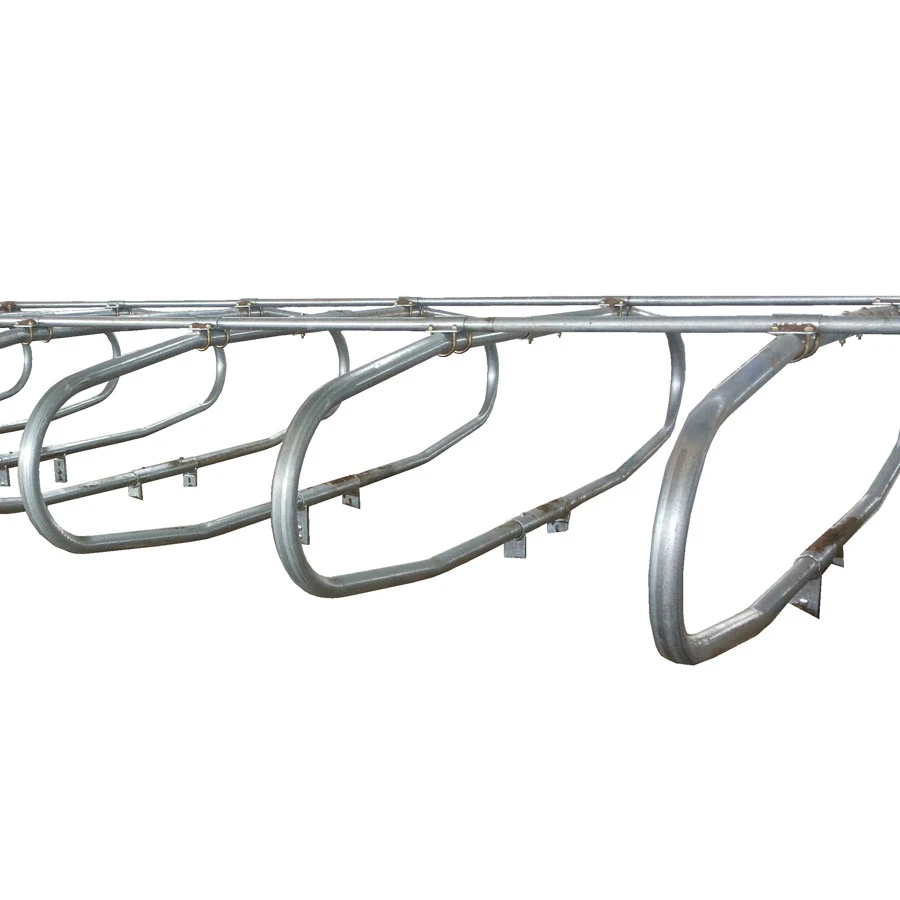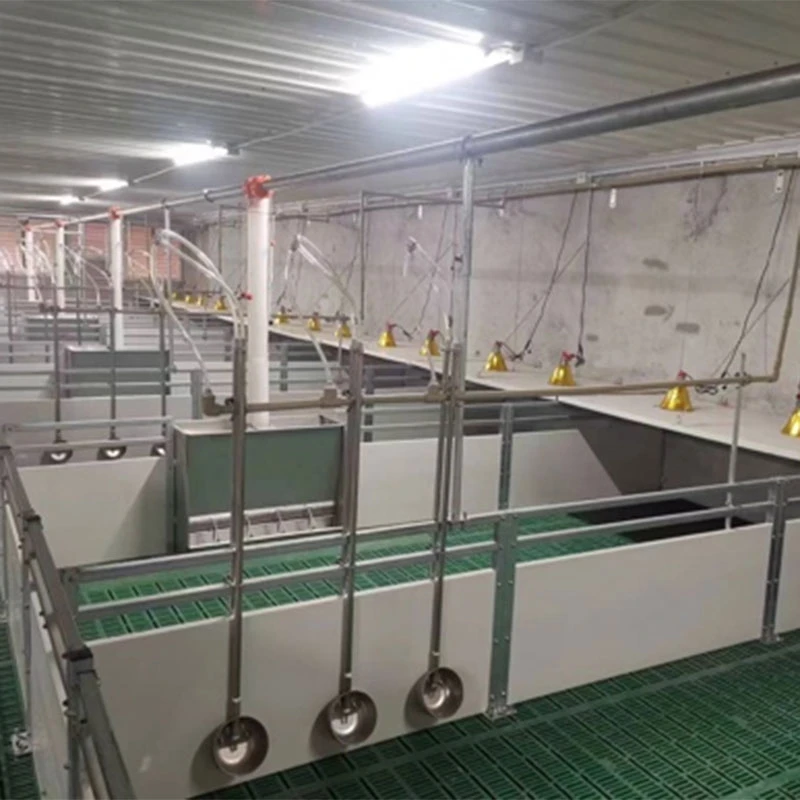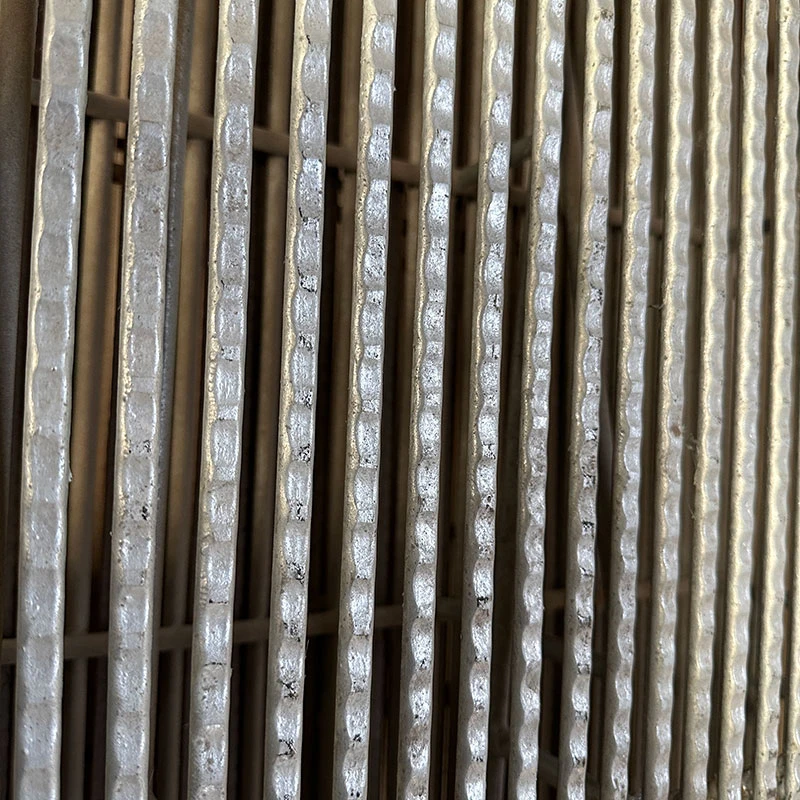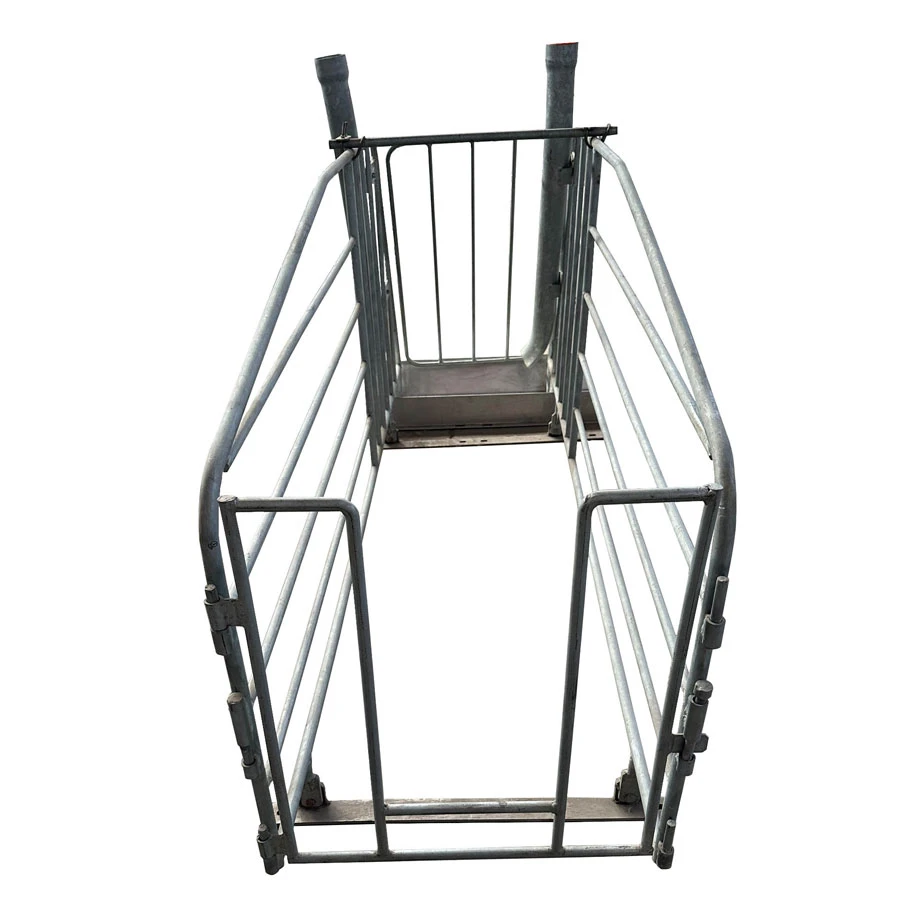
Metal Feed Bins: Durable Solutions for Today’s Industrial Needs
Having worked in the industrial equipment sector for well over a decade, I’ve seen first-hand how metal feed bins have evolved. It’s one of those pieces of equipment that everyone kinda takes for granted—but really, these bins are the backbone of efficient bulk storage and handling.
Metal feed bins offer a unique blend of strength, durability, and versatility that frankly outpaces many alternatives on the market. I remember a project where we switched from plastic to galvanized steel bins — it felt like night and day. The metal bins held up better in harsh weather, resisted pests more effectively, and required less maintenance over a couple of years.
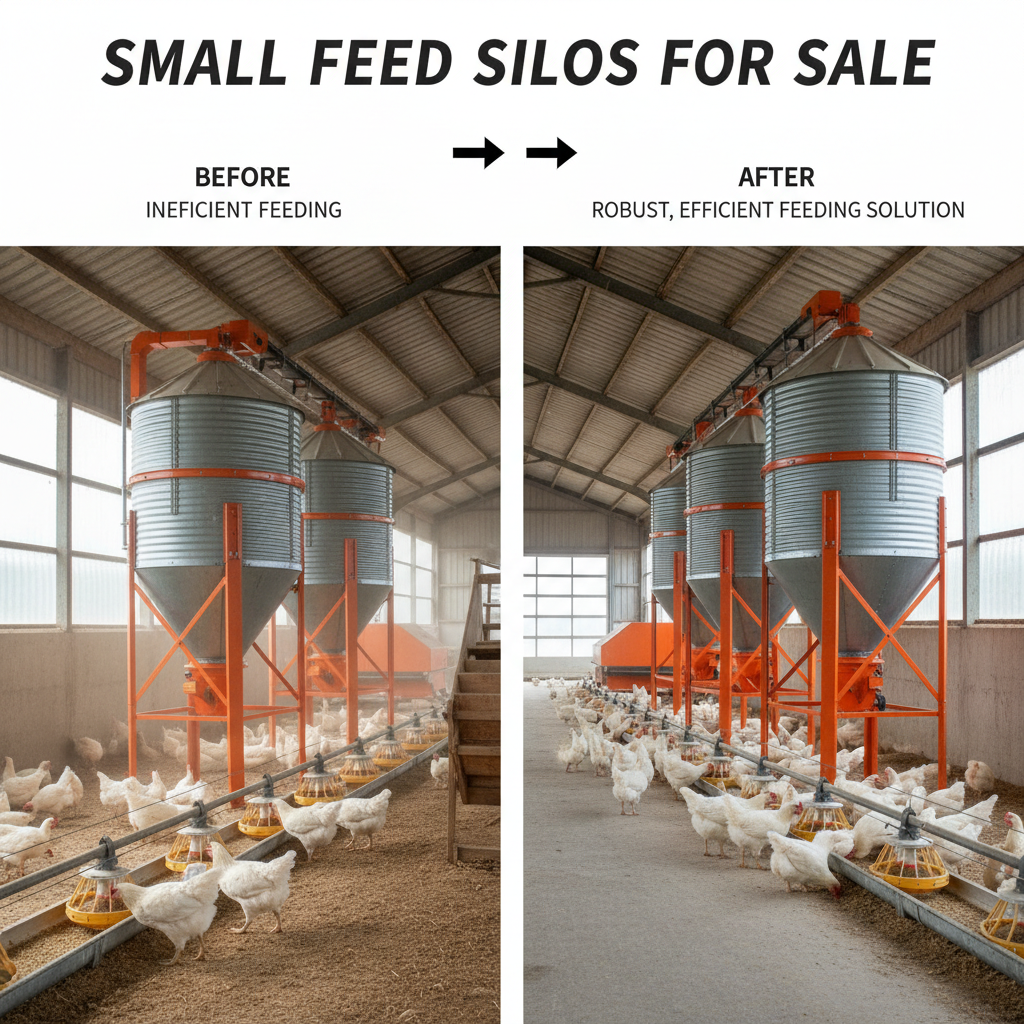
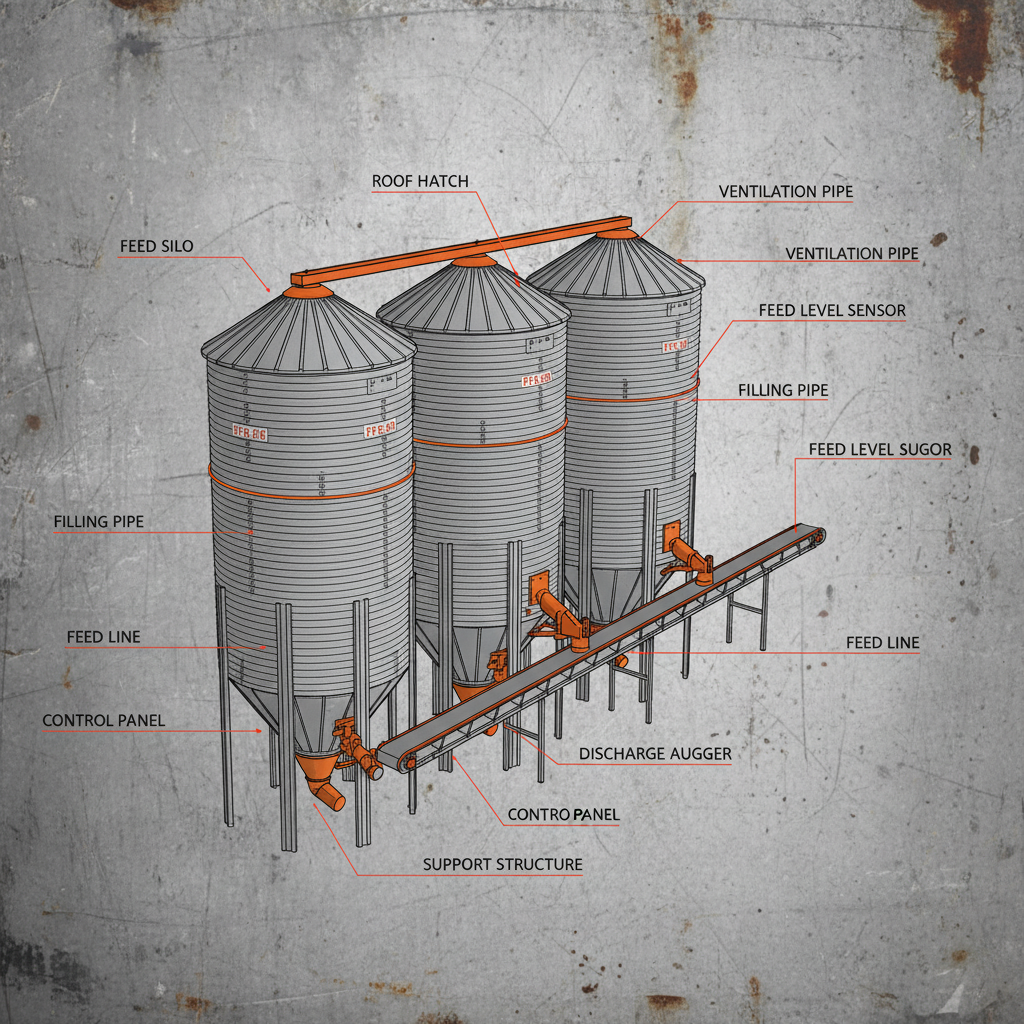
The core of what makes these bins reliable is the material. Most metal feed bins use galvanized steel, sometimes with protective coatings to prevent rusting even in humid or outdoor farm environments. You’ll find them in sizes ranging from a few hundred pounds to several tons, meeting the needs of everything from smaller livestock operations to massive feed mills. The thickness of steel and design reinforcements contribute not just to structural integrity but also ease of unloading.
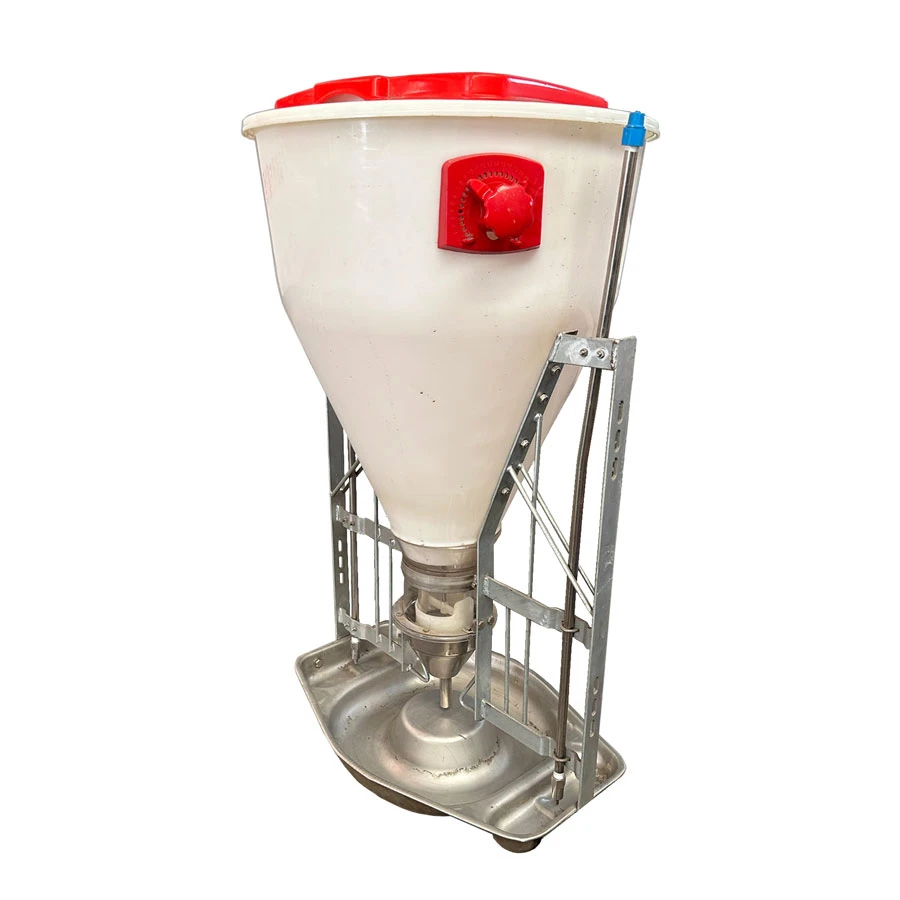
Oddly enough, despite the straightforward look of a feed bin, there’s quite a bit of engineering that goes into the design. For instance, smooth-sloped sides aid gravity-fed discharge, preventing feed clumping and reducing waste. Many bins incorporate aeration systems or lids with seal-down mechanisms to keep moisture out. These might seem like small features, but in the real world, they save time and money by keeping feed fresh and reducing spoilage. I once noticed a client’s mill reduce spoilage by over 15% after upgrading to bins with sealed lids.
Customization is another strength of metal feed bins. Whether a customer needs a hopper bottom, adjustable legs, or integration with automated feed delivery, many vendors offer tailored options. Frankly, it pays to ask about these features upfront. I've worked with brands who charge a premium for something as simple as a corrosion-resistant coating or reinforced welds — so it can pay off to compare suppliers carefully.
| Specification | Typical Range / Value |
|---|---|
| Material | Galvanized steel, occasionally stainless steel |
| Capacity | 500 lbs – 20,000 lbs |
| Coating Options | Zinc galvanization, powder-coating, epoxy |
| Discharge Style | Gravity hopper, auger-compatible feed ports |
| Dimensions | Varies greatly – from compact to extra-large |
But here’s where I usually advise caution. Not all metal feed bins are created equal. Different vendors have varying trade-offs between price, quality, and customization speed. So, I’ve put together a quick vendor comparison based on my experience working with several suppliers over the years:
| Vendor | Material Quality | Customization Options | Lead Time | Price Level |
|---|---|---|---|---|
| Brand A | High-grade galvanized steel | Extensive, including custom sizes & coatings | 3-5 weeks | Premium |
| Brand B | Standard galvanized steel | Limited; more for stock designs | 2-3 weeks | Mid-range |
| Brand C | Lower-grade steel, some brittleness reported | Minimal customization | 1-2 weeks | Budget |
One story I often think back to is a client who bought the cheapest metal feed bins available, hoping to save upfront. Within a year, they faced corrosion problems and poor fitting lids, which eventually cost them more in downtime and feed spoilage than the original price difference. It's a classic case highlighting that investing in quality and the right specs pays off.
Like many engineers say, the “cheapest option rarely ends up being the most cost-effective.” And honestly, for farm or industrial use, reliability is everything.
To sum up, metal feed bins remain a solid choice in bulk feed storage because they’re tough, adaptable, and well-proven. I hope this rundown gives you a clearer picture, especially if you’re deciding on equipment for your facility. If you want to explore options or suppliers, checking out metal feed bins there is a good place to start.
Stay practical, consider long-term needs, and remember—sometimes spending a little more on quality bins can save a lot of headaches in the long run.
References:
1. Industry interviews and field notes, 2015-2023.
2. “Design of Bulk Storage Systems,” Industrial Engineers Journal, 2021.
3. User feedback from livestock feed managers, 2022.
Post time: Dec . 03, 2025