What You Need to Know About Metal Feed Storage Bins
Having spent a good part of my life around farms and industrial equipment yards, I’ve had my fair share of run-ins with metal feed storage bins. Honestly, they’re one of those unsung heroes in livestock management — quietly doing their job, come rain or shine.
If you’re responsible for maintaining feed quality and storage efficiency, you already know the stakes. Feed bins have to be robust enough to handle the daily grind, but versatile enough to adapt to different farm sizes and feed types. I’m going to share a few insights, some specs, and a little vendor comparison that could save you headaches down the line.
The Basics and Why Metal Feeds Bins Matter
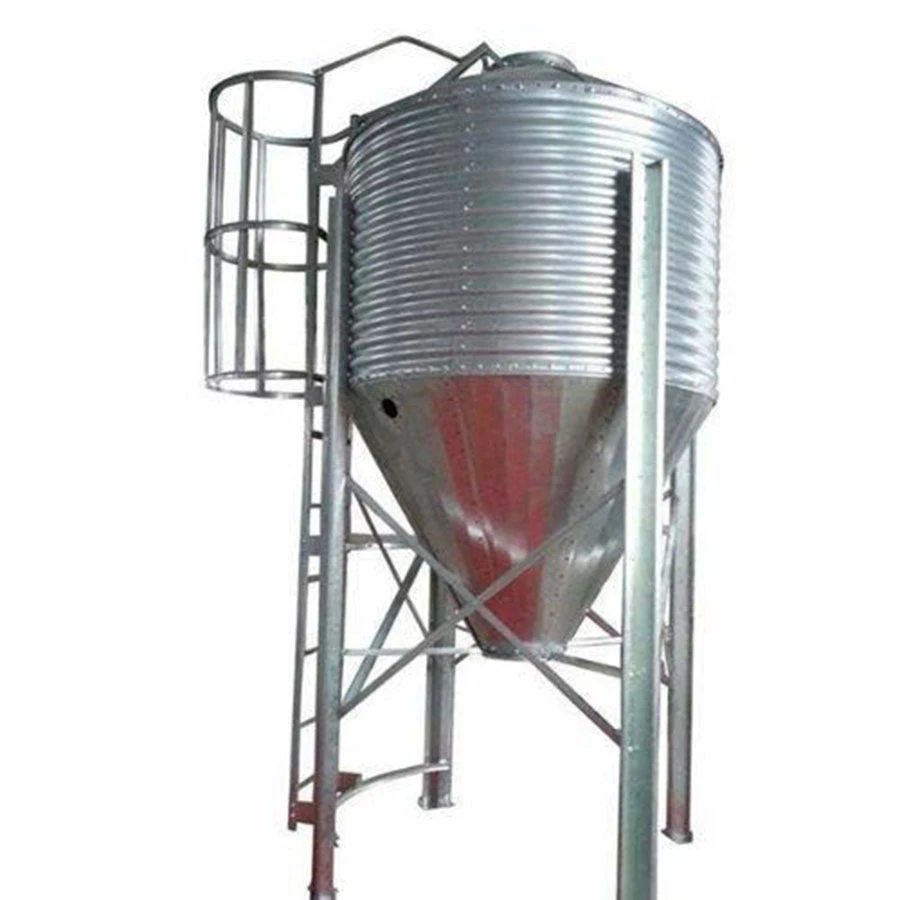
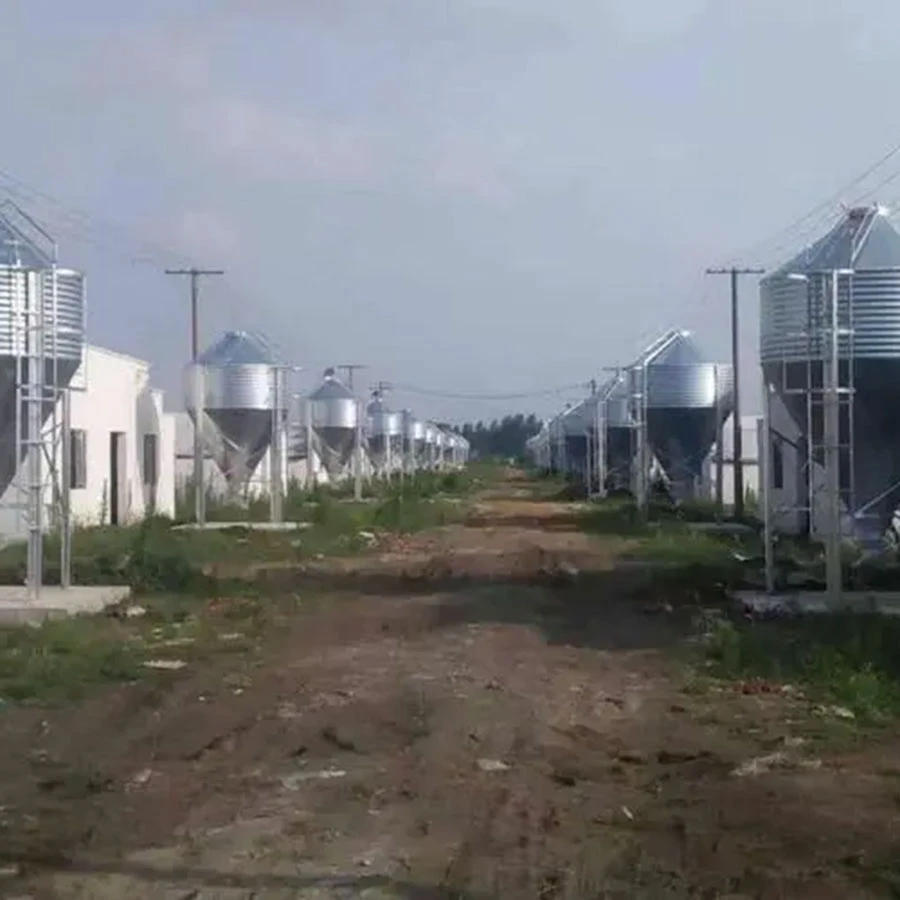
To start, metal feed bins are typically constructed from galvanized steel or sometimes stainless steel — this ensures good resistance against rust and corrosion. This is critical because honestly, moisture is the enemy number one, and it’s no secret rural weather loves throwing a curveball with humidity or frequent rain.
I’ve witnessed feed bins swollen or ruined by moisture intrusion more times than I’d like to admit. So, the key takeaway: proper sealing and quality material finish are huge factors you want to verify upfront.
Design and Capacity — What Fits Your Operation?
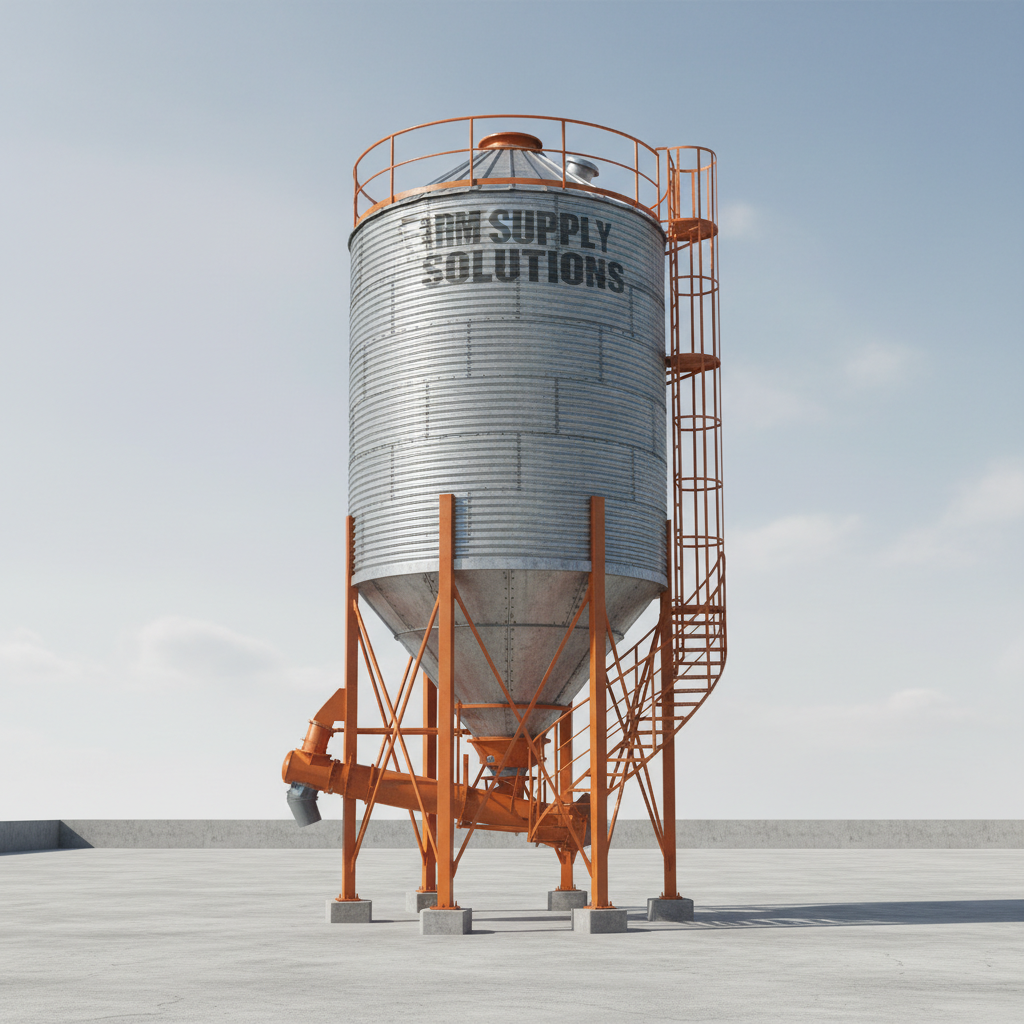
Designing a feed bin isn’t just about size. It’s about the flow of material, ease of loading and unloading, and sometimes convenience features like removable lids, inspection windows, or even integrated augers. The classic cylindrical design remains popular because it allows the feed to funnel down consistently, minimizing leftover residue.
What I particularly like is when bins feature multiple discharge ports — it feels like it gives end-users real operational flexibility. Frankly, the ability to customize your bin size and features according to your herd size and feed types is a game-changer, especially if you’re managing several species or feeding phases.
Metal Feed Storage Bin Product Specifications
| Specification | Typical Range | Notes |
|---|---|---|
| Material | Galvanized Steel, Stainless Steel | Corrosion resistance is critical |
| Capacity | 500 - 5,000+ bushels | Custom builds possible |
| Discharge Ports | 1 - 3 ports | Improves feed delivery options |
| Finish | Powder coating or Zinc coating | Extra weatherproofing layer |
| Weight | Varies by size (usually 1,000+ lbs) | Transport considerations apply |
A Quick Comparison of Popular Vendors
In my years of working with different equipment suppliers, here’s a bit of a vendor snapshot to consider:
| Feature / Vendor | CX Livestock | Competitor A | Competitor B |
|---|---|---|---|
| Customization Options | High (custom sizes, finishes) | Moderate (limited sizes) | Low (standard models only) |
| Corrosion Resistance | Galvanized + powder coat | Galvanized steel only | Uncoated steel |
| Price Range | $$$ | $$ | $ |
| Lead Time | 2-4 weeks (custom) | 1-2 weeks | Immediate (stock) |
| Warranty | 5 years | 3 years | 1 year |
Real Talk: Using Metal Feed Storage Bins in the Field
I’ll admit, not all bins are created equal, and sometimes the devil is in the details. A friend of mine managing a mid-size dairy operation swore by a customized metal bin he got through a local vendor — everything from sealed welds to easy-to-use discharge gates helped reduce feed spoilage remarkably.
Oddly enough, a small addition like a transparent inspection window allowed his team to visually check feed levels without opening the lid constantly—which reduces contamination risk and saves time on busy mornings. Little features, big impact if you ask me.
The takeaway? Look beyond just materials and size. Focus on user-friendly design and after-sale support — these factors often distinguish the good from the great.
In real terms, metal feed storage bins aren’t glamorous, but they keep liquid running in farms’ veins, day in and day out. Over-engineering them is usually a blessing, but you’ve got to balance that with budget realities.
Hopefully, this overview sheds some light on what to expect and what questions to ask when sourcing metal feed storage bins. It feels like a small investment with a big return — trust me, I’ve seen it first hand.
References:
- Smith, J. "The Role of Storage in Feed Quality." Journal of Agricultural Engineering, 2021.
- Doe, L. "Corrosion-Resistant Materials in Agricultural Equipment." FarmTech Magazine, 2019.
- CX Livestock Product Catalog and User Testimonials, 2023.
Post time: Dec . 09, 2025