What Farmers Really Want From a Modern Fattening Pen (And What Vendors Don’t Always Tell You)
In pig production, finishing is where margins are made or lost. A well-designed fattening pen seems simple—rails, floors, gates—but the details decide growth rates, foot health, and daily chores. Over the last couple of years I’ve toured quite a few barns, from family-run outfits to integrated giants, and one thing stands out: equipment that reduces stress and micro-injuries pays back faster than a bargain setup.
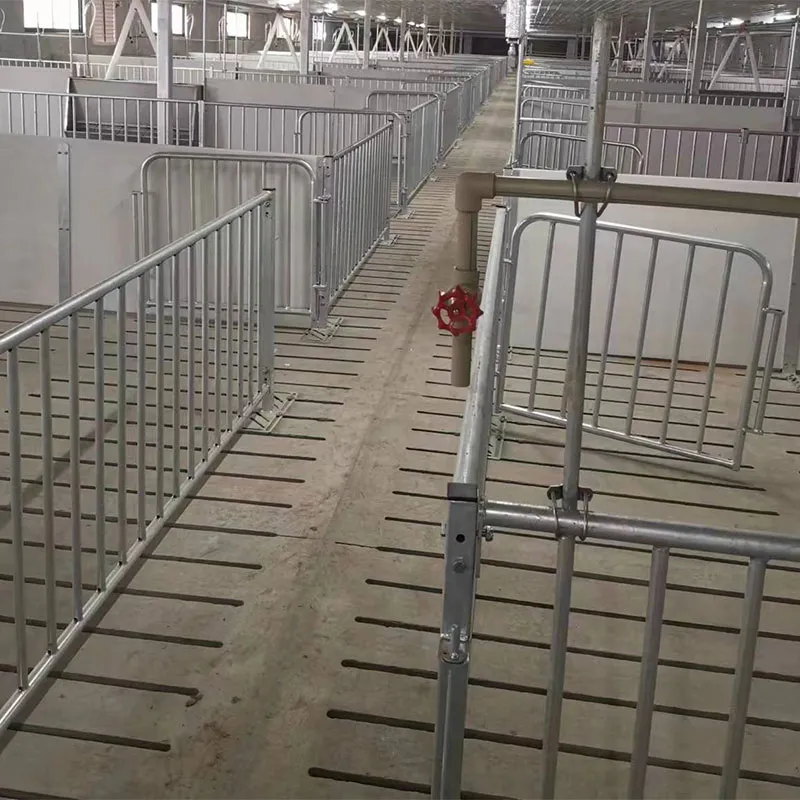
Product snapshot: Fatten Finishing Penning In Pig Farming Equipment
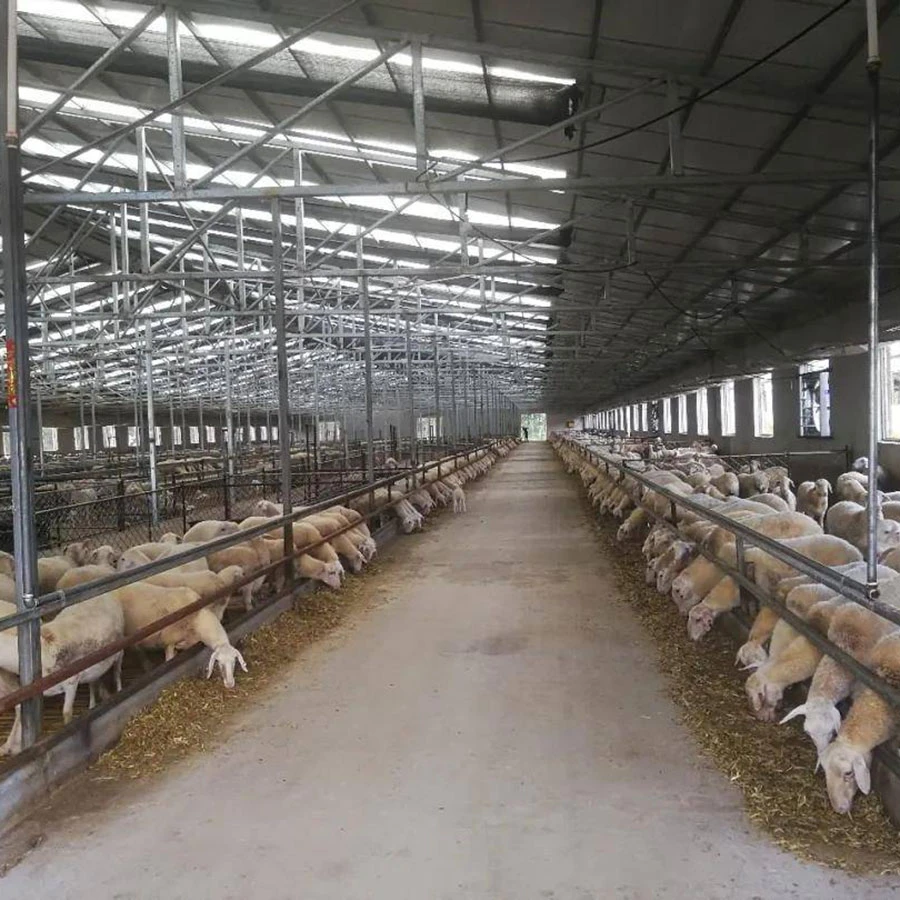
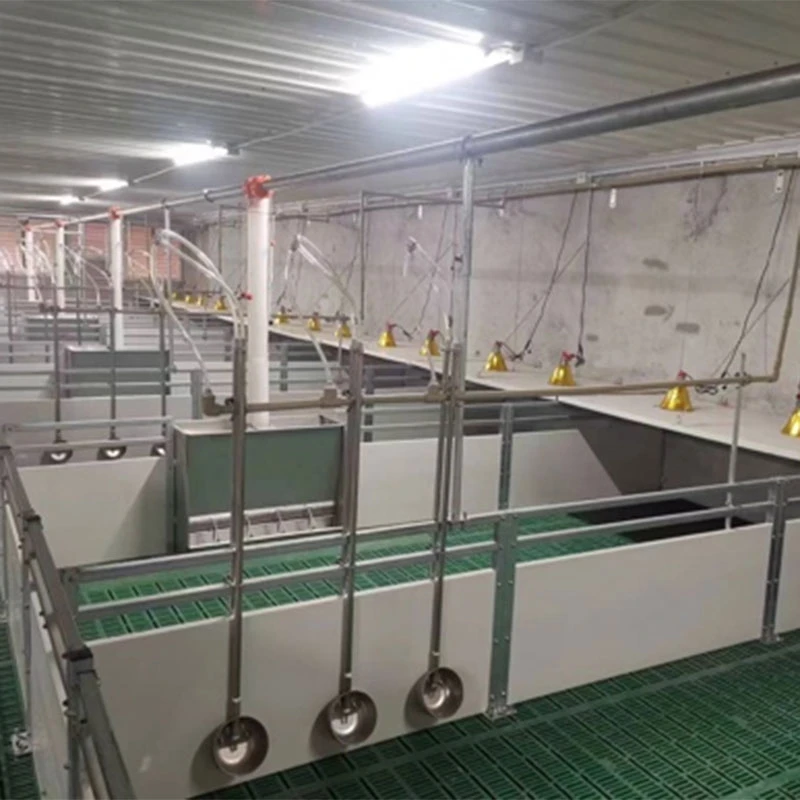
Origin: Dongtai Road, Economic and Technological Development Zone, Huanghua City, Hebei Province, China. Designed for pigs ≈10 weeks old, about 20–35 kg at entry, the system provides a safer, calmer grow-out environment until market weight. It’s not flashy; it’s practical—actually, that’s what most farm managers prefer.
| Specification | Typical value (≈, real-world use may vary) |
|---|---|
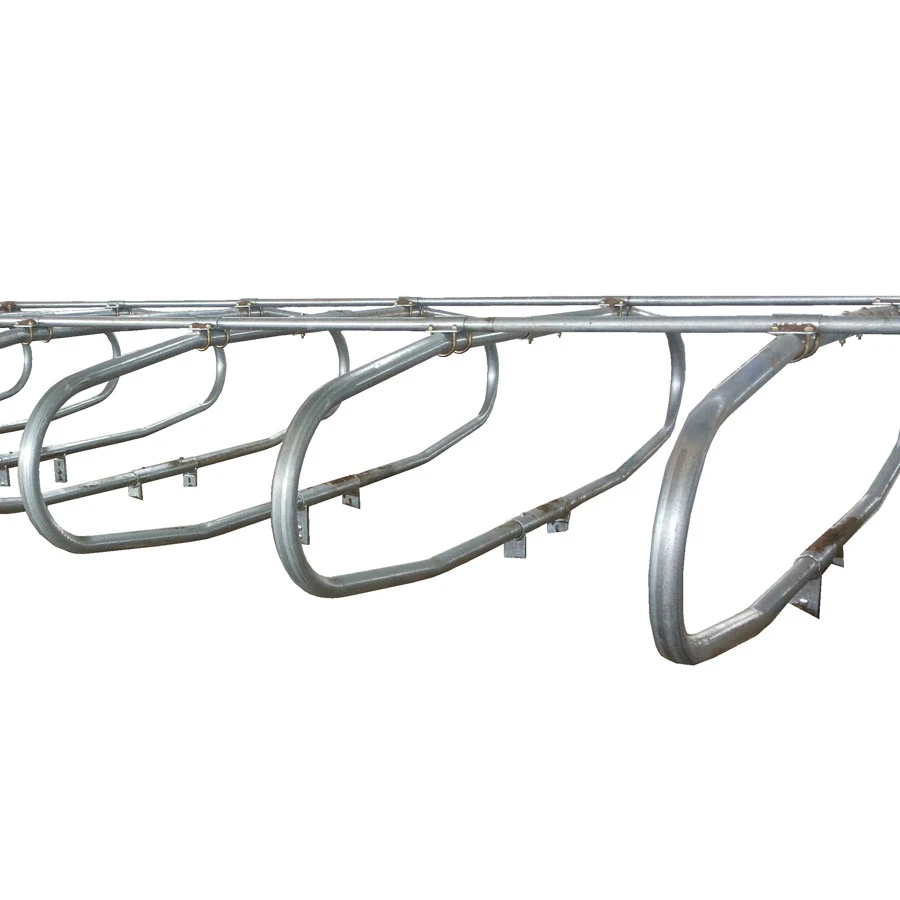
| Frame material | Q235 carbon steel, hot-dip galvanized (ISO 1461) |
| Panel options | HDPE boards 10–12 mm; anti-chew edges |
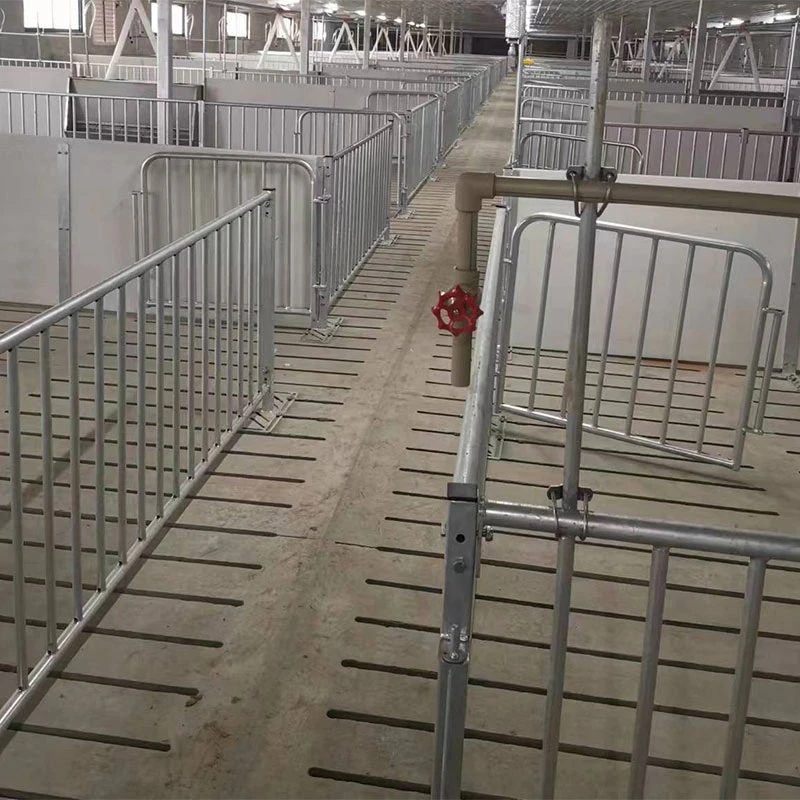
| Bar spacing | ≈80–110 mm (adjustable for pig weight) |
| Gate width/lock | 900–1200 mm; slam-latch + safety pin |
| Flooring | PP slats or ductile-iron slats; anti-slip texture |
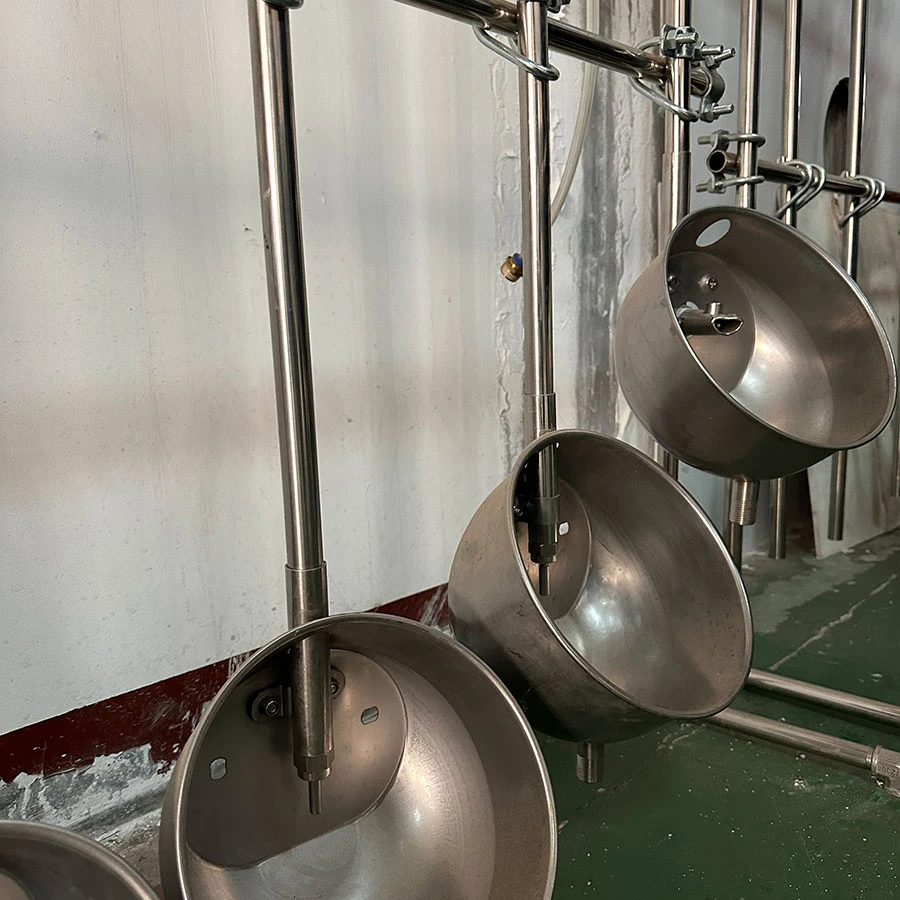
| Hardware | 304 stainless fasteners; rounded caps |
| Pen size | Custom, common bays ≈ 2.4–3.6 m depth |
| Service life | 8–15 years depending on cleaning protocol |
Process flow and testing (the geeky but useful bits)
- Materials: Q235 steel sections, HDPE panels, PP/ductile-iron slats.
- Methods: CNC cutting, jig welding (WPS per ISO 15614-1), hot-dip galvanizing (ISO 1461), assembly QC.
- Testing standards: salt spray per ASTM B117; coating thickness gauge; weld pull tests; load testing ≈ 250–400 kg lateral push.
- Typical test data: 480 h salt spray with no red rust on main members; weld tensile avg ≈ 8.5 kN; panel impact ISO 179-1 ≈ 35 kJ/m².
- Service life: many customers report 10+ years with low-pH washdowns and regular hinge lubrication.
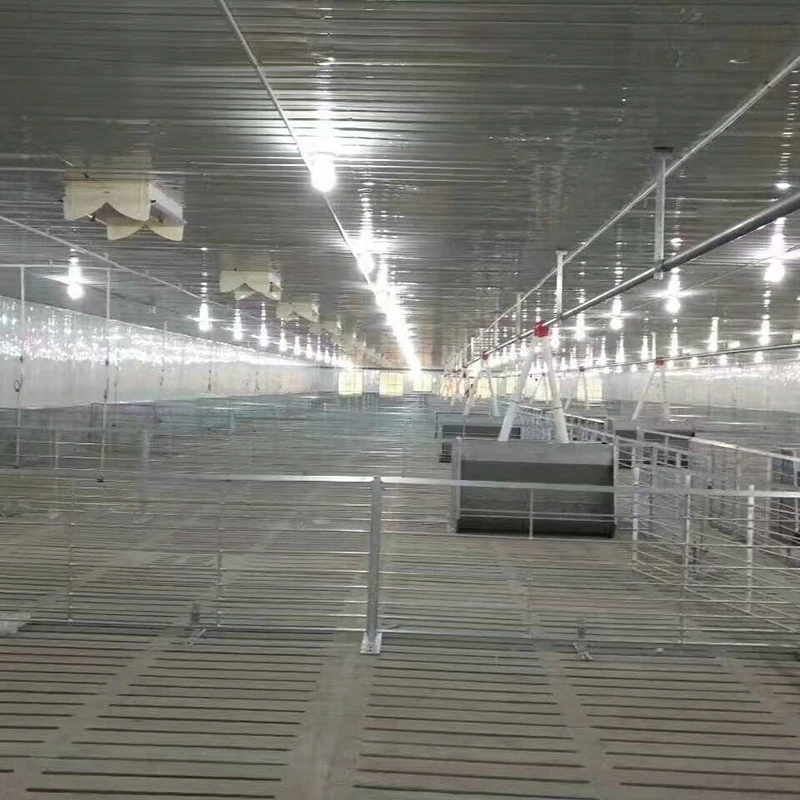
- Industries: commercial finishing barns, contract growers, research units, and—surprisingly—some ag colleges.
Where a fattening pen actually makes a difference
- Transition groups (20–35 kg) where stable footing and calm gates cut slips and tail-bite triggers.
- High-density sites seeking faster cleanout cycles—smooth HDPE and galvanized rails speed pressure-wash times.
- All-in/all-out systems needing modular partitions for quick reconfig.
Vendor landscape (my short list, warts and all)
| Vendor | Origin | Lead time | Customization | Certs | Warranty | Price |
|---|---|---|---|---|---|---|
| CX Livestock | Huanghua, Hebei, CN | ≈ 3–6 weeks | High (bars, gates, slats) | ISO 9001; ISO 1461 process | 12–24 months | Value-tier |
| EU Brand A | EU | ≈ 6–10 weeks | Medium | ISO 9001; CE marking | 24 months | Premium |
| Budget Import B | Mixed | ≈ 2–5 weeks | Low | Basic QA | 6–12 months | Lowest |
Customization and compliance
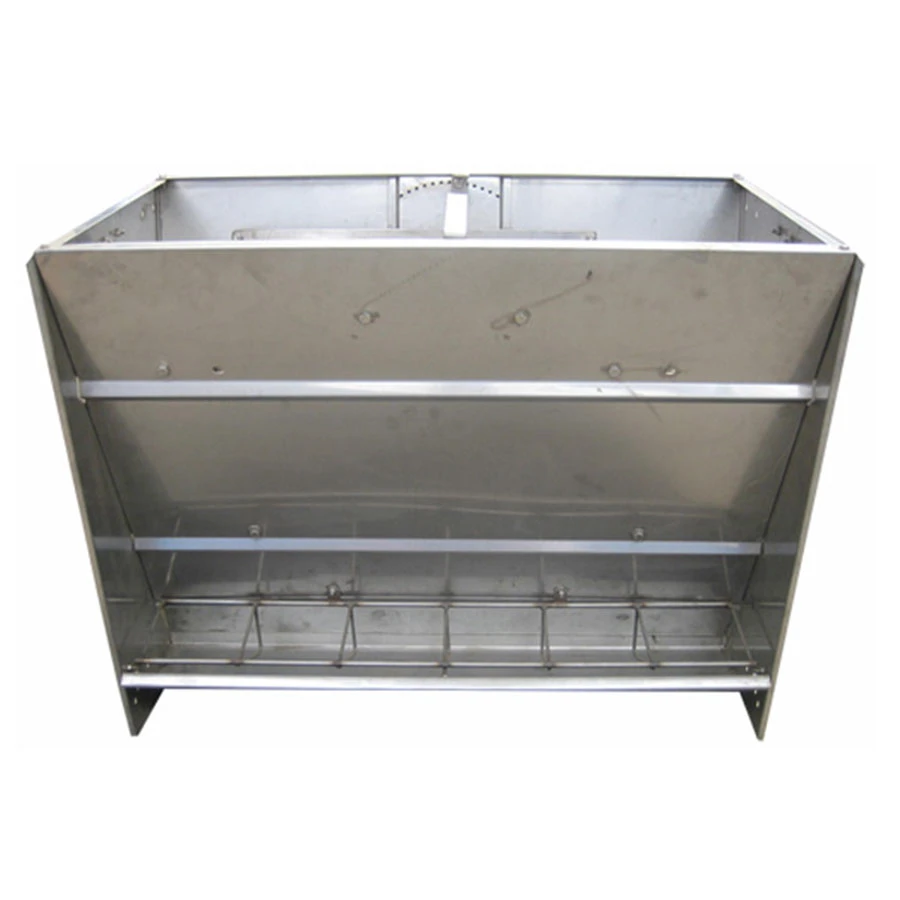
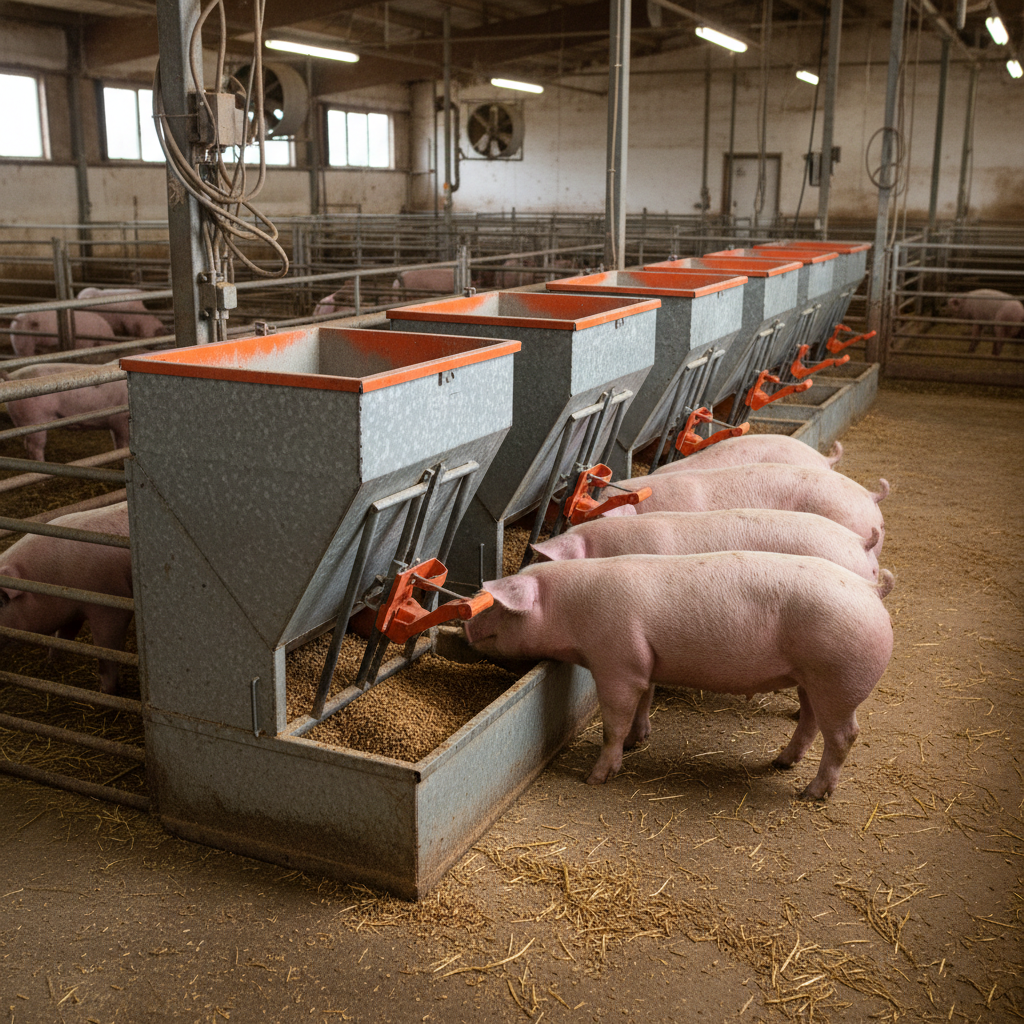
Options include adjustable bar spacing, anti-fight partition screens, integrated feeders, and choice of PP vs. iron slats for climates. For welfare alignment, layouts can be tailored toward EU Council Directive 2008/120/EC guidelines and OIE recommendations; to be honest, most buyers just want fewer injuries and faster cleanouts—these help both.
Case note: 1,200-head finisher, Midwest US
After switching to a fattening pen layout with wider gates and smoother HDPE, staff reported ≈15% quicker washdowns and a small but real drop in lameness calls within two cycles. One manager told me, “Not perfect, but pigs move calmer. Easier on knees—ours and theirs.”
Why it matters now
Input costs are spiky and labor is tight. Reliable rails, proper coatings, and humane layouts sound boring; in fact, they’re the low-drama upgrades that keep ADG steady and SOPs repeatable. If you’re speccing a new bay, start with sizing, slat choice, and gate ergonomics—then sweat the coatings.
Authoritative citations
- EU Council Directive 2008/120/EC, minimum standards for the protection of pigs.
- ISO 1461: Hot dip galvanized coatings on fabricated iron and steel articles.
- ASTM B117: Standard Practice for Operating Salt Spray (Fog) Apparatus.
- OIE Terrestrial Animal Health Code: Pig welfare recommendations.
Post time: Oct . 05, 2025