Understanding Open Steel Flooring: Why It Matters Globally
Open steel flooring might not be the first thing that springs to mind when you think of modern infrastructure, but its role across industries worldwide is quietly transformative. Simply put, it’s a type of flooring system that features gaps or openings in steel panels — think of it as a breathable surface that combines robustness with drainage and ventilation. Globally, this matters because industries from agriculture to manufacturing, and even humanitarian aid, rely on such flooring systems for safety, efficiency, and durability.
Why should we care? Open steel flooring improves airflow, reduces maintenance, and helps manage environmental challenges — whether that’s water pooling after a storm or ensuring safe footing in slippery factory settings. Its presence keeps operations running smoothly, worker safety intact, and often aligns with sustainability goals, making it a subtle but critical component in construction and industrial design.
Mini Takeaway: Open steel flooring isn’t flashy, but it solves fundamental challenges in industrial safety and efficiency worldwide — a quiet hero in modern infrastructure.
Global Context: A Growing Need for Open Steel Flooring
The global industrial and agricultural arenas are experiencing rapid growth. According to the International Organization for Standardization (ISO), safety and environmental compliance in manufacturing are stricter than ever, and infrastructure materials must keep pace. Additionally, the United Nations reports rising urbanization and climate volatility are increasing demand for resilient, adaptable building materials (UN-Habitat).
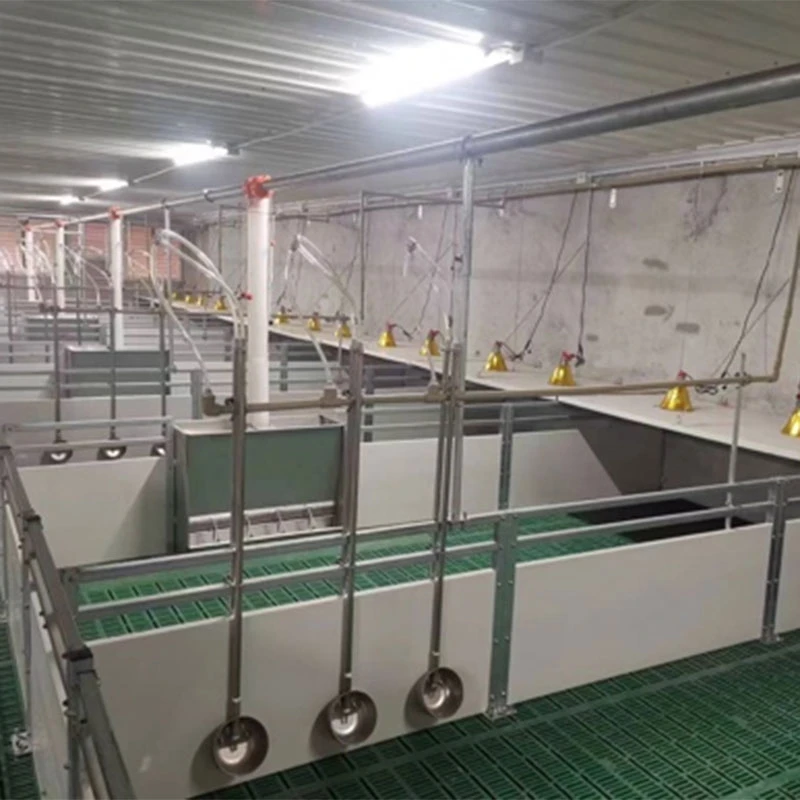
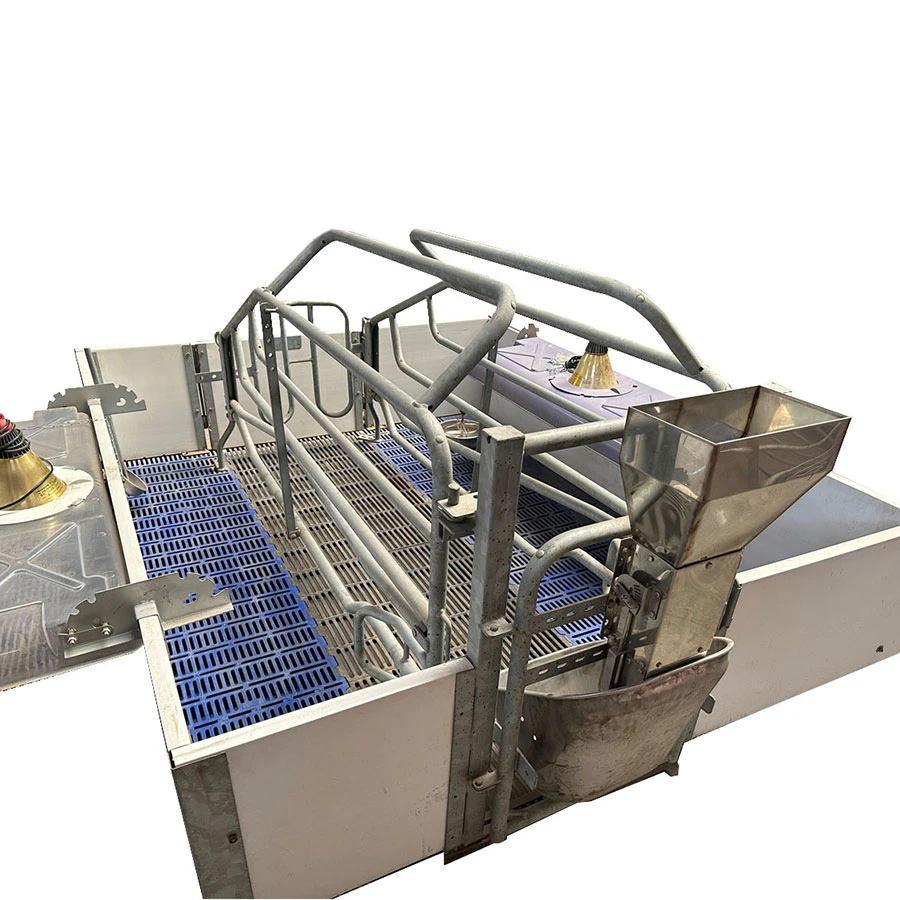
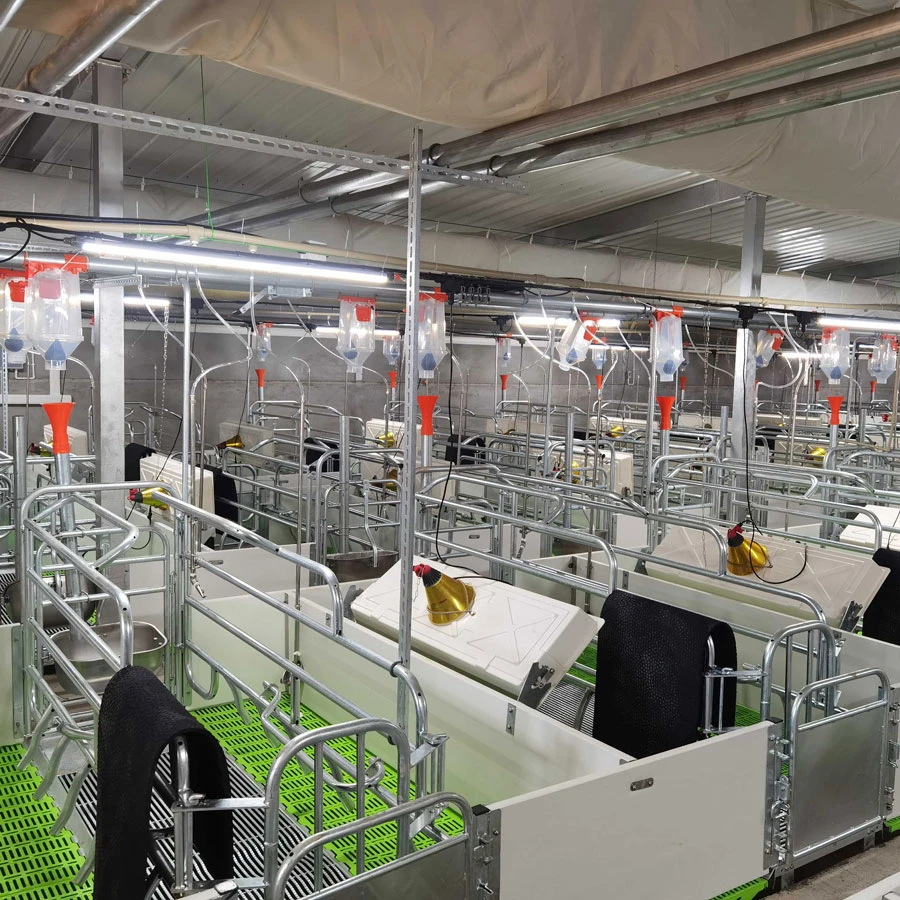
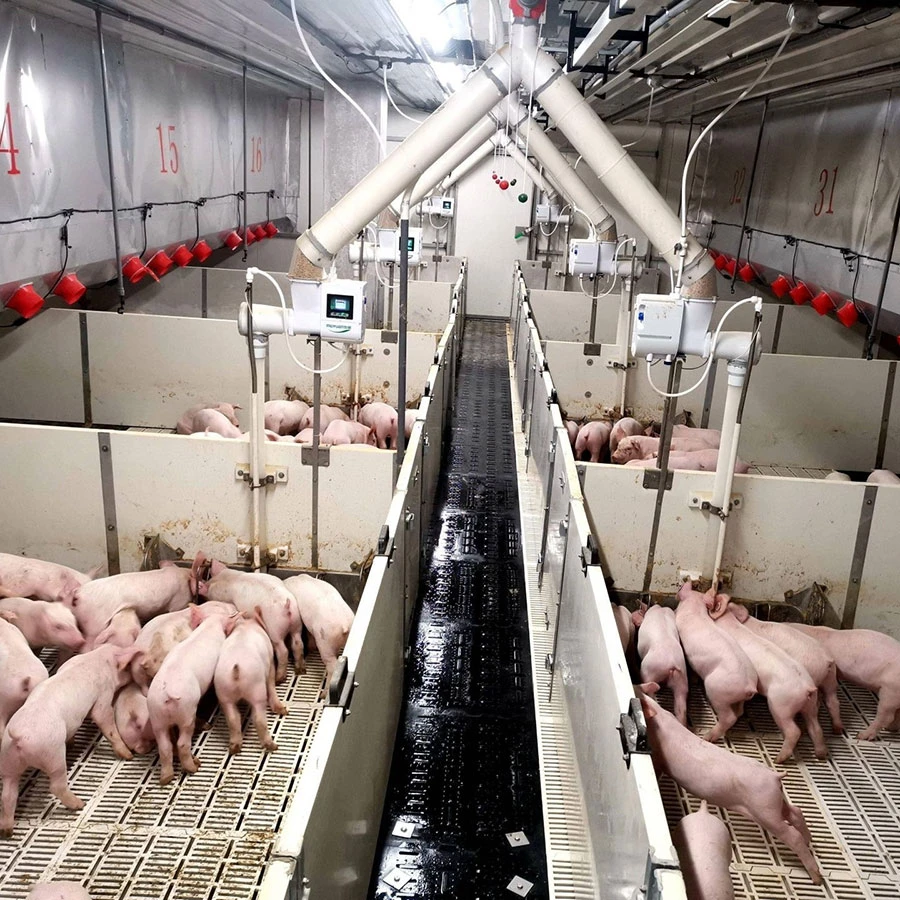
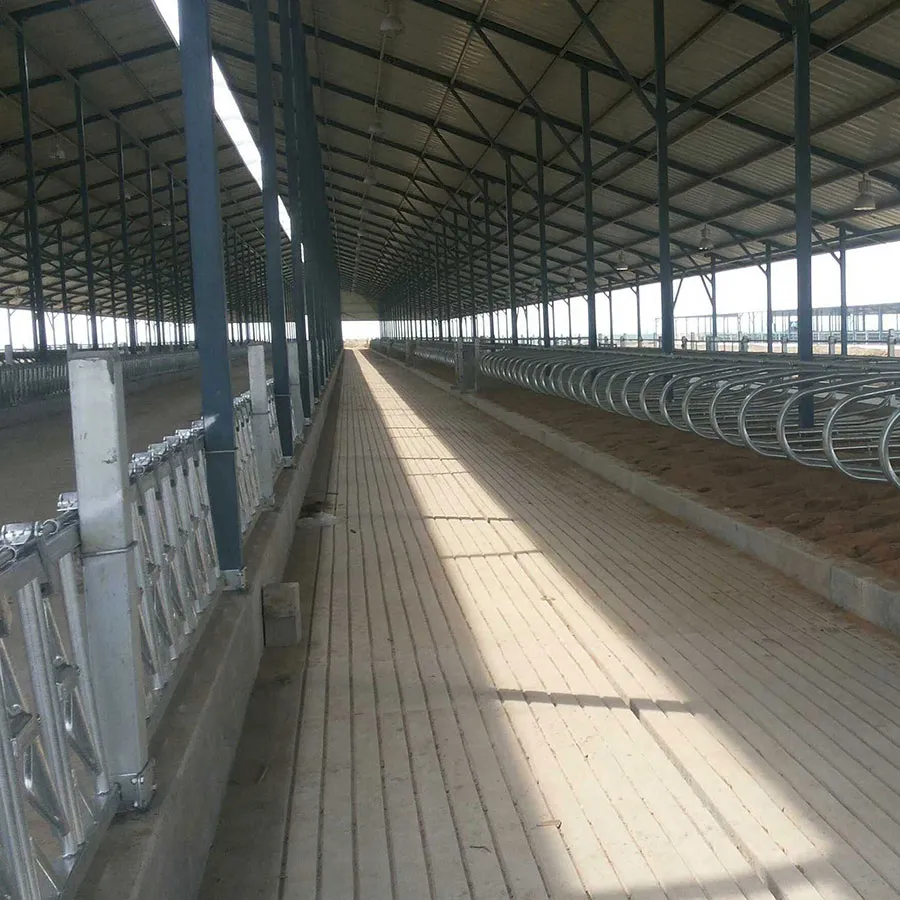
In real terms, open steel flooring plays an important role in addressing slip hazards, managing flood risks, and promoting hygiene in sectors like livestock farming. For example, farmers who install open steel flooring in animal pens see better airflow and waste drainage, reducing disease risk. But it’s not just farms—think factories, warehouses, even emergency shelters requiring quick deployable flooring solutions.
Mini Takeaway: As climate challenges and urban expansion accelerate, open steel flooring emerges as a globally relevant solution that blends safety, practicality, and adaptability.
What Exactly Is Open Steel Flooring?
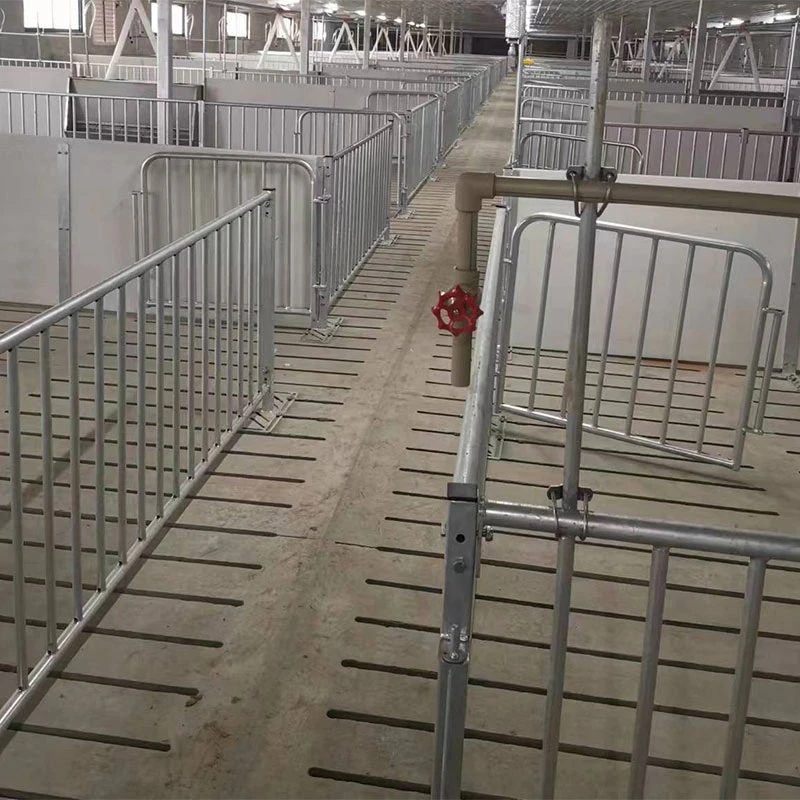
At its core, open steel flooring consists of a grid or series of perforated steel panels designed to allow air, light, or liquids to pass through. Its openness ranges—from narrow slits to larger grated sections—and that design choice depends heavily on end-use. It’s engineered for strength and durability, but unlike typical concrete floors or sealed surfaces, it embraces a certain permeability.
This design concept means that open steel flooring supports industrial applications where ventilation, drainage, or slip resistance is crucial. Think of livestock environments, processing plants, or even large-scale storage facilities. It aligns tightly with modern industry trends emphasizing modularity, hygiene, and long-lasting materials.
Mini Takeaway: Open steel flooring is not just a floor—it’s a purposeful system that balances strength with breathability, making it essential to modern industrial and agricultural infrastructure.
Core Components of Open Steel Flooring
Durability
Steel’s inherent strength provides a long lifespan, especially when treated against corrosion. This longevity is a big plus for industries seeking low-maintenance infrastructure. Many engineers say that galvanized or stainless steel variants extend floor life in harsh environments.
Slip Resistance & Safety
The texture and openness create natural slip resistance. Liquids simply drain away, reducing slip hazards common in wet or oily conditions.
Ventilation & Drainage
Open design allows airflow and liquids to pass freely, helping with sanitation and temperature regulation — especially important in animal housing or food processing plants.
Cost Efficiency
While upfront costs may be slightly higher than traditional floors, maintenance savings and durability make open steel flooring cost-effective over time.
Scalability & Customization
Modular panel designs allow for easy installation, replacement, or scaling — a lifesaver in ever-changing industrial setups.
Sustainability
Many manufacturers utilize recycled steel and galvanizing processes that reduce environmental impact, aligning with global trends toward greener building materials.
Mini Takeaway: Open steel flooring’s strength lies in its combination of safety, durability, and adaptability — qualities any industrial or agricultural enterprise can rely on.
Global Applications & Real-World Use Cases
The versatility of open steel flooring is evident worldwide:
- Livestock Farming: In Europe and North America, farms deploy open steel flooring to improve animal welfare by promoting clean, ventilated pens. This reduces ammonia buildup and foot diseases.
- Disaster Relief Efforts: NGO teams in Southeast Asia use modular open steel flooring to set up temporary shelters on wet or uneven ground after typhoons.
- Industrial Warehousing: Manufacturers in Asia rely on steel grate floors for mezzanine platforms, improving airflow and reducing fire risks due to better ventilation.
- Oil and Gas Platforms: Offshore rigs globally favor open steel flooring to minimize slipping hazards and to allow seawater drainage during storms.
It’s odd but true—something as ‘open’ as a grid can be so vital in controlling risk and enhancing worker or animal comfort across climates and sectors.
Mini Takeaway: From farms to offshore rigs, open steel flooring proves it’s not one-size-fits-all but customizable for diverse global needs.
Advantages & Long-Term Value of Open Steel Flooring
Choosing open steel flooring is more than a technical decision; it’s an investment in safety, sustainability, and peace of mind. Here’s why:
- Lower Maintenance: Because debris and moisture pass through, cleaning takes less effort. This saves time and money.
- Improved Safety: Reduced slip and fall incidents can have a huge impact on worker satisfaction and liability.
- Sustainability: Steel’s recyclability coupled with efficient production methods supports corporate environmental goals.
- Longevity: High durability means fewer replacements — good news for budgets and landfill volumes alike.
- Emotional Comfort: In livestock or human shelter situations, better airflow and drainage directly contribute to health and dignity, a factor too often overlooked.
Mini Takeaway: Open steel flooring delivers both practical and emotional returns — balancing cost, safety, sustainability, and humane design.
Product Specification Table
| Specification | Typical Values | Notes |
|---|---|---|
| Material | Galvanized Steel / Stainless Steel | Corrosion resistance essential |
| Load Capacity | Up to 5000 kg/m² | Varies based on design |
| Opening Size | 5mm - 50mm | Customizable for airflow/drainage |
| Panel Size | 1m x 1m (standard) | Modular & scalable |
| Finish | Hot-dip galvanizing | Adds corrosion protection |
Comparing Leading Vendors of Open Steel Flooring
| Feature | Vendor A | Vendor B | Vendor C |
|---|---|---|---|
| Material Quality | Stainless Steel | Galvanized Steel | Custom alloy |
| Custom Sizes | Yes | Limited | Yes |
| Lead Time | 4 Weeks | 6 Weeks | 3 Weeks |
| Pricing | Premium | Mid-range | Competitive |
| Sustainability Certifications | ISO 14001 | None | LEED Compliant |
What’s Next? Future Trends in Open Steel Flooring
Looking ahead, open steel flooring is set for modernization on several fronts. Green tech is influencing raw materials, with recycled steel focus and lower-carbon galvanization processes becoming industry standards. Automation in manufacturing allows more precise panel customization—even for complex layouts involving curvature or load-specific reinforcements.
Additionally, digital monitoring systems embedded in steel floors can soon provide real-time data on load stresses or wear patterns, helping maintenance teams shift from reactive to predictive care. This merges well with broader trends toward smart factories and sustainable infrastructure.
Mini Takeaway: The future of open steel flooring is not just strong and open—it’s smart, sustainable, and designed for evolving industrial needs.
Challenges and Practical Solutions
Despite many advantages, some challenges persist. Corrosion, for instance, still worries users in marine or chemically harsh settings—even with coatings. Plus, installation requires precise anchoring to avoid movement which can damage panels or create hazards.
Experts recommend coating advancements like duplex systems (both galvanizing and powder coating) to boost resistance. On-site training during installation can significantly improve long-term stability and safety. It’s a reminder that no product works perfectly without proper handling.
Mini Takeaway: Challenges exist, but with improving materials and smarter installation protocols, open steel flooring’s benefits far outweigh its hurdles.
FAQ: Practical Questions About Open Steel Flooring
- Q: How does open steel flooring improve safety compared to concrete?
- A: Open steel flooring enhances safety by providing natural drainage and slip resistance. Liquids don’t pool but drain through, minimizing slip hazards. Its textured steel grating is also easier to maintain and inspect for integrity, unlike flat, sealed concrete surfaces.
- Q: Can open steel flooring be used outdoors in extreme weather?
- A: Absolutely. When galvanized or stainless steel is specified, these floors withstand rain, snow, and even salty coastal air. Proper coatings further protect against corrosion, making them reliable in harsh climates worldwide.
- Q: Is open steel flooring customizable for different industries?
- A: Yes, modular panels come in various sizes and opening patterns tailored to specific needs—more ventilation, higher load capacity, or tighter grids to support small items. This flexibility suits everything from animal farming to offshore platforms.
- Q: What’s the installation timeframe for open steel flooring?
- A: Installation generally takes less time than pouring and curing concrete floors. Panels often arrive prefabricated and can be assembled onsite within days, lowering project timelines significantly.
- Q: Are there environmental benefits to open steel flooring?
- A: Yes. Steel is highly recyclable, and open designs allow better air circulation, reducing energy needs for climate control in buildings. Many producers also follow strict environmental manufacturing standards.
Conclusion
In the grand scheme, open steel flooring punches above its weight. Far from being a “mere floor,” it’s an integral part of safer, more sustainable, and efficient infrastructure worldwide. Whether it’s in muddy livestock pens or towering offshore platforms, its value is plain to see.
If you’re considering a flooring solution that blends durability, safety, and eco-conscious design, exploring open steel flooring is a no-brainer. Visit our website to discover products tailored to your unique needs and join the many industries benefiting from these versatile flooring systems today.
Sometimes, it’s the openings that let the most in—air, light, safety, and innovation.
References
Post time: Dec . 02, 2025