The Nuts and Bolts of animal feed storage silos: What You Really Need to Know
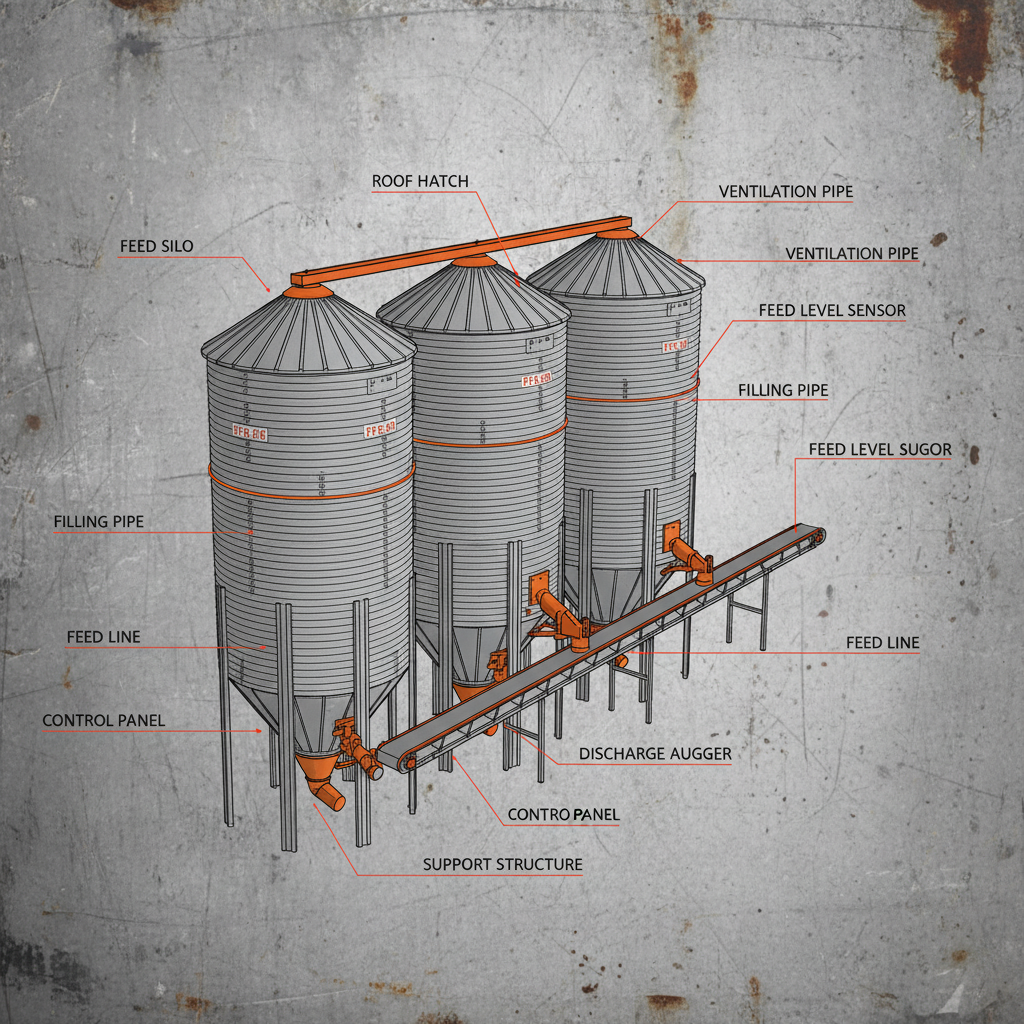
Having spent quite a few years knee-deep in the industrial equipment sector, I’ve come to appreciate that silos for storing animal feed are not just simple containers. Oddly enough, they’re a pretty crucial part of making sure feed stays fresh and farms run smoothly. I suppose if you’re new to this, you might think a silo is just... well, a giant bin. But it’s a bit more nuanced, especially when you consider factors like material handling, environmental exposure, and the need for customization.
Frankly, one of the first things I noticed about these silos is how much design has evolved. Earlier, most silos were made from plain steel, which was—don’t get me wrong—tough as nails, but prone to corrosion unless carefully maintained. Nowadays, many manufacturers use galvanized steel or even aluminum alloys to help with corrosion resistance. This means fewer headaches and longer shelf life for your feed storage solutions.
But material is only one part of the story. The design and testing regimes have become pretty advanced. For instance, effective sealing systems are a staple now to keep moisture out, which is key for preserving feed quality. You don’t want your whole season’s supply turning into a soggy mess because of condensation or rain leaks.
One thing many engineers swear by is ventilation and aeration systems integrated inside the silo. It’s a subtle detail that makes a huge difference. Good airflow can prevent the growth of mold and help regulate temperature inside. I’ve seen a farm switch to silos with aeration features and shift from wasting 5% of feed to less than 1%. Believe me, those numbers add up quickly.
Customization is another story altogether. You can get silos sized just right to fit your operation — whether it’s a smaller family farm or a large commercial setup with tons of livestock. Accessories like automatic level indicators, unloading augers, and even remote monitoring systems can all be fitted. It feels like equipment suppliers are finally catching up with digital tech, which is exciting.
| Specification | Value |
|---|---|
| Material | Galvanized Steel / Aluminum Alloy |
| Height Range | 4 to 12 meters |
| Diameter Range | 2 to 6 meters |
| Capacity | 10 to 100+ tons |
| Sealing | High-performance gasket & weatherproof coating |
| Optional Features | Aeration, Level Sensors, Unloading Augers, Remote Monitoring |
Now, when it comes to picking the right vendor, the choices can be overwhelming. I’ve worked with several manufacturers and in real terms, the difference often boils down to reliability, service, and how upfront they are about customization options. Sometimes, the cheapest option isn’t cheapest in the long run because of downtime or maintenance hassles.
| Vendor | Material Options | Customization | After-Sales Support | Typical Lead Time |
|---|---|---|---|---|
| FeedTech Industries | Steel, Galvanized Steel | Standard sizes, limited augers | Good, on-site visits available | 6-8 weeks |
| AgroBin Solutions | Aluminum, Galvanized Steel | Highly customizable, remote sensors | Excellent, 24/7 hotline | 8-10 weeks |
| Livestock Equip Co. | Galvanized Steel only | Standard sizes with basic augers | Fair, email support only | 4-6 weeks |
I remember one customer, a medium-scale dairy farm, upgrading to silos with automated unloading and remote monitoring — a bit of an investment, sure. But in practice, it reduced labor costs and allowed them to quickly react to feed shortages before the animals felt it. Small operational things like that make a massive difference, and those “smart” features are only going to get more common.
In short, when you’re sizing up options for animal feed storage silos, the devil’s really in the details. Material quality, sealing, customization, and after-sales support all matter just as much as capacity. So, weigh your options carefully—and don’t underestimate the value of a trustworthy vendor.
For me, silos are a staple piece of the agriculture puzzle—seemingly simple, but absolutely vital behind the scenes. If you get them right, it feels like smooth sailing (or at least fewer fires to put out).
References:
- Industry white papers on feed storage durability and corrosion resistance.
- Vendor technical datasheets (FeedTech, AgroBin, Livestock Equip Co.).
- Customer case studies from commercial dairy operations.
Post time: Dec . 03, 2025