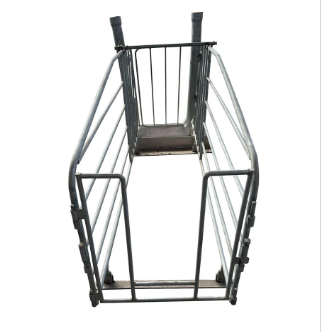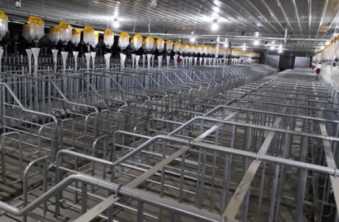
Understanding Slatted Floor for Pigs: Why It Matters Globally
When you hear about slatted floor for pigs, most wouldn’t immediately think it’s a crucial innovation shaping modern pig farming worldwide. Yet, this simple technology plays a surprisingly significant role in improving animal welfare, enhancing farm hygiene, and boosting production efficiency across different continents.
Globally, pig farming is a multi-billion-dollar industry, feeding billions. According to the Food and Agriculture Organization (FAO), over a billion pigs are raised yearly worldwide. Managing their environment efficiently, especially with respect to sanitation and space, can be challenging. That’s where a slatted floor comes in.
The key benefits include better waste management, reduced disease spread, and improved comfort for the animals — all vital to sustainable farming and food security. Frankly, it’s one of those things you overlook until you realize how much better the pigs and farmers are after switching to slatted flooring.
A Global View: Why Slatted Floors Are More Than Just Flooring for Pigs
Across Europe, Asia, and the Americas, slatted floors have become standard in modern pig rearing operations. As urbanization presses on and farm sizes grow, farmers face rising challenges: controlling ammonia emissions, minimizing labor costs, and meeting stricter animal welfare regulations.
Data from the International Organization for Standardization (ISO) highlights how better farm infrastructure can reduce contamination risks by up to 30%, which is often achieved through improved flooring systems like slatted floors.
Yet, despite clear benefits, challenges remain in adoption, especially in developing countries where upfront costs and technical know-how create barriers. Nonetheless, the upward trend toward integrated, hygienic pig housing systems—often featuring slatted floors—is unmistakable.
What Exactly Is a Slatted Floor for Pigs?
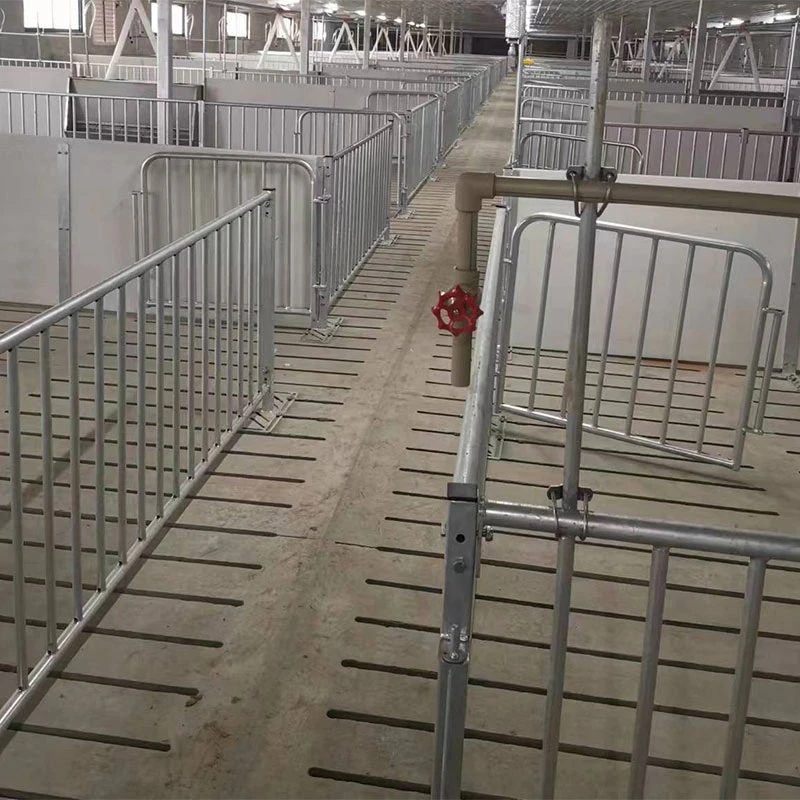
Put simply: a slatted floor is a flooring system built with narrow gaps or openings spaced regularly so that pig waste falls through to a collection area below.
These gaps can be made of concrete, plastic, or steel, each material with strengths and drawbacks. The goal is to keep the livestock cleaner and the environment safer, by allowing manure to drop away rather than accumulate on solid floors. This reduces contact with urine and feces, cutting disease risks and odors — not just better for pigs but also for farm workers and nearby communities.
In the bigger picture, slatted floors tie closely into improving animal husbandry practices globally and supporting sustainable food systems as outlined by the sustainable agriculture movement.
Core Components of an Effective Slatted Floor System
1. Material Durability
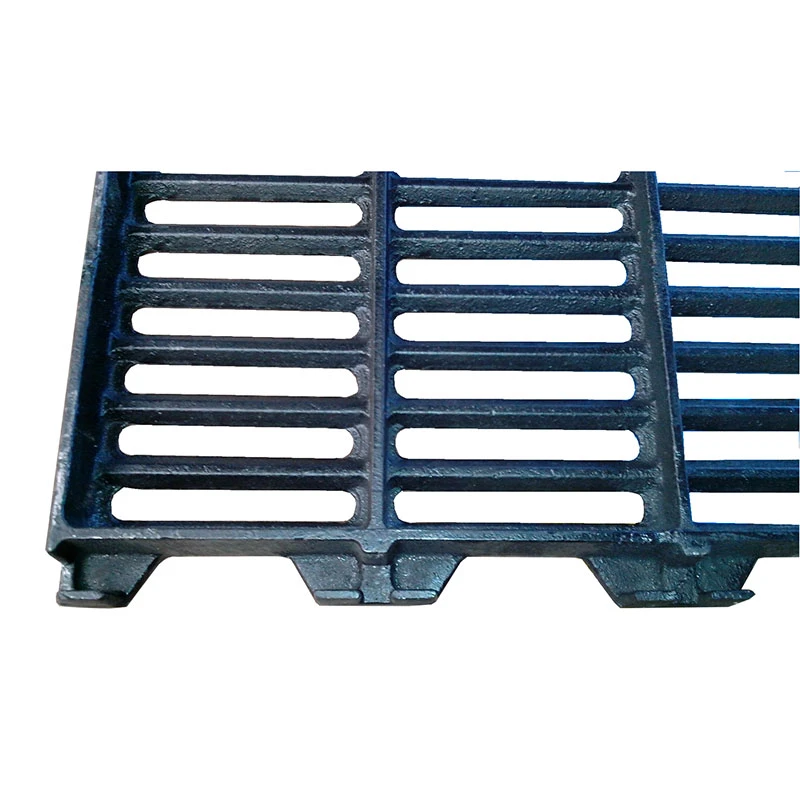
Concrete is the classic choice for its robustness and longevity, although modern plastic composites offer better resistance to corrosion and are gentler on pigs' feet. Choosing the right material can extend the floor's lifespan to 10+ years.
2. Slat Width and Spacing
Precision here is key—too wide, pigs risk foot injuries; too narrow, waste clogs and cleaning becomes a nightmare. Typically, slats range from 20 to 50 mm gaps depending on pig size and age groups.
3. Load-Bearing Capacity
This depends on herd size and pig weight. Many engineers say the floor must support dynamic loads; a floor failing here leads to costly repairs and potential animal harm.
4. Waste Collection Design
Below the slats, having efficient manure collection systems — gutters or pits — is vital for odor control and environmental compliance. Integration with waste recycling or biogas capture systems is becoming increasingly popular.
5. Ease of Maintenance
Access for cleaning and inspection without disrupting the pigs is essential. Modular panels or removable slats can assist with this.
Where and How Are Slatted Floors Being Used Globally?
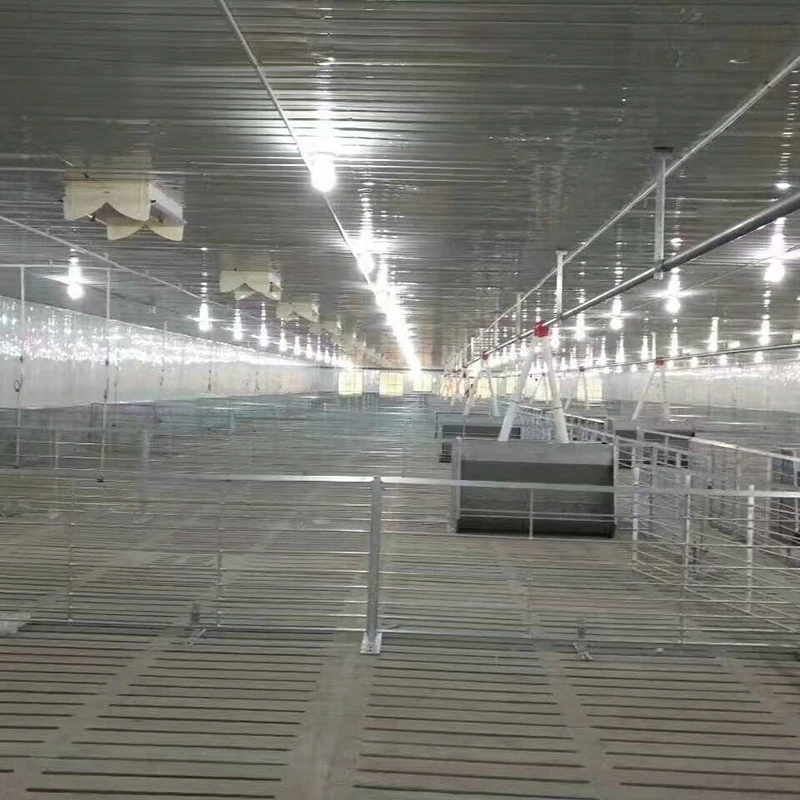
From Denmark’s intensive pig farms to commercial operations in the US Midwest, slatted floors have become industry staples. In Asia, countries like China and Vietnam are rapidly incorporating slatted floors, aiming to meet export standards and their own growing regulatory demands.
Oddly enough, post-disaster recovery pig farms in Latin America have started installing slatted floors to improve biosecurity, ensuring rebuilding efforts don’t reproduce previous sanitation issues. In remote industrial zones, slatted floors reduce labor needed for daily cleaning, making farming sustainable where manpower is scarce.
Suppliers increasingly offer customization for regional climate conditions and animal breeds, showing that the concept isn’t one-size-fits-all but rather versatile.
Advantages of Using Slatted Floors: Beyond the Surface
- Health & Hygiene: Less manure contact means fewer infections and respiratory problems for pigs.
- Labor Savings: Automated waste passage reduces cleaning time and manpower.
- Environmental Impact: Proper manure collection controls ammonia emissions and water pollution.
- Economic Efficiency: Improved survival rates and growth thanks to cleaner environments boost profitability.
- Animal Welfare: Pigs live in drier, cleaner conditions which contributes to overall well-being and less stress.
Emotionally, it feels like farmers trust these floors because they address the day-to-day struggles of animal health and farm management. It’s innovation that truly serves both caretakers and animals.
Product Specification Table: Typical Slatted Floor for Pigs
| Specification | Details |
|---|---|
| Material | Reinforced concrete / High-density plastic |
| Slat gap width | 20–40 mm |
| Load capacity | Up to 500 kg/m² |
| Dimensions | Panels: 1.2 m x 0.6 m (custom sizes available) |
| Installation | Bolt or clip-in modular system |
| Expected lifespan | 10+ years with maintenance |
Comparing Leading Vendors of Slatted Floors
| Vendor | Material Options | Customization | Typical Lead Time | Price Range (USD per m²) |
|---|---|---|---|---|
| FarmTech Solutions | Concrete, HD Plastic | Wide (slat size, panel design) | 4-6 weeks | $45–$70 |
| AgriFloors Co. | Plastic composite | Moderate (limited panel sizes) | 3-5 weeks | $55–$65 |
| EcoFarm Industries | Recycled materials, concrete | Limited | 5-7 weeks | $40–$60 |
Emerging Trends Shaping the Future of Pig Flooring
The future looks leaner and cleaner. Innovations include the use of biodegradable plastics and antimicrobial coatings to reduce pathogens on slatted surfaces. Automation is also creeping in — sensors monitoring waste buildup and pig welfare integrated into slatted floor systems.
Sustainability is front and center. Many farms are linking slatted floors to biogas recovery, using the manure collected underneath to produce energy, creating a closed-loop system. These advancements align closely with global carbon reduction commitments.
Digital transformation is also hitting pig farming hard. Imagine floors equipped with embedded sensors that detect ammonia levels or moisture, alerting farmers remotely. It sounds like science fiction but is quickly becoming standard practice in advanced farming sectors.
Challenges and How the Industry is Addressing Them
Slatted floors, while beneficial, aren’t without drawbacks. Some farmers note concerns about animal foot injuries, initial installation costs, and the difficulty of retrofitting old barns.
Experts recommend gradual implementation, along with choosing the right slat width and material softness to prevent discomfort. There’s also a push for financial support schemes helping smallholders adopt these technologies.
Innovation isn’t standing still. Modular systems designed for easy retrofitting and flexible designs that handle regional management styles have eased some of the hurdles.
Frequently Asked Questions About Slatted Floor for Pigs
- Q: What materials are best for slatted floors in hot climates?
A: Plastic composites often perform better in hot, humid environments as they resist cracking and don’t retain heat as much as concrete, keeping pigs cooler. - Q: How often should slatted floors be cleaned?
A: While slats help waste fall below, regular manure removal from pits/pipes is necessary—usually every 2-3 days to prevent odor and maintain hygiene. - Q: Can slatted floors be installed in existing barns?
A: Yes, but it requires planning to ensure structural support. Modular panels designed for retrofit are widely available to ease installation. - Q: How do slatted floors impact pig health?
A: They generally reduce disease risk by minimizing contact with waste and improve air quality, though proper maintenance is crucial.
Conclusion: Why Slatted Floor for Pigs Deserves Your Attention
At the end of the day, a well-designed slatted floor system is much more than just a flooring choice — it’s an investment in animal health, operational efficiency, and environmental responsibility. From large commercial farms to developing regions trying to modernize, the benefits ripple across economic, social, and ecological lines.
If you’re curious to explore more about how these can transform pig farming on your farm or block, consider checking out slatted floor for pigs. It’s an evolving industry that bridges tradition and innovation in a rather elegant way.
Keep an eye on new materials and tech integrations to stay ahead. Because the future of pig farming might just be under your feet in the form of a slatted floor!
References:
Post time: Dec . 02, 2025