The Essential Role of Cows Feeding Troughs in Global Livestock Management
When you think about livestock farming or dairy production, the humble cows feeding trough might not immediately come to mind as the “star player.” But in reality, these devices are vital cogs in the machinery of modern animal husbandry. They’re not just containers—they influence animal health, efficiency, sustainability, and even economics across rural communities and large agribusinesses alike.
Globally, cattle represent billions of USD in agricultural output, supporting food security and rural livelihoods. With the cows feeding trough being a core component of that chain, understanding their design, application, and innovation can unlock better practices worldwide.
Why Cows Feeding Troughs Matter Globally
Cattle farming has an enormous footprint. According to the Food and Agriculture Organization (FAO), there are over 1.5 billion cattle globally. Managing how these animals access feed is a significant challenge—one that varies from industrial farms in the U.S. to smallholder farmers in Sub-Saharan Africa.
Problems like feed wastage, contamination, and inefficient feeding schedules cost billions each year. A well-designed cows feeding trough tackles these issues head-on, enhancing animal welfare and boosting productivity. In a way, feeding troughs sit quietly at the intersection of technology, economics, and sustainability in livestock farming.
What Exactly Is a Cows Feeding Trough?
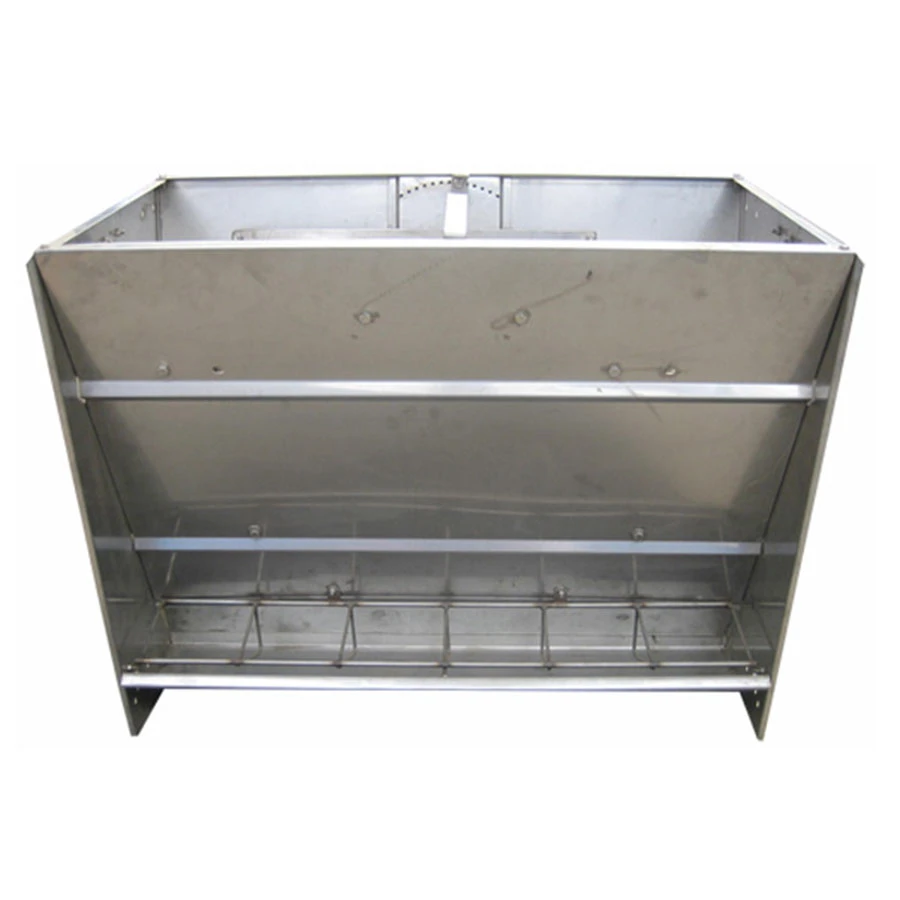
Simply put, a cows feeding trough is a container designed to hold feed and water for cattle. But that simplicity belies a lot of engineering thought. These troughs need to be durable enough to withstand hefty animals, weather-resistant, and hygienic to prevent disease transmission.
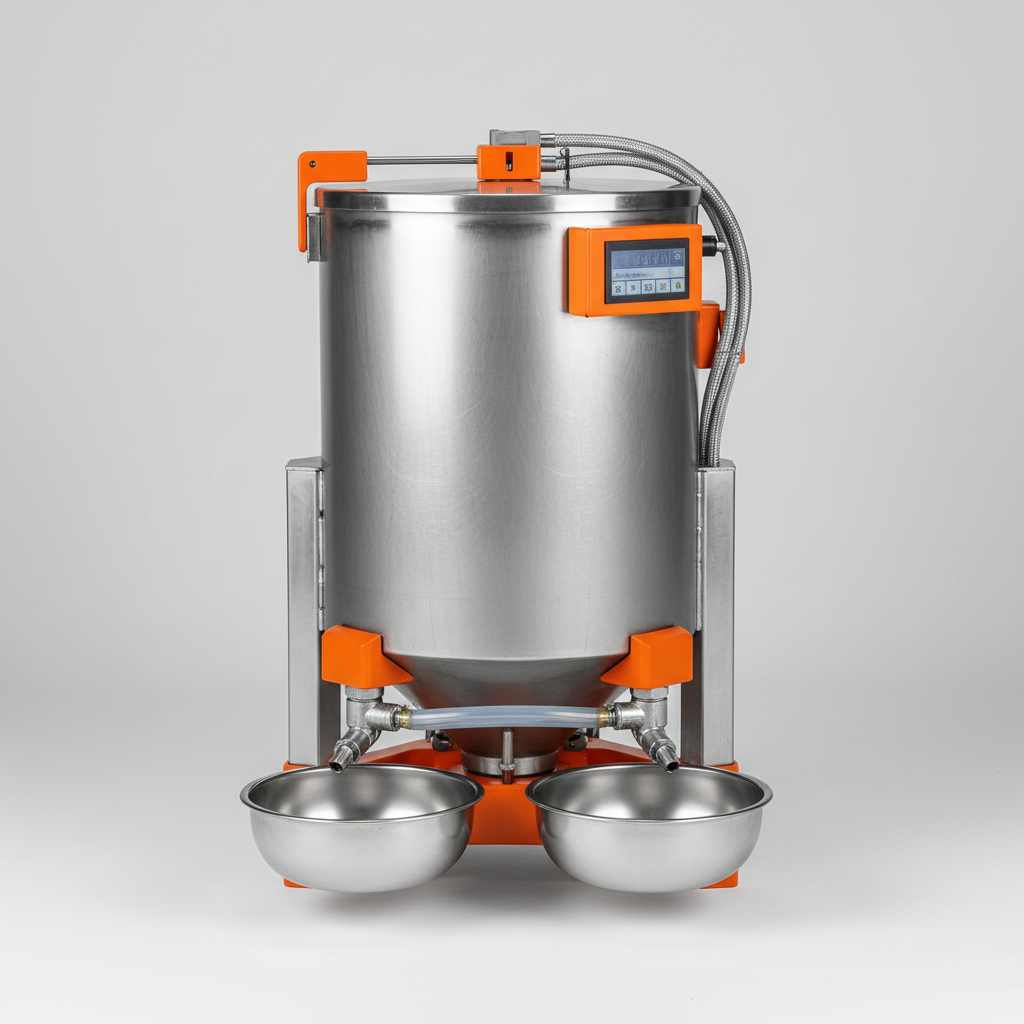
In modern agriculture, these feeding systems often connect to automated delivery and monitoring setups. This means the feeding trough is no longer just a passive bowl—it’s part of a smart ecosystem optimizing cattle nutrition and farm management.
Mini Takeaway:
Though just a feeding container, the cows feeding trough plays a deeper role in animal health, resource efficiency, and farm innovation worldwide.
Core Components That Make a Great Cows Feeding Trough
Durability & Material Choices
Most troughs come in concrete, galvanized steel, or high-density polyethylene (HDPE). Concrete might feel old-school but offers unmatched longevity and thermal mass—keeping feed cooler in summer. Meanwhile, HDPE models are lighter, less prone to rust, and easier to move.
Size & Capacity
Feeding troughs scale from compact single-cow models to huge walk-along types for commercial herds. Choosing the correct size prevents overcrowding and feed spillage, which can otherwise stress animals and waste resources.
Design & Shape
The shape affects accessibility and animal comfort. Rounded edges reduce injury risk; sloped feed walls encourage proper feeding posture. Open troughs work well for roughage like hay, whereas bunk-style ones suit grain blends or silage.
Maintenance Friendly Features
Ease of cleaning matters a lot, because nobody wants caked-on moldy feed attracting pests. Removable liners, drainage holes, or smooth inner surfaces are all valued features.
Cost Efficiency
Prices can vary widely based on design, materials, and brand. Investing a little more upfront in a quality trough can reduce long-term replacement and maintenance costs.
Integration with Feeding Systems
More farms are adopting automated feeders and sensors. Modern troughs may include adapters for irrigation, feed flow control, or even temperature monitoring, blending old-school practicality with digital efficiency.
Mini Takeaway:
Picking the right cows feeding trough is a balance of durability, size, design, and cost — each factor directly affecting farm outcomes and animal welfare.
Real-World Applications: Where and How These Troughs Are Used Globally
Take rural dairy farms in India relying heavily on cattle for milk. Simple concrete troughs set under shade provide daily fodder, often charged manually. Over in New Zealand, large-scale dairy operations integrate stainless steel feeding troughs with automated feed wagons, cutting labor and ensuring precise nutrition.
In post-disaster relief zones, NGOs sometimes distribute portable feeding troughs to maintain livestock health when traditional infrastructure is damaged — protecting critical food sources and livelihoods.
Even in remote oil fields or industrial areas, mobile troughs serve temporary cattle herds or research stations, highlighting their diverse roles.
Mini Takeaway:
Cows feeding troughs adapt across scales and regions—from basic village setups to hi-tech farms—each designed according to local needs and resources.
Advantages and Long-Term Value of Using Quality Feeding Troughs
- Cost savings: Less feed wasted means longer supply stretches and lower input costs.
- Animal health: Clean, properly sized troughs reduce disease and stress.
- Sustainability: Efficient feeding lessens environmental impact from overuse of grain and forage.
- Durability: Robust troughs last decades, ensuring reliable access to nutrition.
- Social impact: Healthy cattle support rural livelihoods and dignity for farming families.
- Trust & Innovation: Farmers gain confidence in their equipment, opening doors to smart farming solutions.
Upcoming Trends in Cows Feeding Troughs
The future is definitely green and connected. New materials like recycled plastics and composites are reducing environmental footprints. Sensor-based systems measuring feed height and animal intake are gaining traction, enabling real-time monitoring. Some manufacturers experiment with solar-powered supplements—imagine a trough that dispenses vitamins exactly when animals need them.
Additionally, standards from ISO are pushing for globally accepted quality benchmarks, which helps farmers invest wisely without worrying about poorly made products.
Challenges and How Industry Leaders Tackle Them
One common hiccup is feed contamination, leading to disease. Easy-to-clean designs and antimicrobial surface treatments offer promising solutions. Climate extremes can crack concrete troughs or corrode metal—sooften manufacturers improve formulations or coatings for weather resilience.
Cost remains a barrier, especially for smallholders. Here, modular and scalable feeder solutions are crucial, letting farmers upgrade gradually.
FAQ: Your Top Questions About Cows Feeding Trough
- What materials are best for long-lasting cows feeding troughs?
- Steel and HDPE troughs are popular for durability and ease of maintenance. Concrete is also very durable but heavier and less portable.
- How often should feeding troughs be cleaned?
- Ideally daily or at least before each feeding cycle, to prevent mold and bacteria buildup that can harm cattle.
- Can I use automated feeding systems with traditional troughs?
- It depends on the trough design; some traditional troughs work, but those designed with sensor mounts and adapters offer better integration.
- Are there sustainable options for feeding troughs?
- Yes, manufacturers increasingly use recycled plastics or eco-friendly composites, and solar-powered supplement dispensers.
- How do I choose the right size for my herd?
- Consider the number of animals feeding at once and the type of feed; overcrowding raises stress and waste.
Product Specification Table
| Model | Material | Capacity (Liters) | Dimensions (LxWxH) | Weight (kg) | Price Range (USD) |
|---|---|---|---|---|---|
| CattlePro Basic | Concrete | 250 | 1.2m x 0.5m x 0.7m | 80 | $150 - $180 |
| AgriFeed HDPE | HDPE Plastic | 200 | 1m x 0.6m x 0.55m | 20 | $120 - $145 |
| SteelMax Industrial | Galvanized Steel | 300 | 1.5m x 0.65m x 0.7m | 45 | $200 - $230 |
Vendor Comparison Table
| Vendor | Product Range | Customization | Durability Guarantee | Price Tier |
|---|---|---|---|---|
| FarmEquip Co. | Basic to Mid-range | Limited | 5 years | Affordable |
| AgriTech Solutions | Wide range, including smart troughs | High (sizes, sensors) | 7 years | Mid to Premium |
| Livestock Gear Inc. | Niche, heavy-duty models | Medium | 10 years | Premium |
Wrapping It Up
So, the cows feeding trough — simple yet crucial — is a gateway to healthier cattle, sustainable agriculture, and more efficient farm operations. Whether you’re running a modest dairy or managing a vast cattle ranch, the right feeding trough impacts productivity and animal welfare profoundly.
Thinking forward, the integration of new materials and tech will only deepen the trough’s role from an everyday tool to an intelligent partner on the farm.
Want to explore some top-quality cows feeding troughs and get advice tailored to your herd's needs? Visit https://www.cxlivestock.com and see how small changes can lead to big gains.
References
Post time: Dec . 02, 2025