Understanding Farrowing Pen Size and Design: Why It Matters More Than You Think
Farrowing pen size and design might not be a daily headline topic, but make no mistake — it’s an essential piece of the global livestock puzzle. Getting it right isn't just about keeping piglets safe; it touches on animal welfare, farm efficiency, and even broader economic and environmental goals. Considering the global demand for pork continues to rise, sustainable and humane farrowing solutions have never been more critical.
In a nutshell, understanding the nuances of farrowing pen design can lead to healthier piglets, less piglet mortality, and smoother farm operations — benefits that ripple from smallholder farms in Southeast Asia to industrial producers in North America. Given that the UN’s Food and Agriculture Organization (FAO) estimates pork accounts for about 38% of total meat consumption worldwide, optimizing farrowing environments is a priority.
The Global Significance of Farrowing Pen Size and Design
The sheer scale of pig farming globally makes farrowing pen size and design a serious topic across continents. According to ISO standards and several international welfare guidelines, proper pen sizing influences welfare compliance and farm certification, which are increasingly demanded by exporters and consumers alike.
Yet, challenges persist. In many developing regions, crowded conditions or inadequate pen layouts lead to higher piglet mortality rates, estimated to be as high as 20-30% in some areas — a staggering number when you think of lost livelihoods and wasted resources.
Furthermore, disease control and biosecurity hinge significantly on pen design. With realities like swine flu outbreaks and antibiotic resistance, the stakes couldn’t be higher.
Mini takeaway:
- Farrowing pen size & design affects animal welfare and farm profitability worldwide.
- International standards push for better designs, yet challenges remain in adoption, especially in resource-poor settings.
What Exactly is Farrowing Pen Size and Design?
Simply put, a farrowing pen is the designated area where a sow gives birth and nurses her piglets. “Size” refers to the physical dimensions of the space, while “design” covers the layout—think of barriers, flooring, heating, and safety features. Together, they form the foundation for protecting newborn piglets from crushing, stress, and disease.
In modern farming, farrowing pens have evolved from rudimentary stalls to smart, ergonomically designed units that balance sow comfort with piglet safety and farmer needs. This transition is closely tied to global movements for humane treatment and efficiency — blending traditional know-how with innovative materials and technological aids.
Mini takeaway:
- Farrowing pen size is more than measurements — it’s about balancing space, safety, and comfort.
- Design includes structural, thermal, and hygienic considerations.
Core Components Shaping Successful Farrowing Pen Designs
1. Adequate Space Allocation
One of the most debated elements is “how much space?” Too small, and sows get stressed, increasing piglet mortality risk. Too large, and farms lose efficiency and increase costs. Industry guidelines generally suggest around 6–8 square meters per sow, but this depends on breed, climate, and farming style.
2. Safety Features to Prevent Crushing
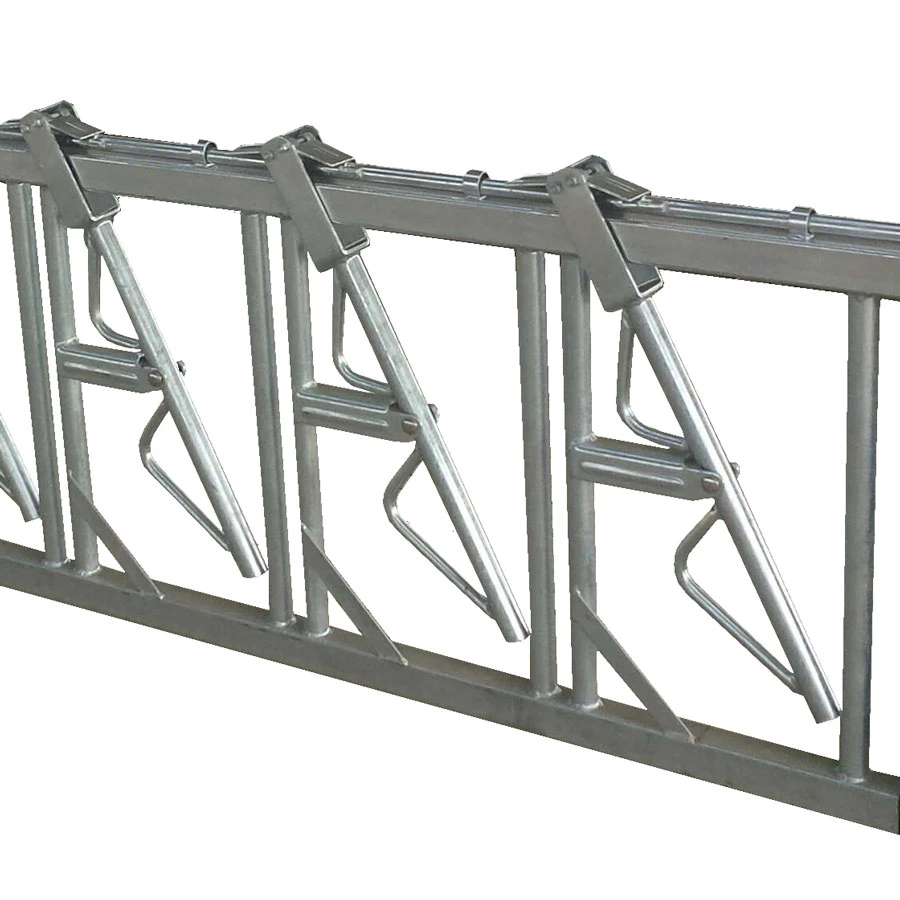
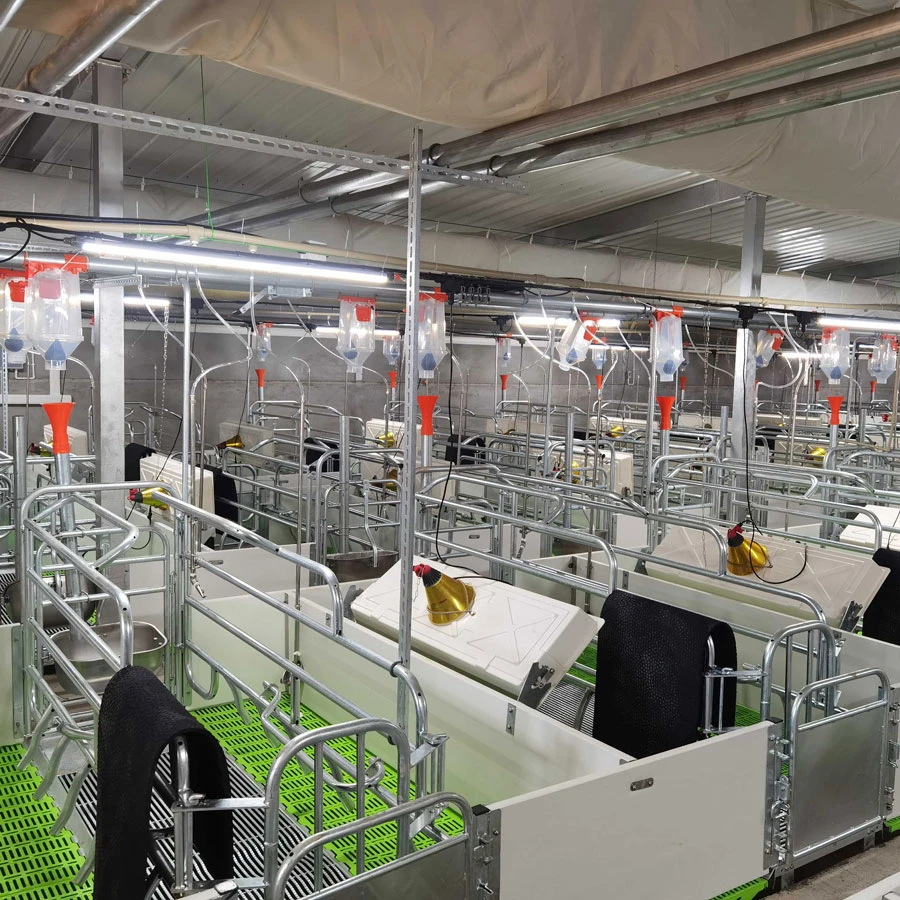
Sow crushing is a notorious cause of piglet death. Pens often incorporate “creep areas” — small heated zones exclusively for piglets — and rails or barriers that limit the sow’s movement in a way that protects newborns. Engineers and farmers alike emphasize these as game-changers in design.
3. Flooring and Drainage
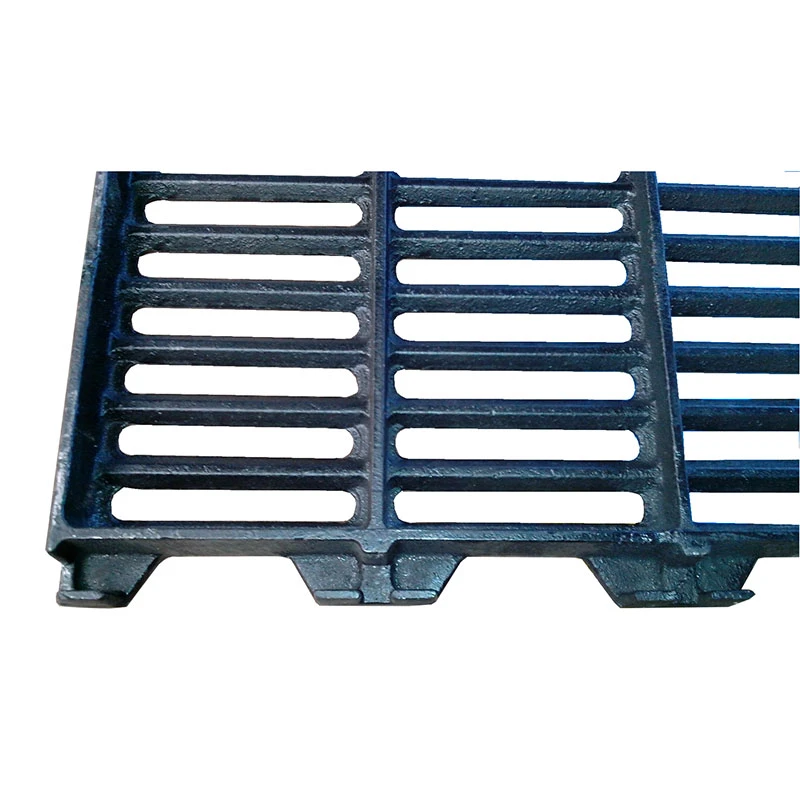
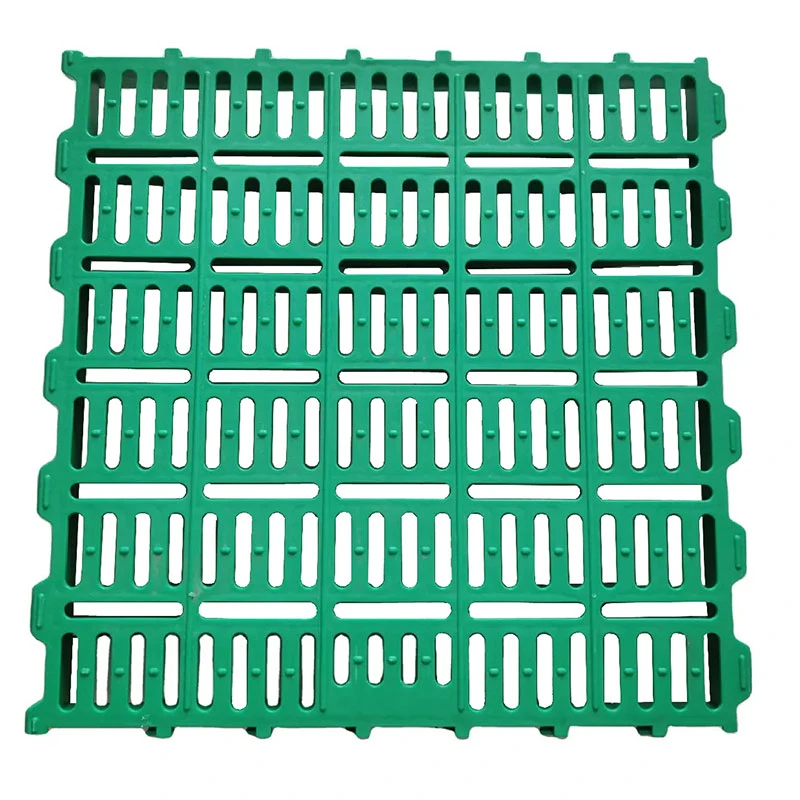
The choice of flooring affects hygiene and comfort. Slatted floors aid drainage and cleanliness but may be uncomfortable or even harmful if poorly designed. Solid, rubberized floors offer better grip but challenge hygiene management. Striking the right balance is key.
4. Thermal Regulation
Piglets need warmth; sows prefer cooler temps. Farrowing pens incorporate localized heating (heat pads, lamps) in the creep area, maintaining a temperature gradient to ensure both parties thrive. This dual climate approach significantly improves survival rates.
5. Ease of Cleaning and Maintenance
Durability and hygiene often conflict. Materials must withstand cleaning agents, moisture, and wear. Modular designs facilitate quicker cleaning cycles, reducing disease risk.
6. Cost Efficiency and Scalability
It's no good having the perfect pen if it bankrupts the farmer. Designs increasingly consider cost-effective materials and modular layouts that adapt to both small and large-scale operations without compromising standards.
Mini takeaway:
- Good farrowing pens strike a balance between sow comfort, piglet safety, hygiene, and cost.
- Modularity and material choice affect long-term farm success.
Global Applications: Where Farrowing Pen Design Makes a Difference
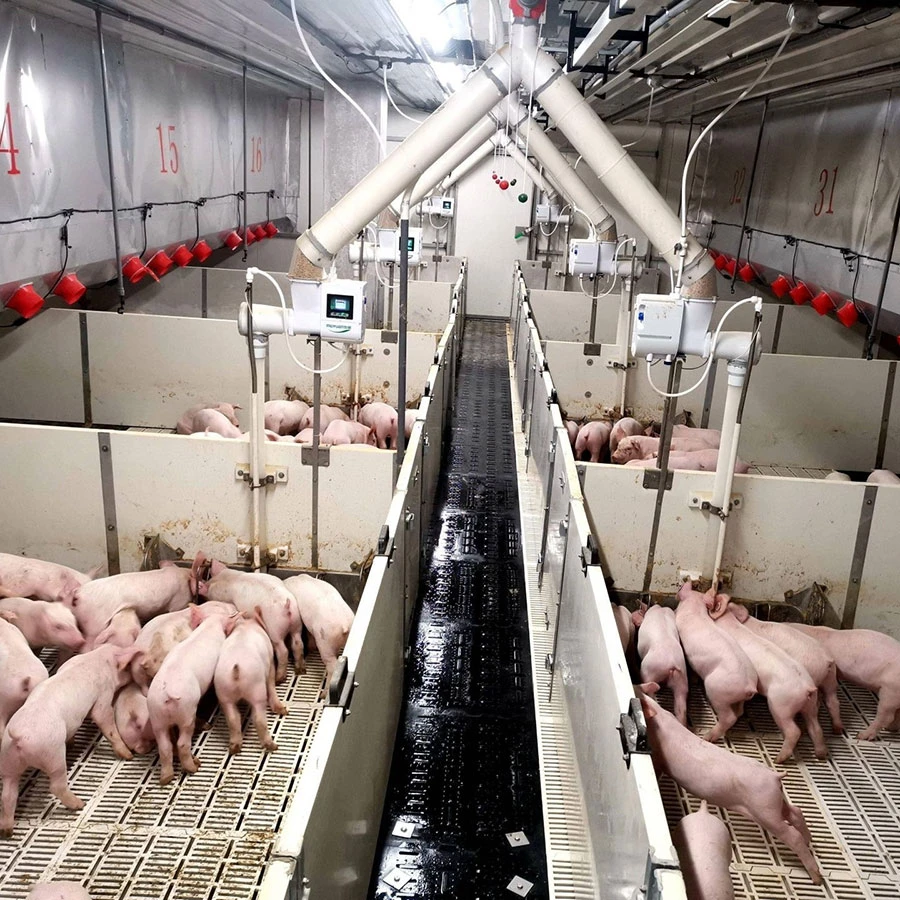
Across Europe, North America, and parts of Asia, industrial farms often use automated monitoring combined with state-of-the-art pen designs emphasizing welfare and biosecurity, sometimes mandated by strict EU regulations or similar measures elsewhere.
Conversely, in Africa and parts of Latin America, NGO-led projects focus on improving traditional pens with better safety rails and local materials, demonstrating that good design doesn’t always mean high-tech. In post-disaster zones or humanitarian relief related to livestock (yes, it happens!), portable or quick-assembly farrowing pens help keep herds productive amidst chaos.
One particularly interesting example comes from Denmark, a pioneer in animal welfare standards. Their farrowing pens often feature adjustable sides to accommodate sow size variations, reducing injuries and improving piglet access. It’s a case study that others can learn from.
Mini takeaway:
- Applications vary: from high-tech automated systems in developed countries to low-tech solutions in emerging markets.
- Adaptability to local needs is crucial.
Advantages and Long-Term Benefits of Proper Farrowing Pen Designs
When implemented correctly, thoughtfully sized and designed farrowing pens reduce piglet mortality by up to 40%, which spells real economic savings.
From a welfare perspective, they provide safer, less stressful environments, fostering healthier animals and better returns. There’s also a sustainability angle — reducing need for antibiotics, lowering disease spread, and improving resource use efficiency.
Farmers often mention an intangible benefit — peace of mind. Knowing the farrowing environment is safe builds trust, not just with animals but among workers and buyers.
Innovations and Future Trends in Farrowing Pen Design
Looking ahead, we’re seeing materials infused with antimicrobial properties and sensor-based monitoring systems that track piglet movement and sow behavior in real-time, alerting farmers to risks before they escalate.
Some farms experiment with solar-powered heating pads, reducing energy use and carbon footprint — a nod to sustainability demands. 3D-printed pen components tailored to specific animal breeds and farm layouts are beginning to emerge, too.
The digital transformation in agriculture (aka “AgTech”) is driving innovation not just for pen design, but how farrowing data feeds into broader farm management.
Overcoming Challenges in Farrowing Pen Size and Design
Challenges include cost barriers, especially in low-income regions, and resistance to changing traditional methods. There’s also no one-size-fits-all solution — climate, sow breed, and farm scale all influence what works best.
Experts encourage participatory design approaches involving farmers, vets, and engineers to create context-sensitive solutions. Grants and training also play vital roles in boosting adoption.
FAQs About Farrowing Pen Size and Design
- What is the ideal size for a farrowing pen?
- Most guidelines recommend between 6 and 8 square meters per sow, but this depends on breed and climate. The space should allow sow comfort and safe piglet movement.
- How do farrowing pen designs reduce piglet mortality?
- Safe design features like piglet creep areas, anti-crushing rails, and temperature control help protect newborns from injuries and environmental stress.
- Can farrowing pen designs be adapted for smallholder farms?
- Absolutely. Many low-cost, modular designs use local materials and simple layouts that improve welfare without large investments.
- Are there environmental benefits to optimized farrowing pens?
- Yes. Improved hygiene reduces disease and antibiotic usage, and efficient heating systems lower energy consumption, contributing to lower farm footprints.
A Quick Guide to Comparing Farrowing Pen Specifications
| Specification | Standard Pen | Premium Pen | Eco-Friendly Model |
|---|---|---|---|
| Size (m²) | 6.5 | 8 | 7 |
| Material | Powder-coated steel | Stainless steel + rubber floor | Recycled plastic composite |
| Heating | Electric heat lamp | Infrared heating pad | Solar-powered mat |
| Anti-crush features | Standard rails | Adjustable barriers & sensors | Fixed safety rails |
| Cleaning | Manual wash | Pressure-wash compatible | Easy-snap parts |
Vendor Comparison: Choosing the Right Farrowing Pen Partner
| Vendor | Product Range | Customization | Lead Time | Price Range |
|---|---|---|---|---|
| AgriPen Solutions | Standard to premium pens | Offer custom sizes | 4-6 weeks | $$$ |
| EcoFarm Gear | Eco-friendly models only | Limited | 3-5 weeks | $$ |
| SwineSafe Components | High-tech & sensor-integrated pens | Full customization | 6-8 weeks | $$$$ |
Wrapping It Up: The Path Forward in Farrowing Pen Size and Design
So, farrowing pen size and design is not just a technical detail tucked away on a farm. It’s a crossroad where animal welfare, economics, and sustainability intersect. By paying close attention to pen dimensions and thoughtful design, stakeholders look not only to improve survival and productivity but to foster trust, dignity, and innovation in livestock farming.
If you want to learn how the right pen size and layout could transform your farm operations or project, you might want to delve deeper into specific farrowing pen size and design solutions, tailored perfectly for your needs.
References & Further Reading
Post time: Dec . 02, 2025