Outdoor Farrowing Pens: field notes, specs, and what really matters
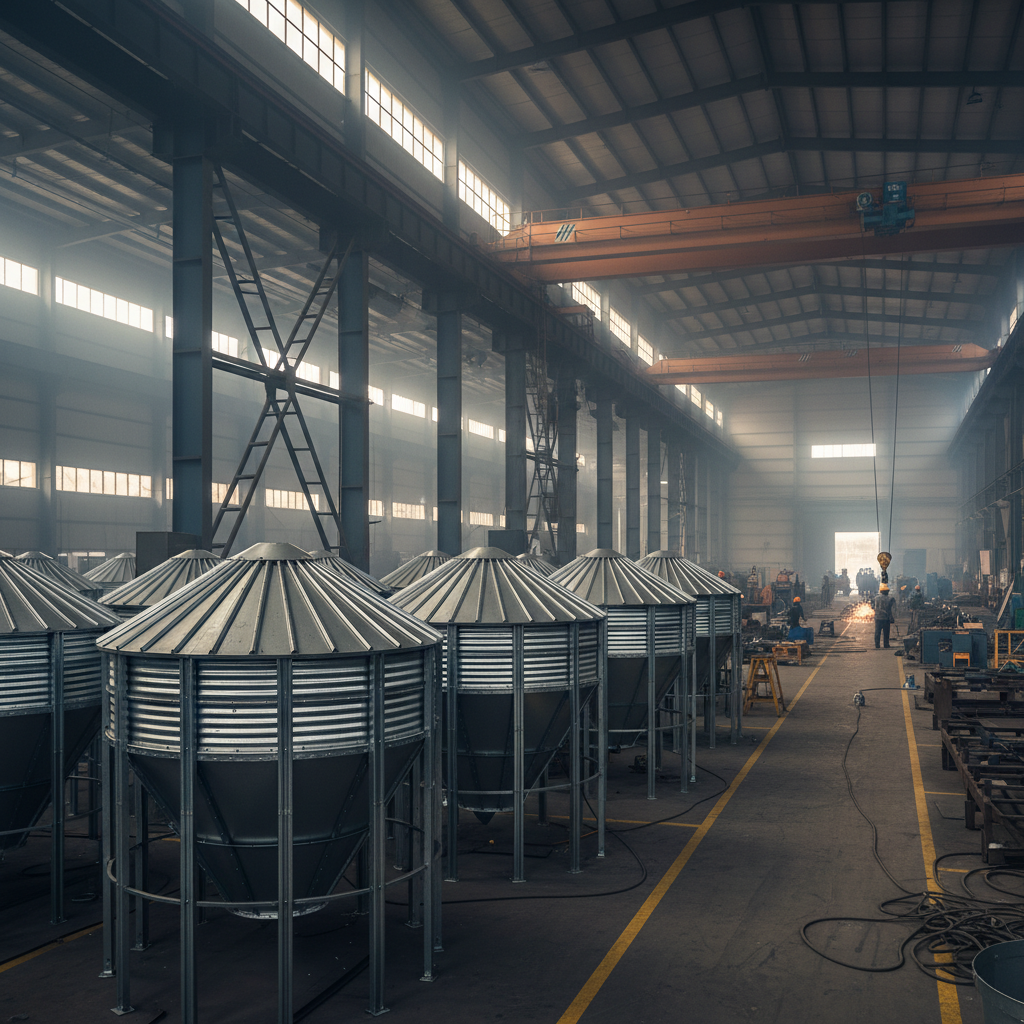
I’ve walked more barnyards than I can count, and—honestly—good gear pays for itself. When producers ask about Outdoor Farrowing Pens, the conversation quickly shifts from price tags to piglet survival, sow comfort, and whether the metal will still look sane after three winters. This guide draws on visits to manufacturers (including a factory at Dongtai Road, Economic and Technological Development Zone, Huanghua City, Hebei Province, China) and real farm feedback. Short version: design and coatings matter more than marketing photos.
Why Outdoor Farrowing Pens are trending
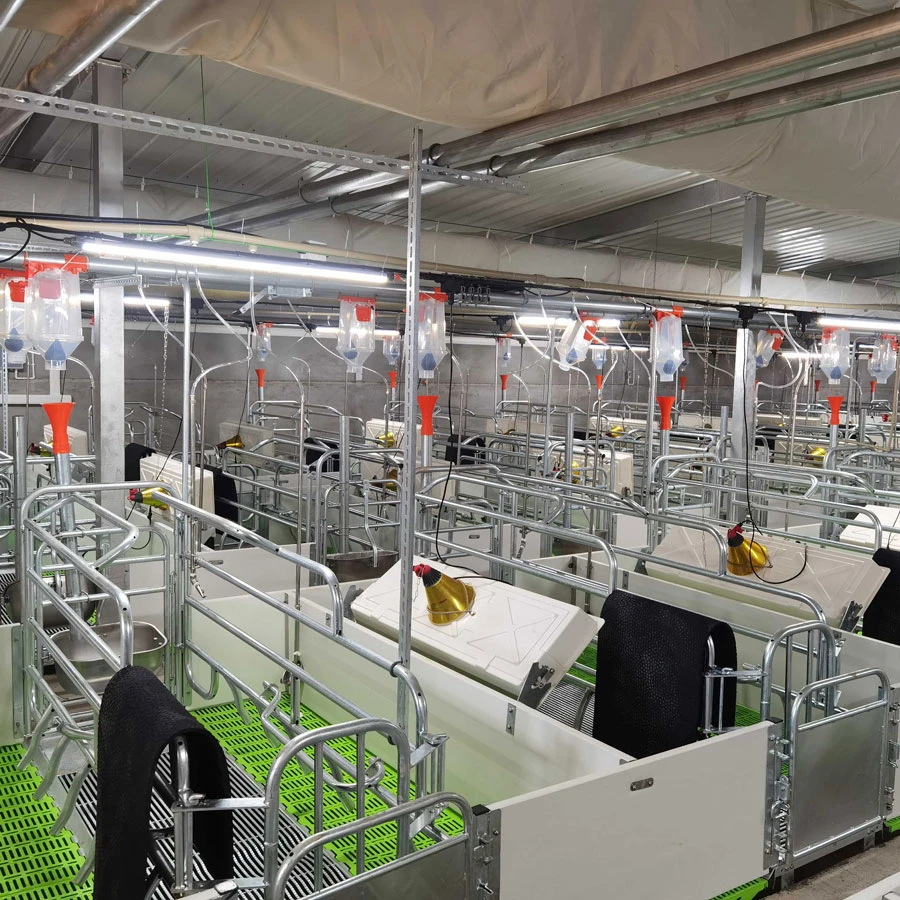
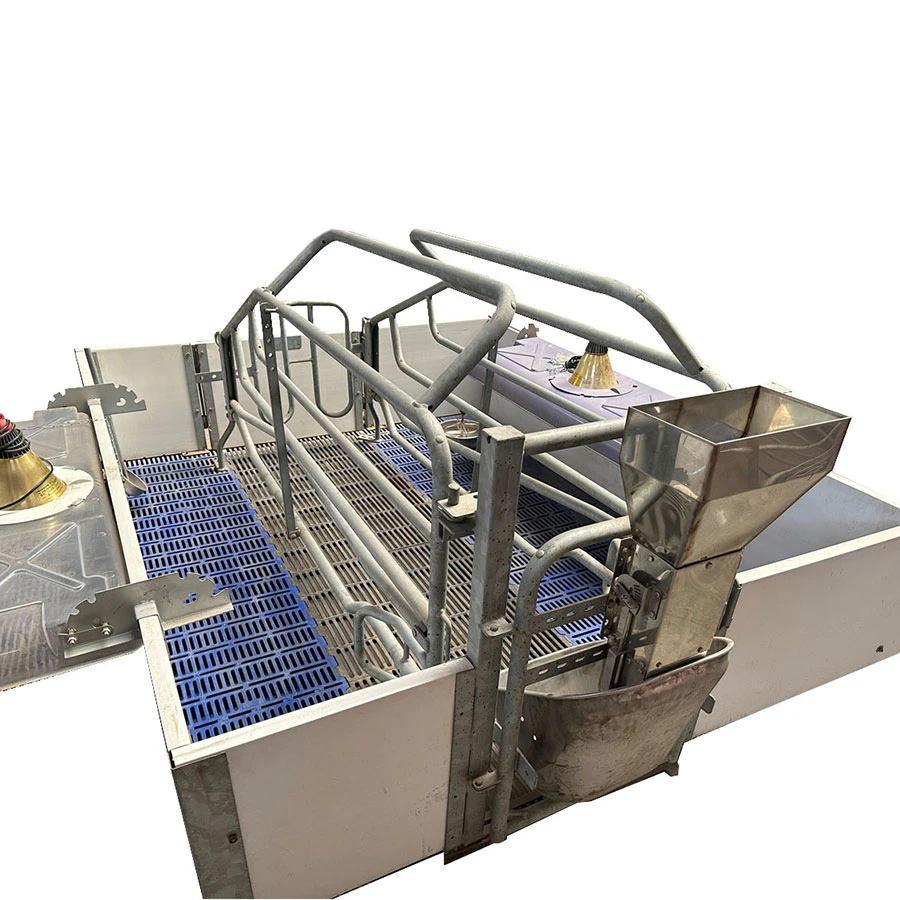
Three drivers: welfare-focused pork schemes, labor pressure (fast cleanouts), and durability outdoors. Many customers say modular crates and isolation stalls—the same families of gear used for Outdoor Farrowing Pens—let them flex between pasture, hoop, and hybrid systems. Surprisingly, the best ROI often comes from reduced piglet crushing and fewer busted hinges.
Typical specification (field-proven ranges)
| Attribute | Typical value (≈) | Notes |
|---|---|---|
| Footprint per sow-litter | ≈ 2.4 m × 1.8 m | Modular panels; real-world use may vary |
| Panel height | ≈ 900–1000 mm | Keeps piglets in, allows handler visibility |
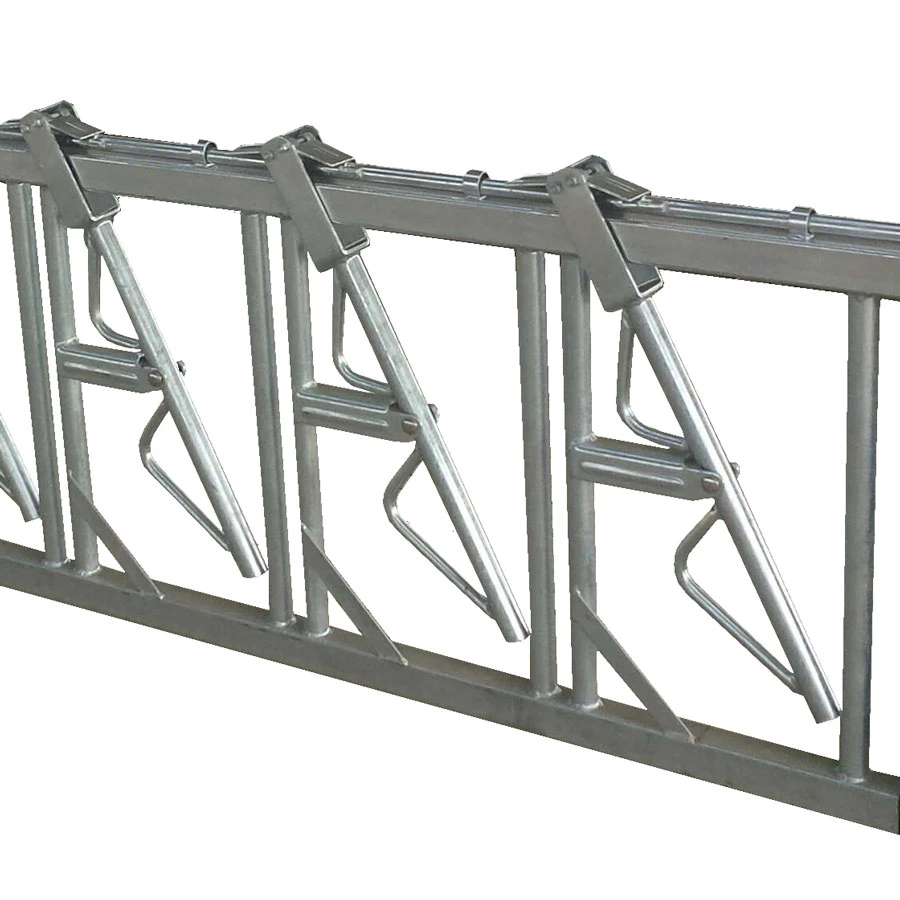
| Steel grade | Q235/Q195 welded tube | Hot-dip galvanized after fabrication |
| Zinc coating | ≈ 80–120 μm | ISO 1461 / ASTM A123 guidance |
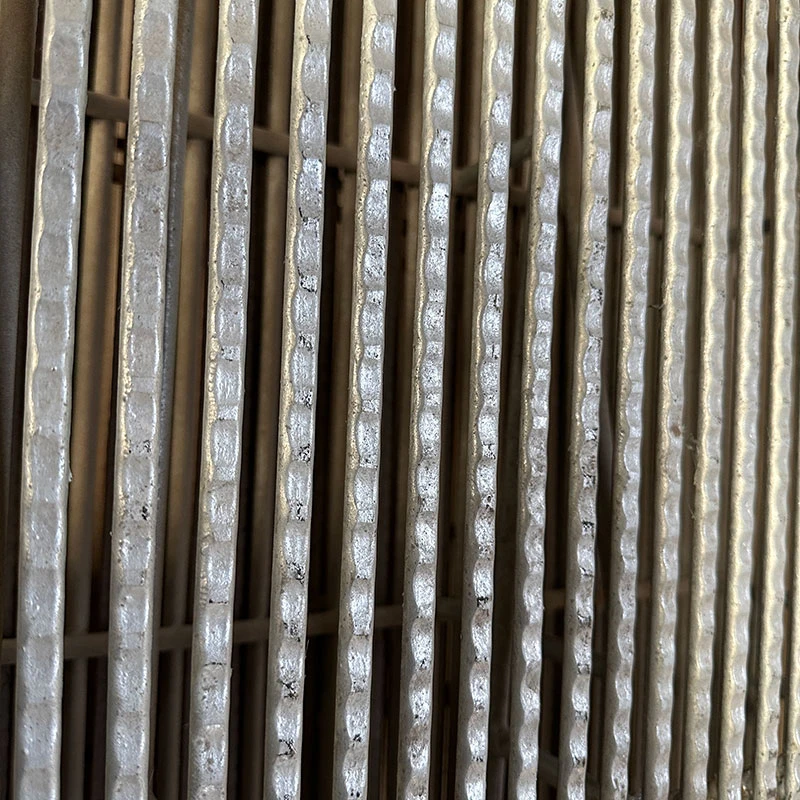
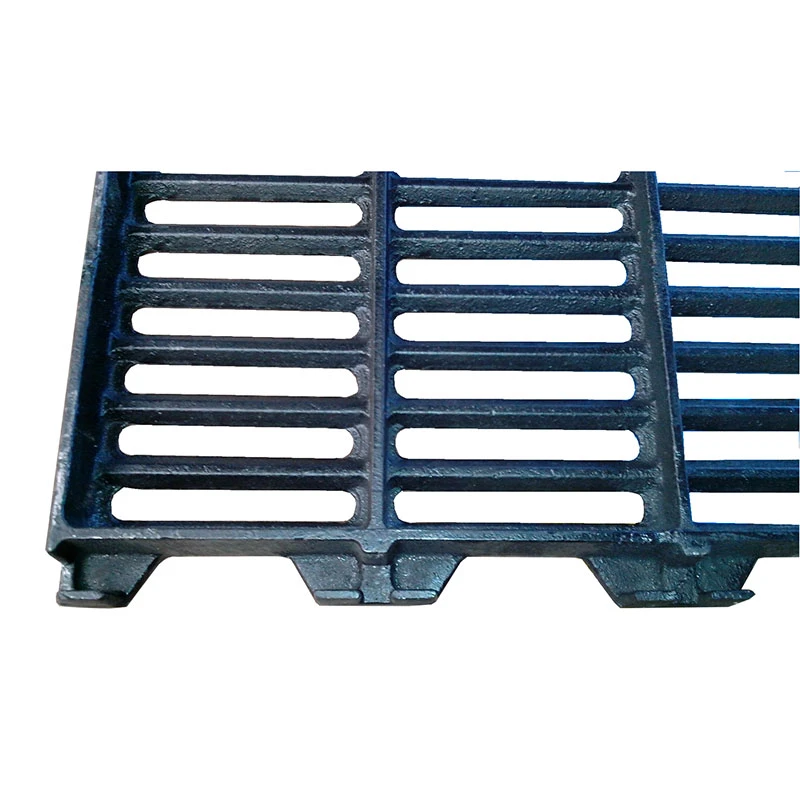
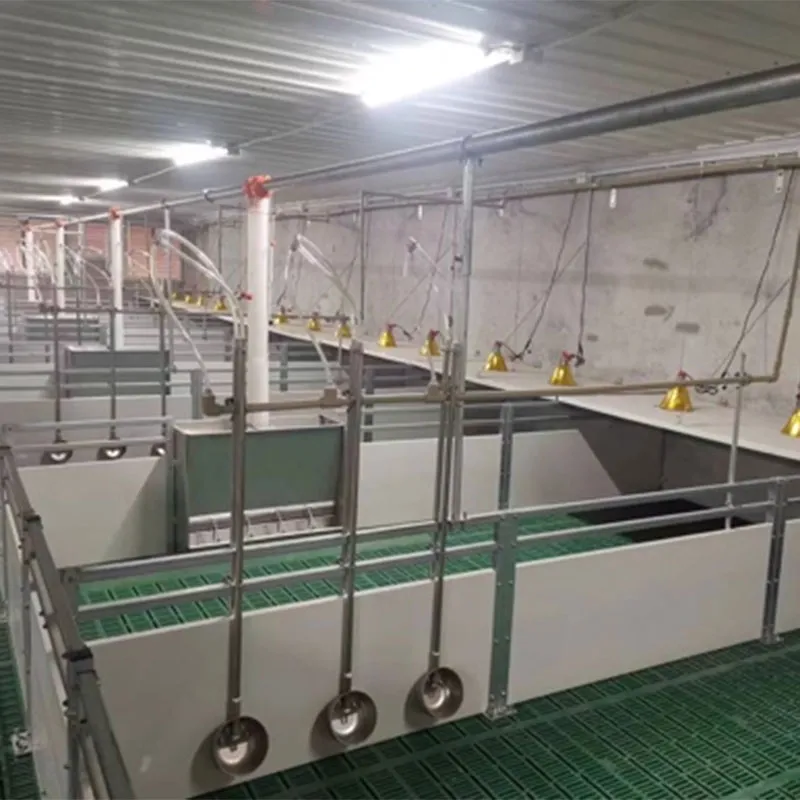
| Flooring | PP/FRP slats, 55–65% open | Load rating ≈ 250 kg static |
| Latch & hinges | Lockable, 304 SS optional | Glove-friendly, anti-rattle |
| Service life outdoors | ≈ 10–15 years | Depends on ammonia/salt exposure |
Materials, build, and testing flow
- Materials: Q235 tube, low-spatter MIG welds; PP/FRP slats with UV stabilizers.
- Methods: Fabricate-weld → pickle → hot-dip galvanize → passivation → fit-up and torque check.
- Testing: Coating thickness gauge (ISO 1461), salt spray 480–720 h (ASTM B117, indicative), weld pull ≥ 6 kN.
- Standards reference: ASABE EP270.5 for ventilation design considerations; EU 2008/120/EC for sow welfare layout cues.
- Industries: Pasture pork, integrators, ag colleges, vet isolation units.
Where Outdoor Farrowing Pens shine
- Pasture/hybrid systems needing boar crates and isolation stalls on call.
- Biosecurity pods: quick to set up, easy to disinfect.
- Heat management: open-air with shade tarps; creep covers for piglets.
Vendor comparison (editor’s snapshot)
| Vendor | Coating & QA | Customization | Lead time | Notes |
|---|---|---|---|---|
| CXLivestock (Hebei) | ISO 1461 / audits by SGS (claimed) | High: panel size, gates, slats | ≈ 25–40 days | Strong on special-use crates |
| Importer A | Mixed; some pre-galv tube | Low–medium | Fast stock, slow custom | Price-led, variable QA |
| Local Fabricator B | Good welds, paint finish | Very high | Short runs, higher cost | Great for one-offs |
Customization checklist
Panel height, creep rail spacing, left/right gate swing, nipple drinker type, shade/roof kits, and bolt-down vs. skid mounts. I guess go slightly taller on panels if you’ve got jumpy weaners nearby.
Case study (real farm rhythm)
A 220-sow pasture-focused farm retrofitted 24 Outdoor Farrowing Pens with isolation stalls for nurse sows. After one season: piglet pre-wean mortality reduced by ≈1.8 points, wash-down time dropped ~30%, and hinge breakage basically vanished. Payback? Just under 18 months, helped by fewer replacements and less labor.
Certifications, data, and welfare cues
- Quality: ISO 9001:2015 factory management (vendor documentation required).
- Coating audits: typical 90–110 μm zinc; spot checks each batch.
- Welfare: layout and creep zones aligned to EU 2008/120/EC principles; OIE/WOAH welfare code consulted.
- Ventilation planning uses ASABE EP270.5 guidance (even outdoors, wind breaks matter).
Author’s note: Specs above represent common configurations for special-use pens, crates, and stalls offered for Outdoor Farrowing Pens deployments; confirm final drawings before ordering.
References
- ISO 1461: Hot dip galvanized coatings — Specifications and test methods.
- ASTM A123/A123M: Zinc (Hot-Dip Galvanized) Coatings on Iron and Steel Products; ASTM B117 Salt Spray.
- ASABE EP270.5: Design of Ventilation Systems for Livestock and Poultry Shelters.
- EU Council Directive 2008/120/EC: Minimum standards for the protection of pigs.
- WOAH (OIE) Terrestrial Animal Health Code: Animal welfare — pigs.
Post time: Nov . 07, 2025