The Essential Guide to Pig Flooring: Why It Matters More Than You Think
If you’ve ever stepped into a modern pig barn, chances are you’ve encountered pig flooring — the unsung hero of efficient, humane pig farming worldwide. It’s more than just a surface; it’s a critical element in animal welfare, environmental sustainability, and farm profitability. Globally, pig flooring systems influence the health and productivity of livestock, ultimately affecting the food supply chain and agricultural economies. So why exactly does understanding pig flooring matter? Simply put, it’s about balancing comfort for the animals, hygiene for the farmers, and sustainability for the planet.
Introduction: Pig Flooring’s Global Role in Sustainable Farming
Today, pig farming accounts for an astonishing 33% of global meat production, according to FAO statistics.1 With rising demand from growing populations in Asia, Europe, and the Americas, efficient pig housing has become a worldwide focus. But here’s the catch: poorly designed flooring leads to disease outbreaks, lower growth rates, and environmental pollution. That’s where pig flooring enters the scene — tackling manure management issues, improving ventilation, and reducing injuries. International standards (like ISO 22514) are increasingly highlighting floor design to optimize pig well-being and farm biosecurity.2 Still, many farms, especially in developing areas, struggle with outdated or improvised flooring that threatens both pigs and profits.
Mini takeaway:
Better floors mean healthier pigs, cleaner facilities, and ultimately more sustainable farming — a simple fact that influences food security across continents.
What Is Pig Flooring? Putting It Simply
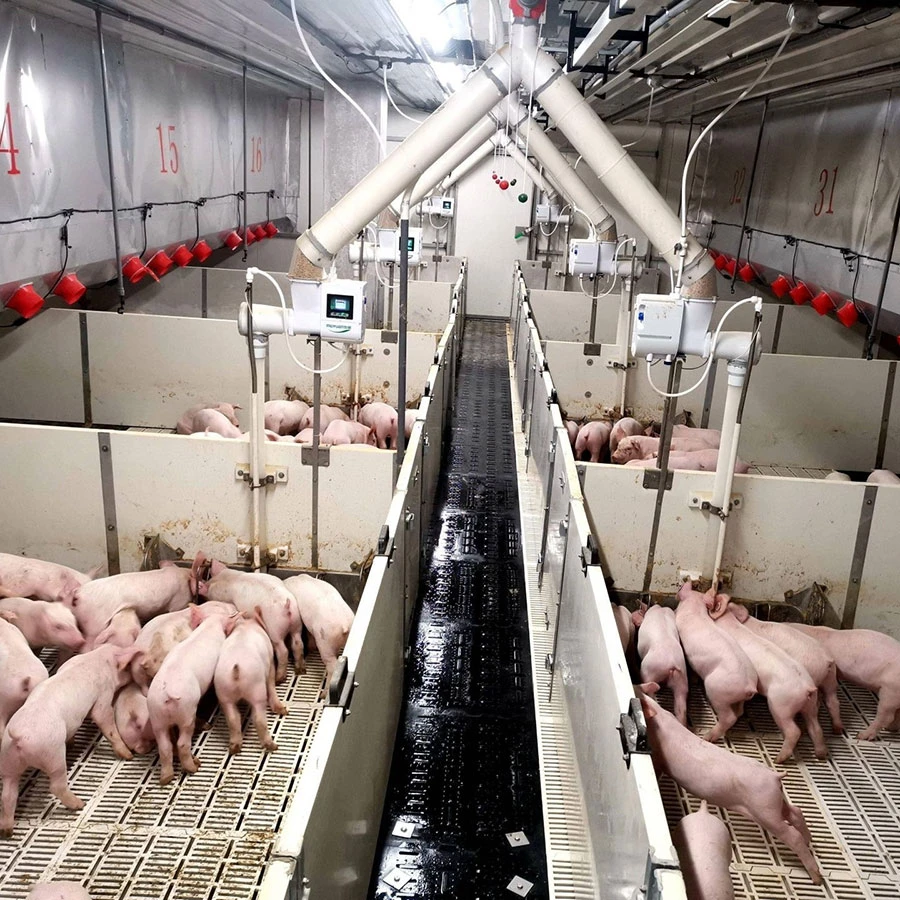
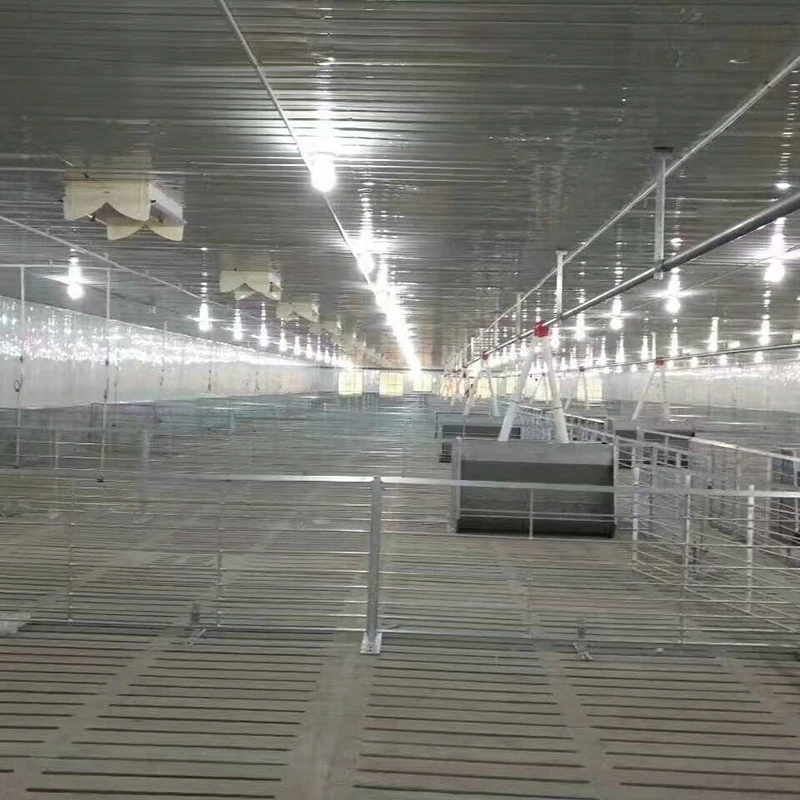
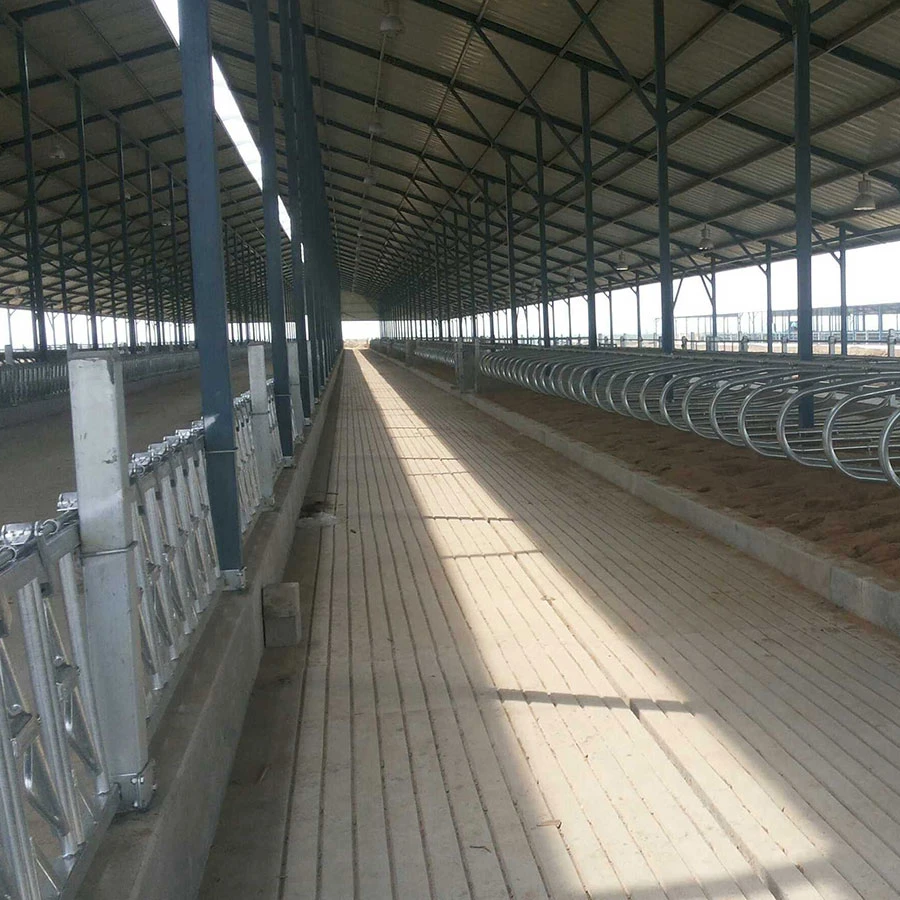
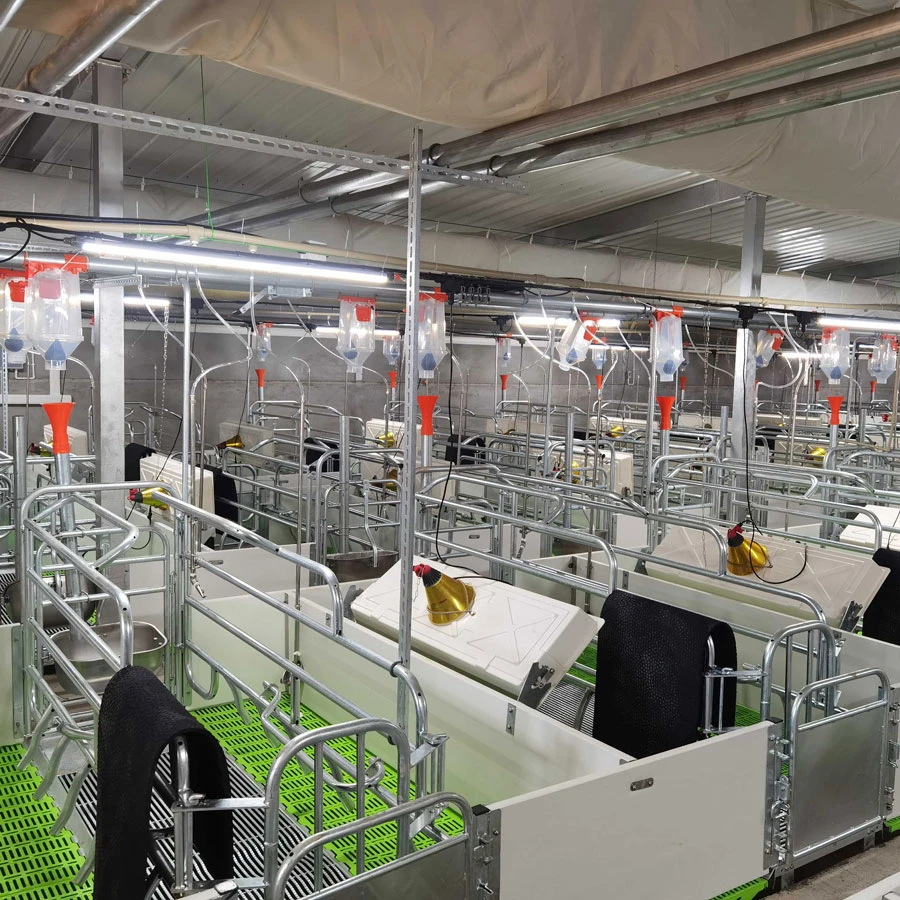
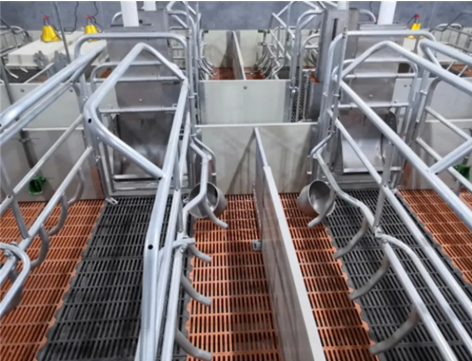
At its core, pig flooring refers to the engineered surfaces inside pig barns or pens where swine stand, lie, and interact. Unlike ordinary floors, these surfaces must meet specific criteria to support hygiene, comfort, drainage, and durability. In modern farms, pig flooring typically involves slatted concrete, plastic panels, or metal grates designed to let manure fall through, facilitating cleaning and reducing ammonia buildup. It’s closely tied to the animal welfare movement, which recognizes that comfortable, dry flooring reduces stress and injuries, contributing to better growth rates and meat quality. From a humanitarian perspective, it's about respecting animals’ needs while maintaining sustainable farming practices that feed millions.
Key Factors in Pig Flooring Design That Make a Difference
1. Durability & Material Selection
Pig flooring has to withstand constant weight, abrasion from hooves, and corrosive waste — not to mention daily cleaning routines. Concrete reinforced with fiber, plastic composites, and galvanized steel each play roles here. Fiber-reinforced concrete, for instance, balances robustness with some give, reducing hoof damage.
2. Drainage & Slatted Design
Good pig flooring often features slats or perforations to allow waste to drain below, minimizing pig contact with manure. This improves hygiene and air quality, but the slat size must be just right: too big, and piglets risk injury; too small, and cleaning becomes difficult.
3. Thermal Comfort & Flooring Texture
Slippery floors cause stress and injuries. Textured finishes or slightly rough surfaces help pigs maintain grip. Some innovative systems incorporate plastic mats or rubber coatings to improve warmth and reduce joint strain in colder climates.
4. Cost Efficiency & Installation
Beyond material choice, farmers consider installation complexity and long-term maintenance. High upfront costs might be offset by savings in reduced veterinary bills and better feed conversion ratios.
5. Environmental Impact
Flooring that improves manure management reduces greenhouse gas emissions and groundwater contamination — a growing priority as farms face tighter environmental regulations.
Mini takeaway:
The best pig flooring strikes a balance between toughness, pig comfort, hygiene, cost, and environmental responsibility — not always easy, but worth every penny.
Real-World Uses: How Pig Flooring Shapes Global Agriculture
Pig flooring is a cornerstone of modern pig production across North America, Europe, and Asia. For example, Denmark's pork sector relies heavily on slatted concrete floors combined with manure pits to meet strict animal welfare laws.3 Meanwhile, farms in Brazil are adopting pig flooring systems that integrate automated waste removal, aiming to boost output while controlling odor and pollution.
In developing countries, NGOs focus on introducing affordable plastic or bamboo flooring to replace dirt floors, reducing disease risks where veterinary access is limited. Even disaster relief and emergency livestock shelters explore modular flooring solutions that protect animals while enabling rapid cleanup.
Product Specification Table: Common Pig Flooring Types
| Floor Type | Material | Typical Slat Width (mm) | Durability | Comfort Level |
|---|---|---|---|---|
| Concrete Slatted | Fiber-Reinforced Concrete | 20-30 | High | Medium |
| Plastic Slat Panels | HDPE or PVC | 18-25 | Medium | High |
| Metal Slatted | Galvanized Steel | 20-32 | Very High | Low (slip risk) |
Vendor Comparison: Choosing the Right Pig Flooring Supplier
| Vendor | Product Range | Customization Options | Global Shipping | Warranty |
|---|---|---|---|---|
| FarmFloors Inc. | Concrete, Plastic Slats | Standard Sizes | Yes | 5 Years |
| GreenHoof Solutions | Recycled Plastic Panels | Custom Sizes & Textures | Selective | 7 Years |
| AgriSlat Corp. | Metal and Concrete Slats | Standard Only | Yes | 3 Years |
The Long-Term Value: Why Invest in Quality Pig Flooring?
Honestly, investing in thoughtful pig flooring is like laying the foundation for a barn that keeps earning its keep year after year. The upfront price can be a hurdle, but the returns show in healthier pigs with fewer injuries, faster growth rates, and less staff time spent on cleaning and illness management. From a sustainability angle, good floor design cuts down on waste runoff and greenhouse gases, helping farmers meet tighter environmental standards and contribute positively to their communities. And let’s not underestimate the emotional side: well-designed floors mean pigs experience less stress and discomfort, which is something that resonates with consumers demanding ethical meat production.
Future Trends in Pig Flooring: Where Are We Headed?
The future is, as always, slightly unpredictable. Yet, I’ve noticed drives towards smart flooring embedded with sensors to monitor temperature, moisture, even pig movement — helping farmers spot health problems early. Materials continue evolving too, with biodegradable plastic composites and recycled-matter slats gaining focus. Sustainability policies from governments will likely push producers toward modular, easy-to-maintain floors that reduce water usage and chemical cleaners. Automation plays a role too; imagine robotic scrapers paired with optimized flooring that minimizes manual labor. It feels like the pig barn of tomorrow will be part high-tech lab, part traditional farm — odd but exciting.
Common Challenges and Expert Solutions in Pig Flooring
No solution is perfect. Slatted floors can sometimes lead to hoof injuries or fatigue, especially if poorly sized — which many engineers say is the #1 issue on farms.3 Cleaning can remain labor-intensive and failure to adapt to local climate leads to discomfort or health problems. Some farms grapple with initial installation complexity or cost. But innovation is catching up: adjustable slat widths, shock-absorbing mats, and hybrid flooring combining concrete and plastic aim to reduce injuries. Training farmers on best practices for maintenance also plays a huge role in overcoming these challenges.
FAQ: Common Questions About Pig Flooring
Q1: What type of pig flooring is best for young piglets?
A: Plastic slatted floors with smaller slat widths (around 18mm) are preferred for piglets to prevent injury from gaps, while maintaining good drainage. Soft surfaces also reduce stress and joint strain for growing pigs.
Q2: How often should pig flooring be cleaned?
A: Typically, pig flooring should be cleaned daily or at least multiple times per week to prevent buildup of waste and reduce ammonia levels. Automated cleaning helps but some manual scrubbing may be needed depending on floor type.
Q3: Can I install pig flooring myself?
A: Depending on the complexity and material, some modular plastic flooring systems are suitable for DIY installation. However, concrete slatted floors usually require professional installation to ensure durability and correct drainage.
Q4: Is pig flooring expensive to maintain long-term?
A: While maintenance costs exist, modern flooring solutions with robust materials and designs generally reduce long-term expenses by lowering vet bills and cleaning labor. Selecting quality materials helps minimize wear over time.
Q5: Are there eco-friendly pig flooring options?
A: Yes, recycled plastic slats and bio-composite materials are gaining popularity, offering sustainable alternatives to traditional concrete or metal with reduced environmental footprints.
Wrapping It Up: Better Floors, Better Farming
At the end of the day, pig flooring is more than just what the animals stand on — it represents a nexus of animal welfare, farm efficiency, and sustainability. Investing time in choosing the right flooring system pays dividends through healthier pigs, lower emissions, and improved margins. If you want to explore modern solutions or learn more about optimizing pig housing, visit our website at https://www.cxlivestock.com. Your next upgrade might just be the floor beneath your pigs’ feet.
Quick Takeaway:
Smart flooring choices today shape the future of pig farming — healthier, more humane, and greener.
References
Post time: Dec . 02, 2025