Why Pig Pen Flooring Matters in Livestock Management Worldwide
At first glance, “pig pen flooring” might sound a bit niche, but in reality, it’s a foundational piece of the puzzle for animal welfare, farm hygiene, and productivity globally. Whether you manage a small-scale local farm or are involved in large commercial operations, the type and quality of flooring in pig pens dictate health outcomes, cleaning efficiency, and even the environmental footprint of raising pigs.
Think about it: globally, pork is the most widely consumed meat, featuring heavily in diets from Asia to Europe, as the FAO’s statistics show. That means better pig housing translates to better food security, fewer disease outbreaks, and ultimately, improved livelihoods for countless farmers. Understanding pig pen flooring isn’t just about technical specs — it’s about improving global food systems, animal welfare standards, and sustainability.
Global Context: Livestock Flooring Under the Microscope
The United Nations Food and Agriculture Organization reports that livestock accounts for nearly half of global agricultural GDP, with pigs representing a significant chunk. With projections indicating rising demand for pork—projected at a 2.3% annual growth rate—there’s increasing pressure on producers to enhance housing conditions efficiently.
Yet, challenges abound: poor flooring can lead to lameness, infections, and manure buildup, which directly affects meat quality and environmental pollution. Plus, traditional dirt floors or untreated concrete floors often don’t support the sanitation demands and animal comfort standards modern consumers expect. That’s where innovations in pig pen flooring come in — tackling these issues head-on.
Mini takeaway: At scale, choosing the right pig pen flooring is critical for health, hygiene, and economic stability within the global pork industry.
What is Pig Pen Flooring? A Simple Definition
Simply put, pig pen flooring is the surface material that forms the base layer of a pig’s enclosure. It must be strong enough to hold the pigs, allow drainage, provide grip, and be easy to clean. In many cases, it’s engineered to balance durability with comfort — because, oddly enough, pig welfare actually improves when they aren’t slipping or standing in urine-soaked bedding all day.
Pig pen flooring thus connects deeply with modern agriculture’s push towards animal-friendly husbandry methods, food safety regulations, and sustainability mandates — a real crossroads where technology meets tradition.
Core Components to Look For in Pig Pen Flooring
1. Durability and Load-Bearing Capacity
A flooring must withstand constant wear — pigs aren’t shy about their space, and many stalls hold multiple animals. Using reinforced concrete or composite materials is common to resist cracking and erosion.
2. Hygiene and Drainage
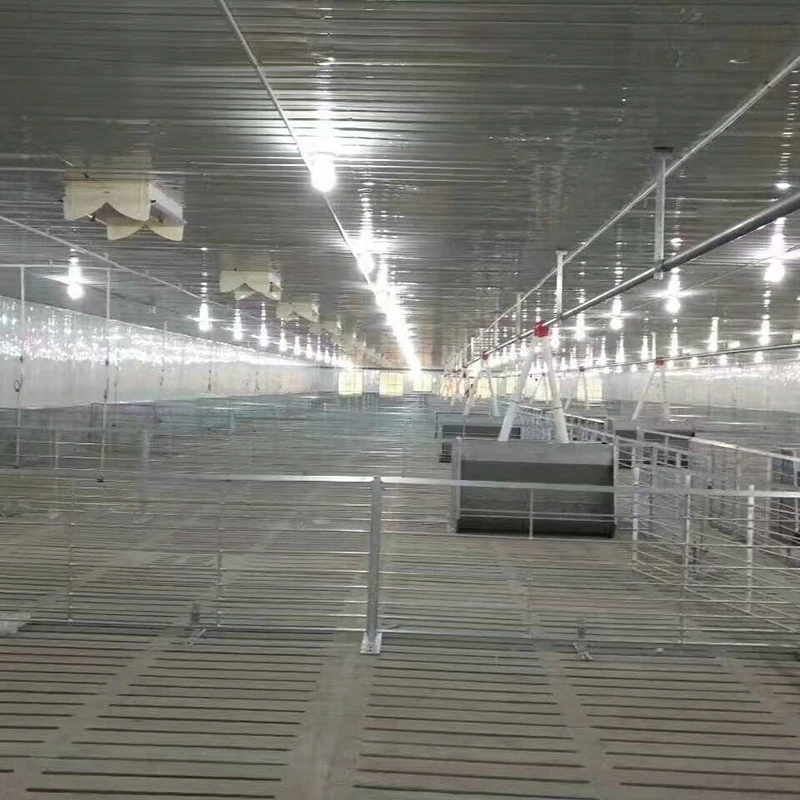
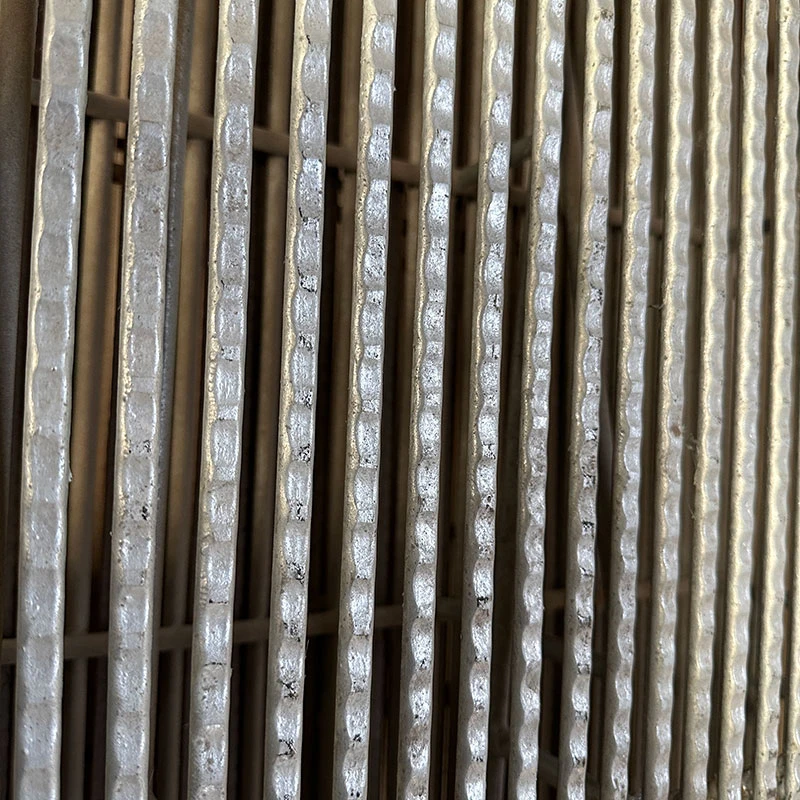
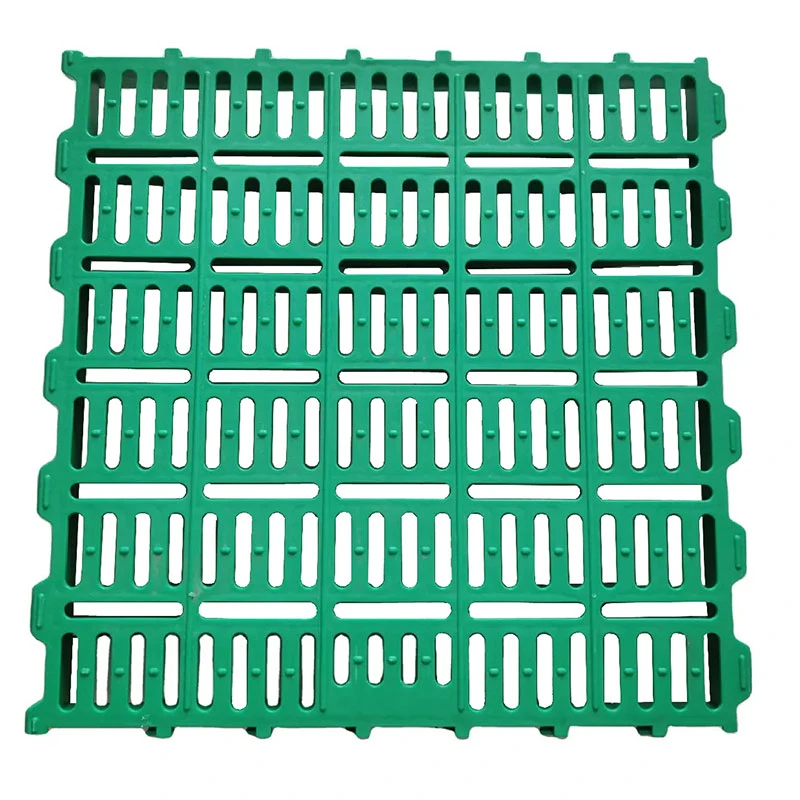
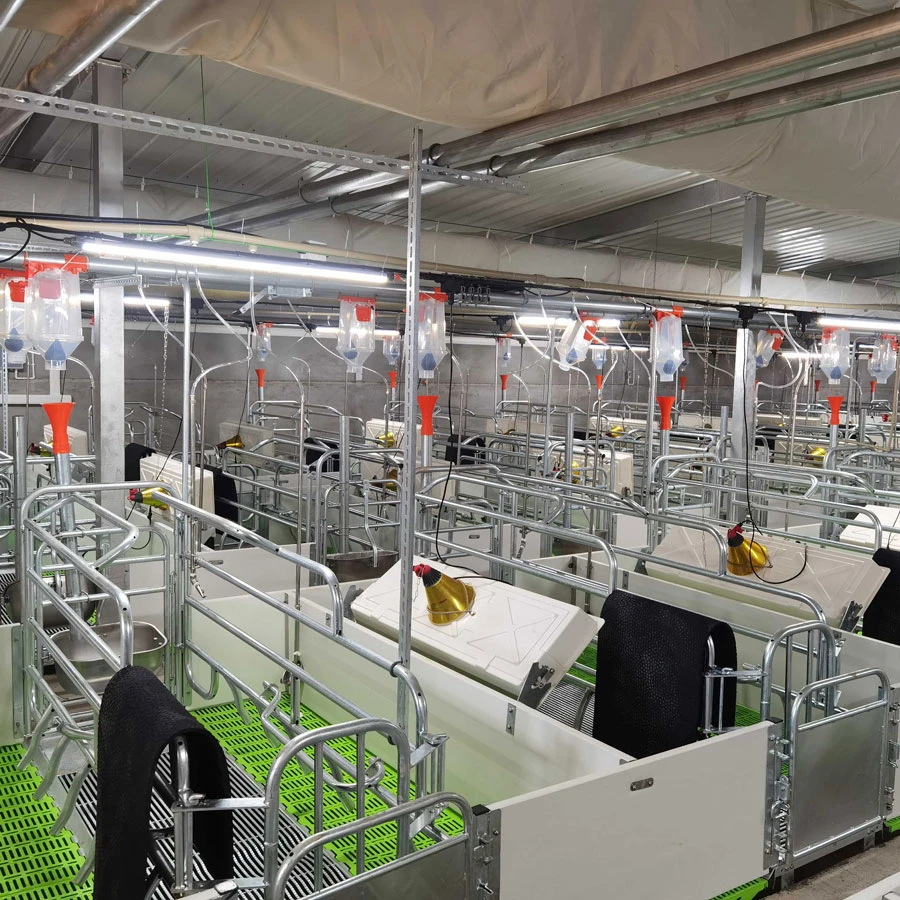
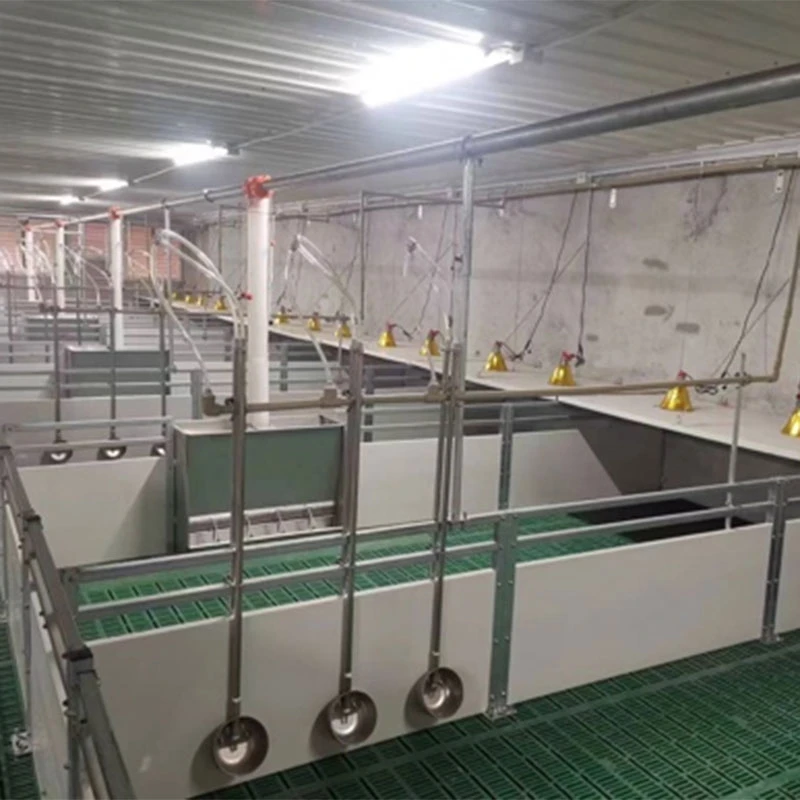
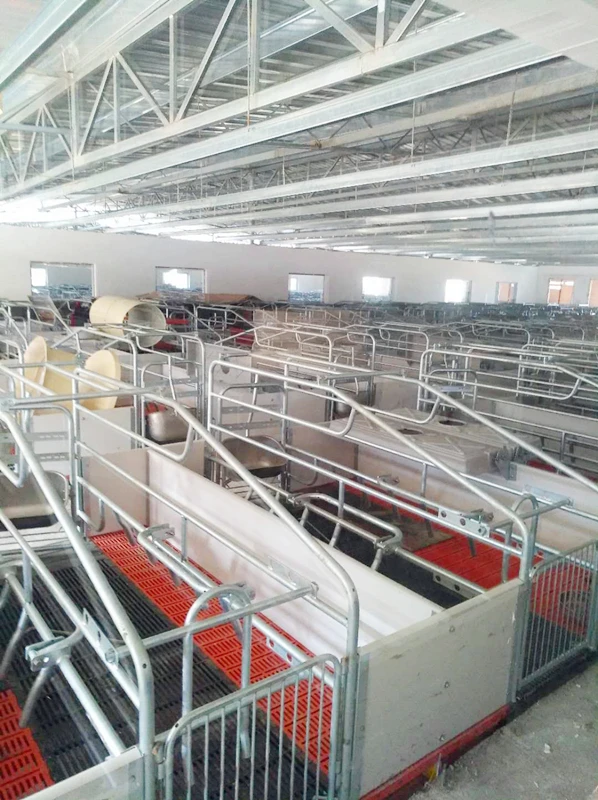
Good flooring reduces standing moisture. Slatted floors or specialized grooved surfaces allow waste to fall through, keeping pigs drier and healthier. Efficient manure removal systems rely heavily on the floor design.
3. Comfort and Safety
Surprisingly, hard floors can cause hoof problems if overly abrasive. Many floors incorporate rubber mats or textured surfaces to prevent slipping and encourage natural movement.
4. Cost Efficiency
While fancy options exist, farmers often balance upfront costs with long-term maintenance. Concrete is cheap and durable but harder on animals; rubberized floors cost more but improve welfare and recovery times.
5. Environmental Sustainability
Flooring materials increasingly incorporate recycled content or are designed to cut water use and waste. This aligns with ISO standards for sustainable livestock farming (ISO 13065).
Mini takeaway: Selecting the right pig pen flooring is a balancing act involving strength, hygiene, animal comfort, cost, and eco-friendliness.
Real World: Pig Pen Flooring Applications from Farms to Relief Efforts
From the family farms of Denmark to industrial pig factories in the American Midwest, the right flooring practically writes the farm’s daily story. States like Iowa and regions in Spain use slatted floors extensively for high-throughput barns. Meanwhile, smallholders in Southeast Asia often mix dirt floors with cement patches to improve drainage.
Oddly enough, pig pen flooring even finds roles beyond farm life. For example, in post-disaster areas where pig farming supports recovery economies, quick-install modular flooring systems help re-establish livestock housing rapidly, enhancing food security. NGOs and international aid bodies eye these innovations for resilience-building in vulnerable communities.
Mini takeaway: Pig pen flooring is as much an agricultural challenge as a humanitarian opportunity — its impact resonates across sectors and continents.
Advantages of Quality Pig Pen Flooring: Why Invest?
- Longevity: Durable floors mean fewer repairs, reducing operational downtime.
- Health: Reduced infections and better comfort lower veterinary costs.
- Sustainability: Effective waste management reduces pollution risks.
- Animal Welfare: Safer, more comfortable floors boost growth performance and reduce stress.
- Economic Impact: Improved feed conversion rates and meat quality translate to better profits.
Emotionally, good flooring means farmers sleep better knowing their animals are safe and well-cared for. It’s also about dignity — of an animal that’ll one day feed families, and a farmer proud of their practice.
Product Specification Table: Common Pig Pen Flooring Types
| Type | Material | Drainage | Durability | Animal Comfort | Cost |
|---|---|---|---|---|---|
| Slatted Concrete | Reinforced Concrete | Excellent | High | Low-Moderate | Low |
| Rubber Mats | Recycled Rubber | Moderate | Moderate | High | Moderate-High |
| Plastic Slats | Polypropylene/HDPE | Good | Moderate | Moderate | Moderate |
| Dirt with Bedding | Natural Soil + Straw | Poor | Low | High | Low |
How Vendors Stack Up: Comparing Leading Pig Pen Flooring Providers
| Vendor | Product Range | Custom Solutions | Sustainability Initiatives | Global Reach |
|---|---|---|---|---|
| SwineFloors Inc. | Concrete & Plastic Slats | Yes | Recycled Material Usage | North America, Europe |
| EcoFloor Solutions | Rubber & Composite Mats | Custom Sizes & Textures | 100% Recycled Rubber | Global (incl. Asia, Americas) |
| ModuPig | Modular Plastic Panels | Yes, Modular Assembly | Lower Water Usage Design | Europe, Africa |
| FarmBase Systems | Concrete & Dirt Mix Floors | Partial Customization | Local Material Sourcing | Developing Countries Focus |
Emerging Trends & Innovations In Pig Pen Flooring
The industry is quietly evolving — new composite materials that blend recycled plastics with natural fibers promise floors that last longer and reduce microplastic runoff. Digital floor sensors embedded for moisture and temperature monitoring are becoming a reality, improving sanitation and predictive maintenance.
More farms are considering green energy solutions powering automated scrapers or waste digesters integrated with flooring systems, nudging livestock farming towards circular economy principles. Frankly, it feels like pig pen floors will soon be “smart,” sensing pig activity and helping boost welfare in ways we barely glimpse yet.
Common Challenges and Practical Solutions
Despite advances, some issues persist. For example, initial costs for high-end rubber or modular floors can deter adoption, especially in low-income contexts. Also, improper installation can lead to cracking or drainage issues.
However, combining local materials with modern design principles, phased installation plans, and farmer training can overcome these hurdles. Many engineers recommend pairing pig pen flooring investments with manure management technologies to maximize gains.
FAQ: Your Top Questions About Pig Pen Flooring
Q1: What type of flooring is best for small pig farms?
A: For small farms, slatted concrete or dirt floors with adequate bedding often suffice. They’re cost-effective and maintain reasonable hygiene if managed well. However, incorporating rubber mats can boost comfort and reduce injuries.
Q2: How does pig pen flooring impact disease control?
A: Flooring that facilitates drainage and is easy to clean reduces pathogen buildup. Slatted floors prevent manure accumulation, decreasing risks of foot rot and respiratory issues common in pigs housed on wet surfaces.
Q3: Are modular pig pen flooring systems suitable for remote locations?
A: Yes, modular floors are ideal for quick installation in remote or disaster-affected areas. They often are lightweight, easy to dismantle, and require minimal specialized tools—great for emergency livestock rehousing.
Q4: Can pig pen flooring be customized to regional climates?
A: Absolutely. Vendors can tailor materials and designs to handle extreme heat, cold, or wet conditions, ensuring durability and animal comfort regardless of geography.
Q5: What maintenance does pig pen flooring require?
A: Regular cleaning to remove feces and urine is essential, especially for concrete and slatted floors. Rubber floors may need periodic checks for wear. Proper drainage systems and scheduled hygienic routines keep floors in optimal condition.
In Conclusion: Investing in Pig Pen Flooring Is a Win-Win
It’s easy to overlook the ground beneath pig feet, but the value of well-engineered pig pen flooring resonates far beyond a farm gate. It’s about nurturing healthier pigs, achieving cleaner operations, and respecting animal welfare while improving economic return.
If you’re considering an upgrade, or are simply curious, have a look at our offerings on pig pen flooring. The right flooring might just change the way you think about pig farming altogether.
References
Post time: Dec . 02, 2025