Understanding Plastic Calf Slats: Why They Matter in Modern Livestock Management
If you’re in the livestock business, or just curious about how modern farming keeps animals safe and clean, plastic calf slats might be a term you’ve bumped into. They’re those specialized floor systems designed for young cattle housing—floating somewhere between engineering and animal welfare. But why should anyone outside agriculture care? Well, for starters, proper calf flooring impacts animal health, farm sustainability, and even global food security.
Globally, with milk and beef demand rising—and more pressure on farms to cut disease and lower environmental footprints—using efficient materials like plastic calf slats has become a game-changer. They improve hygiene, reduce water use, and help farmers comply with stricter regulations that organizations like the ISO and the UN Food and Agriculture Organization emphasize. Honestly, understanding these slats' role can feel like peering into a small but crucial part of a much bigger sustainable farming puzzle.
The Global Context: Why Plastic Calf Slats Are Gaining Attention
World Bank data estimates that livestock farming contributes nearly 40% of global agricultural GDP, with calves representing the future stock stands of this sector. The challenge? Calves are vulnerable—susceptible to diseases spread through poor sanitation. Traditional concrete slats, while durable, often trap moisture and bacteria.
Plastic calf slats respond to these issues. Modern farms in Europe, North America, and increasingly, developing countries in Asia and South America are adopting plastic slats to improve calf comfort and hygiene. This shift highlights a broader trend: the agricultural industry embracing innovative, sustainable materials to meet increased production demands while confronting environmental sustainability.
The need is urgent: the UN’s Sustainable Development Goals underline responsible consumption and production patterns (Goal 12) and zero hunger (Goal 2). Efficient calf housing solutions—like plastic calf slats—align perfectly here, balancing animal welfare with resource optimization.
What Exactly Are Plastic Calf Slats?
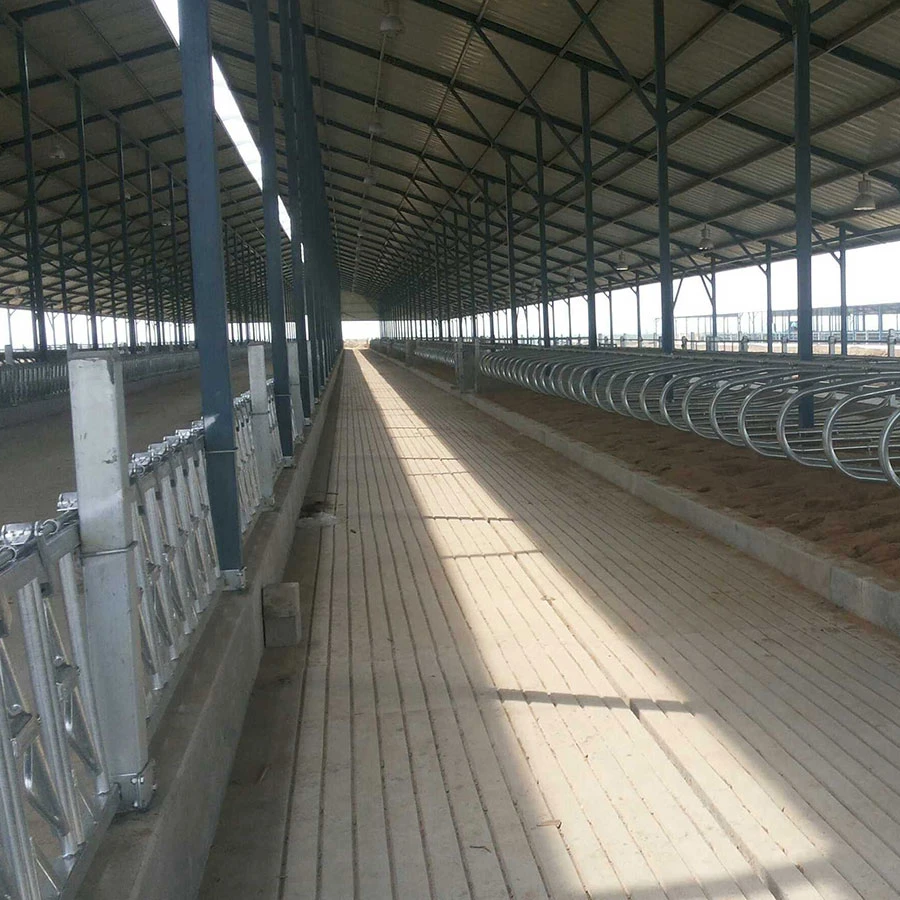
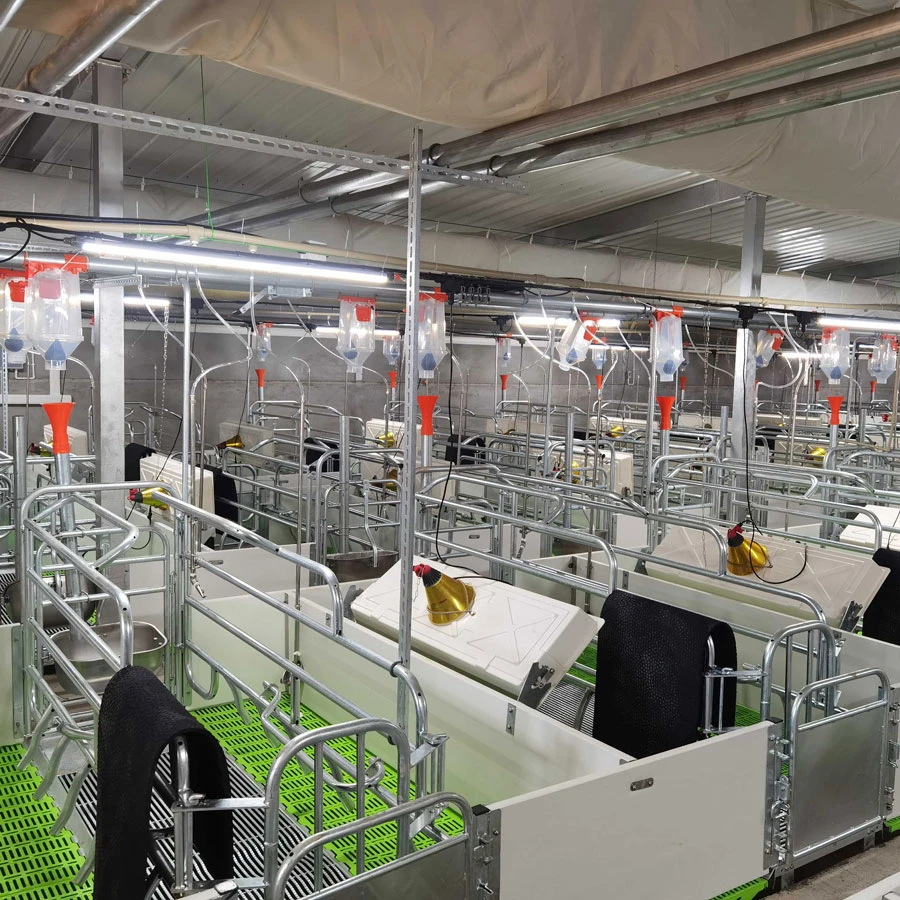
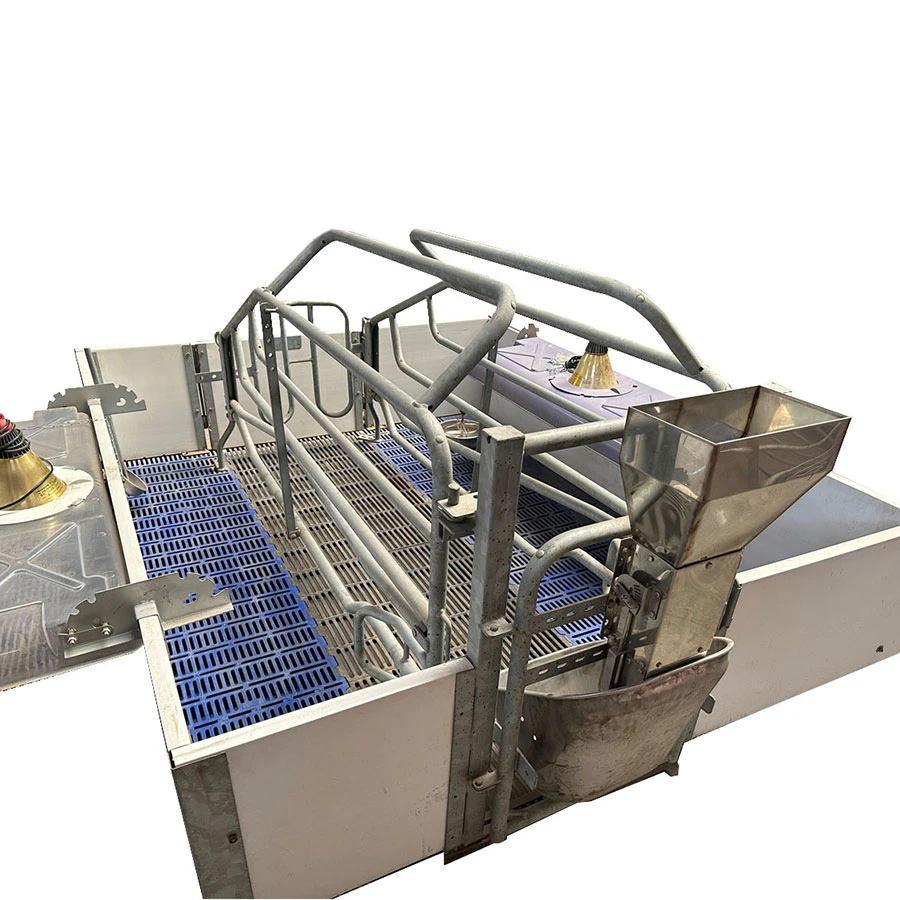
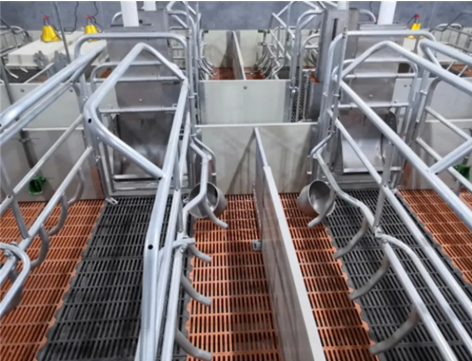
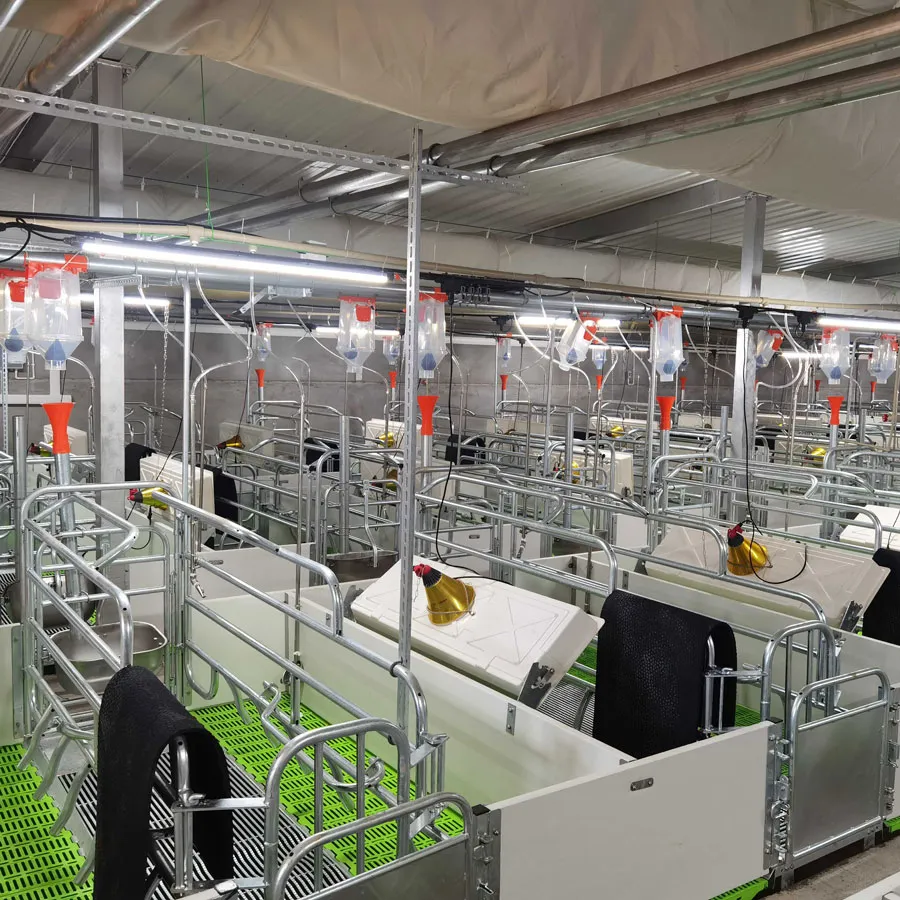
At its core, plastic calf slats are specially designed flooring panels made from durable, high-density plastic materials. They serve as the base for calf pens, replacing older concrete or wooden flooring options. Their design features carefully spaced slats to allow waste to fall through while keeping calves comfortable and stable on top.
These aren’t just plastic sheets thrown on a cattle pen floor. They’re engineered with consideration for animal hoof health, slip resistance, and easy cleaning. In humanitarian terms, you might compare them to hygienic temporary flooring solutions used in field clinics—designed to balance durability and comfort.
In the farming industry, plastic calf slats minimize disease transmission, reduce labor needed for cleaning, and improve overall calf survival rates. They are a small but crucial component in the big machinery of food production sustainability.
Key Features of Plastic Calf Slats
Durability and Longevity
Unlike concrete, these plastic slats resist cracking and degradation caused by moisture and ammonia exposure. Many manufacturers boast lifespans exceeding 10 years under typical farm conditions, cutting replacement costs and downtime.
Hygiene and Sanitation
The smooth surface of plastic slats doesn’t absorb liquids, so urine and manure don’t linger. This reduces bacterial load and respiratory diseases among calves—a common killer in those first few weeks of life.
Ease of Installation and Maintenance
Farmers often mention how plastic slats snap together without heavy tools. Cleaning is simpler, with less scrubbing and lower water volume needed, saving time and operational costs.
Animal Comfort & Safety
Textured surfaces provide grip preventing slips, while the flexibility slightly cushions steps, promoting healthy development and lowering injuries—both physical and stress-induced.
Cost Efficiency Over Time
Initial costs can be higher than cheap wood or concrete, but the improved health outcomes and lower labor add up. Plus, plastic is recyclable, adding a sustainability edge.
Product Specifications Snapshot
| Feature | Typical Value | Notes |
|---|---|---|
| Material | High-Density Polyethylene (HDPE) | UV stabilized, food grade |
| Dimensions | 600mm x 1200mm x 40mm | Standard panel size |
| Weight | ~7 kg per panel | Light enough for easy handling |
| Load Capacity | Up to 1200 kg/sqm | Suitable for calves and growing stock |
| Installation | Click-together flange system | No heavy machinery needed |
How Plastic Calf Slats Are Used Worldwide
From the vast dairy farms in the Netherlands to smallholder operations in Kenya, plastic calf slats are making waves. In Europe, where animal welfare laws are particularly strict, these slats help farms maintain health standards that meet and often exceed regulatory requirements. Over in Australia, large feedlots utilize plastic slats to speed up cleaning cycles, reducing labor costs during peak workload periods.
Interestingly, even in post-disaster relief operations involving livestock rehabilitation, plastic flooring panels are deployed because they’re lightweight and dry quickly, thus preventing disease outbreaks amid chaos. Plastic calf slats also feature in remote regions where water scarcity makes cleaning concrete floors difficult. Their ease of maintenance means fewer resources are needed overall.
Comparing Leading Plastic Calf Slat Manufacturers
| Manufacturer | Material Quality | Installation Ease | Price Range | Warranty |
|---|---|---|---|---|
| FarmPlast Inc. | HDPE, UV stabilized | Modular, snap-lock design | $$$ | 10 years |
| AgroSlat Solutions | Recycled HDPE blend | Tool-free locking system | $$ | 7 years |
| CalfComfort Ltd. | Food-grade HDPE | Interlocking with anti-slip textures | $$$ | 8 years |
Advantages and Enduring Value of Plastic Calf Slats
You can talk about cost savings and sustainability until you’re blue in the face, but it always comes down to the calves themselves. Plastic calf slats promote cleaner, safer living conditions, which means fewer infections, improved growth rates, and reduced mortality. There’s an emotional dimension here too—farmers take pride in healthy calves, and these slats help create environments that respect animal dignity.
Environmentally, shifting from concrete to plastic slats reduces water and chemical use for cleaning—a small rippling effect on sustainability. You could call it a farming win-win: better animal welfare alongside more efficient resource use. Over time, these operational savings justify initial investment, making it a practical choice not just ethically, but financially.
The Road Ahead: Future of Plastic Calf Slats
Looking forward, advances like biodegradable composites or enhanced UV resistance promise to make plastic calf slats even greener and tougher. Digital farming tools will also connect flooring systems with sensors to monitor calf health in real time—imagine a floor that alerts you if moisture levels rise or if a calf is limping. Automation in cleaning and installation processes may become more common, reducing manual labor and increasing precision.
Policy trends toward greater sustainability certification could drive further adoption. Farms that embrace these innovations today might soon qualify for premium market access or grants focused on animal welfare and environmental stewardship.
Addressing Current Challenges
Plastic calf slats aren’t flawless. Some farms struggle with upfront costs, and improper installation can cause injury risks. Also, plastic production carries an environmental cost if materials aren’t responsibly sourced or recycled.
Experts recommend proper training, partnering with reliable vendors, and considering lifecycle assessments before purchasing. Use of recycled materials and take-back programs can mitigate environmental downsides. On the ground, simple measures like regular inspections ensure everything stays safe and efficient.
Frequently Asked Questions About Plastic Calf Slats
Q: How do plastic calf slats improve calf health compared to traditional flooring?
A: Plastic slats offer better drainage and reduce moisture buildup, decreasing bacterial growth and respiratory diseases, common problems with concrete floors. Their non-porous surface also simplifies cleaning and disinfecting.
Q: Can plastic calf slats be installed on uneven flooring?
A: Slight unevenness is manageable thanks to their flexible design, but major floor irregularities should be corrected beforehand to avoid gaps or discomfort. Many vendors provide modular systems to accommodate minor variations.
Q: Are plastic calf slats suitable for all climates?
A: Yes, they are UV stabilized to endure sun exposure, and resistant to freezing conditions. In cold climates, their slightly insulated nature can keep floors drier, benefiting calves.
Q: What’s the typical lifespan of plastic calf slats?
A: Under normal farm conditions, most plastic slats last between 7 to 10 years. Proper installation and maintenance extend durability significantly.
Q: How environmentally friendly are plastic calf slats?
A: While made of plastic, many are produced from recyclable HDPE and some brands offer products with recycled content. Longer lifespan and lower cleaning resource needs offset the environmental footprint compared to concrete alternatives.
Wrapping Up: Why Plastic Calf Slats Are Worth Considering
It’s easy to overlook something as simple as flooring, but plastic calf slats demonstrate how thoughtful innovation can ripple across entire systems—better calf health, saved resources, and happier farmers. In real terms, they’re small investments with big impacts. For anyone interested in modern, sustainable livestock management, they’re definitely worth a look.
Curious? Explore more practical details at plastic calf slats. Your calves will thank you, one stable step at a time.
1. UN Food and Agriculture Organization, “Sustainable livestock development,” fao.org
2. World Bank, “Agricultural value added (% of GDP),” data.worldbank.org
3. ISO, “Standards for animal welfare,” iso.org
Post time: Dec . 02, 2025