Plastic Flooring for Pigs: Revolutionizing Modern Livestock Farming
In recent years, the humble piece of plastic flooring has quietly transformed pig farming worldwide. It might not seem glamorous, but plastic flooring for pigs is a key innovation that addresses animal welfare, farm hygiene, and operational efficiency on a global scale. From mega-farms in Europe to family-run operations in Asia, understanding the ins and outs of this flooring solution is crucial for anyone invested in sustainable, humane, and cost-effective livestock raising.
Why Does Plastic Flooring for Pigs Matter Globally?
Livestock farming contributes more than 40% of global agricultural output according to the UN Food and Agriculture Organization⁽¹⁾. Pigs alone account for a substantial share of this. However, traditional flooring—mud, concrete, or wooden slats—presents hygiene issues, animal health risks, and environmental strains. Plastic flooring offers a durable, sanitary alternative, improving both productivity and wellbeing. Interestingly, the World Bank reports that investment in infrastructure upgrades, including flooring, can increase farm profitability by up to 20%⁽²⁾.
Frankly, with the constant pressure to increase food security while reducing environmental impact, innovations like plastic flooring can't be overlooked.
What Exactly Is Plastic Flooring for Pigs?
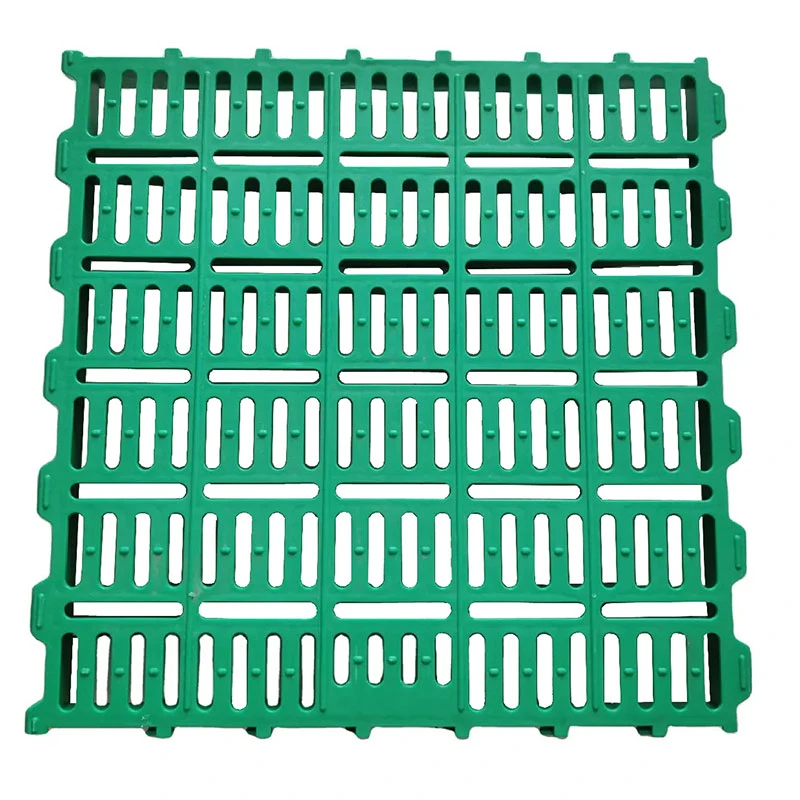
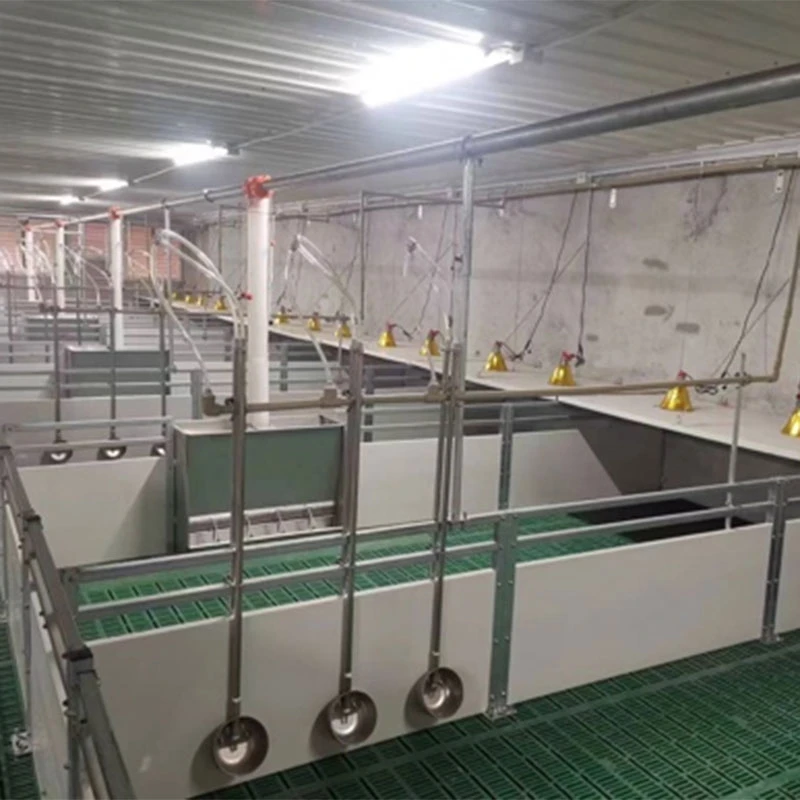
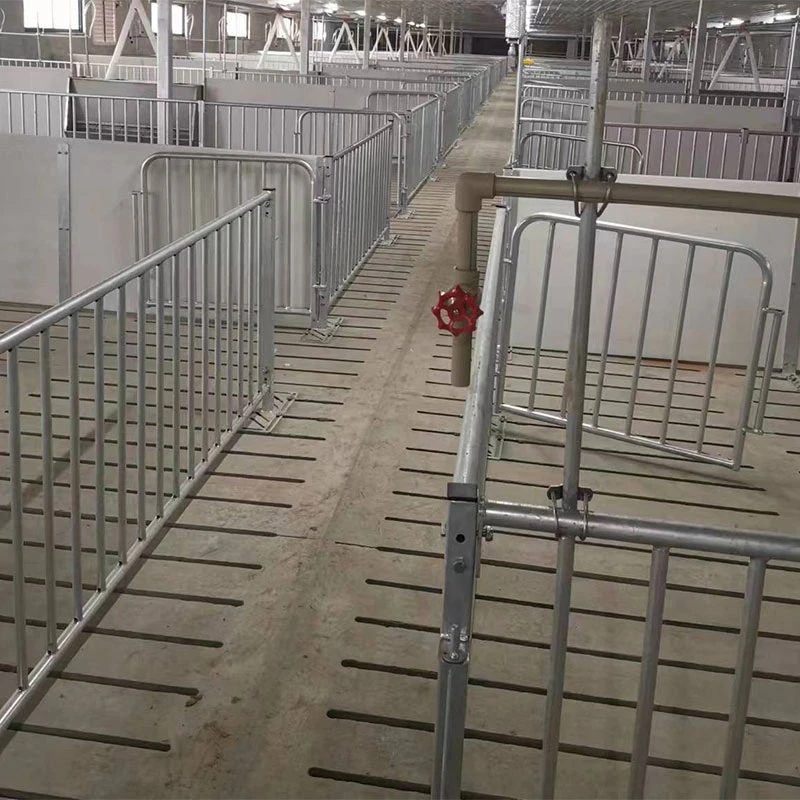
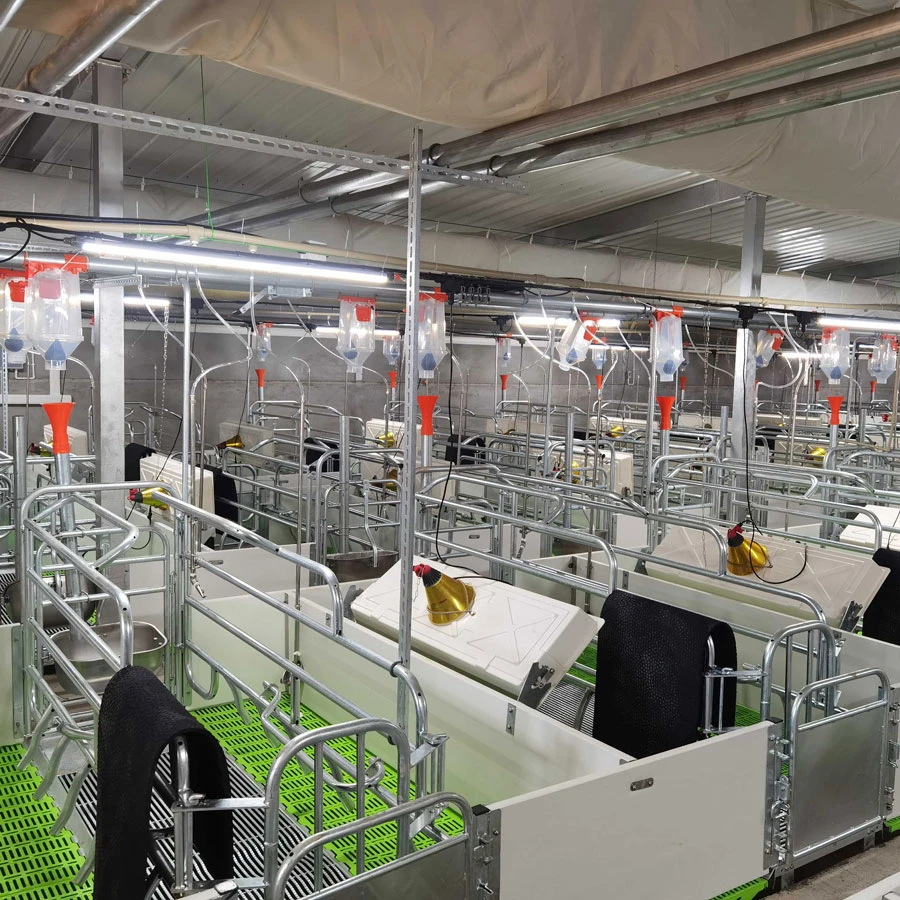
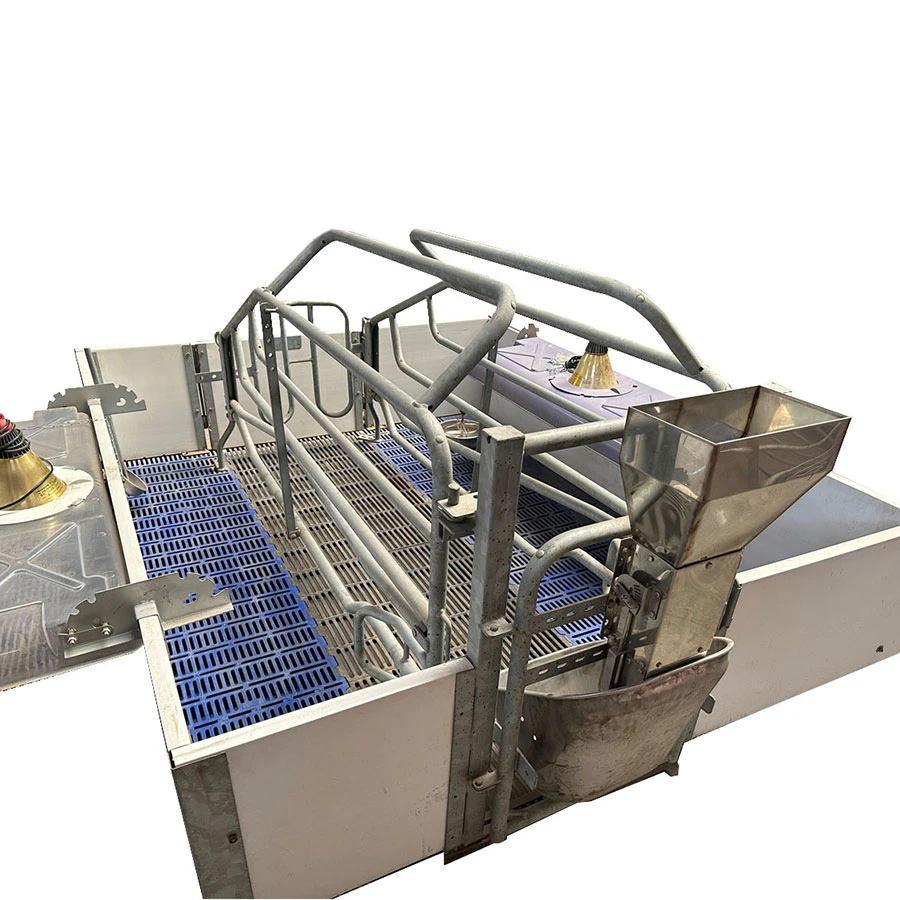
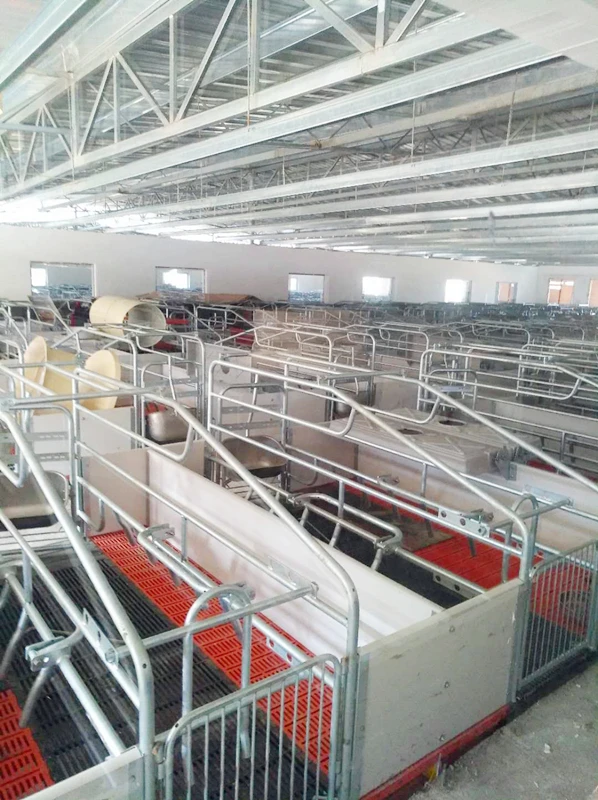
Simply put, plastic flooring for pigs is a modular, slatted floor system made from high-density polyethylene (HDPE) or similar plastics designed specifically for pig pens. It replaces traditional concrete or wooden floors with a lightweight, easy-to-clean surface that promotes drainage and reduces injury. This connection to modern livestock management techniques is vital, as it aligns with evolving standards around animal welfare and biosecurity.
Key Factors Behind Effective Plastic Flooring for Pigs
Durability & Strength
There’s nothing worse than a cracked floor underfoot—in any situation, really. Plastic flooring designed for pig pens has to withstand constant wear from the animals, heavy equipment, and chemical disinfectants. Many products exceed ISO 9001 standards for quality and tensile strength, meaning they last multiple years even in intensive farming environments.
Hygiene & Drainage
Plastic slats are engineered with perforations to promote excellent drainage, quickly clearing away waste and reducing ammonia buildup. This means healthier lungs for pigs and less labor in cleaning. Many farmers note a significant drop in disease outbreaks when switching to this flooring type.
Animal Comfort & Welfare
Soft, non-abrasive surfaces minimize hoof injuries and reduce stress behaviors, leading to better growth rates. A pig’s comfort isn’t often front-page news, but it’s fundamental to ethical farming and productivity.
Cost Efficiency Over Time
Although initial costs might seem steep compared to concrete, plastic floors reduce maintenance, lower veterinary expenses, and save labor hours. The overall Return on Investment (ROI) is often favorable within 2-3 years of installation.
Scalability & Adaptability
Modular plastic flooring can be customized to various pen sizes and farm layouts, making it suitable for smallholders and industrial pig farms alike. This flexibility is essential given the diverse scales at which pig farming operates worldwide.
Global Applications and Real-World Use Cases
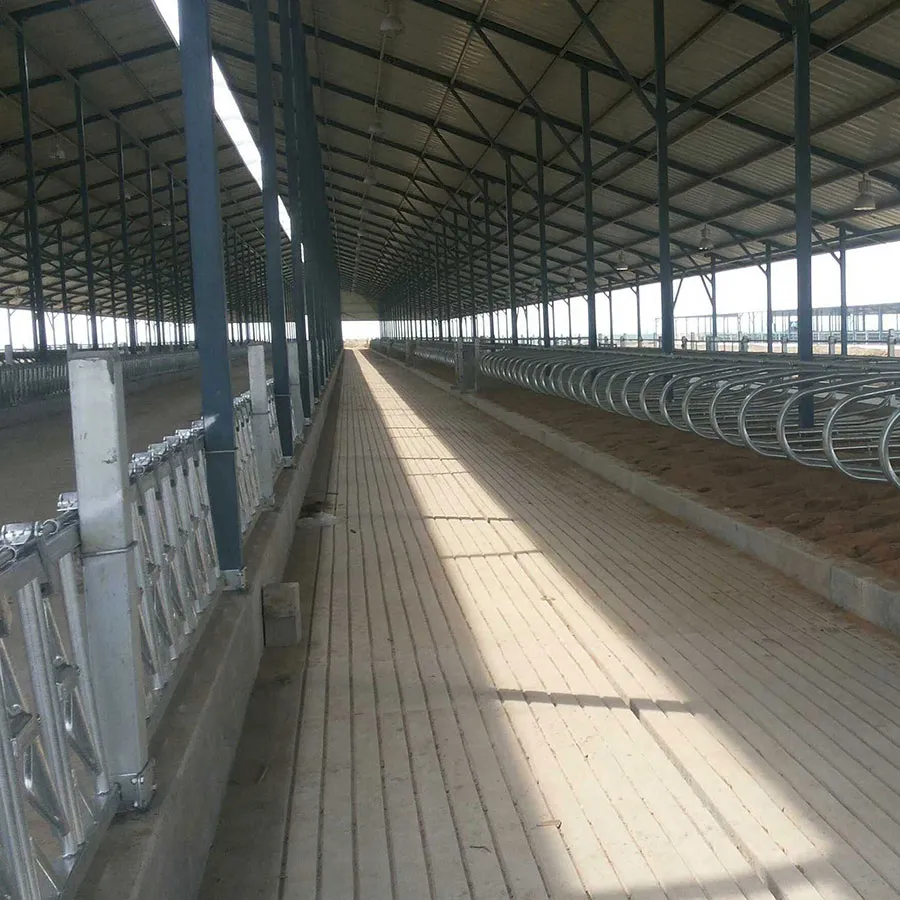
Regions like Denmark, the Netherlands, and Canada have widely adopted plastic slatted flooring, integrating it into highly mechanized pig farms. These countries often set the benchmark for animal welfare and farm efficiency. Meanwhile, in parts of Asia, such as China and Vietnam, plastic flooring is becoming indispensable in transitioning small and medium farms toward safer, more scalable models.
Oddly enough, relief organizations distributing shelter infrastructures in post-disaster zones have experimented with plastic flooring concepts adapted for livestock to quickly restore food production chains. Similarly, remote industrial zones in Australia and South America use it for environmental compliance and livestock health under challenging conditions.
Specification Table: Typical Plastic Flooring for Pigs
| Feature | Specification |
|---|---|
| Material | High-density polyethylene (HDPE) |
| Load Capacity | Up to 3,000 kg/m² |
| Slat Width | 50 mm (variable) |
| Perforation Ratio | 30-40% for optimal drainage |
| UV Stabilization | Yes, prevents degradation |
| Lifespan | 8-12 years under normal use |
Comparing Leading Vendors of Plastic Flooring for Pigs
| Vendor | Material Quality | Customization | Price Range | Warranty |
|---|---|---|---|---|
| PigFloors Pro | Premium HDPE | Custom slat sizes & colors | $$$ | 10 years |
| FarmTech Slats | Industrial-grade recycled plastic | Limited options | $$ | 7 years |
| AgriSlat Solutions | HDPE mixed with additives for UV | Wide range of modules | $$$ | 8 years |
Why Are Plastic Floors Such an Asset? The Advantages & Long-Term Value
Beyond durability and comfort, these floors contribute to sustainability by reducing water use during cleaning and minimizing chemical runoff. Social impact is less talked about but just as crucial: better livestock conditions foster trust among consumers increasingly demanding ethical farming, while reducing animal injuries supports farmer pride and safety. And with automation on the rise, integrating plastic floors capable of working seamlessly with robotic cleaners and feeders is a game-changer.
What’s Next? Future Trends in Plastic Flooring for Pigs
Roughly speaking, next-gen floors will incorporate biodegradable plastics and smart sensors monitoring animal movement and waste levels. This digital transformation promises to optimize husbandry practices on a scale previously unimaginable. Plus, evolving regulations pushing sustainability mean manufacturers are racing to increase recyclability and reduce production footprints. It feels like the next decade will be a defining era for livestock flooring tech.
Common Challenges and How to Navigate Them
One sticking point is the upfront cost that might deter smaller farms, especially in developing countries. However, financing options and cooperative purchasing schemes help bridge that gap. Another challenge is ensuring proper installation; poorly fitted floors can cause discomfort or damage. That’s why working with experienced vendors and adhering to recommended maintenance protocols is essential. Oddly enough, some farmers still hesitate due to habit or misinformation—education is half the battle.
FAQs About Plastic Flooring for Pigs
- Q: How does plastic flooring compare to concrete in terms of animal health?
- A: Plastic flooring tends to be gentler on pig feet, reducing hoof damage and improving hygiene by facilitating better waste drainage, lowering disease risk compared to hard, porous concrete.
- Q: Can plastic floors be repaired if damaged?
- A: Yes, most plastic flooring systems have modular panels that can be replaced individually without extensive downtime, making repairs straightforward and cost-effective.
- Q: Are plastic floors suitable for all pig age groups?
- A: Generally, yes. Designs can be optimized for piglets, growers, or finishing pigs, each requiring different slat widths and load capacities for comfort and safety.
- Q: How do I maintain plastic flooring to maximize lifespan?
- A: Routine cleaning with pressure washing, avoiding sharp tools, and inspecting for damage regularly keeps plastic flooring in top shape for up to a decade or more.
- Q: Is installing plastic flooring complicated?
- A: Usually not – modular designs allow for rapid installation by trained workers or contractors. Proper planning ensures smooth integration into existing barn layouts.
Wrapping Up: The Long-Term Benefits and Next Steps
Plastic flooring for pigs represents a subtle but significant leap forward in livestock management, marrying practical benefits with ethical considerations and future readiness. Switching to these floors means investing in cleaner, safer, and more productive animal husbandry. If you’re interested in learning more or taking the plunge, plastic flooring for pigs is a fantastic place to start exploring options tailored to your needs.
To sum up, it’s about smarter materials, healthier animals, and a more sustainable future for farming—and honestly, that sounds pretty good, doesn’t it?
References
- UN FAO: Livestock’s Long Shadow, 2013. https://www.fao.org/3/a0701e/a0701e00.htm
- World Bank Report on Agricultural Infrastructure, 2020. https://documents.worldbank.org/en/publication/documents-reports/documentdetail/295821467986032135/agriculture-infrastructure-and-sustainable-food-systems
- ISO 9001 Quality Management Standards, 2022. https://www.iso.org/iso-9001-quality-management.html
Post time: Dec . 02, 2025