Plastic Hog Flooring: What It Is and Why It’s Gaining Global Attention
At first glance, plastic hog flooring might sound like a niche technical term reserved solely for livestock farmers, but it’s actually an important innovation impacting animal welfare, sustainable farming, and even — believe it or not — global food security. This specialized flooring addresses some stubborn challenges in pig farming worldwide by improving cleanliness, comfort, and durability. And those benefits ripple outward, affecting everything from production costs to environmental impact. So if you’re someone interested in modern farming methods, agricultural supply chains, or even sustainable materials technology, understanding plastic hog flooring is surprisingly relevant.
Why Plastic Hog Flooring Matters Globally
Pigs are one of the most widely farmed animals on the planet, with global pork production hitting about 110 million metric tons in 2022 according to the Food and Agriculture Organization (FAO). That’s more than a third of total meat production worldwide. But pig farming carries challenges: poor sanitation, hoof injuries, and disease transmission can hit both animal welfare and yields. This is where plastic hog flooring comes in as a practical solution.
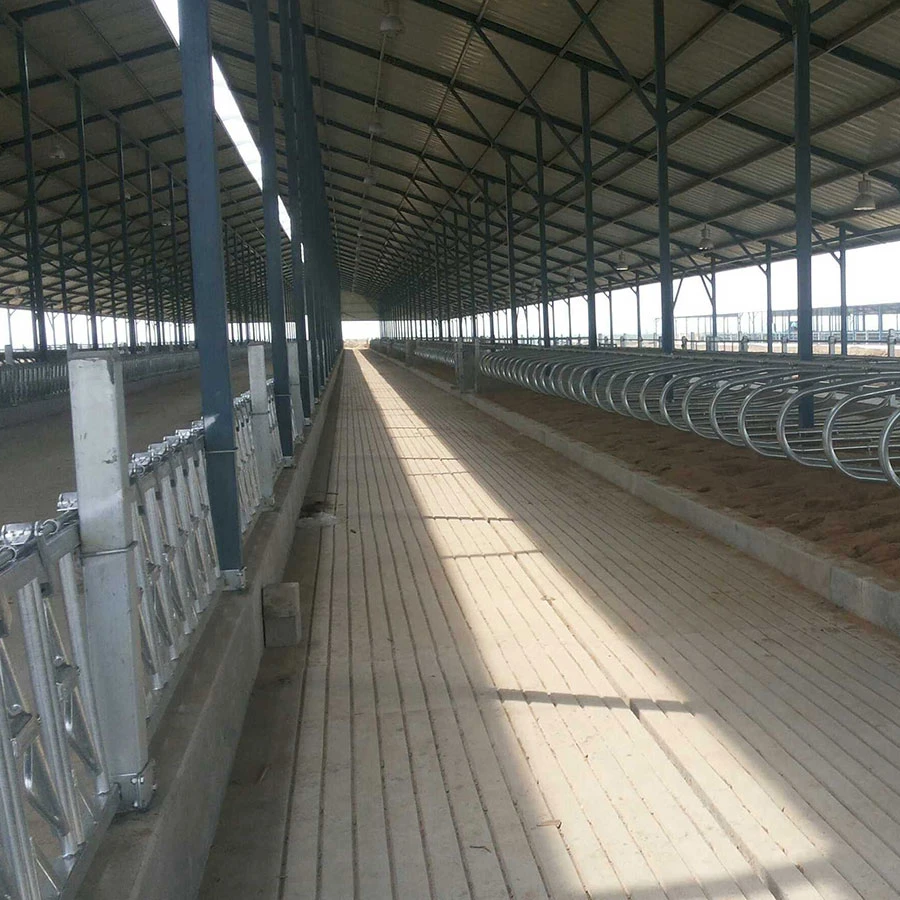
Traditional flooring options like concrete slats have their drawbacks — they can be harsh on pig’s feet, trap waste, or break down over time. Plastic hog flooring, on the other hand, offers a more hygienic, resilient, and animal-friendly surface. According to ISO 9001 standards, innovations like this, especially when they enhance animal welfare, can also improve product consistency, which is critical for export markets and meeting international animal welfare guidelines.
Mini takeaway:
Plastic hog flooring plays a key role in enhancing pig farming sustainability, a must for a growing global population demanding ethical meat production.
Defining Plastic Hog Flooring in Simple Terms
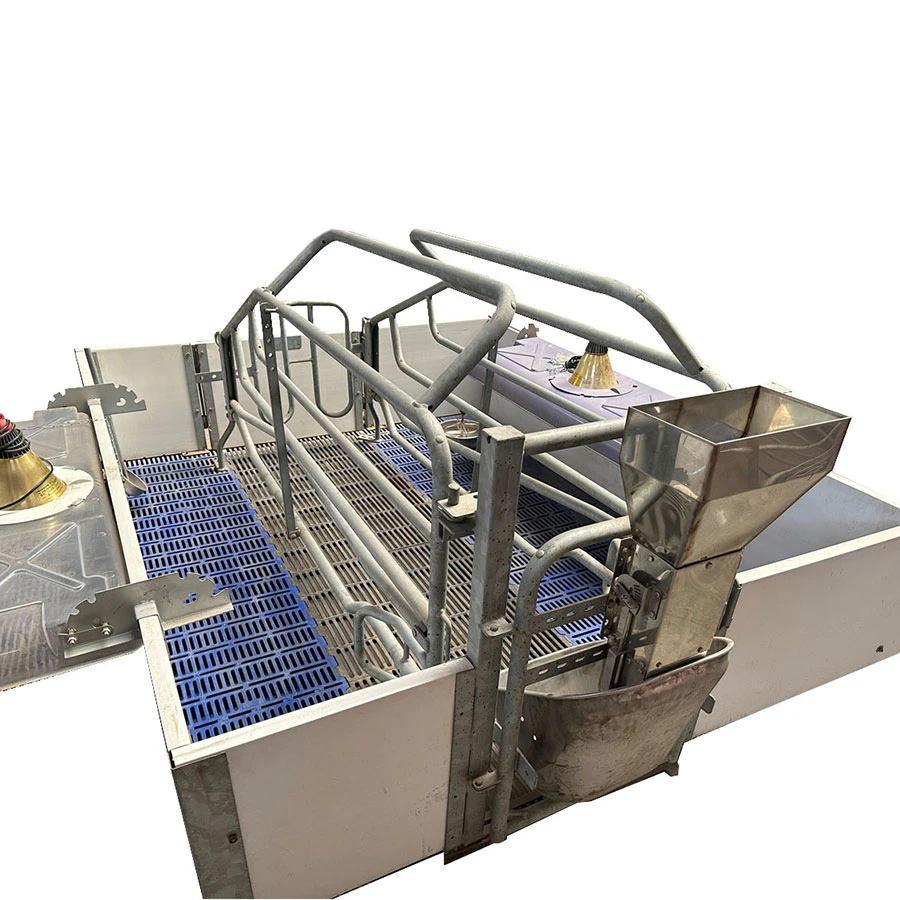
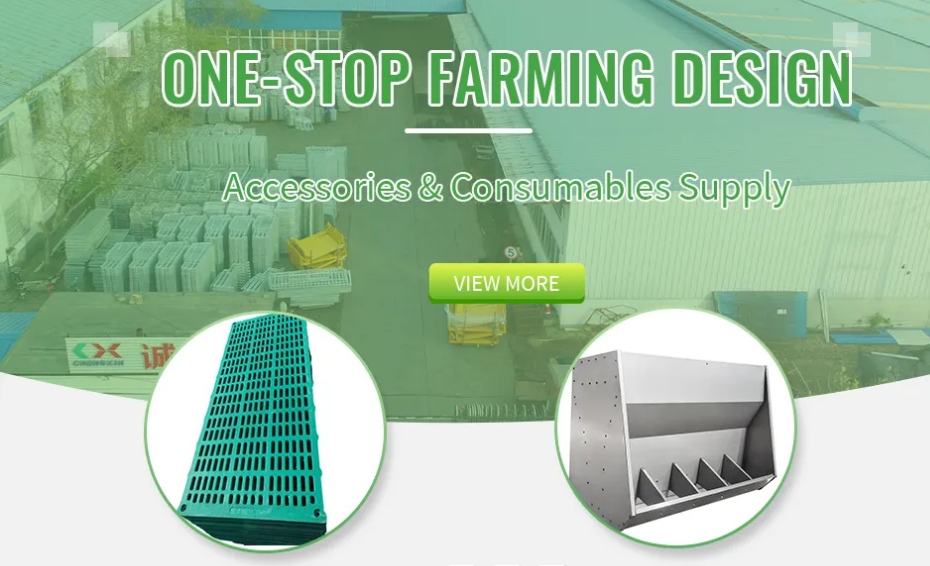
So what exactly is plastic hog flooring? At its core, it’s a system of interlocking or modular panels made from durable plastic materials designed to replace or cover traditional farm floors in hog barns. These panels are designed with drainage holes or slats, allowing manure to pass through and minimize contact with waste. The plastic ensures a non-slip, cushioned surface that reduces foot and leg injuries in pigs. Plus, it resists corrosion unlike concrete or metal alternatives.
This kind of flooring is part of wider trends in agricultural tech, emphasizing animal welfare, sustainability, and operational efficiency. It’s connected not just to farming but also to humanitarian efforts where rapid deployment of livestock shelters — including proper flooring — can be vital, especially after natural disasters or in remote zones.
Mini takeaway:
- Plastic hog flooring equals modular plastic panels designed for pig comfort, hygiene, and durability.
- Its design reduces injury risk and improves cleaning compared to traditional floors.
- It fits into modern trends of sustainable livestock farming and logistical efficiency.
Key Features of Plastic Hog Flooring and Their Practical Benefits
1. Durability & Corrosion Resistance
Many engineers I’ve talked to say plastic floors last longer than concrete, resisting moisture, acids from manure, and wear. This keeps barns safer and reduces replacement costs.
2. Hygiene & Ease of Cleaning
The drainage design ensures waste drops away quickly, minimizing bacterial buildup. Cleaning routines become faster — an obvious boost to biosecurity on farms.
3. Animal Welfare & Comfort
Pigs stand and walk more comfortably thanks to the slightly cushioned yet firm surface. Better footing reduces stress and injuries — a crucial factor in welfare certifications.
4. Scalability & Installation Flexibility
These panels can be fitted modularly, meaning farms can upgrade sections incrementally. Plus, installation doesn’t require major barn renovations, making it a popular choice for expanding operations.
5. Cost Efficiency
Though initial costs might be slightly higher than concrete, the longevity, reduced veterinary costs, and improved growth rates make plastic flooring cost-effective in the mid-to-long term.
Mini takeaway:
If you want to invest in farm equipment that pays for itself by keeping animals healthier and costs manageable, plastic hog flooring checks many boxes.
Real World Applications: Who’s Benefiting So Far?
Plastic hog flooring is increasingly used by commercial farms across North America, Europe, and parts of Asia — regions where high-volume pork production coexists with strict animal welfare laws and export demands. For instance, in Denmark and Canada, where efficiency and sustainability are paramount, farms have reported up to 20% reduction in pig foot injuries after switching floors.
Beyond these industrial zones, international NGOs working in post-disaster relief use modular plastic flooring in temporary pig shelters to help displaced farmers restore livelihoods quickly. In remote mountainous regions of Southeast Asia, local pig farmers appreciate how lightweight flooring panels can be transported by pack animals and installed with minimal equipment.
Product Specification Table: Typical Plastic Hog Flooring Panel
| Specification | Details |
|---|---|
| Material | Polypropylene / HDPE blend |
| Panel Dimensions | 60 cm x 60 cm x 3.5 cm |
| Weight | ~5.5 kg per panel |
| Load Capacity | Up to 1500 kg/m² |
| Drainage Design | Slatted and perforated surface |
| Installation | Interlocking modular panels, no adhesives |
Comparing Vendor Options for Plastic Hog Flooring
| Vendor | Material Quality | Pricing (per m²) | Warranty | Lead Time |
|---|---|---|---|---|
| FarmFloorPro | HDPE, UV stabilized | $40 | 5 years | 2 weeks |
| EasyPig Panels | Polypropylene blend | $38 | 3 years | 1 week |
| AgroPlastic Solutions | Recycled plastic composite | $35 | 4 years | 3 weeks |
Advantages and Long-Term Value of Plastic Hog Flooring
Many farmers report soft savings but hard impacts: lower vet bills, reduced downtime, happier animals that grow better. It’s easy to overlook the social impact here — healthier pigs are less stressed, making farm environments better for workers, too. That trust is worth something.
On the sustainability front, many of these plastics are recyclable, and switching to plastic flooring often leads to less water usage in cleaning, plus lower ammonia emissions due to better waste management. That feels particularly important in regions where agriculture heavily impacts water quality and air pollution, as confirmed by EU agricultural environmental reports.
Future Trends & Innovations in Plastic Hog Flooring
The future might bring bioplastics derived from agricultural waste into hog flooring materials, making the whole supply chain greener. Smart flooring with embedded sensors to track animal movement and welfare is already being tested in pilot barns.
Digital transformation is pushing these floors from passive components to “smart” assets, potentially integrating with barn climate control and feeding systems to optimize overall farm performance. It’s a future I’m excited to watch unfold.
Challenges & Solutions
Plastic hog flooring isn’t perfect though — cost can deter smaller farms. Also, if improperly installed, panels might shift or trap waste. However, advances in modular designs and DIY-friendly systems are helping overcome these hurdles.
Expert farmers I know recommend regular hygiene audits and combining flooring upgrades with staff training for optimal results. It’s not just the equipment but how you use it!
FAQ: Popular Questions About Plastic Hog Flooring
Q1: How long does plastic hog flooring typically last?
A: Under normal farm conditions, high-quality plastic flooring can last 8-12 years, sometimes longer if well maintained. Durability depends on material quality and installation.
Q2: Can plastic hog flooring reduce disease spread?
A: Yes. Its drainage design keeps pigs cleaner and helps waste flow away, lowering bacterial load and disease risk. That said, it works best with good overall hygiene practices.
Q3: Is plastic flooring more expensive than concrete?
A: Initial costs tend to be slightly higher, but durability, animal health benefits, and reduced cleaning costs often make it more cost-effective over time.
Q4: How hard is installing plastic hog flooring in existing barns?
A: Installation is usually straightforward due to modular panel systems. It often requires minimal downtime when replacing concrete slats or other flooring types.
Q5: Are these floors recyclable?
A: Many manufacturers use recyclable plastics, and some also incorporate recycled material into panels. Always check specific product environmental claims.
Conclusion & Call to Action
Plastic hog flooring offers a compelling array of benefits — from promoting animal welfare to improving operational efficiency and sustainability. While not a silver bullet, it’s a smart investment in the future of pig farming and related industries. If you’re eager to learn more or explore product options, visit our website at plastic hog flooring to get started.
References
Post time: Dec . 02, 2025