Plastic Matting for Piglets: A Small Innovation with Big Global Impact
Plastic matting for piglets — sounds niche, right? But it’s one of those quietly powerful innovations that carries a lot of weight across farming communities worldwide. Basically, it's about giving young piglets a better start: safer, cleaner, warmer floors that reduce disease and improve growth. When you zoom out, this matters globally because healthier pigs mean more sustainable food supplies, better livelihoods for farmers, and less environmental strain. Not to mention a kinder system for those piglets themselves.
Understanding plastic matting for piglets unlocks a practical tool in modern livestock farming—helping tackle animal welfare issues while also meeting the rising demand for pork worldwide.
Why Is Plastic Matting for Piglets a Global Game-Changer?
If you look at global livestock stats, pork is the most consumed meat in the world — roughly 36% of all meat consumption (FAO, 2023). Countries like China, the US, and many in Europe rely heavily on pig farming. Yet, piglets are especially vulnerable: cold, damp floors increase mortality rates, and infections spread easily in poorly managed environments.
Plastic matting steps in as a simple but effective solution. According to ISO guidelines on animal welfare, ensuring appropriate comfort and hygiene for livestock is paramount, which is where this matting ties in neatly. Plus, in developing regions trying to boost local protein supplies, improved piglet survivability directly impacts food security.
However, challenges remain—traditional concrete floors or bare earth aren’t ideal, and natural bedding can be pricey or scarce. This is why plastic matting adoption is growing, especially in innovative, sustainability-minded farms.
So, What Exactly Is Plastic Matting for Piglets?
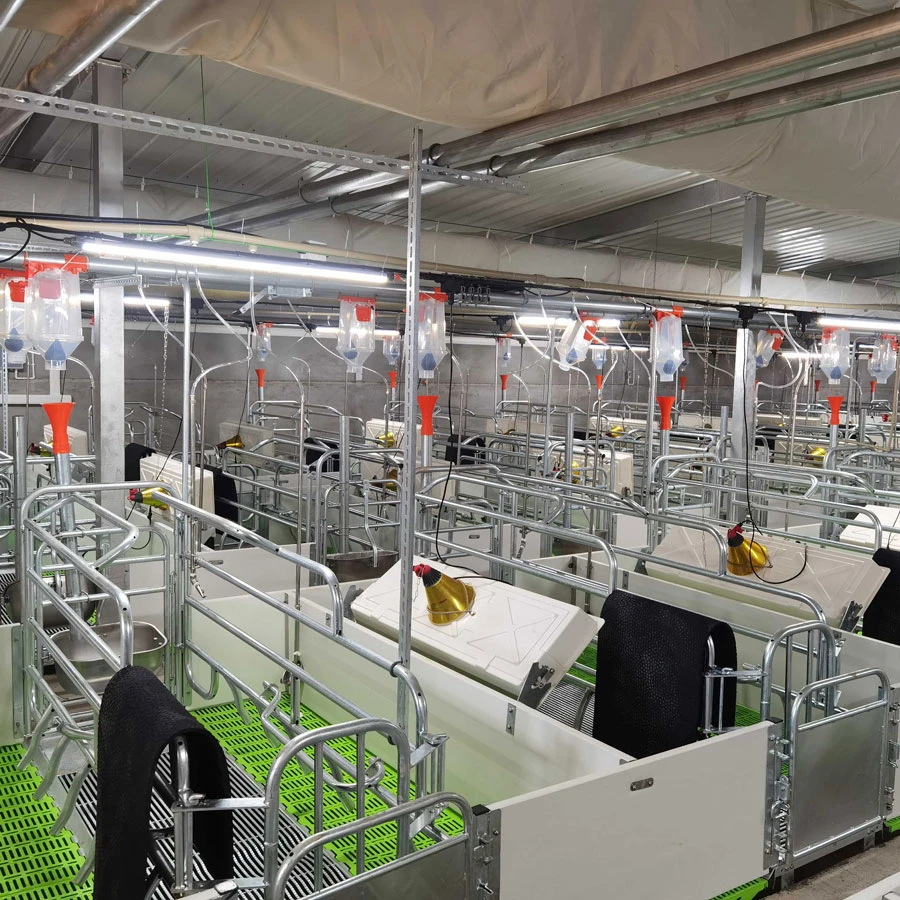
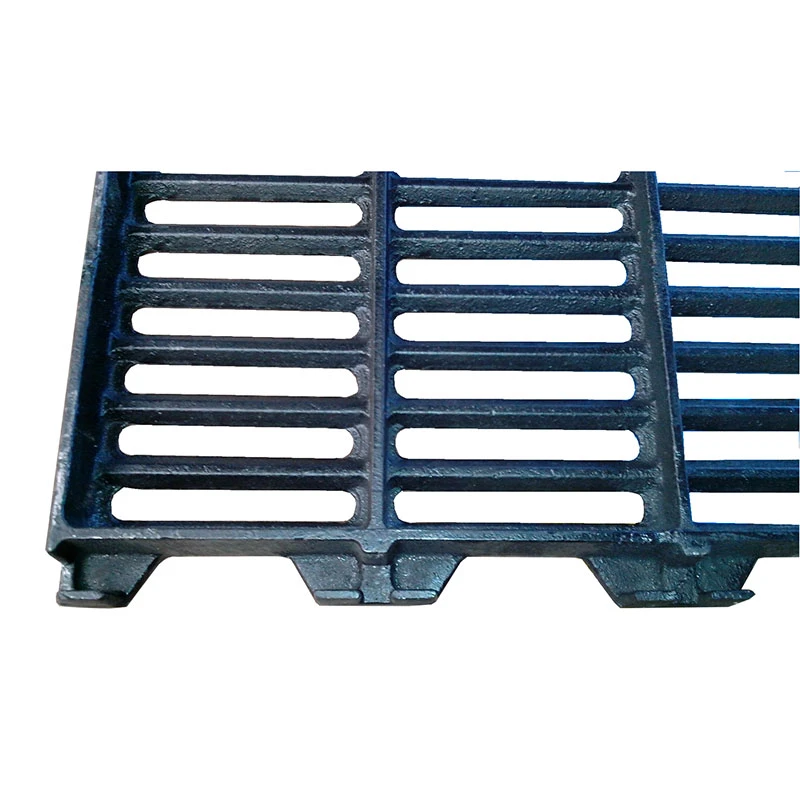
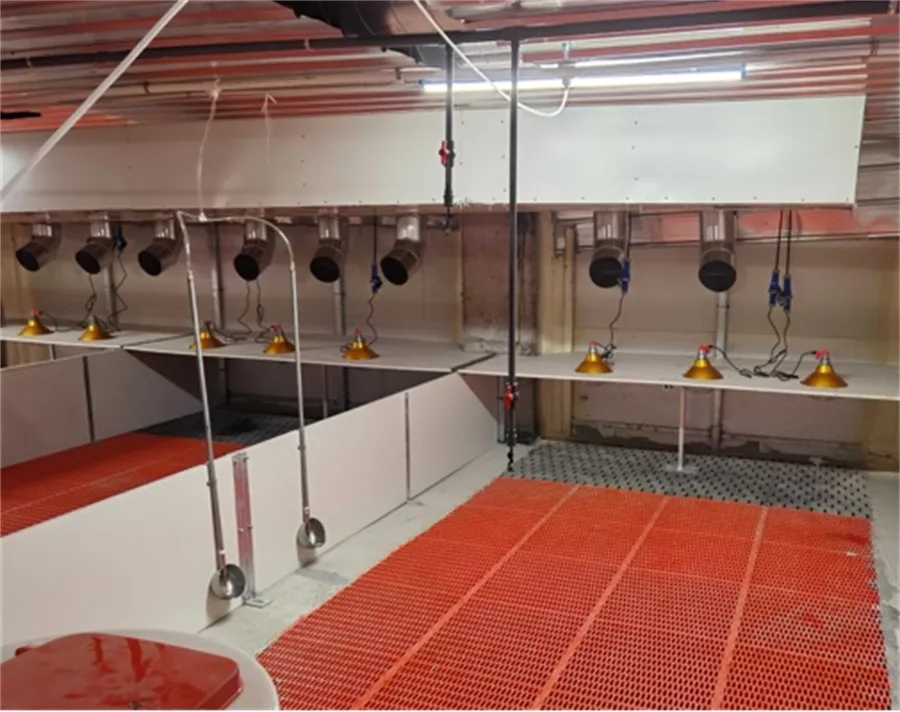
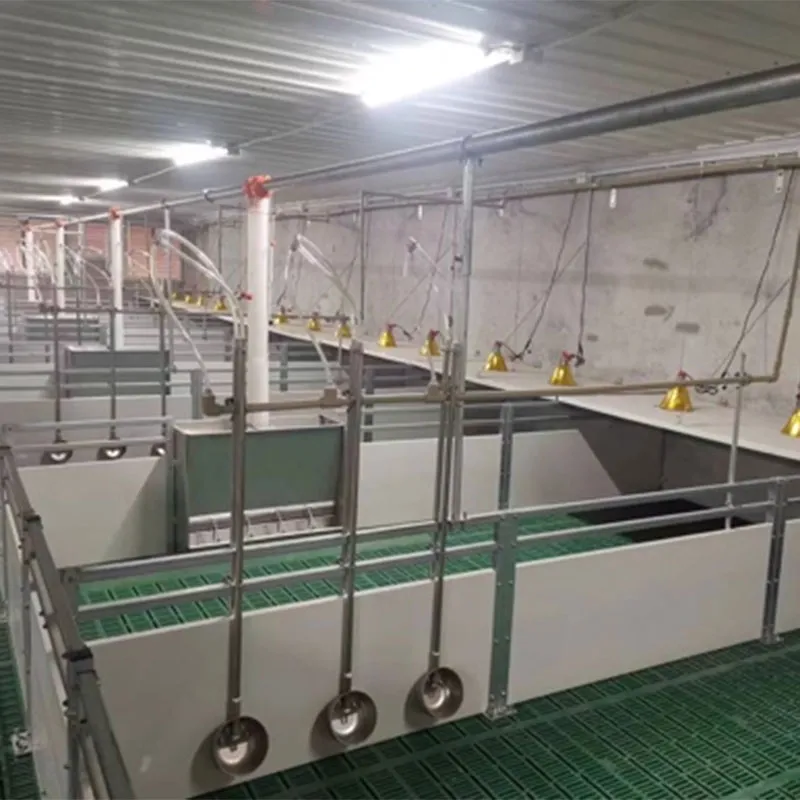
Put simply, it’s a type of durable, lightweight, and easy-to-clean flooring designed specifically for young pigs. Made from food-grade plastic polymers, these mats create a raised grid surface that keeps piglets off cold, dirty floors. They’re designed to provide warmth, prevent injuries, and improve drainage to reduce moisture.
This product merges farming practicality with modern materials science, serving both small-scale backyard farms and large multi-thousand-head operations. It’s kind of the unsung hero of animal welfare enhancements within the industry—and even humanitarian agricultural projects.
Key Factors Behind Plastic Matting’s Success
Durability and Hygiene
One of the main draws is its resistance to corrosion and waste. Unlike wood or straw that breaks down or harbors bacteria, plastic matting can be washed and disinfected easily, lasting several years if maintained well.
Thermal Comfort
Plastic matting provides insulation, helping keep piglets warm and reducing stress. Heat retention here isn’t just cozy – it’s survival-critical in colder climates.
Cost Efficiency
Though there’s an upfront cost, plastic matting reduces vet bills and piglet mortality. Over time, the economic benefits outweigh traditional bedding’s recurring costs.
Modularity & Scalability
Many mat designs come in interlocking panels. This modularity allows easy expansion or replacement, fitting farms of all sizes and layouts.
Sustainability
Interestingly, many producers are embracing recycled materials, reducing plastic waste and aligning with circular economy principles.
Use Cases: Who Benefits from Plastic Matting for Piglets?
- Commercial Farms: In Europe and the US, intensive pig farms rely on these mats for improved hygiene and piglet welfare compliance.
- Developing Nations: Pig farming projects in Southeast Asia and Africa adopt plastic matting to enhance survival rates where veterinary support is scarce.
- Post-Disaster Relief: Livestock shelters rebuilt after floods or droughts often use modular plastic flooring to quickly establish sanitary environments.
- Research & Educational Centers: Universities studying animal welfare employ these mats in controlled environments to monitor piglet health.
In real terms, you can find these mats in settings as diverse as Iowa’s sprawling farms and smallholder setups in Vietnam.
Advantages & Long-Term Value: Why Farmers Keep Coming Back
Beyond practical gains, plastic matting adds emotional value: peace of mind for farmers who see fewer piglet fatalities, and a sense of responsibility towards humane animal treatment. It’s a win-win situation where sustainability meets profitability.
Lower disease transmission means healthier herds, which naturally leads to a more reliable income stream. Also, the environmental footprint shrinks as farms use less bedding and fewer chemicals for cleaning. And the trust factor? When consumers care about animal welfare, farms using such innovations can market their products with confidence.
Future Trends & Innovations to Watch
The future holds exciting possibilities in this space. Biodegradable plastics are starting to enter the market, offering eco-friendly alternatives to traditional polymers. Some companies are integrating sensors into mats to monitor piglet activity or detect temperature changes — a small step toward digital precision farming.
Automation in cleaning processes combined with green energy sources like solar panels promises to reduce labor and carbon footprints further. Regulatory bodies globally are beginning to incentivize farms that upgrade animal welfare equipment, so expect policies shifting toward mandatory matting use — especially in Europe.
Overcoming Challenges: What’s Holding Matting Back?
That said, not all is perfect. Initial investment costs can deter small farmers, especially where credit is tight. Occasionally, poor-quality mats wear prematurely or cause skin abrasions if the design isn’t optimal.
Innovative financing models, such as equipment leasing or cooperative buying groups, are practical solutions. Also, ongoing R&D improving polymers and surface textures aims to address these issues. Training farmers on installation and maintenance is key here — many failures trace back to improper use, not product flaws.
FAQ: Your Top Questions About Plastic Matting for Piglets
- What makes plastic matting better than traditional straw bedding?
- Plastic matting offers consistent hygiene, ease of cleaning, and durability, while straw can harbor pathogens and frequently needs replacement. It also provides better thermal insulation and reduces injury risks in piglets.
- How long can a good plastic piglet matting last?
- With proper care, high-quality plastic mats can last 3 to 5 years or more, depending on usage and environmental conditions. Regular cleaning and avoiding harsh chemicals extend longevity.
- Is plastic matting affordable for small-scale farmers?
- While upfront costs might seem high, many smallholders find it an investment that pays off through reduced losses and better piglet growth. Leasing options and collective purchasing can improve affordability.
- Can plastic matting be recycled or is it harmful to the environment?
- Many mats are made from recyclable plastics, and some companies use recycled materials in production. Proper end-of-life recycling programs help minimize environmental impact.
- How do I choose the right plastic matting for my farm?
- Consider factors like piglet age, farm size, climate, and budget. Look for mats that are non-slip, easily cleanable, modular, and from reputable suppliers with transparent materials specs.
Specification Table: Typical Plastic Matting for Piglets
| Feature | Specification | Importance |
|---|---|---|
| Material | Food-grade polypropylene or recycled HDPE | Durability & Safety |
| Dimensions | 60cm x 60cm panels, 2 cm thick | Modularity & Coverage |
| Surface Design | Raised grid with ventilation slots | Drainage & Comfort |
| Load Capacity | Supports up to 300 kg/m² | Safety & Longevity |
| Cleaning | Pressure-wash compatible, chemical resistant | Maintenance Ease |
Vendor Comparison: Leading Plastic Matting Suppliers
| Vendor | Material Quality | Customization | Warranty | Price Range | Global Reach |
|---|---|---|---|---|---|
| AgriMat Solutions | High-grade recycled HDPE | Panel size/color options | 5 years | $$$ | Europe, Asia |
| PigletPro Mats | Virgin polypropylene | Standard sizes only | 3 years | $$ | North America, EU |
| EcoPig Mats | Fully biodegradable composite | Customizable thickness | 2 years | $$$ | Global via distributors |
Wrapping It Up: Why Plastic Matting Matters
Sure, at first glance plastic matting for piglets might seem like a minor accessory. But in the bigger picture? It plays a vital role in improving animal health, increasing farm productivity, and supporting sustainable livestock farming practices worldwide. It bridges the gap between traditional farming methods and the pressing demand for innovative solutions that respect animal welfare and the environment.
Thanks to its durability, hygiene benefits, and flexible design, plastic matting is quickly becoming a must-have in the global pork industry’s toolkit.
If you’re curious or ready to enhance your piglet-rearing setup, take a moment to visit plastic matting for piglets. It’s a small step with long-lasting rewards.
References:
Post time: Dec . 02, 2025