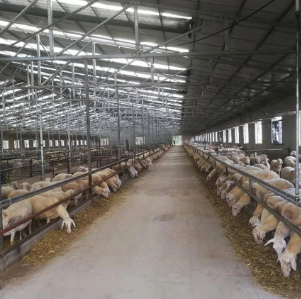
Why Plastic Matting for Sow Matters Globally
Plastic matting for sows may sound like a niche phrase, but it’s an essential piece in the complex puzzle of modern livestock farming. Essentially, these mats provide durable, hygienic, and comfortable flooring solutions for sows—adult female pigs—supporting animal welfare, farm hygiene, and operational efficiency worldwide. Given the rising demand for meat and the increasing awareness of animal husbandry standards, understanding these mats and their benefits pushes both the farming industry and animal welfare efforts toward smarter, more sustainable solutions.
If you think about it, the welfare of livestock is directly intertwined with food security, public health, and even economic stability. So, a humble product like plastic matting for sow has implications that ripple through entire supply chains. It’s worth diving in to see why this product is such a critical solution.
Global Context: The Growing Importance of Plastic Matting for Sow
Worldwide pork production is booming, with the Food and Agriculture Organization (FAO) estimating global pork consumption to reach nearly 130 million tonnes by 2030.1 Traditional concrete or slatted floors have long been the norm in pig farming, but they often pose challenges — from poor hygiene to discomfort for the animals. This is where plastic matting plays a role, designed to address these issues efficiently.
Moreover, as animal welfare regulations tighten globally—including the EU’s stringent standards and USDA’s guidelines—the demand for better flooring solutions has increased. In fact, some markets now require that sows aren’t housed on bare concrete or metal slats alone. Plastic mats offer a practical solution that aligns both with regulations and the bottom line, improving sow comfort, reducing injuries, and enhancing overall farm productivity.
Think of this as a small item with outsized impact—improving health and productivity, mitigating disease spread, and lowering costs linked with injuries and infections.
What Exactly is Plastic Matting for Sows?
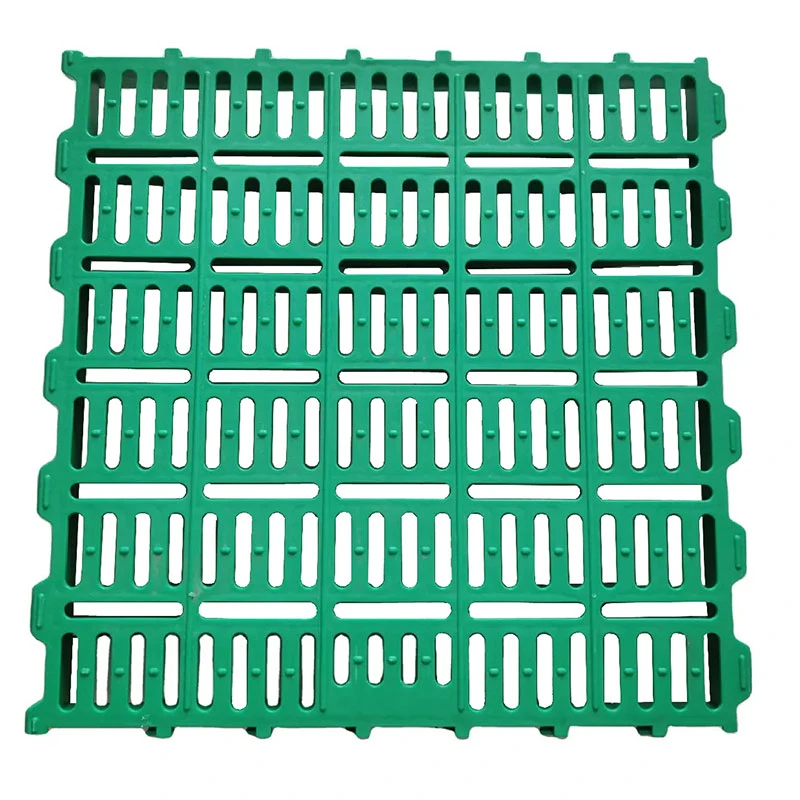
Simply put, plastic matting for sow is a modular flooring product made primarily of durable plastic designed to create a walkable surface inside sow stalls or farrowing crates. The mats are typically injection-molded or extruded with textured surfaces to offer both grip and cushioning. They come in panels that can be joined together over existing flooring.
Unlike concrete floors, which are cold and unforgiving, plastic mats offer a slightly flexible surface that reduces pressure on hooves and joints. This is particularly crucial in industrial pig operations, where large groups of sows must be housed comfortably and hygienically for long periods. In a way, it’s an intersection of animal welfare, practicality, and cost-conscious farming.
Key Attributes That Make Plastic Matting a Go-To Choice
Durability
Plastic mats are designed to last. Made from high-density polyethylene (HDPE) or polypropylene, they withstand harsh farm chemicals, urine, and cleaning agents without degrading quickly. They’re not exactly indestructible, but many engineers say these mats hold up well for 5–7 years under typical use.
Ease of Cleaning and Hygiene
The non-porous surface and modular design enable easy cleaning, minimizing bacterial buildup. Unlike wooden or concrete floors, plastic matting doesn’t absorb moisture, reducing the risk of disease spread—a significant win considering the financial and ethical cost of pig illnesses.
Animal Comfort and Welfare
Plastic mats provide cushioning that reduces pressure sores and limb injuries common in sows kept on harder floors. Improved comfort often correlates with better animal behavior and reproductive performance—something many farmers notice firsthand.
Cost Efficiency
While the initial investment might be higher than concrete, the longer lifespan, lower veterinary bills, and improved productivity usually tip the scales in favor of plastic matting. It’s a great example of smarter spending that pays off over time.
Modularity and Scalability
These mats typically come in interlocking panels, making installation and replacement straightforward. This scalability means farms can upgrade part of their housing or customize layouts fluidly — no small thing when you consider the size and complexity of modern operations.
How Plastic Matting is Used Around the World
Plastic matting for sow finds use in varying environments, from industrial pig farms in the U.S and Europe to developing countries where improving livestock welfare supports food security initiatives. In northern Europe, for instance, many commercial farms have switched to plastic matting in compliance with welfare laws. Meanwhile, NGOs working in agricultural development projects in Southeast Asia promote these mats as simple, effective welfare upgrades.
Oddly enough, some disaster relief agencies have even tested these mats for temporary animal housing after natural disasters—highlighting their portability and ease of deployment. Additionally, some large-scale producers incorporate plastic mats in farrowing pens to reduce piglet mortality associated with poor flooring conditions.
For those interested, you can learn more on specialized pages like plastic matting for sow.
Advantages that Add Up Beyond the Numbers
- Improved health: fewer hoof injuries and infections.
- Lower maintenance: surfaces easy to clean, reducing labor time.
- Animal welfare: better comfort means reduced stress.
- Environmental impact: reusable and recyclable materials support sustainability goals.
- Longevity: mats can last multiple production cycles, reducing waste and cost.
Besides the practical, there’s an emotional aspect too: farmers often speak of greater trust in their housing setups, and consumers are catching on to welfare-friendly farming. These mats are part of that trend toward transparency and responsibility.
Looking Ahead: Innovations and Future Trends
Technology keeps pushing this market forward. Innovations include:
- Biodegradable or recycled-content plastics aiming at reducing environmental footprint.
- Textured surfaces engineered for better grip and manure drainage.
- Integration of IoT sensors for monitoring pen conditions like temperature and humidity.
- Improved modularity allowing even faster installation or repairs to minimize downtime.
With sustainability at the forefront worldwide, expect more eco-friendly materials and smarter design tweaks coming soon.
Common Challenges and How Industry Addresses Them
Plastic mats aren’t perfect. Sometimes they can be slippery if wet or become abrasive over time. Certain cheap versions wear down quickly or don’t fit well, causing hazards. Installation errors can also lead to gaps, which pigs dislike.
Yet manufacturers have responded by improving surface patterns, adding antimicrobial treatments, and refining installation guides. Customization options also help perfectly match mats to different stall sizes and pig weights. In real terms, it’s about continuous feedback between farmers and producers—a dynamic relationship driving steady improvement.
Plastic Matting for Sow: Product Specification Table
| Feature | Specification | Notes |
|---|---|---|
| Material | HDPE / Polypropylene | UV stabilized, food-safe plastic |
| Dimensions | 60 cm x 60 cm panels | Interlocking, customizable layout |
| Thickness | 12 mm | Optimal balance of cushion and durability |
| Weight per panel | ~2.5 kg | Light enough for easy handling |
| Lifespan | 5–7 years | Depends on usage and environment |
| Cleaning | Pressure washing or manual cleaning | Non-porous, resists biofilm formation |
Vendor Comparison of Popular Plastic Matting for Sow Solutions
| Vendor | Material Quality | Price (per panel) | Warranty | Customization Options |
|---|---|---|---|---|
| AgriMat Solutions | HDPE UV-stabilized | $18.50 | 5 Years | Yes, multiple sizes & textures |
| PigComfort Inc. | Polypropylene with antimicrobial coating | $22.00 | 7 Years | Custom colors & panels |
| SowSafe Mats | Recycled HDPE, eco-focus | $19.75 | 5 Years | Limited customization |
| FarmPave Solutions | High-grade polypropylene | $20.00 | 6 Years | Custom sizing, reinforced edges |
FAQs About Plastic Matting for Sow
1. How does plastic matting improve sow welfare compared to traditional concrete floors?
Plastic matting provides cushioning and reduces pressure points on sows’ feet and joints. Unlike hard concrete, these mats minimize the risk of injuries and sores, which can improve overall comfort and behavior, leading to better reproductive performance and health. The textured surfaces also improve footing, lowering slip hazards.
2. What’s the typical lifespan of plastic matting in industrial pig facilities?
Most quality plastic mats last between 5 to 7 years, depending on usage intensity, cleaning methods, and environmental factors. UV-stabilized materials and proper maintenance can extend lifespan. However, wear and damage over time is expected, and panels should be inspected regularly.
3. Are plastic mats easy to install and maintain?
Yes, they’re usually designed as interlocking panels that allow quick installation and partial replacement without disturbing the entire floor system. Their smooth, non-porous surfaces enable straightforward cleaning using pressure washers or manual scrubbing.
4. Can plastic matting help farms comply with animal welfare regulations?
Definitely. Many regulations require that sows be housed on flooring that supports their comfort and health. Plastic mats have become a popular way to meet or exceed these standards, especially in regions like Europe and North America with strict welfare laws.
5. How do plastic mats benefit farm profitability in the long run?
By reducing injuries, diseases, and stress in the animals, plastic matting results in fewer veterinary costs, better reproductive rates, and less downtime due to floor repairs. Though upfront costs can be higher than concrete, overall savings and productivity gains contribute positively to farm profitability.
Wrapping It Up: Why Plastic Matting for Sow Is Worth Considering
Plastic matting for sow represents a straightforward yet impactful innovation that nurtures animal welfare and practical farming alike. By providing durable, hygienic, and comfortable flooring, these mats help balance operational demands with ethical considerations—a balance increasingly prized in global agriculture today. If you’re curious to explore mats that fit your needs or want to upgrade your existing setup, you’ll find plenty of options to match various preferences and budgets.
For more detailed info or product specs, check out plastic matting for sow. After all, sometimes it’s the simplest improvements that make the biggest difference in a complex world.
References
Post time: Dec . 02, 2025