A Buyer’s Guide to Modern Plastic Slat Floors (and why poultry producers are eyeing them)
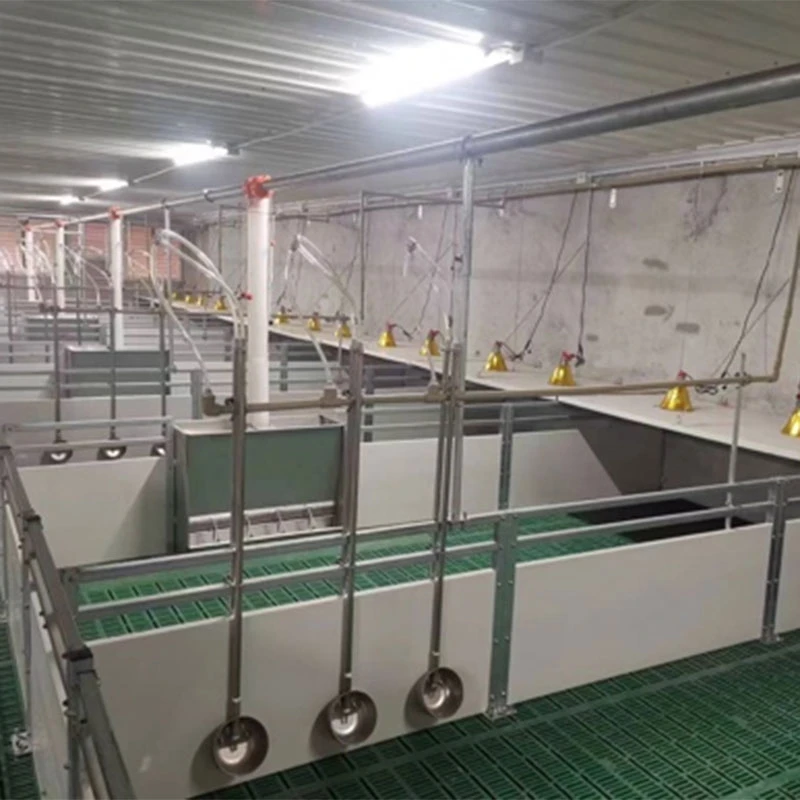
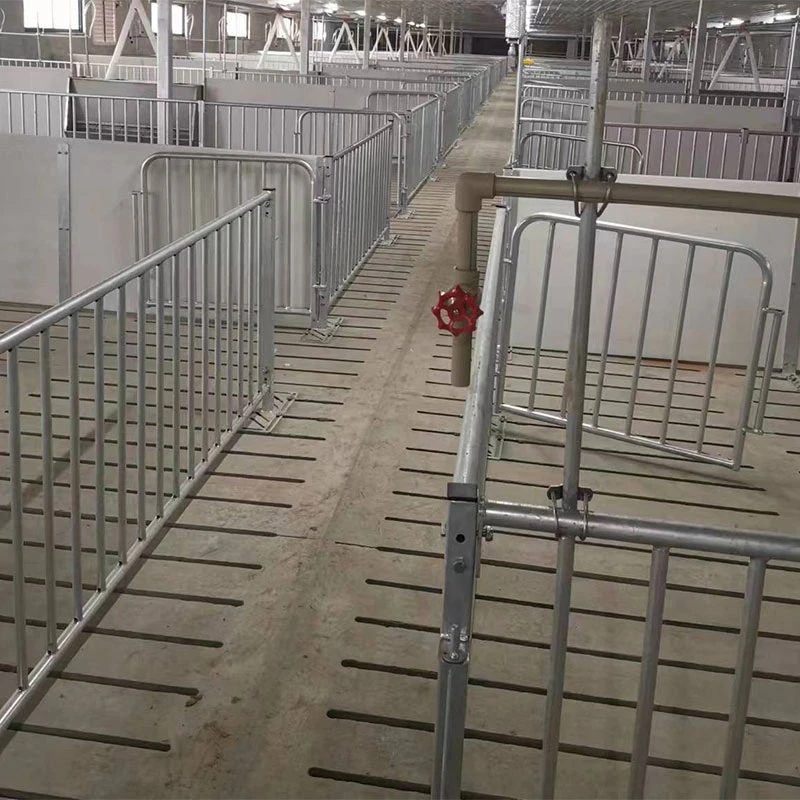
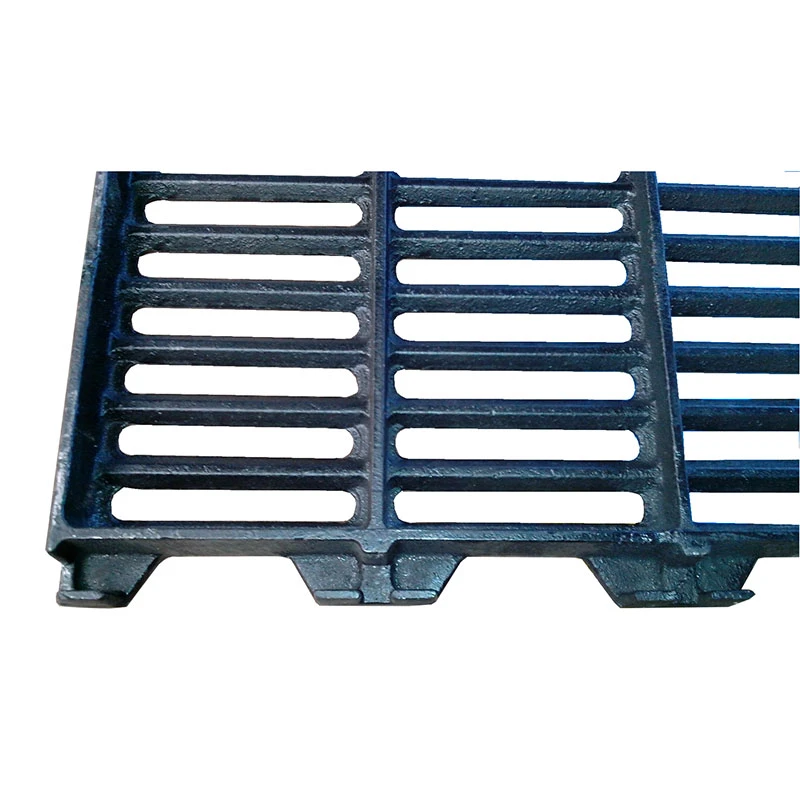
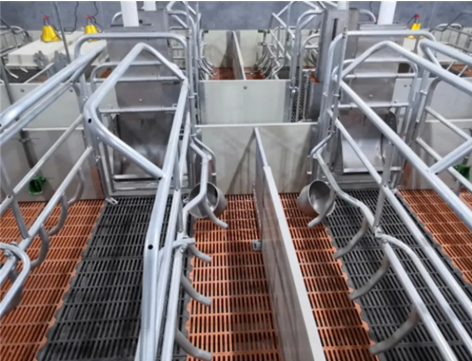
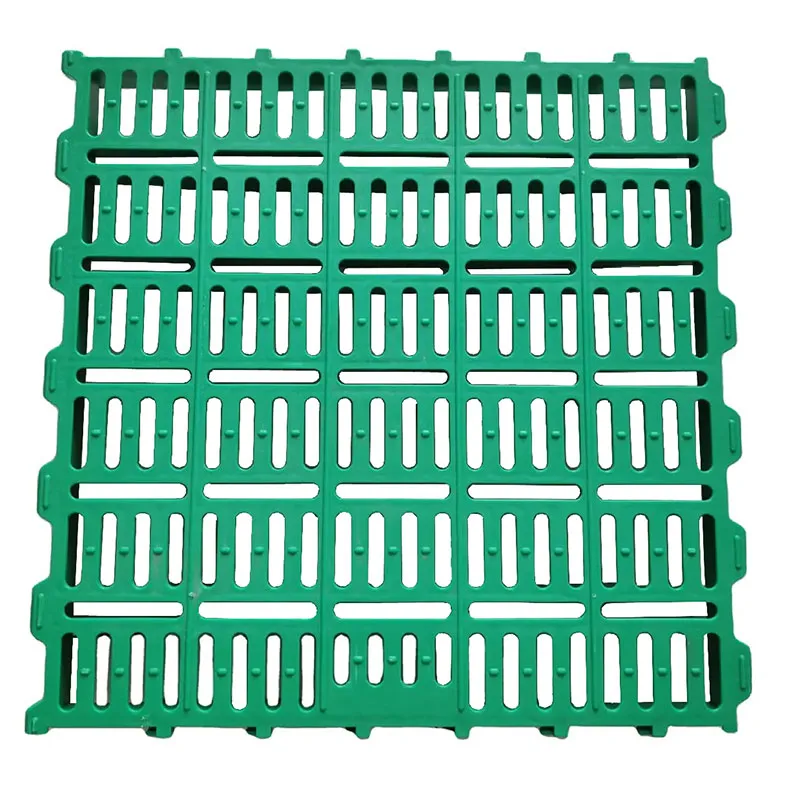
If you’ve been hunting for plastic poultry flooring for sale, you’ve probably noticed a wave of cross-over products coming from swine equipment lines. I’ve walked more than a few barns where pig-grade slats quietly power broiler and breeder operations—because durability is durability. One system I’ve seen a lot lately comes from Hebei Province, China: the Plastic Slat Floor For Pig Farming Equipment, born for farrowing and nursery but increasingly adapted to poultry brooding zones and breeder corridors where drainage, thermal comfort, and hygiene matter.
What’s changing on the ground
Trends I keep hearing about: quicker cleanouts (foam + hot water), fewer leg injuries thanks to anti-slip texture, and better litter dryness under drinker lines. The push is toward UV-stable PP/PE slats, modular panels, and higher load ratings—so floors don’t sag after a couple of winters. Honestly, the lines between “pork” and “poultry” hardware are blurring because farms want rugged, washable, and biosecure platforms, period.
Technical snapshot (real-world values)
| Spec | Typical Value (≈) | Notes |
|---|---|---|
| Material | PP copolymer (UV stabilized) | Pig-grade; poultry-ready with chick paper in early days |
| Panel size | 600×400 mm, 600×500 mm (others on request) | Modular; locks to PVC/FRP support beams |
| Load capacity | ≥ 600–1000 kg/m² | Lab flexural per ISO 178; real-world use may vary |
| Slot width | 8–12 mm options | Balance between traction and manure drop-through |
| Service life | 8–10 years | With routine washing and UV exposure under roof |
From material to barn: how it’s made and tested
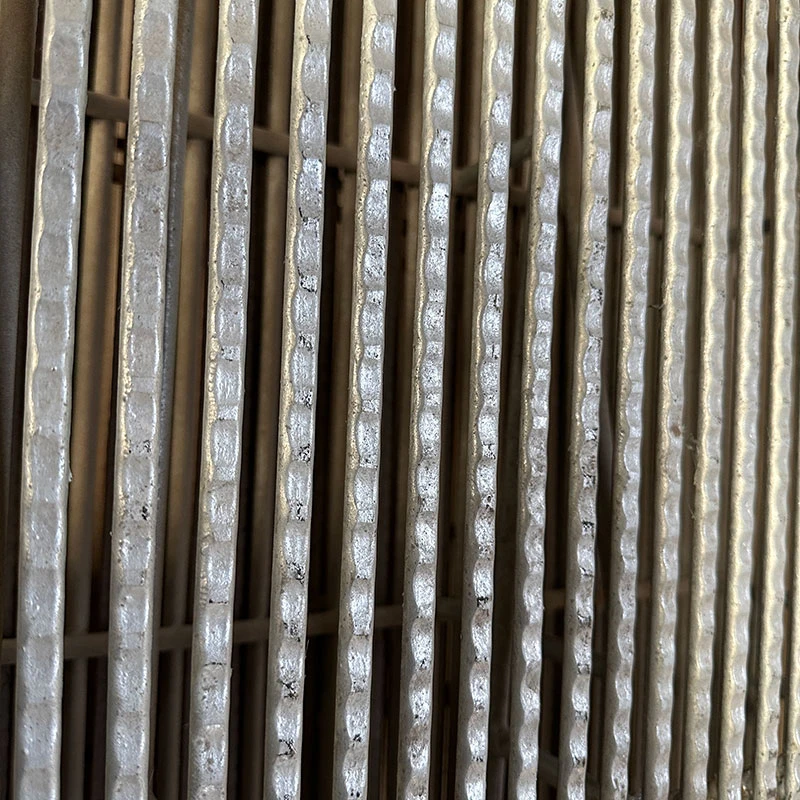
- Materials: UV-stabilized PP/PE blends with anti-slip texture molded in.
- Method: High-pressure injection molding, then deburring and fit checks.
- Testing: Flexural strength per ISO 178; impact checks (ASTM D256-like); dimensional tolerance; hot-wash cycle simulation (≥500 cycles).
- Certifications: Factory ISO 9001; third-party UV/additive verification on request.
- Origin: Dongtai Road, Economic and Technological Development Zone, Huanghua City, Hebei, China.
Where it fits in poultry
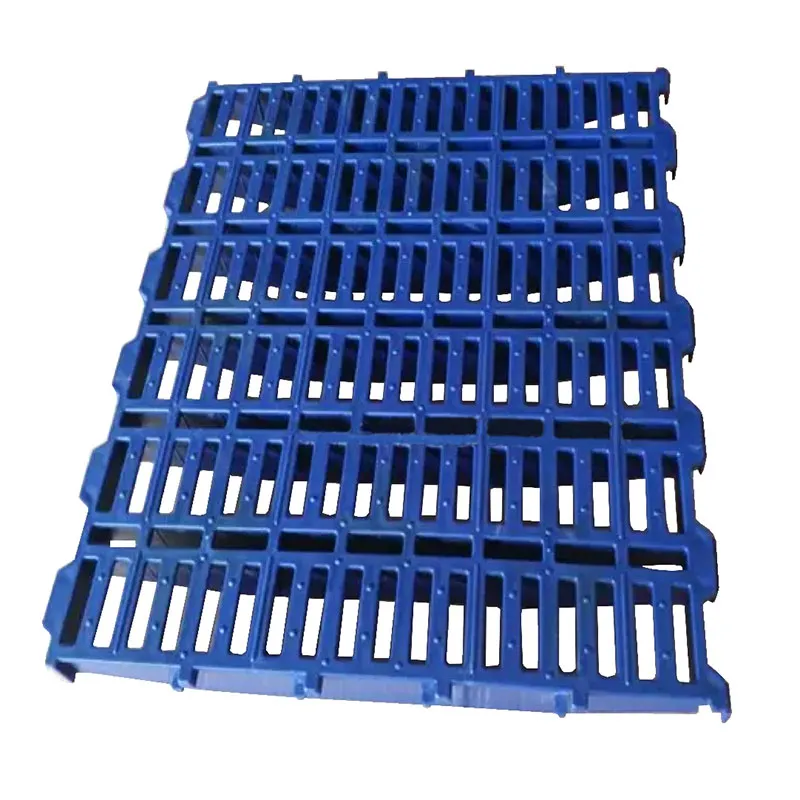
Brooding zones under drinkers, breeder corridors, quarantine pens, and damp corners where litter cakes—these slats reduce contact moisture and clean fast. Many customers say downtime between flocks is shorter. For day-old chicks, lay paper or mats on top for the first 5–7 days; after that, traction feels surprisingly stable.
Vendor snapshot (what I’m seeing)
| Vendor | Certs | Lead Time (≈) | Price Range (≈) | Notes |
|---|---|---|---|---|
| CX Livestock (Hebei) | ISO 9001 | 2–4 weeks | Mid | Strong PP formulation; swine-to-poultry crossover proven |
| EU Brand A | ISO 9001, CE | 3–6 weeks | High | Premium beams and clips; pricier logistics |
| Local Fabricator | Varies | 1–2 weeks | Low–Mid | Fast support; check resin quality and UV package |
Field notes and mini case studies
- Ohio broiler house, 30k birds: slats under drinkers cut caking; washdown time dropped ≈20%. “Less ammonia smell on day two,” the manager told me.
- Vietnam pig nursery crossover: same panels used in a breeder hallway; zero panel warp after 14 months, despite hot rinses.
Customization
Options include slot width, color coding by zone, reinforced ribs for heavier birds, and beam kits (FRP/PVC). Testing to ISO 178 and impact protocols can be provided with batch reports on request.
Bottom line: if you’re browsing plastic poultry flooring for sale, don’t ignore pig-grade slats. They’re tough, drain well, and clean fast—three boxes that matter season after season.
References
- ISO 178: Plastics — Determination of flexural properties. https://www.iso.org/standard/74712.html
- ASTM D256: Standard Test Methods for Determining the Izod Pendulum Impact Resistance of Plastics. https://www.astm.org/d0256-10.html
- FAO: Biosecurity for Highly Pathogenic Avian Influenza — Practical guidelines for poultry. https://www.fao.org/avianflu/en/biosecurity.html
- EFSA: Welfare aspects of broiler production systems. https://www.efsa.europa.eu/en/efsajournal/pub/1666
Post time: Oct . 20, 2025