Plastic Slats: Small Components with a Global Impact
If you've ever walked through a modern farm, warehouse, or industrial site, plastic slats have likely played a silent but vital role in the operation. Understandably, the humble “slat” might seem like an unassuming piece of plastic – but in reality, it touches many corners of global industry, sustainability efforts, and even humanitarian responses. From providing hygienic, durable surfaces to revolutionizing waste management in livestock farming, plastic slats exemplify how smart materials help solve big challenges.
In fact, understanding plastic slats opens a window into improvements in efficiency, animal welfare, environmental sustainability, and cost savings worldwide. Given rising demands on agricultural productivity and industrial automation, plastic slats are quietly becoming irreplaceable.
The Global Context: Why Plastic Slats Matter Worldwide
At first glance, plastic slats might sound like niche industrial jargon. But worldwide, the markets for these products are expanding, driven by increasing urbanization, food supply demands, and hygiene regulations.
- According to the Food and Agriculture Organization of the UN, global meat production hit approximately 340 million tonnes in 2022 — and a significant portion of that relies on livestock housing fitted with slatted floors to improve sanitation and animal health.
- ISO standards and safety regulations in many countries demand materials that ensure cleanability and durability — properties plastic slats satisfy admirably.
- Moreover, industries from aquaculture to packaging are looking to reduce waste and improve recycling methods; plastic components designed to last longer and be recyclable fit right into this.
In brief: as industries strive to meet environmental, economic, and operational challenges simultaneously, plastic slats come forward as a surprising hero. They combine high performance with cost-effectiveness and sustainability.
Quick takeaway: Plastic slats support global food security and industrial hygiene by enhancing infrastructure where scale and durability matter.
What Exactly Are Plastic Slats?
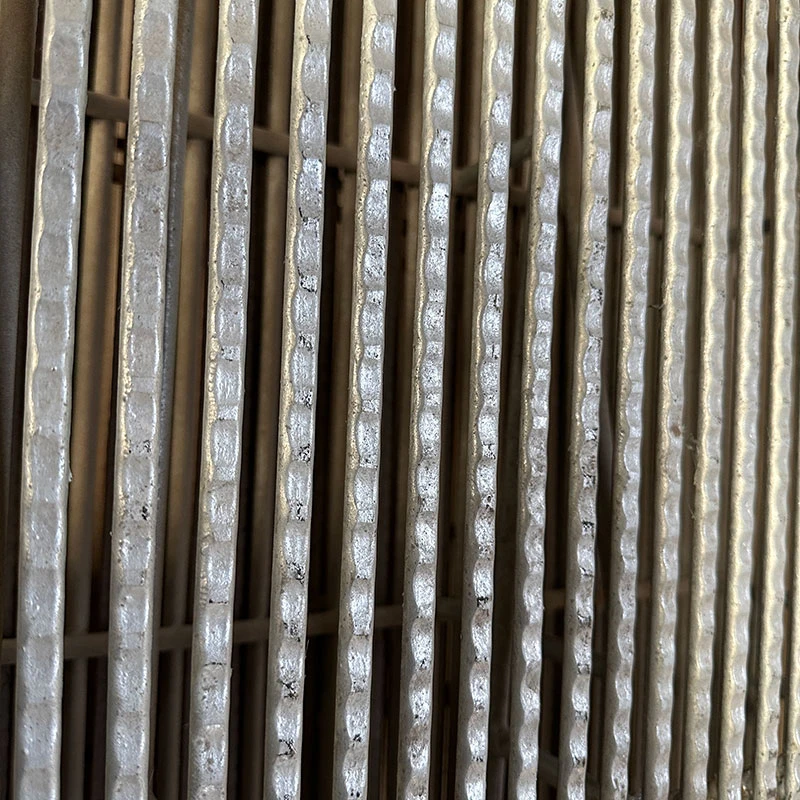
Simply put, plastic slats are narrow, flat strips molded from tough polymers—typically polypropylene or PVC—that are used in flooring systems, conveyor belts, or as modular platforms. Their design is functional, often perforated or ribbed, for drainage, airflow, or support.
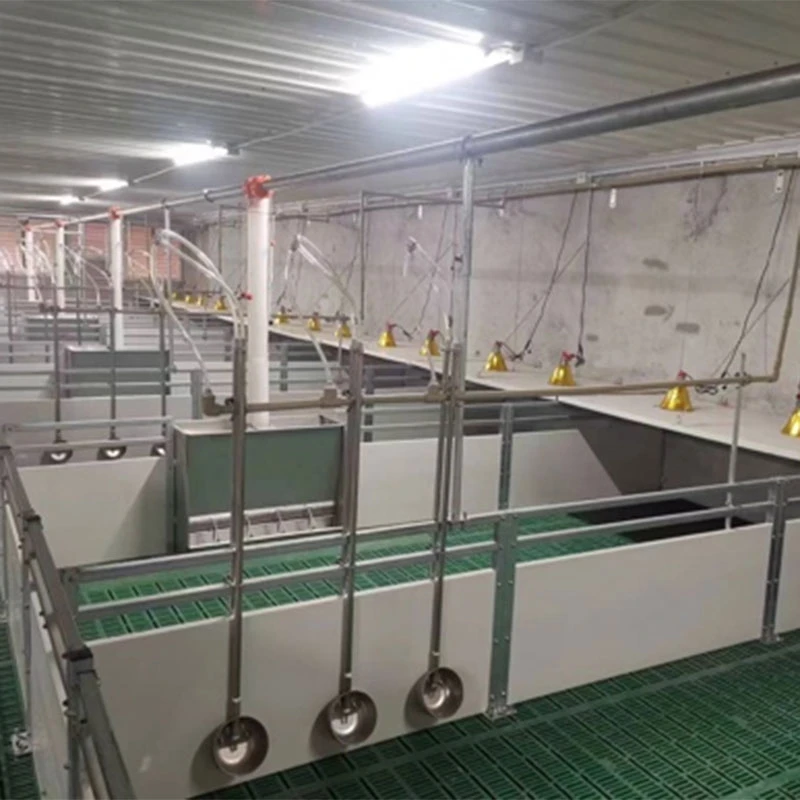
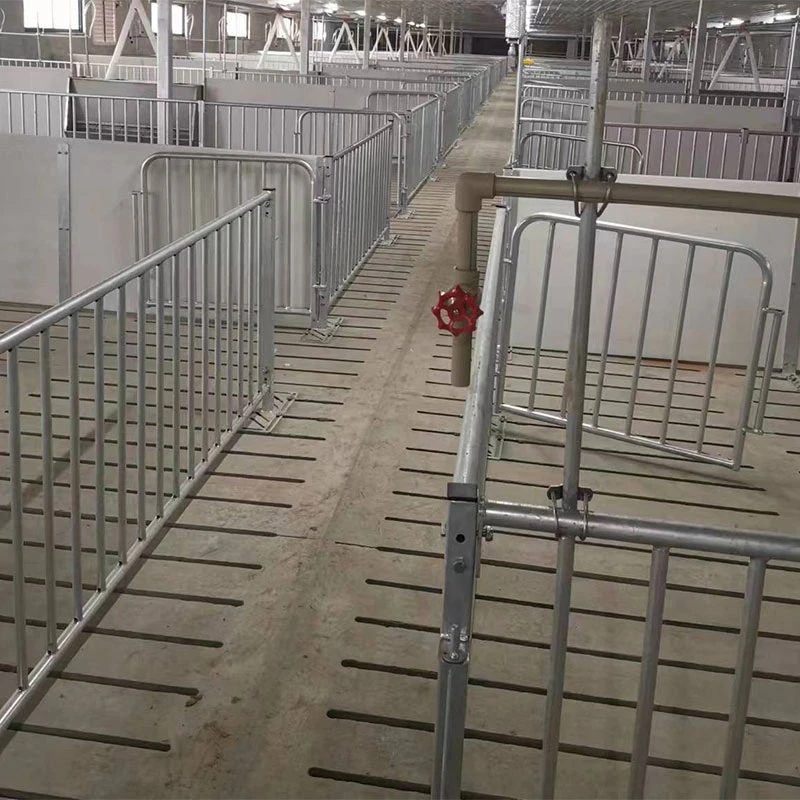
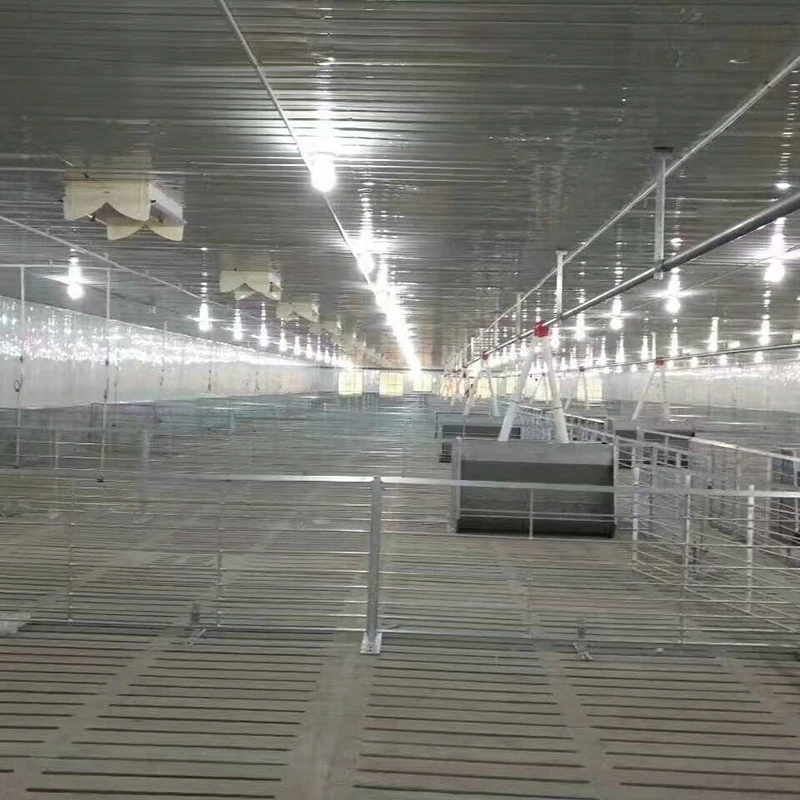
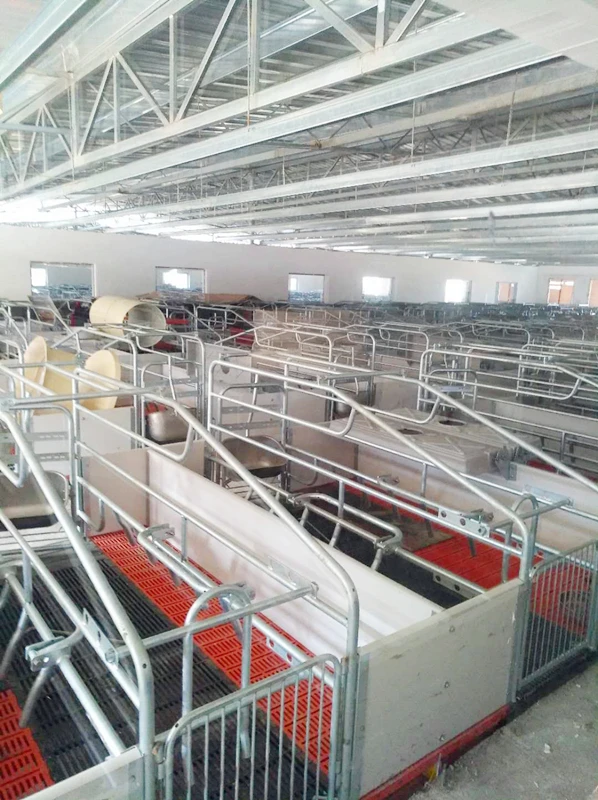
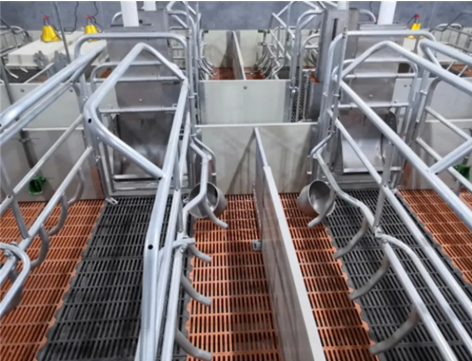
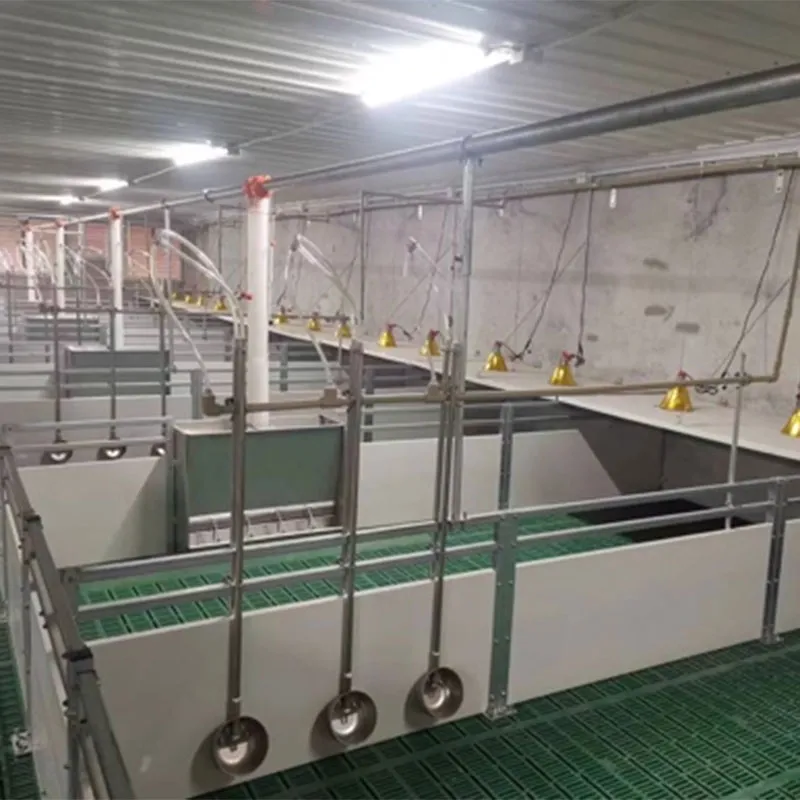
In agriculture, they replace traditional wooden or concrete flooring in animal pens, allowing waste to fall through easily while keeping animals dry and clean. In factories, plastic slats can form conveyor belt surfaces resistant to corrosion and abrasion.
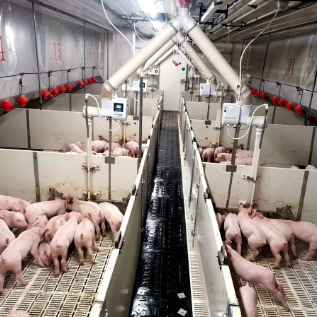
So, whether it’s improving the living conditions of tens of millions of pigs or moving delicate goods across manufacturing lines, plastic slats form a vital link in modern operations.
Core Components and Factors that Make Plastic Slats Effective
Durability and Load Support
Plastic slats have to withstand heavy, sometimes rough use. They are engineered to tolerate impact, abrasion, and long-term wear. Many manufacturers add UV stabilizers or antimicrobial agents to extend lifespan, especially in outdoor or livestock environments.
Drainage and Hygiene
The typical design includes slots or holes that allow liquid and waste to pass through copiously. This improves cleanliness dramatically and reduces risks of disease. Slatted floors are easier to wash or disinfect compared to solid surfaces, which is critical in both food and pharmaceutical sectors.
Cost Efficiency and Installation Ease
Replacing traditional flooring with plastic slats saves on installation time and long-term maintenance. Plastic’s lighter weight reduces transport costs, plus the modular nature of slats means repairs are often as simple as swapping a single piece.
Environmental Resistance
Plastic slats resist moisture, chemicals, and temperature swings better than wood or metal alternatives, making them reliable in varied global climates — from humid tropics to freezing winters.
Customizability for Diverse Industries
Whether it’s adjusting length, thickness, color, or perforation size, plastic slat manufacturers offer broad customization. This adaptability ensures they meet specific operational or regulatory requirements.
Plastic Slats in Action: Global Applications and Use Cases
Oddly enough, these components show up in a range of areas:
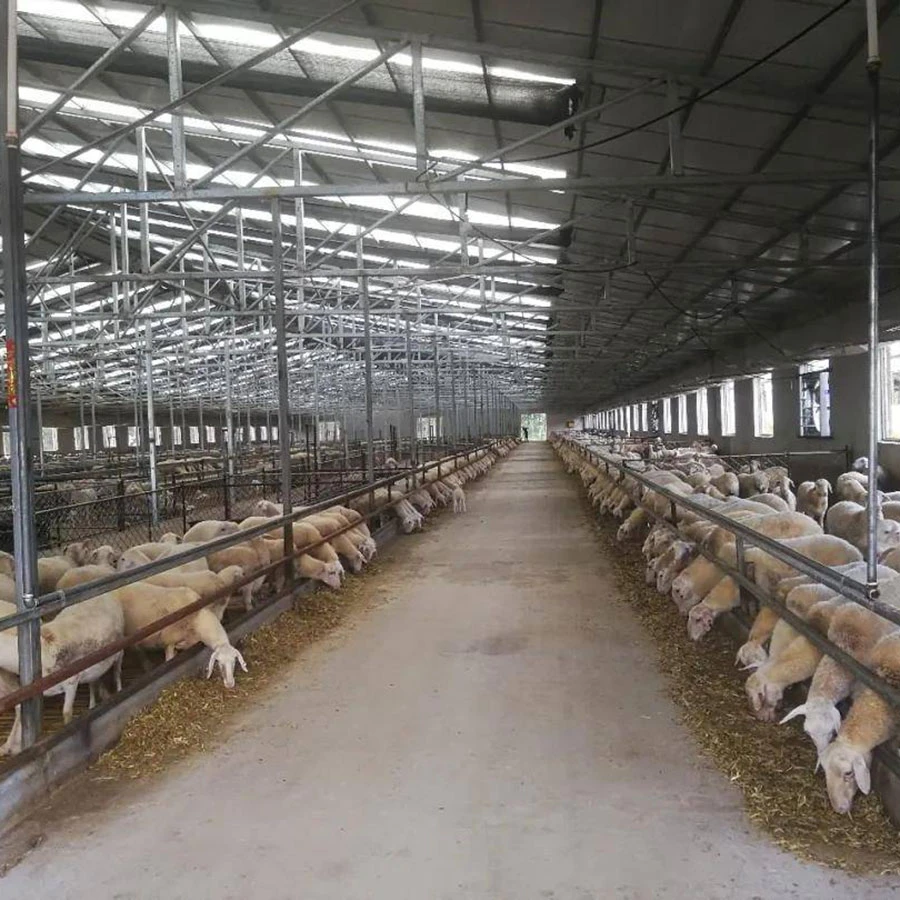
- Livestock Farming: Europe and North America widely use slatted floors to promote animal welfare and farm hygiene. The Netherlands alone exports tons of plastic slats yearly for pig and poultry farms.
- Food Industry: Conveyor slats in food processing plants are designed for easy cleaning and food-safe compliance.
- Industrial Manufacturing: Factories use slats in assembly lines, enabling custom conveyor belts that reduce material damage and downtime.
- Humanitarian Efforts: In temporary shelter programs after disasters, modular plastic slat flooring aids quick setup and sanitary living spaces.
- Wastewater and Drainage Systems: Slats improve aeration and filtration in specialized treatment plants.
One illustrative case: A poultry farm in Canada replaced old wooden flooring with plastic slats and saw a 30% reduction in respiratory illnesses among chickens. That points to how materials matter fundamentally.
Mini summary: Plastic slats find meaningful, often lifesaving roles beyond factories and farms — be it disaster relief or environmental control.
Advantages and Long-Term Benefits of Plastic Slats
- Cost Savings: Less frequent replacement and easier maintenance trackers translate to better ROI for businesses.
- Sustainability: Many slats now utilize recycled polymers or are themselves recyclable, aligning with circular economy goals.
- Safety & Welfare: Improved waste drainage preserves animal health, and safer conveyor surfaces reduce workplace accidents.
- Trust and Reliability: With predictable durability, these components reduce unexpected downtime, earning respect from operators globally.
- Innovation Enabler: Their modular design supports easy upgrades and integration with sensor technology, embracing Industry 4.0 trends.
Technical Snapshot: Typical Product Specifications
| Specification | Typical Values | Notes |
|---|---|---|
| Material | Polypropylene (PP), PVC | Applied UV stabilizers for outdoor use |
| Dimensions | Width: 100-200 mm; Length: 500-1200 mm; Thickness: 15-30 mm | Custom sizes often available |
| Load Capacity | Up to 1200 kg/m² | Varies with design and reinforcements |
| Weight | Approx. 2-4 kg per slat | Lighter than concrete or timber alternatives |
| Chemical Resistance | Excellent against acids, alkalines, and detergents | Suitable for harsh cleaning regimes |
How Do Vendors Stack Up? A Quick Comparison
| Vendor | Material Quality | Customization | Price Range | Lead Time | Sustainability Initiatives |
|---|---|---|---|---|---|
| EcoSlats Inc. | Premium polypropylene blends | High - bespoke sizes & colors | $$$ | 4-6 weeks | Uses 50% recycled content |
| FarmFloors Ltd. | Standard PVC compounds | Medium - modular options | $$ | 2-3 weeks | Minimal recycled materials |
| GreenTech Slats | Bio-based polymers emerging | Growing custom portfolio | $$$ | 5-7 weeks | Focus on sustainable sourcing |
Future Trends in Plastic Slats Technology
The plastic slats industry is quietly riding waves of innovation. Frankly, with increasing push for sustainability, you’ll see more biodegradable and bio-based polymer slats entering the market. Automation in manufacturing promises better quality control and custom features at scale.
Digital integration is another buzzword: embedded sensors can track wear and tear or environmental conditions, allowing predictive maintenance. Oddly enough, something as simple as a plastic slat benefits from Industry 4.0 thinking more every year.
Additionally, legislation encouraging circular economy means that vendors who can provide recyclable or reusable solutions will win long-term loyalty. It feels like a slow but steady pivot that aligns big business and ecological concerns.
Common Challenges and How Industry Leaders Are Tackling Them
Plastic slats aren’t perfect. Crudely speaking:
- Material Degradation: Despite additives, extreme UV or chemical exposure can eventually wear components down. Some vendors develop enhanced coatings.
- Disposal & Recycling: While durable, slats can be tricky to recycle without proper infrastructure.
- Initial Cost: Some plastic slats have higher upfront price tags than traditional materials — but lifecycle costs tend to favor plastic.
Innovative manufacturers collaborate with recyclers and invest in R&D to improve end-of-life processing. Meanwhile, modular product design simplifies replacement and maintenance.
FAQs About Plastic Slats
- What makes plastic slats better than traditional wood or concrete flooring?
- Plastic slats offer superior durability, resistance to moisture and chemicals, and ease of cleaning, which significantly reduces maintenance efforts and improves hygiene – crucial for animal welfare and industrial standards.
- How long does a typical plastic slat floor last under heavy farm conditions?
- With proper installation and regular maintenance, plastic slats can last 10 to 15 years, outperforming wood floors that often degrade in only a few years due to rot and wear.
- Are plastic slats environmentally friendly?
- Many manufacturers now produce slats from recycled plastics or bio-based polymers, and designs increasingly focus on recyclability, aligning the products with modern sustainability goals.
- Can plastic slats be customized for specific farm or industrial needs?
- Yes, customization in terms of size, thickness, perforation patterns, and color is widely available to fit diverse operational requirements efficiently.
- How can international customers import plastic slats efficiently?
- Most vendors offer consolidated shipping and compliance support for international trade. It pays to work with suppliers experienced in global shipping regulations and certifications.
Wrapping It Up: Why Plastic Slats Deserve Your Attention
In a world looking for smarter, more sustainable solutions at every turn, plastic slats stand out as a small but effective contributor. They blend durability, hygiene, cost savings, and environmental considerations all in one neat package. Whether you’re in agriculture, manufacturing, or humanitarian relief, these plastic components have likely reshaped your work more than you realize.
So next time you consider infrastructure upgrades, remember the plastic slats quietly doing their job — they just might be what unlocks your next innovation or operational success.
Explore a wide range of plastic slats and solutions at https://www.cxlivestock.com — innovation awaits there.
References:
Post time: Dec . 02, 2025