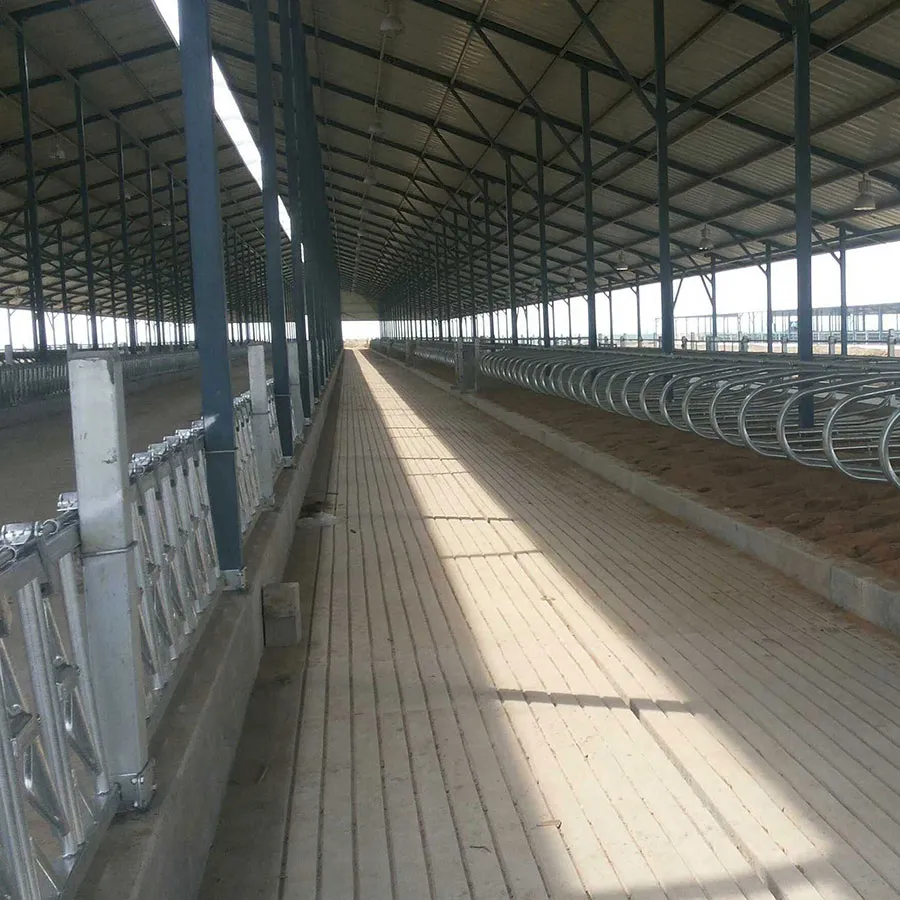
Why Polypropylene Plastic Slatted Flooring Is Becoming A Game-Changer Worldwide
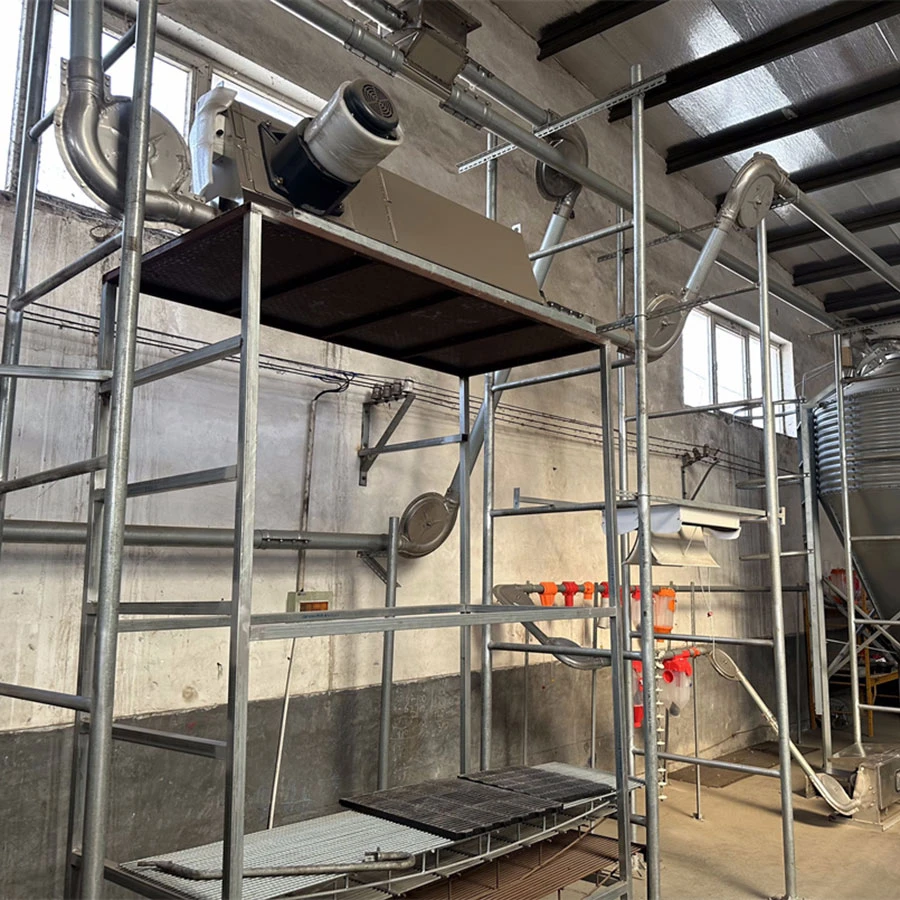
If you’re somehow new to the agricultural or livestock industry, or maybe involved with facility designers for farms, you’ve likely bumped into polypropylene plastic slatted flooring—a lightweight, durable alternative for animal housing floors. But why exactly does this product matter far beyond just barns and pens? Globally, food production demands more efficient, hygienic, and sustainable systems, with the UN reporting a projected 70% rise in food consumption by 2050 (1). That’s a heavy lift. So innovations like polypropylene plastic flooring help us tackle challenges of waste management, animal health, and environmental impact in large-scale farming. We’re not just talking about some simple flooring; it’s a subtle cornerstone of modern animal welfare and farm efficiency.Introduction: A Worldwide Shift In Livestock Flooring Solutions
According to the Food and Agriculture Organization of the UN, efficient animal husbandry is critical to feeding billions (2). Traditional slatted floors—usually made of concrete or wood—have long had issues with durability, hygiene, and often high maintenance. That’s where polypropylene, a thermoplastic polymer used in countless industries, steps in with a slatted flooring solution tailored for the livestock world. Global demand is rising, especially in regions like Europe and Asia where intensive farming is expanding rapidly. Modern regulations — especially ISO standards toward food safety and animal welfare — push older systems out. But farms in developing countries must also keep costs manageable without sacrificing quality. Polypropylene floors address both: offering a tough yet light, easy-to-clean floor that reduces ammonia and pathogen buildup below. This is a big win for animal health and environmental compliance.Mini takeaway:
Efficient polypropylene plastic slatted flooring isn’t just a local tweak — it’s a scalable, practical instrument to boost livestock sustainability worldwide.What Exactly Is Polypropylene Plastic Slatted Flooring?
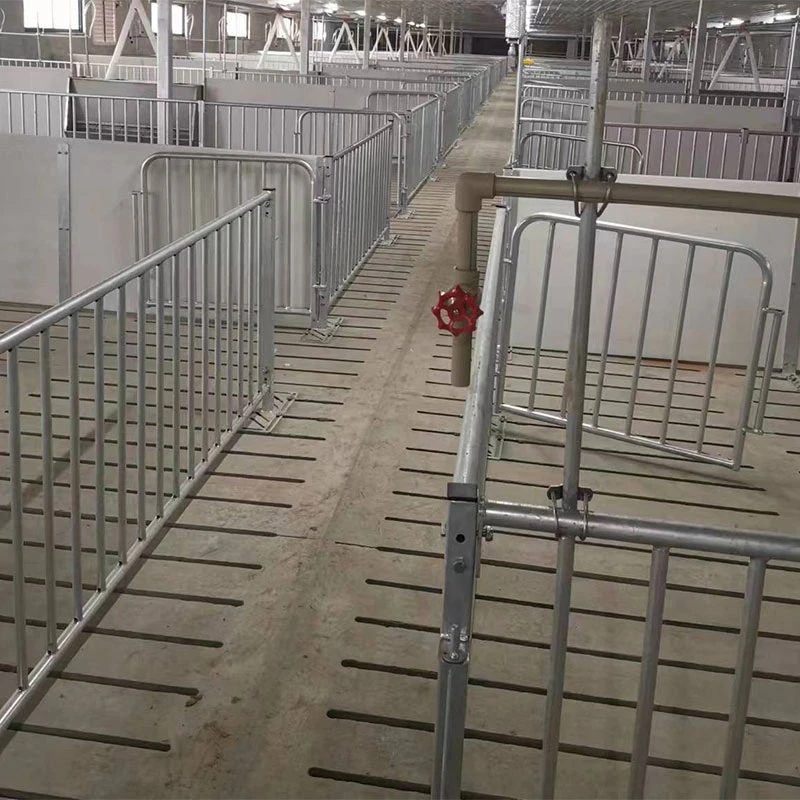
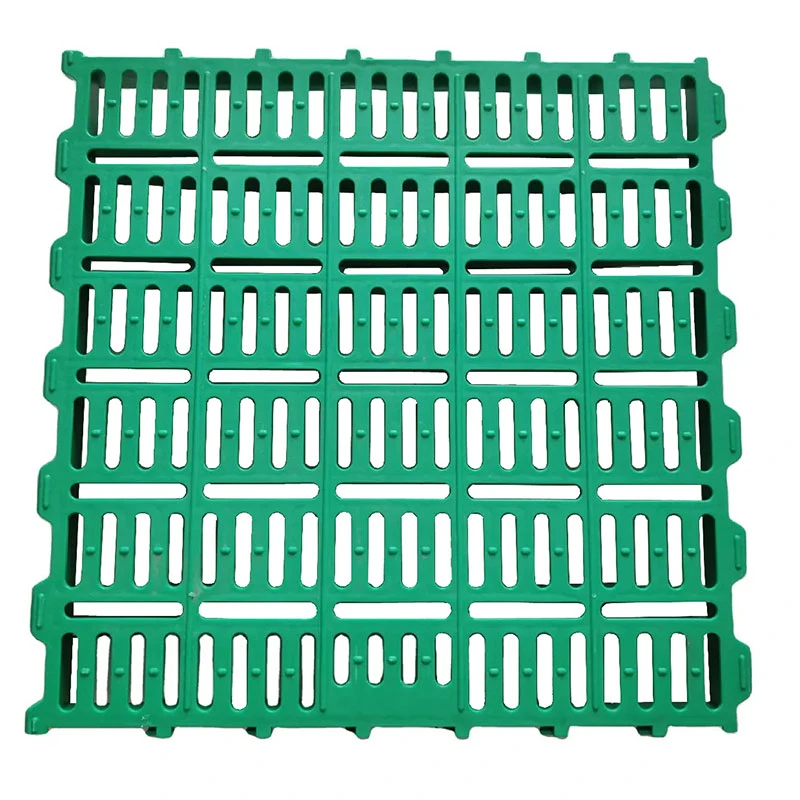
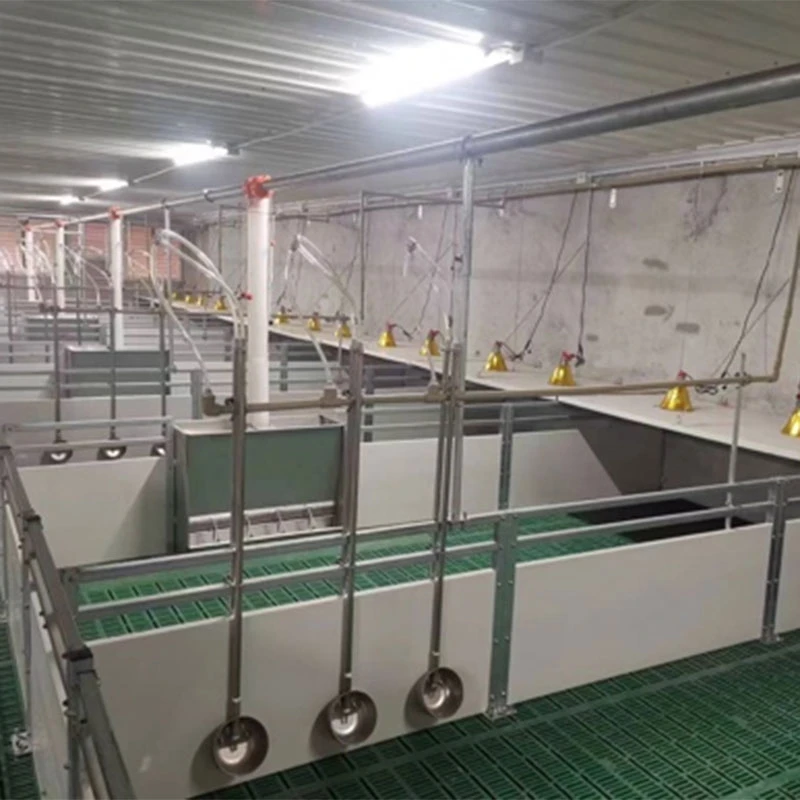
Simply put, polypropylene plastic slatted flooring consists of modular, grid-like panels made from polypropylene—a durable, chemical-resistant plastic. These panels have narrow gaps or “slats” that allow animal waste to fall through, keeping the surfaces dryer and more comfortable for animals. Compared to traditional wood or concrete troughs, these panels: - Are lightweight and easy to install or remove - Resist corrosion and harsh cleaning chemicals - Provide improved grip to reduce animal slips - Can be customized to fit various pens and barn dimensions In humanitarian or animal welfare sectors, this technology sometimes even aids in rapid setup livestock shelters and renovated farms after disasters. It’s a simple, cost-effective, scalable material evolving with industry needs.Key Features of Polypropylene Plastic Slatted Flooring That Matter Most
1. Durability & Chemical Resistance
Polypropylene is surprisingly tough. Many engineers note it resists cracking under heavy weight and doesn’t degrade under repeated exposure to ammonia and cleaning agents like bleach or acids. This means a slatted floor can last over 10 years with routine maintenance, a far cry from wood’s typical 2–3 year lifespan in livestock environments.2. Hygiene & Animal Welfare
Because the slats allow waste to drop away from the animals, the environment is less moist and less prone to pathogen buildup. This helps reduce common diseases, improves respiration conditions, and lowers the risks of hoof problems. Farms using polypropylene flooring report cleaner pens and fewer veterinary interventions.3. Cost Efficiency & Installation
Installing concrete flooring is messy, expensive, and often requires heavy equipment and lengthy downtime. Polypropylene panels are modular and stackable, so installation or replacement can happen quickly with minimal interruption. The initial price may be higher, but over the floor’s life — thanks to reduced maintenance and improved animal health — it becomes more cost-effective.4. Environmental Impact & Sustainability
Polypropylene flooring is recyclable; many manufacturers now use recycled polymer content, keeping waste plastic out of landfills. Moreover, better waste management beneath the floors reduces harmful ammonia release to the environment. It’s a solid marriage of performance and eco-consciousness.Mini takeaway:
The secret sauce lies in polypropylene slatted flooring’s blend of strength, hygiene, and cost-effectiveness — making it an increasingly trusted solution.Where In The World Are Polypropylene Plastic Slatted Floors Making A Difference?
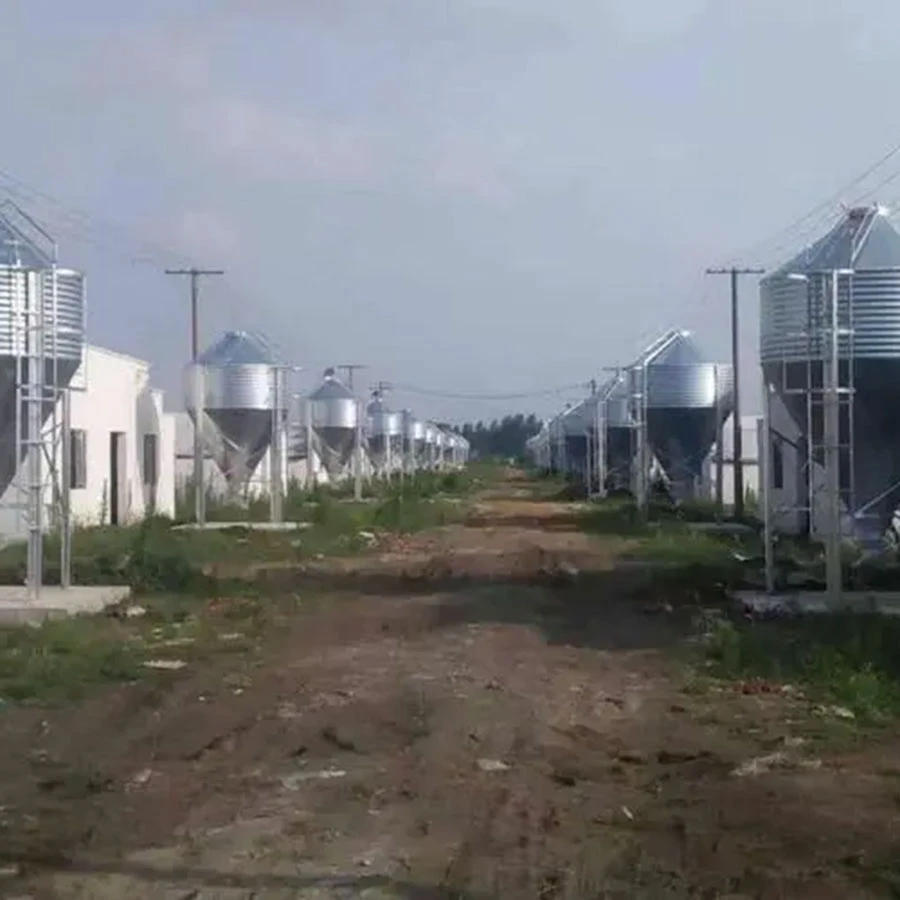
Some interesting real-world applications shine through recent industry case studies. For example: - Europe: Nearly 60% of new pig and poultry flooring installations use polypropylene plastic slats, largely in Germany, Denmark, and the Netherlands, reflecting strict environmental regulation and welfare standards. - Asia-Pacific: Rapid modernization in countries like China and India drives demand, where modular, quick-install floors downplay the need for long-term construction projects. - Post-Disaster Zones: NGOs involved in livestock recovery after floods or earthquakes in Southeast Asia have used polypropylene panels for rapid pen rebuilds, combining ease of transport with durability. - Remote Industrial Regions: Mining or agricultural outposts in Australia and South America rely on these floors due to their chemical resistance and simple maintenance even under tough conditions. No matter the context — whether mega-farms or urgent relief sites — polypropylene plastic slatted flooring assists with safe animal husbandry and sanitary environments.Advantages And Long-Term Value For Farmers And Stakeholders
- Economic Savings: Reduced floor replacement cycles mean less downtime and fewer capital expenses. - Animal Health: Lower disease prevalence, which also drops antibiotic use. - Environmental Compliance: Helps farms meet tightening emission regulations. - Worker Safety and Hygiene: Cleaner floors reduce worker exposure to harmful gases. - Trust & Transparency: Customers increasingly demand welfare-friendly sourcing — flooring innovations play a role here. It’s not only logical to adopt these floors; many farmers say it feels empowering to invest in innovations that actually improve life quality for animals and people alike.What To Expect Moving Forward: Trends And Innovations
The future’s looking interesting. Here’s what many watchers and manufacturers highlight: - New polypropylene blends infused with UV stabilizers and anti-bacterial additives. - Integration of IoT sensors into slatted flooring for real-time ammonia and moisture monitoring. - Circular economy initiatives encouraging full recycling or reprocessing of end-of-life floors. - Automation in installation and smart design software to optimize floor layouts for specific herds. In a way, the humble slatted floor is becoming an essential node in the digital transformation of agriculture. I suppose we often overlook how something so "mundane" could be a keystone of future smart farms.Addressing The Challenges — And How To Overcome Them
Despite clear benefits, not everything is perfect: - Initial cost: The upfront investment still feels steep for small-scale farms, especially in low-income regions. - Material sensitivity: Polypropylene is less heat-resistant than concrete — charred floors post-wildfire are an occasional concern. - Installation errors: Poorly installed slats can cause sharp edges or gaps that harm animals. Fortunately, many brands now offer training or turnkey installations, and financing options help smallholders upgrade. New composite materials also push durability higher, helping in more extreme climates or industrial uses.Polypropylene Plastic Slatted Flooring: FAQ
Q: How long does polypropylene slatted flooring typically last on a farm?A: With proper maintenance and usage, these floors usually last 8 to 12 years, sometimes longer. Their chemical resistance and durability make them ideal for intensive livestock environments. Q: Are these plastic floors environmentally friendly compared to alternatives?
A: Yes, because polypropylene is recyclable, and manufacturing now often incorporates recycled materials. They also reduce ammonia emissions by improving waste drainage. Q: Can I customize polypropylene slatted flooring panels for different animal types?
A: Absolutely. Panels come in various sizes, thicknesses, and gap widths tailored for pigs, poultry, cattle, or other species. Custom orders suit unique barn layouts as well. Q: How complicated is installation? Can farmers do it themselves?
A: Polygon floor installation is usually straightforward — panels are modular and lightweight. Many farmers can do this themselves, but expert installers offer faster, safer results. Q: Does the plastic become slippery or unsafe for animals?
A: Manufacturers design slatted surfaces with textured patterns for grip, minimizing slips and injuries. Regular cleaning also preserves traction.
Product Specification Table for Polypropylene Plastic Slatted Flooring
| Specification | Details |
|---|---|
| Material | Polypropylene copolymer with UV stabilizers |
| Panel Size | 1200mm x 600mm (custom sizes available) |
| Slat Width | 30mm |
| Weight per Panel | 5.5 kg |
| Load Capacity | Up to 3500 kg/m² |
| Operating Temperature | -20°C to +60°C |
| Fire Resistance | UL94 HB (Horizontal Burn) |
Comparison Of Leading Polypropylene Plastic Slatted Flooring Vendors
| Vendor | Material Quality | Custom Sizes | Price Range (per m²) | Additional Services |
|---|---|---|---|---|
| AgriSlat Ltd. | High-grade UV stabilized | Yes | $40–$55 | Installation support & training |
| PolyFarm Solutions | Standard polypropylene | Limited | $35–$50 | Bulk discounts |
| EcoSlat Industries | Recycled polypropylene mix | Yes, eco-friendly line | $45–$60 | Green certifications & consultancy |
To Wrap Things Up — Why Polypropylene Plastic Slatted Flooring Is Worth Considering
Frankly, it feels like every piece of the livestock puzzle—from animal care to environmental compliance—benefits from this slatted flooring innovation. It combines practicality with forward-thinking materials science and is primed to support farms both large and small across the globe. Sure, challenges remain, but the evolving standards and innovations make this a reliable investment for future-ready farming. If you’re curious to explore how polypropylene plastic slatted flooring might fit your operation, feel free to visit our website: https://www.cxlivestock.com. It’s where tech meets tradition to create better homes for animals — and better results for producers.References
- United Nations: World Population Prospects 2022. (https://population.un.org/wpp/)
- Food and Agriculture Organization (FAO): The State of Food Security and Nutrition 2023. (https://www.fao.org/state-of-food-security-nutrition)
- ISO Standards: Animal Welfare and Farm Environment, ISO 17333 (https://www.iso.org)
Post time: Dec . 02, 2025