Understanding Poultry House Ventilation Systems: Why It Matters Worldwide
Poultry house ventilation systems might not be the first thing that springs to mind when you think about global agriculture or sustainable food production. But they are surprisingly vital. These systems regulate air quality and temperature inside poultry buildings—think of them as the lungs of a modern chicken coop, but much more complex. Given that the global demand for poultry meat and eggs has been surging steadily (the UN estimates poultry meat production has doubled in the last 30 years), understanding these systems isn’t just tech talk; it’s about feeding billions sustainably while preserving animal welfare. Good ventilation keeps birds healthy, controls moisture and ammonia, and reduces disease risks — all of which improve productivity and reduce costs. It’s a simple concept, but the designs have evolved into sophisticated setups that balance energy use, climate conditions, and the fickle biology of millions of birds. ### Mini takeaway: Poultry house ventilation is more than airflow: it’s a crucial piece in feeding the world responsibly. ---Global Context: Why Poultry Ventilation Systems Are a Growing Priority
Globally, poultry farming constitutes a major pillar of food security. According to the Food and Agriculture Organization (FAO), the poultry sector supplies about 30% of the world’s animal protein. Yet, poultry houses are often energy-intensive and, if poorly ventilated, become a hotbed for disease outbreaks — challenges that affect economies and livelihoods worldwide. Many developing regions face the twin problem of boosting output while managing animal welfare and resource consumption. For instance, Southeast Asia’s poultry industry has expanded rapidly, and poor ventilation has aggravated outbreaks of avian influenza. On the flip side, in cold climates like Scandinavia, improper ventilation can cause moisture buildup, hurting bird health during winter. The challenge is designing systems that work across vastly different environments—tropical, arid, temperate— while remaining affordable and easy to maintain. Luckily, advances in technology and materials are helping tackle these issues head-on. ---What Exactly Are Poultry House Ventilation Systems?
In simple terms, a poultry house ventilation system is a mechanical or natural method to exchange indoor air in a poultry barn to maintain an optimal microclimate for the birds. That includes controlling temperature, humidity, fresh air supply, and removing gases like ammonia. Think of it like your own home's HVAC but tailored for hundreds or thousands of birds. The system must account for bird density, seasonal weather, and even the stage of the flock’s growth. Without proper ventilation, the poultry house environment turns hostile—high ammonia levels and excess heat stress birds, reducing growth rates or even causing fatalities. So, beyond being a technical necessity, these systems embody a connection between agriculture, environmental science, and biosecurity—fundamental in modern intensive farming. ---Key Components and Factors in Poultry Ventilation Systems
Let’s quickly break down the main aspects you’ll want to consider when evaluating or designing ventilation systems:1. Airflow Control
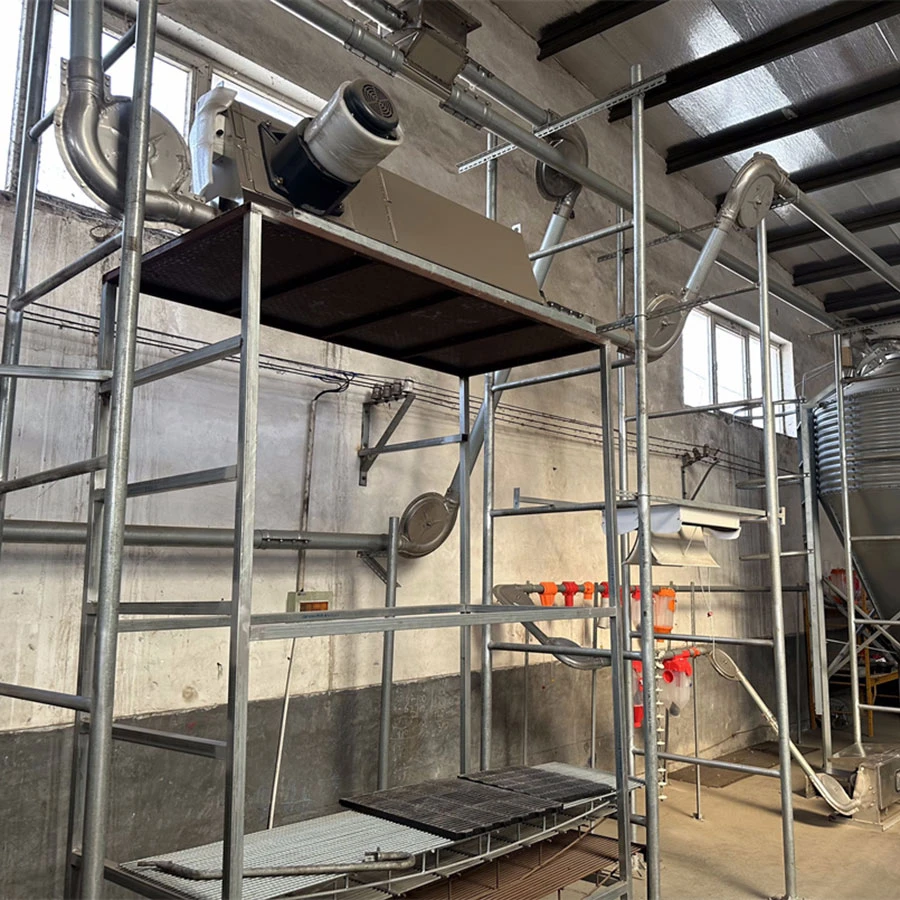
The heart of any ventilation system is how it regulates fresh air inflow and stale air outflow. Usually, this means fans, vents, inlets, and sometimes cooling pads that work together to keep air moving smoothly. The goal? Achieve even air distribution without drafts that chill the birds.2. Durability & Materials
Poultry houses are humid and corrosive environments (thanks ammonia and moisture), so components like fans and ductwork must resist rust and damage. Galvanized steel, PVC, and coated metals are commonly used to ensure longevity.3. Energy Efficiency
Energy use is a cost driver. Many modern ventilation setups integrate variable speed fans and automated controls to minimize electricity consumption without compromising air quality.4. Scalability & Flexibility
Whether it’s a small rural farm or an industrial operation housing tens of thousands of birds, ventilation systems must scale accordingly. Modular designs help farmers tweak airflow based on flock size or architectural layout.5. Automation and Control Systems
Thermostats, humidity sensors, and integrated AI tools now assist farmers in fine-tuning ventilation. Smart systems can adapt automatically to changing external and internal conditions — it’s 21st-century poultry management. --- ### Mini takeaway: Choosing or upgrading a ventilation system is a balance of airflow, durability, efficiency, and smart controls — all driven by bird welfare and cost-efficiency. ---Where Are These Systems Making a Difference? Real-World Applications
Poultry house ventilation systems play pivotal roles across geographies and sectors: - Southeast Asia: Small to medium farms are increasingly adopting enhanced ventilation techniques to combat heat stress and disease. - North America & Europe: Large-scale industrial poultry farms rely heavily on automated ventilation to meet strict welfare regulations and reduce labor. - Post-Disaster Relief: In regions devastated by floods or hurricanes, temporary poultry housing equipped with efficient ventilation helps ensure quick recovery of local food production. - Remote Industrial Zones: Mining camps or remote construction sites sometimes establish poultry units with portable ventilation setups to supply fresh protein locally. For example, a poultry farm in Kenya recently reported a 15% increase in bird growth rates after upgrading to a ventilation system with automated fans and humidity controls — an impressive ROI for a region grappling with frequent droughts and erratic weather. ---Advantages and Long-Term Gains of Good Ventilation
At first glance, ventilation might seem like a background player. But the benefits extend beyond the obvious: - Cost Savings: Improved air quality reduces disease prevalence and mortality, cutting veterinary expenses. - Sustainability: Efficient systems reduce energy use, aligning farms with global carbon reduction goals like those outlined by ISO 14001. - Animal Welfare: Birds thrive in stable environments, which in turn yields higher quality meat and eggs. - Social Impact: Healthier flocks mean more reliable income for farmers, supporting rural economies. - Trust & Innovation: Using cutting-edge ventilation signals professionalism, helping brands build trust with consumers focused on humane farming. Emotionally, it’s also about dignity. Providing animals with better living conditions resonates for many farmers beyond pure economics. ---What’s Next? Future Trends and Innovations
The future for poultry ventilation has a few exciting avenues: - Renewable Energy Integration: Solar-powered ventilation and hybrid battery solutions help power isolated farms sustainably. - Internet of Things (IoT): Sensors coupled with cloud analytics allow real-time monitoring and predictive adjustments. - Advanced Materials: Antimicrobial coatings and corrosion-resistant composites extend equipment lifespan. - Automated Climate Zones: Dividing large houses into microclimates controlled independently is gaining traction. - Green Building Certifications: Ventilation design is becoming part of broader sustainability certifications for agricultural buildings. ---Common Challenges and How to Tackle Them
Anyone who’s worked with poultry ventilation knows a few sticking points: - High Initial Investment: Quality systems aren’t cheap, but spreading costs over years of operation can justify it. - Maintenance Issues: Dust and biofilm buildup reduce efficiency—regular cleaning and part replacement are essentials. - Energy Costs: Using variable speed fans and smart controls helps manage spikes. - Adaptation to Weather Extremes: Robust engineering and local climate adaptation go hand-in-hand. - Technical Know-How: Training farmers and technicians is key to maximizing benefits. Often, combining local knowledge with international standards yields the best results. ---Product Specifications: Typical Poultry House Ventilation System
| Feature | Specification | Description |
|---|---|---|
| Fan Type | Axial, Variable Speed | Controls airflow volume and speed. |
| Air Inlets | Adjustable Louvers | Regulate fresh air entry and avoid drafts. |
| Control System | Digital Thermostat with Humidity Sensor | Automates fan speed according to conditions. |
| Material | Galvanized Steel & PVC Coated | Corrosion resistance in humid environments. |
| Energy Use | ~1.2 kWh per 1000 birds / day | Estimated under average cooling needs. |
Vendor Comparison: Leading Poultry Ventilation System Suppliers
| Vendor | Key Feature | Price Range (USD) | Support & Training |
|---|---|---|---|
| VentAir Tech | Smart AI-driven automation | $$$ (Premium) | Comprehensive onsite and remote |
| AgroFlow Systems | Energy-efficient fan arrays | $$ (Mid-range) | Online tutorials and phone support |
| FarmBreathe | Modular, scalable units | $ (Budget-friendly) | Limited, mostly self-service docs |
FAQ: Frequently Asked Questions About Poultry House Ventilation Systems
Q1: How often should ventilation systems be maintained for optimal performance?Regular maintenance is crucial. Most experts recommend checking fans, cleaning air inlets, and inspecting control units every 3-6 months, depending on usage. Dust and debris can clog components, reducing airflow and bird comfort.
Q2: Can natural ventilation be enough for poultry houses in tropical climates?
Natural ventilation can suffice for small or open-sided houses in mild climates, but often falls short in tropical environments due to heat and humidity spikes. Mechanical systems usually ensure better control and consistent air quality throughout the day.
Q3: Are automated ventilation systems cost-effective for small farms?
Though initially pricier, automation can save labor and reduce energy bills in the long run. Small farms should weigh upfront costs versus expected gains in flock health and operational efficiency.
Q4: How does ventilation affect the spread of diseases in poultry houses?
Proper ventilation reduces airborne pathogens and ammonia buildup, which helps limit respiratory diseases. Poor airflow creates hotspots for bacteria and viruses, ultimately affecting mortality rates.
Q5: Can these systems be retrofitted into older poultry houses?
Yes, many ventilation systems are designed to be modular and adaptable, making retrofitting possible. It’s important to assess the building’s structure and electrical capacity to ensure compatibility. ---
Wrapping Up: Investment That Pays Off
In the grand scheme, poultry house ventilation systems offer a surprisingly big bang for the buck. They protect bird health, boost production, reduce energy waste, and align with sustainability imperatives that global markets increasingly demand. Whether you run a backyard flock or operate a massive industrial facility, investing time and resources in smart ventilation pays tangible dividends. Don't just take it from me — many engineers and farmers swear by upgrading their systems as a turning point in profitability and peace of mind. For more insights and the latest product offerings, visit poultry house ventilation systems. --- ### References 1. Food and Agriculture Organization of the United Nations (FAO) – Poultry Sector Overview 2. ISO 14001 Environmental Management Standards 3. Wikipedia – Poultry Farming (https://en.wikipedia.org/wiki/Poultry_farming)Post time: Dec . 02, 2025