A Field Guide to Poultry Slat Flooring in Modern Barns
If you’ve walked a broiler house at 5 a.m., you already know: flooring is the silent partner of bird health. Over the last five years, I’ve watched farms shift from ad‑hoc wood and wire to engineered plastic slats that balance hygiene, footing, and fast clean-outs. Honestly, it wasn’t just fashion—biosecurity and labor shortages pushed the change.
Industry trends that actually matter
- Shift to PP/PE copolymer slats with UV stabilizers to reduce cracking and chalking.
- Bigger birds, tighter cycles—so higher static loads and better waste drop-through geometry.
- Cleaner turnarounds: pressure-washable, low-porosity surfaces to combat Salmonella and coccidia.
Technical overview
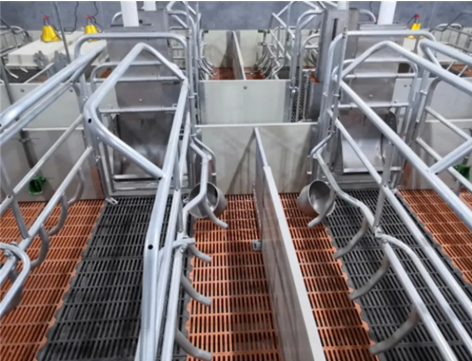
Most high-quality Poultry Slat Flooring is injection-molded PP/PE (sometimes glass-fiber reinforced ≈10–15%). Look for rounded ribs (reduces keel and toe injuries), 10–14 mm slot widths for reliable manure fall-through, and non-slip microtexture. Real-world service life? Around 8–12 years, depending on UV exposure, stocking density, and chemical use.
Typical product specifications (example)
| Panel size | 600×600 mm, 600×1200 mm (custom on request) |
| Material | PP/PE copolymer + UV stabilizer; optional fiberglass |
| Static load rating | ≥ 350 kg/m² (ASTM D6109/ISO 178 lab method, ≈ values) |
| Slot width / rib radius | 10–14 mm / ≥2.0 mm radius to reduce footpad lesions |
| Surface | Textured, COF ≈0.55–0.65 (ASTM D1894) |
| Temperature range | -20 to 60°C; HDT ≈ 70–85°C (ISO 75) |
| Certifications | ISO 9001; material RoHS/REACH compliant; optional ISO 22196 antibacterial |
Process flow, testing, and QC
Poultry Slat Flooring usually follows: resin selection → compounding (UV/antimicrobial) → injection molding → deburring → load/impact testing → UV cabinet aging (ISO 4892) → washdown trial → final inspection. Many customers say the washdown test is the make-or-break step. We also look for flexural performance (ASTM D790), slip tests, and visual checks for flash and warp. Service life claims are conservative when barns run foam detergents and neutral sanitizers.
Applications and field notes
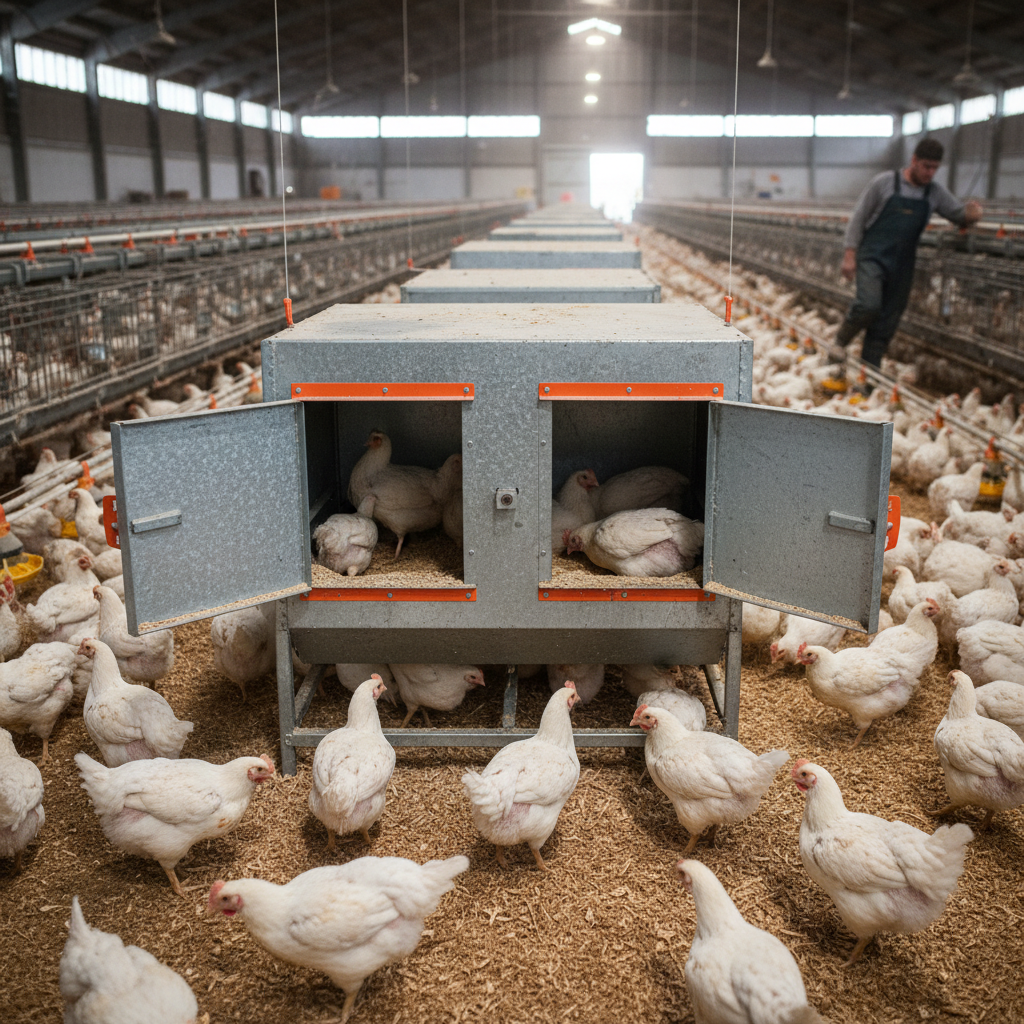
- Broilers, breeders, and replacement pullets; also turkey starter pens (with heavier frames).
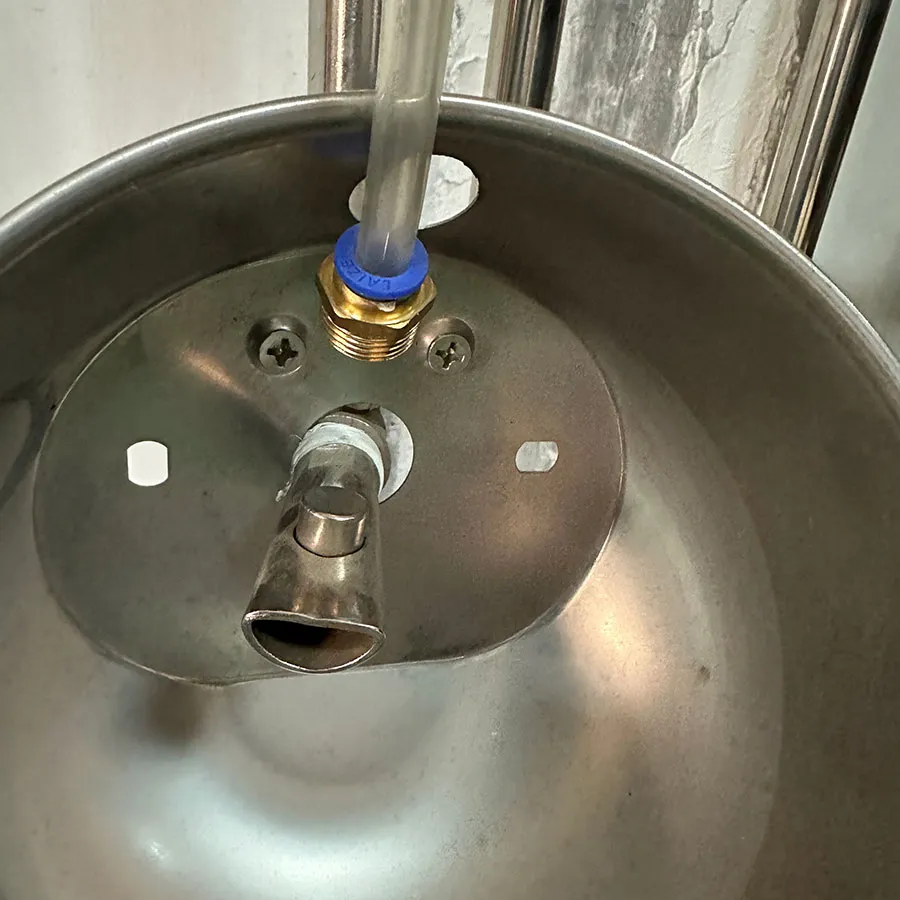
- Zones under drinker lines to limit wet litter; around feeders for cleaner breast feathers.
- Retrofitting old timber slats—surprisingly quick if you keep your substructure true and level.
Vendor snapshot and comparison
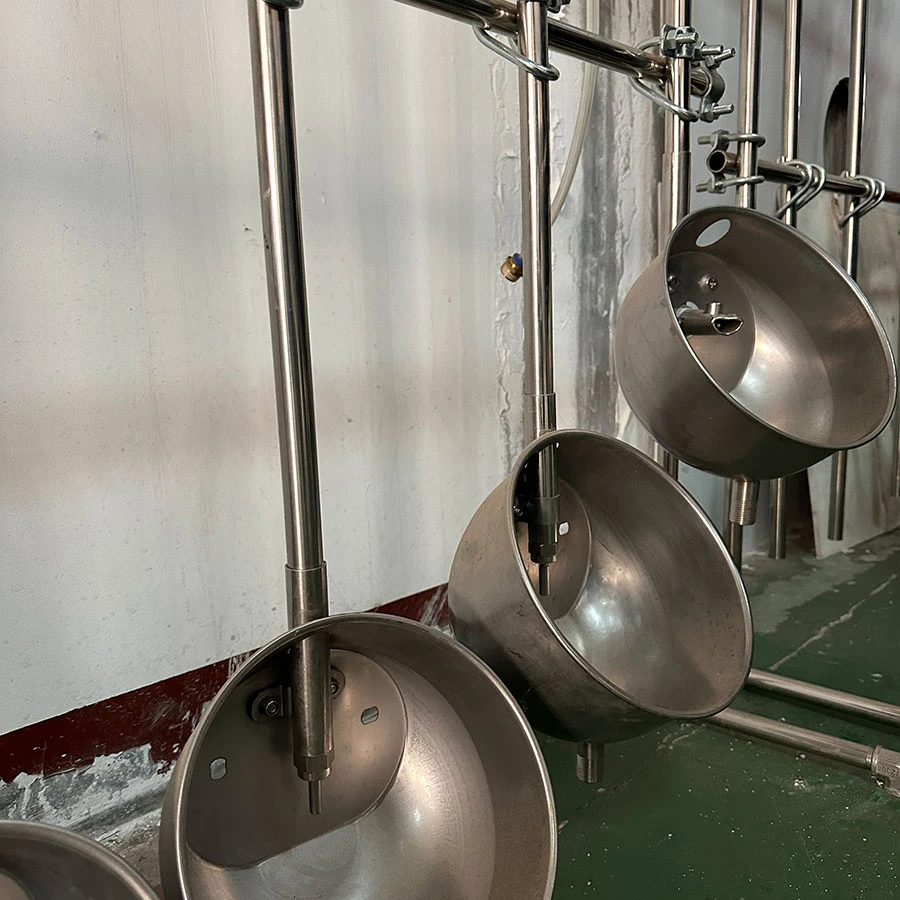
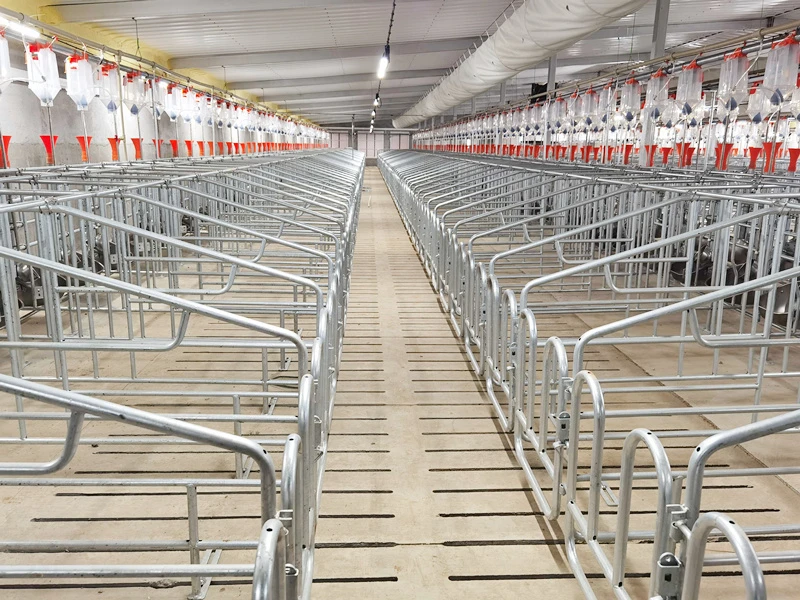
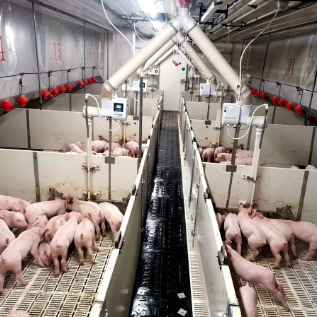
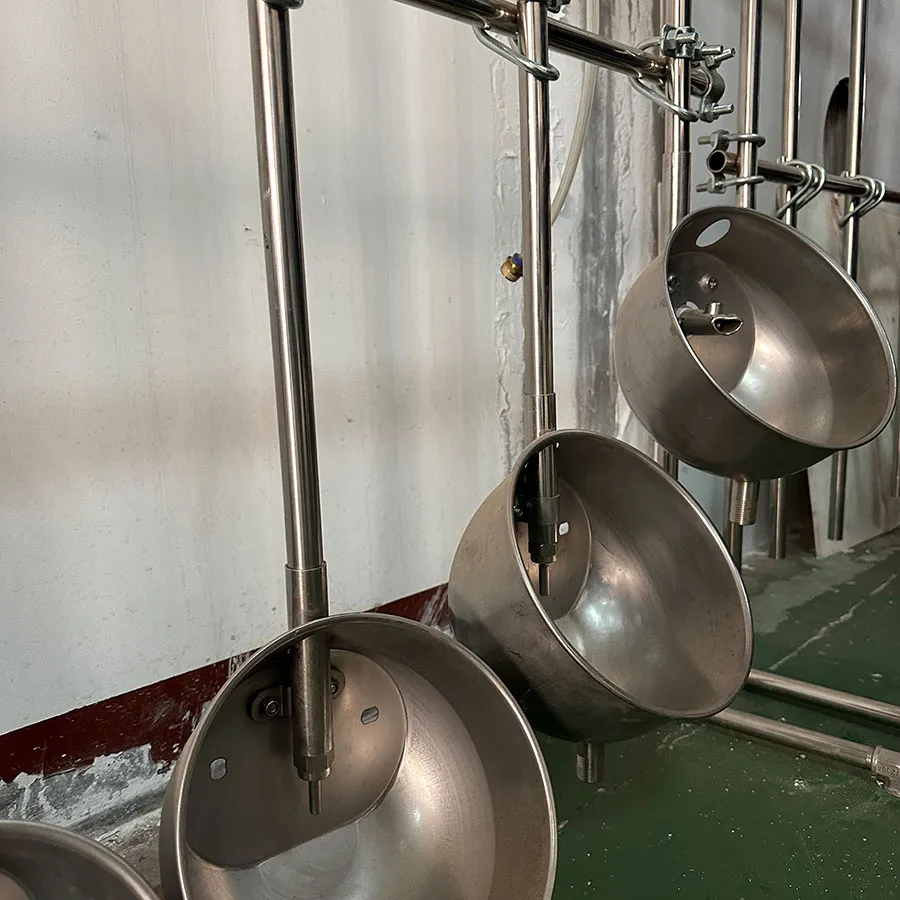
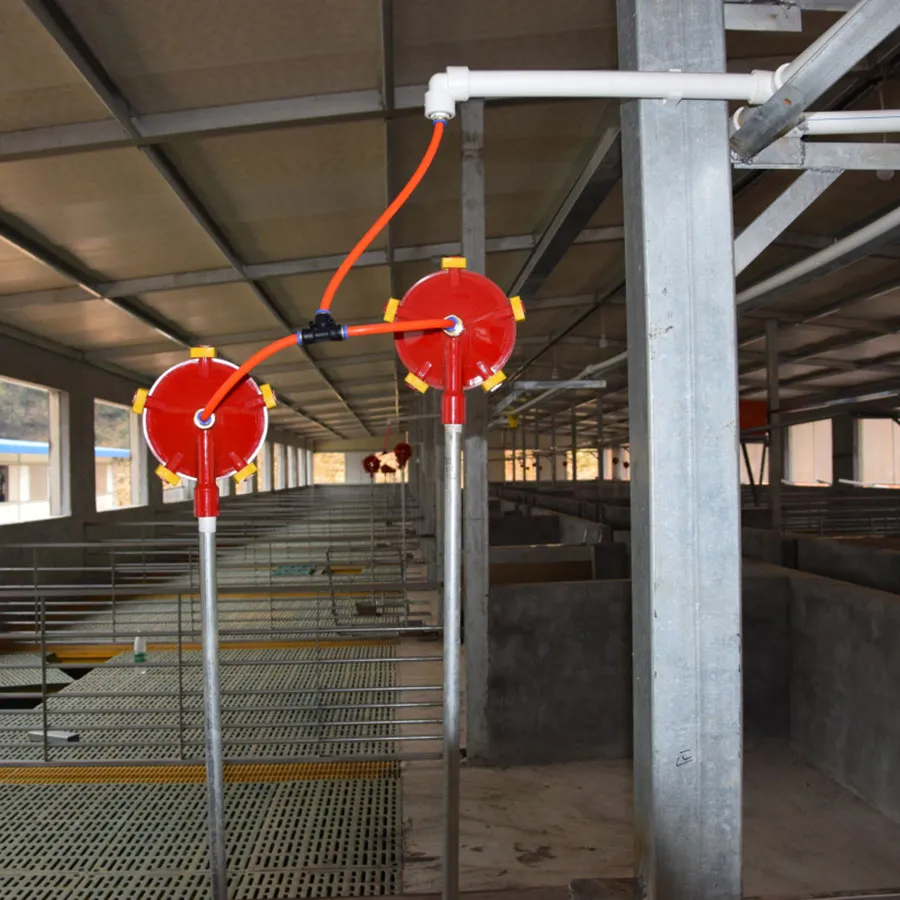
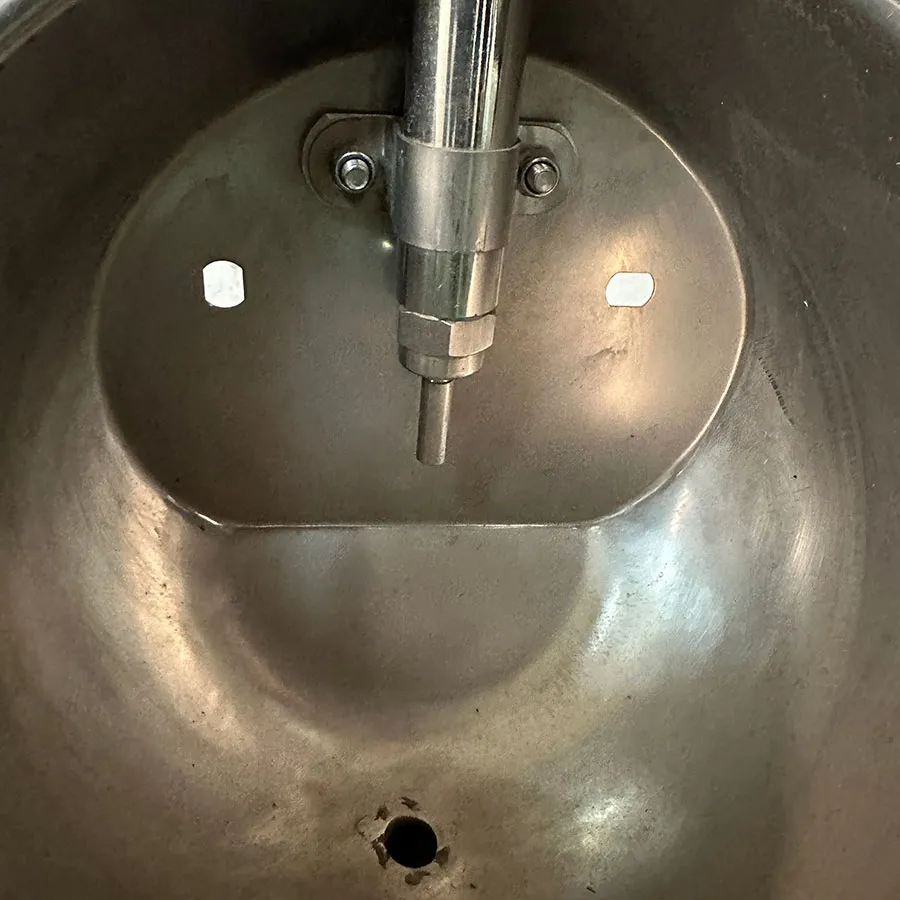
Several Chinese manufacturers now bundle flooring with watering gear. One example: CX Livestock (Dongtai Road, Economic and Technological Development Zone, Huanghua City, Hebei, China) supplies flooring alongside pig drinkers and bowls—handy for full-house upgrades.
| Vendor | Strengths | Watch-outs | Best for |
| CX Livestock | Integrated drinker/flooring kits; responsive customization | Lead times peak pre-season | Mid-to-large houses needing bundled systems |
| Vendor B (OEM) | Aggressive pricing; basic sizes | Fewer test reports provided | Budget retrofits |
| Vendor C (Premium) | High UV package; thicker ribs | Pricey; MOQs | Hot climates; long warranties |
Customization, installation, and real feedback
Custom colors help zone houses (blue under drinkers, gray elsewhere). Edge clips and risers can be tailored to legacy frames. Install tip: I guess it’s obvious, but shim the subfloor before you blame the slats for rocking.
Field data from three growers show a 7–12% reduction in footpad dermatitis scores after switching to Poultry Slat Flooring, plus faster clean-outs (≈25 minutes saved per 100 m²). Not magic—just better drainage and less caking.
Case studies
- Thailand breeder house, 1,200 m²: UV-stabilized slats; after 18 months, measured deflection under 300 kg/m² load was 3.8 mm (within spec).
- Spain broiler complex: mixed litter-and-slat approach under drinker lines cut condemnations for hock burn by ≈9% over two cycles.
Standards and test notes
Ask vendors for material safety (REACH), UV aging (ISO 4892), tensile/flexural (ASTM D638/D790), slip (ASTM D1894), and antibacterial reports (ISO 22196, optional). Also check cleaning chemical compatibility—real-world use may vary.
- FAO, Good Practices for Biosecurity in the Pig and Poultry Sector.
- WOAH (OIE), Terrestrial Animal Health Code – Broiler Chicken Welfare.
- ASTM D638/D790, Standard Test Methods for Tensile and Flexural Properties of Plastics.
- ISO 4892, Plastics — Methods of exposure to laboratory light sources (UV weathering).
- ASTM D1894, Standard Test Method for Static and Kinetic Coefficients of Friction of Plastics.
Post time: Oct . 22, 2025