Understanding Poultry Slatted Floors: A Global Perspective
Poultry slatted floors might not be on everyone’s radar, but they’re quietly shaping the way poultry farming—and related industries—handle hygiene, efficiency, and animal welfare worldwide. The concept is deceptively simple: raising birds on floors made of slats with gaps underneath that allow droppings to fall through. Yet, the impact is anything but trivial. With the world’s appetite for poultry steadily rising (the FAO reports poultry meat as one of the fastest-growing protein sources globally), managing hygiene and sustainability in farms becomes paramount.
Understanding poultry slatted floor systems unlocks insights into better farm management, reducing disease spread, optimizing labor, and even cutting environmental footprints. Plus, it touches on global food security, animal welfare, and the complex supply chains fueling billions of meals daily.
Introduction: Why Poultry Slatted Floors Matter Globally
Our modern food systems depend heavily on poultry, with over 130 million tons produced annually worldwide (source: UN FAOSTAT). The challenge? Maintaining large-scale farms without compromising animal health, farmworker safety, or pollution controls. This is where poultry slatted floors come in—they address a pressing problem: how to keep poultry housing clean, dry, and manageable on a huge scale.
Globally, poultry farming faces hurdles ranging from disease outbreaks to environmental regulation. Slatted floors help by promoting droppings management and reducing contact between birds and waste, which lowers contamination risks. Especially in developing regions, adopting these systems can mean fewer losses, better quality meat, and improved livelihoods. It’s a practical answer to a global puzzle.
What Is a Poultry Slatted Floor?
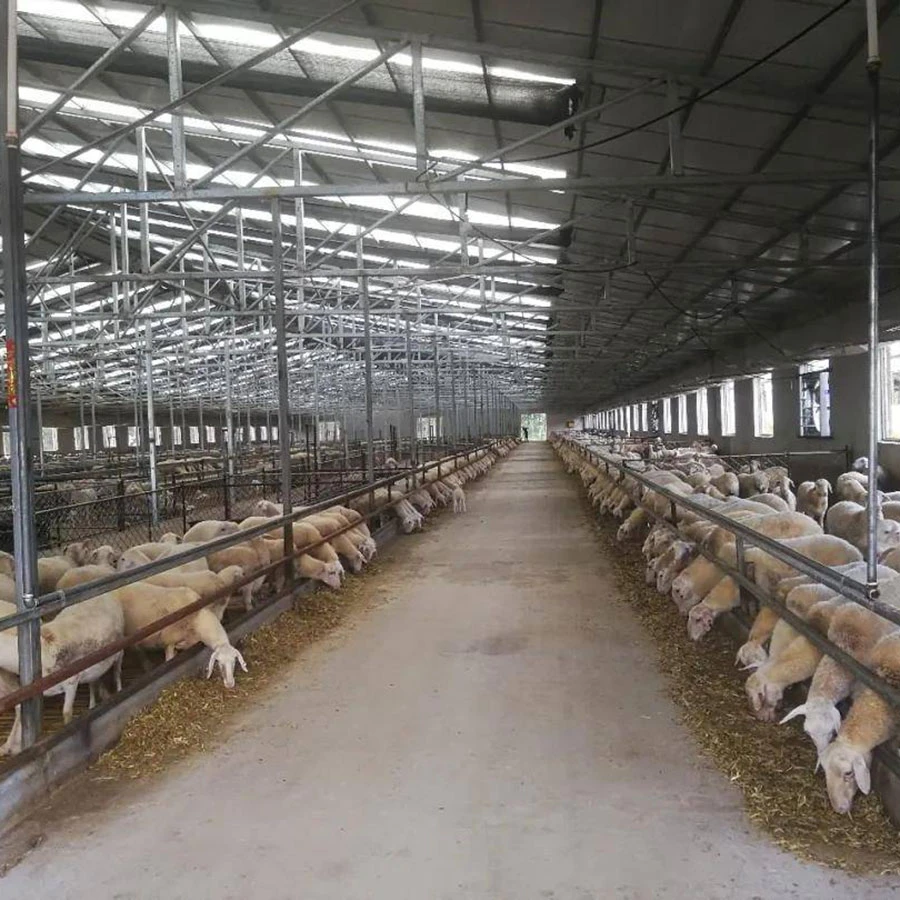
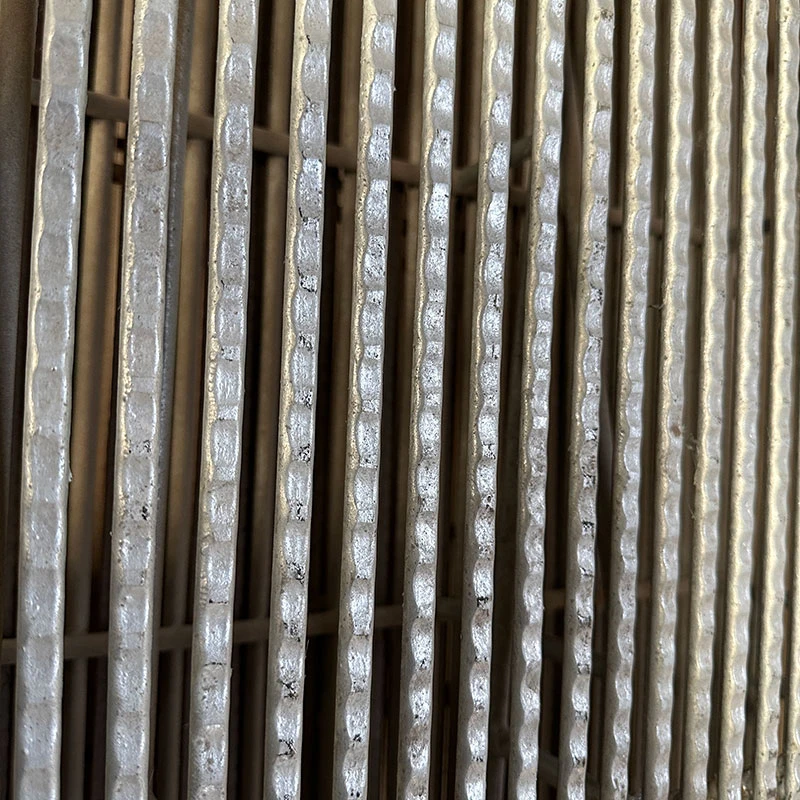
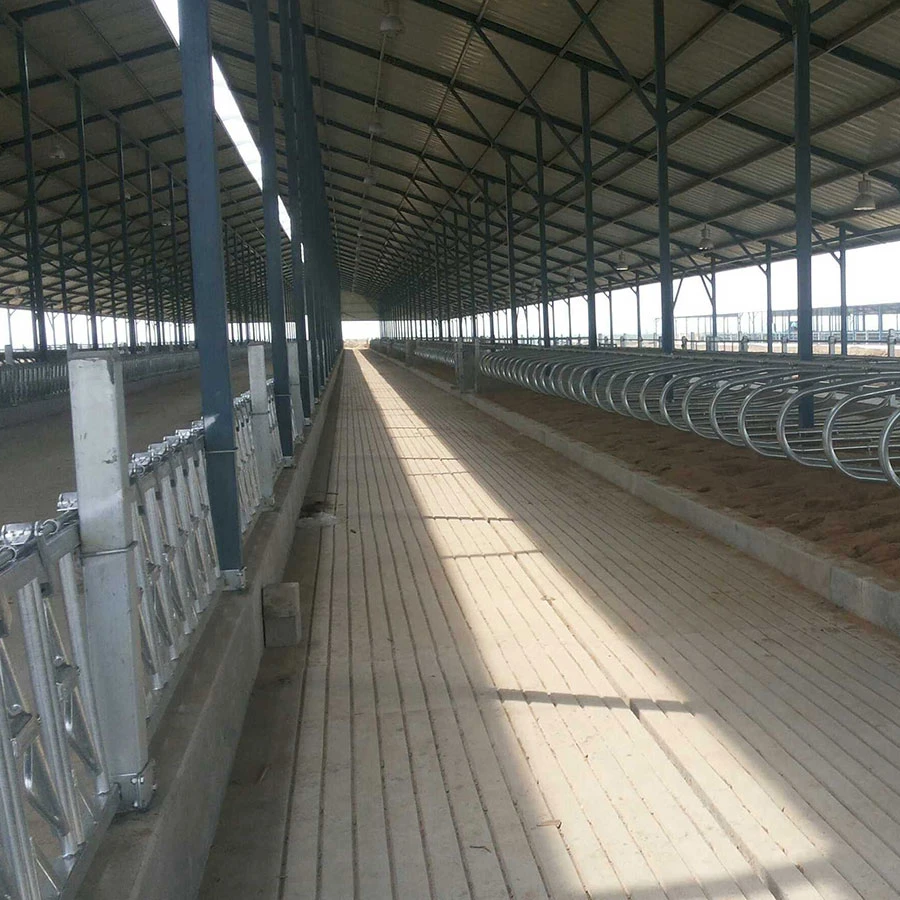
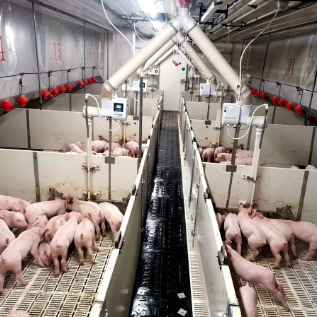
Simply put, a poultry slatted floor is a type of raised flooring system composed of interlocking slats—made from materials like plastic, wood, or metal—that allow droppings to fall through gaps to a collection area underneath. This design helps maintain a cleaner environment for the birds, making manure removal easier and lowering ammonia buildup.
These floors aren’t just an architectural choice; they connect deeply with modern poultry farming’s emphasis on biosecurity, productivity, and humane treatment. Instead of using traditional litter floors that quickly become dirty and wet, the slatted design offers a more efficient alternative suited for large flock management—especially in industrial or semi-industrial settings.
Key Elements of Poultry Slatted Floors
Durability & Materials
The materials used for slatted floors vary but usually balance strength with ease of cleaning. Plastic slats are common for their resistance to moisture and chemicals, while wood and metal are sometimes preferred for cost or local availability. Durability is crucial, given the constant weight of the birds and the need for regular sanitation.
Ventilation & Waste Management
The slatted floor’s gaps allow droppings to fall below into pits or conveyor systems, enhancing cleanliness and lowering ammonia levels—a key benefit for bird respiratory health. Good ventilation underneath prevents moisture buildup, reducing diseases and odors. It's a classic “less contact, better air” approach.
Scalability & Adaptability
Whether you’re managing a smaller farm or a commercial-scale operation, slatted floors can be tailored to different sizes and layouts. Modular designs allow easy installation or replacement, fitting various building styles. Flexibility soothes the mind of many farm managers who need cost-effective but durable solutions.
Cost Efficiency
While initial investment in slatted floor systems can be higher than simple litter floors, the long-term benefits—lower labor costs, less frequent deep cleaning, and improved bird health—often outweigh upfront expenses. Many industry pros note the “payback” times can be remarkably short in operational savings.
Animal Welfare Considerations
Contrary to some skepticism, modern slatted floors are designed to support good welfare outcomes by keeping conditions dry and reducing footpad lesions common with wet litter floors. Materials are selected for grip and comfort, ensuring birds aren’t slipping or injured.
Mini Takeaway: Slatted floors blend material science, farm hygiene, and animal comfort to deliver a system designed for sustainable, scalable poultry farming.
Where and How Poultry Slatted Floors Are Used Around the World
The use of poultry slatted floors isn’t limited to one corner of the globe. In Europe and North America, they form part of advanced poultry production systems focused on efficiency and strict biosecurity. Meanwhile, emerging markets in Asia, Africa, and South America are increasingly embracing these systems as they scale operations to meet growing protein demands.
For example, in remote industrial zones in Brazil, farms use slatted floors paired with ventilation systems to maintain bird health amid difficult climate conditions. In post-disaster relief farming projects in Southeast Asia, modular slatted floors have enabled quick setup of hygienic poultry shelters, supporting local food resilience.
Example Use Case Table: Popular Poultry Slatted Floor Models
| Model | Material | Dimensions (L×W mm) | Weight Capacity (kg/m²) | Ideal Use |
|---|---|---|---|---|
| EcoSlat 150 | Polypropylene | 1200×600 | 250 | Medium-range farms |
| StrongSlat Pro | Fiber-reinforced plastic | 1500×700 | 350+ | Industrial-scale operations |
| WoodFlex Slats | Treated hardwood | 1000×500 | 200 | Smallholder farms |
Advantages and Long-Term Benefits of Poultry Slatted Floors
The benefits of poultry slatted floors are a beautiful mix of practical efficiency and broader sustainability goals. For farmers, the biggest wins are cleaner environments, reduced labor (no more endless litter replacement), and healthier birds, which translates to better yields.
Beyond economics, these systems also advance animal welfare, which is increasingly important to consumers and regulators alike. The lowered ammonia and drier conditions reduce respiratory issues and footpad dermatitis, two common welfare concerns.
Environmentally, the cleaner waste separation makes manure easier to compost or use as fertilizer, reducing runoff pollution. Plus, the floors tend to last for years, supporting sustainability by cutting material waste.
In short, you get a system that’s efficient, humane, and environmentally thoughtful—no small feat when you consider how industrial poultry farming is sometimes viewed.
Looking Ahead: Future Trends in Poultry Flooring
The poultry industry is far from static, and slatted floors are evolving alongside. Innovations include using recycled or bioplastics for slats to cut carbon footprint, integrating sensor technology to detect moisture or bird stress, and automating waste removal under the floors to cut labor costs further.
Some farms are experimenting with antimicrobial coatings to reduce bacterial loads, while others adopt smart ventilation systems synced with slatted floors designed to optimize air quality dynamically. Frankly, it’s a bit like blending agriculture with IoT—a trend likely to keep growing.
Common Challenges & Solutions
Despite the benefits, slatted floors aren’t a silver bullet. Initial costs can be daunting for smallholders, and poor design may cause injuries or stress in birds if not properly installed. Also, waste under the slats requires reliable management—without which ammonia can build up detrimentally.
Solutions? Modular designs help spread costs and improve customization. Training farmers on installation and maintenance is crucial. Emerging waste management tech, like automated manure conveyors or bio-digesters, complements the flooring systems nicely.
Vendor Comparison Table: Market Leaders in Poultry Slatted Floors
| Vendor | Material Specialty | Price Range (USD / m²) | Lead Time | Global Reach |
|---|---|---|---|---|
| AgriSlat Corp | Polypropylene Plastic | $12 - $18 | 2–4 weeks | North & South America, Europe |
| FarmTread Systems | Fiber-Reinforced Plastic | $20 - $25 | 3–5 weeks | Europe, Asia |
| EcoWood Flooring | Treated Hardwood | $8 - $12 | 1–3 weeks | Local & regional markets |
FAQ: Common Questions About Poultry Slatted Floors
- What are the main benefits of switching to a poultry slatted floor over traditional litter?
- Poultry slatted floors reduce direct contact with droppings, improving hygiene and bird health, lowering labor for litter replacement, and minimizing ammonia buildup. They offer better waste management and support sustainability efforts on medium to large-scale farms.
- How long do slatted floors typically last before needing replacement?
- Depending on material and usage, plastic or fiberglass slatted floors can last 5–10 years or more with proper maintenance. Wood tends to have a shorter lifespan but is often easier and cheaper to replace.
- Are poultry slatted floors suitable for smallholder farms?
- Yes, though cost and installation complexity can be challenges. Smaller, modular systems are available designed for smallholders, especially in developing regions, boosting productivity and hygiene compared to bare earth or simple litter.
- Can slatted floors be integrated with automated manure collection systems?
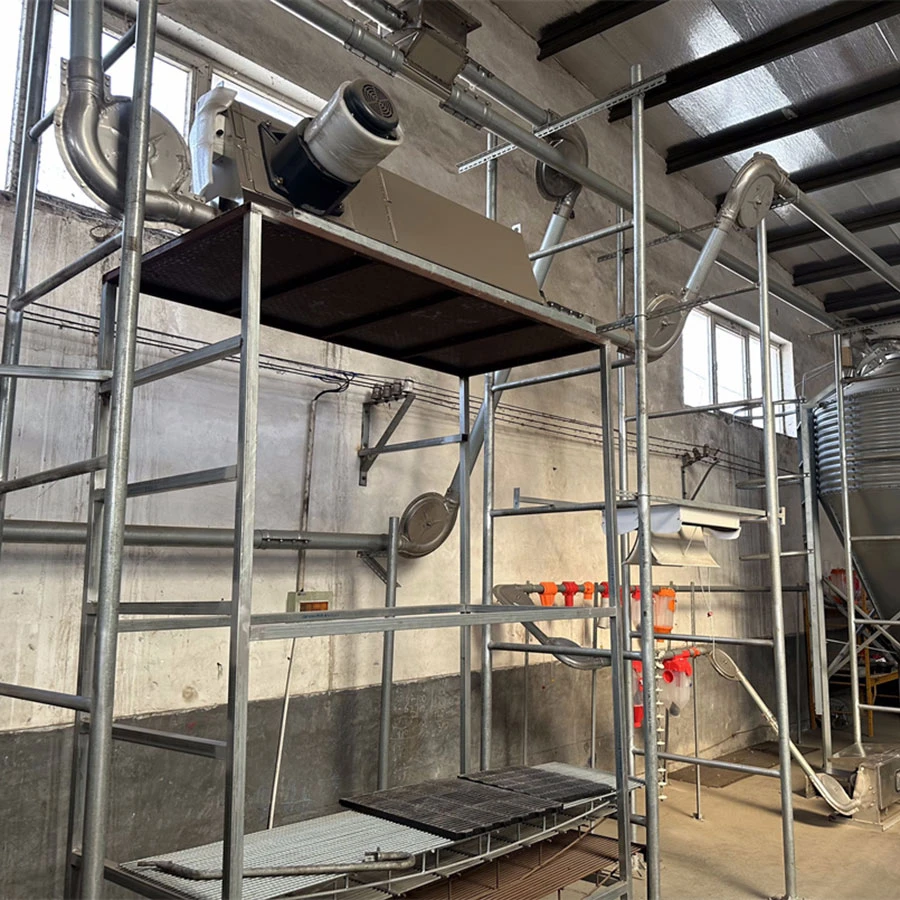
- Absolutely. Many industrial operations combine slatted floors with conveyor belts or scrapers below to automate waste removal, cutting labor demands and improving environmental control.
- How do I choose the right slatted floor for my climate and flock size?
- Consider material durability in your local climate (humidity, temperature), flock weight density, and cleaning practices. Plastic tends to resist moisture and chemicals well, while wood may be cost-friendly but less durable in wet conditions.
Wrapping It Up: Why Poultry Slatted Floors Are Here to Stay
The poultry slatted floor is more than a functional piece of hardware—it’s a keystone in modern, sustainable poultry farming. By keeping environments cleaner and birds healthier, it supports production efficiencies and welfare standards that the global market increasingly demands. And with ongoing innovation pushing environmental sustainability and digital integration, slatted floors look set to stay relevant for years to come.
Curious to explore options or find out how to upgrade your farm? Check out poultry slatted floor solutions that can be customized to your needs.
References:
1. Food and Agriculture Organization of the United Nations (FAOSTAT), 2023
2. Wikipedia - Poultry Farming
3. International Organization for Standardization (ISO) - Animal Welfare Standards
Post time: Dec . 02, 2025