The Quiet Power of Cow Dividers: What They Are and Why They Matter Globally
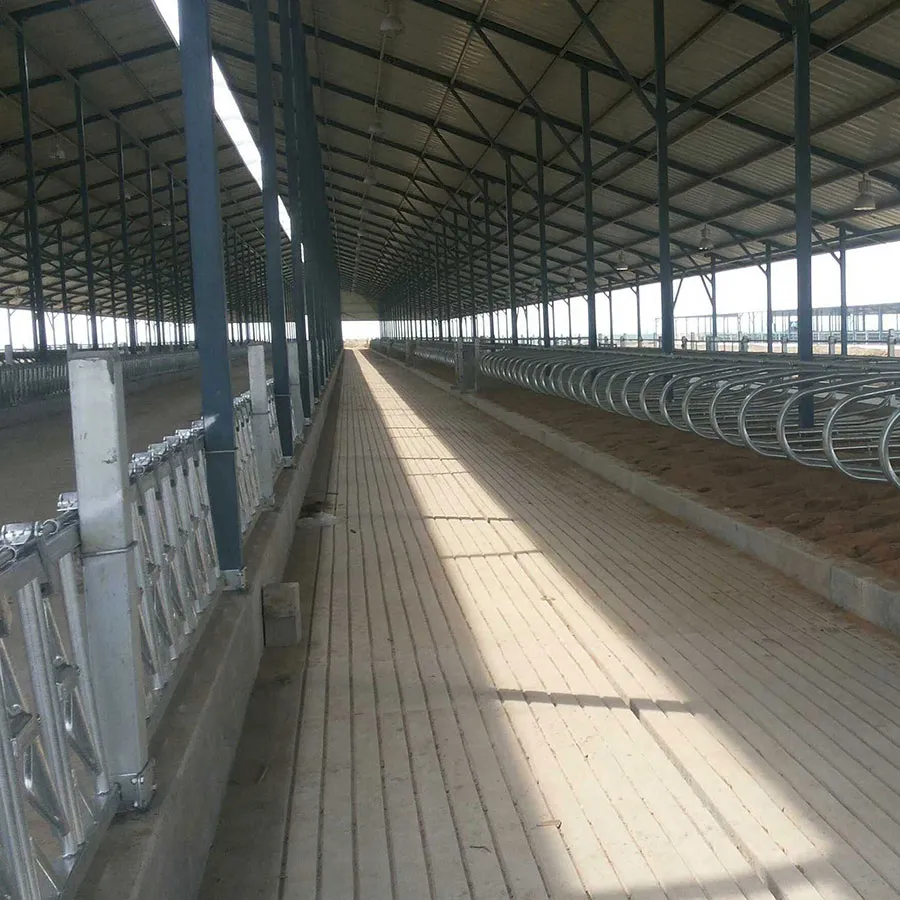
Cow dividers — a term not often front and center in farming conversations outside the agricultural sector, yet these simple devices play an outsized role worldwide. Fundamentally, they’re structures or partitions designed to manage cattle within barns or grazing areas, but their impact goes beyond just keeping cows in their lanes. Properly implemented cow dividers improve animal welfare, optimize space, streamline operations, and ultimately contribute to better productivity for farms of all sizes.
Globally, agriculture is the backbone of food security, trade, and rural livelihoods. The Food and Agriculture Organization (FAO) estimates livestock accounts for nearly 40% of global agricultural GDP, signaling how innovations in livestock management can ripple through economies and communities alike. And here’s the thing: while “cow dividers” might seem like a small piece of the puzzle, they address real challenges like reducing stress and injury in cattle, combating disease spread, and easing human handling — factors that all drive better outcomes in livestock farming.
Why Cow Dividers Have Earned Their Spot in Modern Livestock Management
Let’s zoom out for a second and consider the bigger picture. According to the United Nations' World Food Programme, feeding the predicted 9.7 billion people by 2050 will require a leap in agricultural efficiency. Livestock, especially cattle, are central to this goal. Yet, pastoral farmers and commercial operations face persistent dilemmas: overcrowding, animal stress leading to lower milk or meat quality, and inefficient barn layouts drain both resources and patience.
Cow dividers solve a slice of these problems by offering clear physical boundaries that naturally calm animals, reduce fighting, and aid in orderly feeding or milking routines. Regions from the European Union, where animal welfare regulations are strict under ISO standards, to large cattle farms in the U.S. and emerging African markets increasingly rely on these solutions. These dividers address the practical challenge: how to accommodate more cattle humanely and efficiently.
What Exactly Are Cow Dividers?
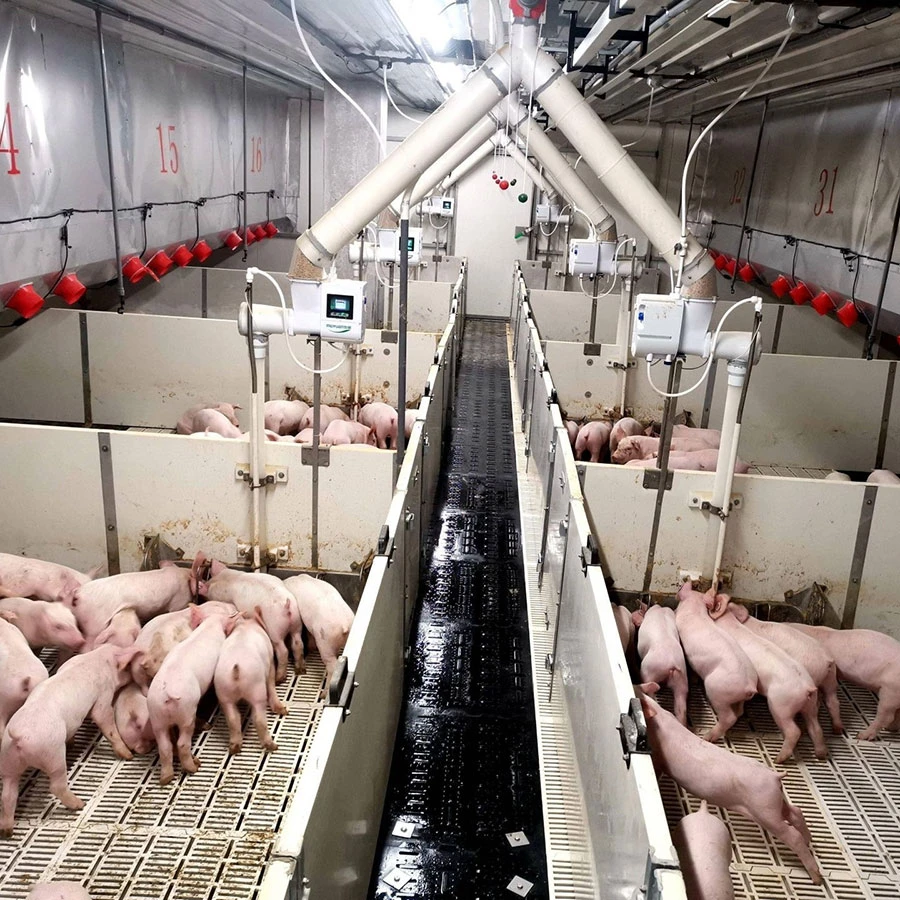
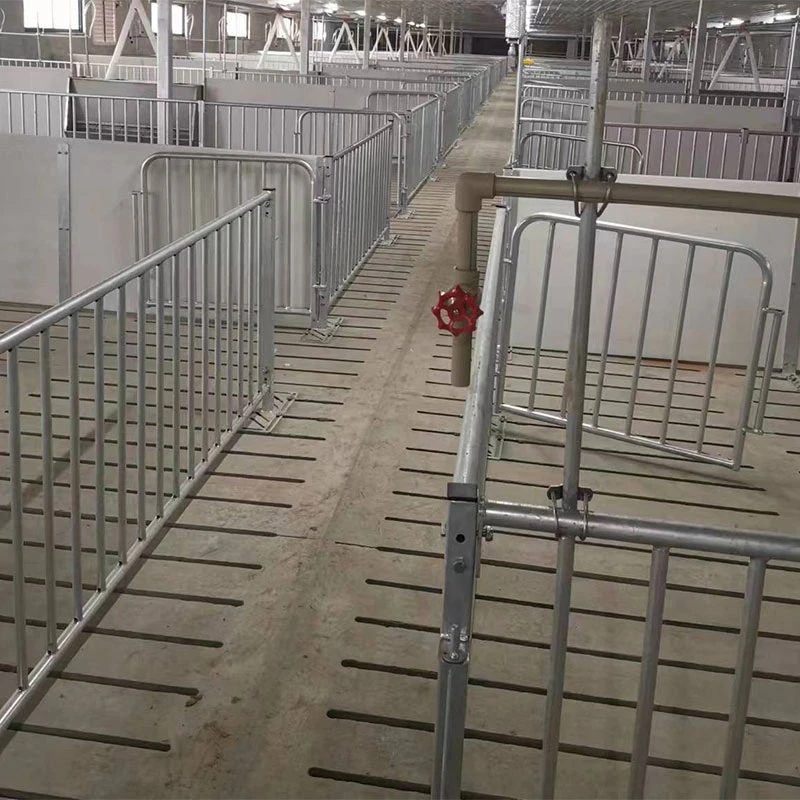
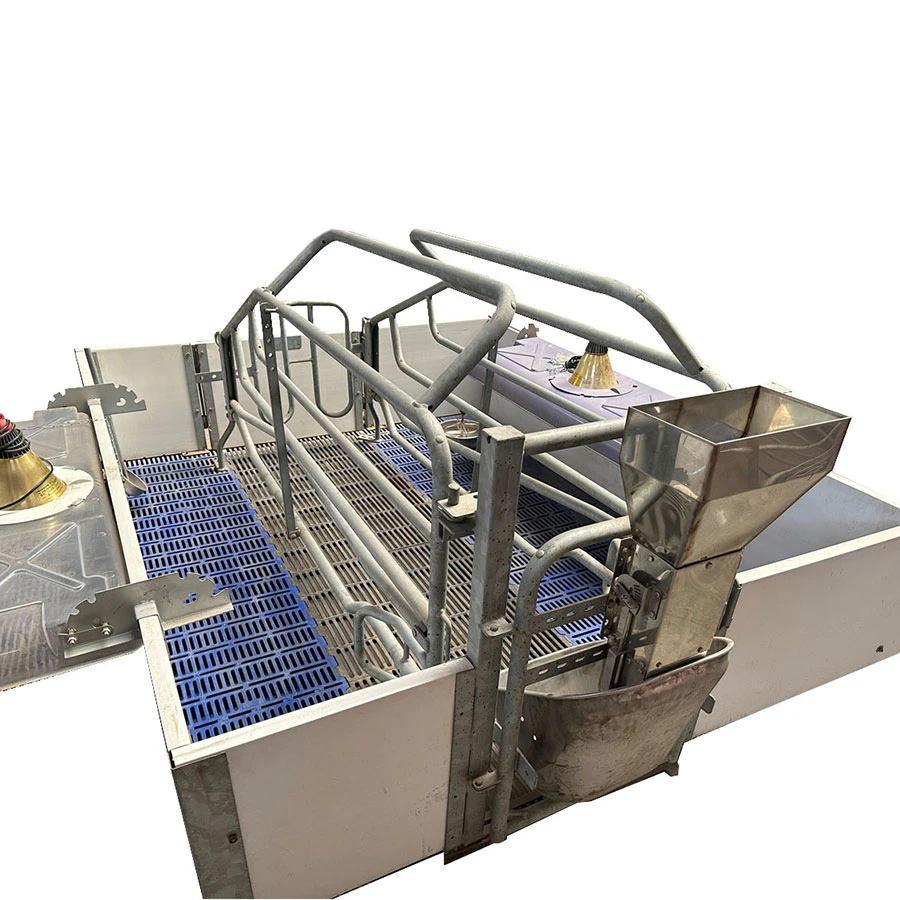
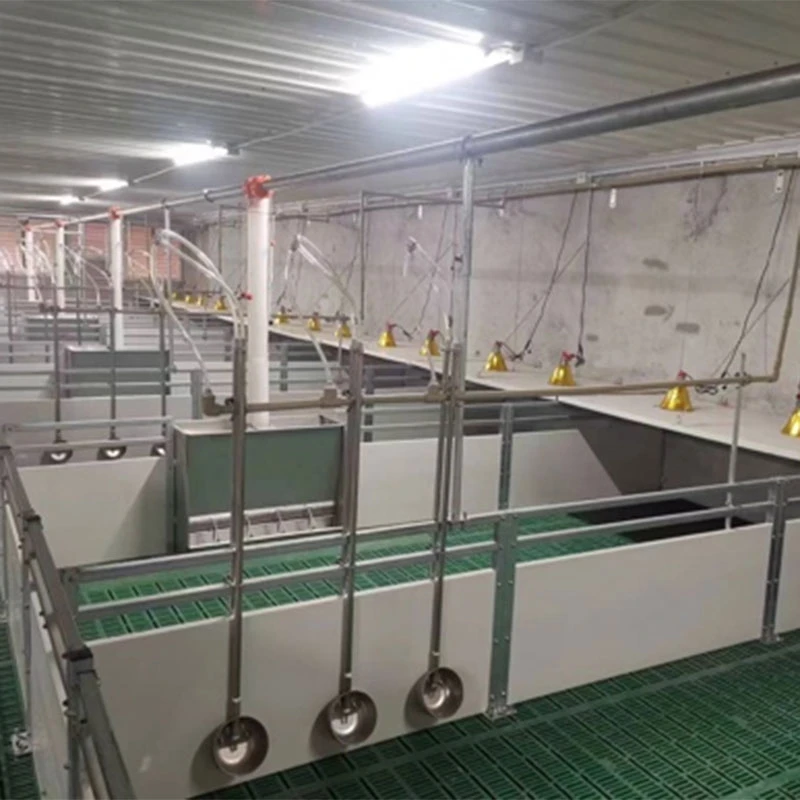
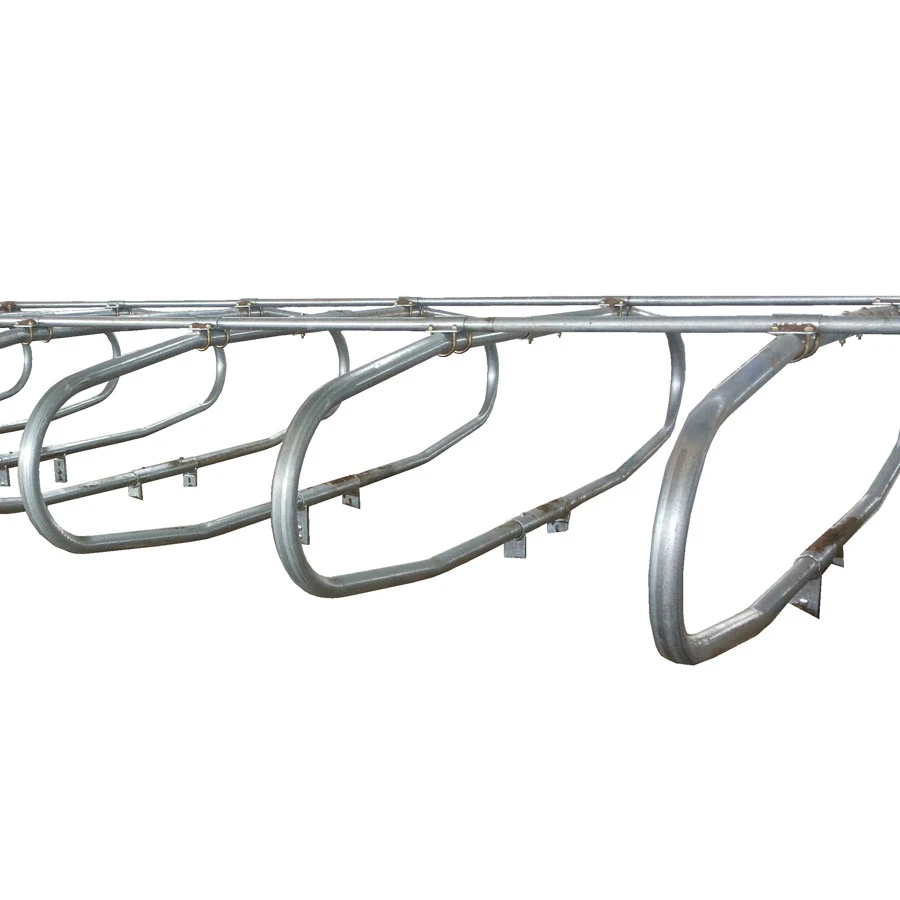
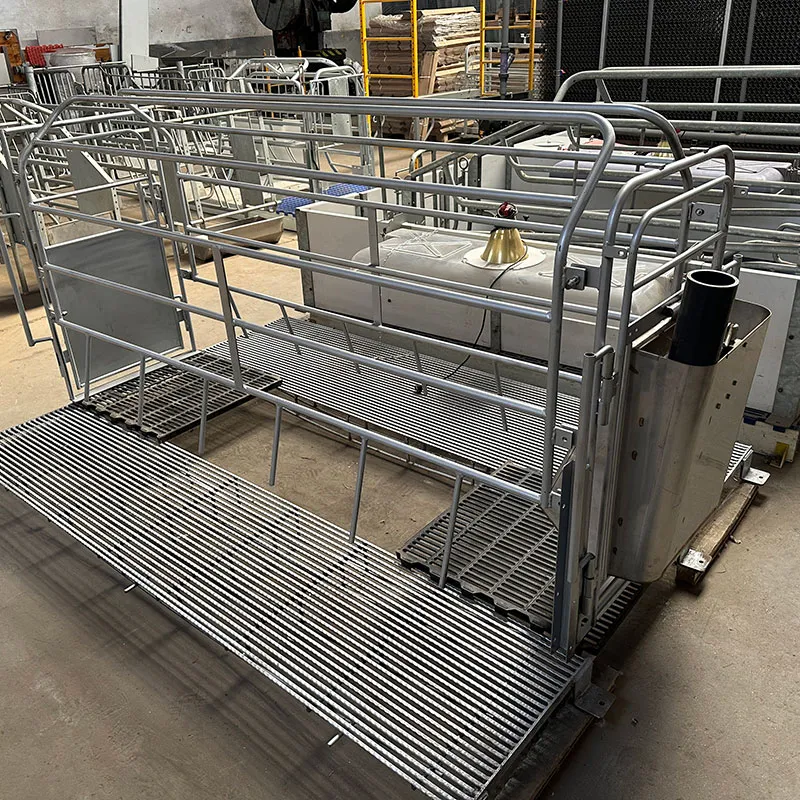
In simple terms, cow dividers are barriers placed within barns, milking parlors, or pasture areas to separate individual cows or groups. They come in various shapes and sizes — from metal bars to plastic panels — and function to streamline cattle movement, reduce injuries, and organize space better. Unlike simple fences, these are designed with animal behavior and ergonomics in mind, ensuring comfort but also meeting the farm’s operational needs.
On a larger scale, cow dividers align with modern agriculture’s shift towards precision farming and animal-centric design. They’re part of the toolkit that supports higher yields, better livestock health, and compliance with increasingly strict animal welfare standards. Oddly enough, while they might look modest, their role ties back to humanitarian needs of safe food, sustainable farming, and rural economic stability.
Key Factors to Consider When Choosing Cow Dividers
Durability and Material Choice
The material matters more than meets the eye. Steel and aluminum are common due to strength and longevity, but newer composites and plastic blends are gaining traction for being lightweight and rust-resistant. Durability ensures fewer repairs and replacements — a big deal because downtime in a cattle barn is costly.
Animal Comfort and Safety
Comfort is no afterthought. Soft edges, rounded corners, and spacing designs reduce injuries and signpost calm zones for cows. Many engineers say that stress reduction through design directly boosts milk yield and meat quality.
Scalability and Modularity
One size doesn’t fit all — and farms grow or shift frequently. Modular dividers that snap or bolt together let farmers customize layouts fast without a rebuild. Scalability ties into long-term cost savings and flexibility.
Ease of Cleaning and Maintenance
Hygiene matters — a lot. Dividers that resist dirt buildup and can be hosed down quickly improve barn health and reduce disease spread. This trickles into labor savings and animal wellbeing.
Cost Efficiency
Budget-conscious operations balance upfront costs with lifespan and maintenance. Interestingly, some premium dividers pay off in fewer injuries and less labor time almost immediately.
Integration with Modern Farming Systems
Smart farms increasingly integrate dividers with sensors or automation — for controlled feeding or activity tracking. It's a future-proofing move and opens up innovation doors.
Mini takeaway: Choosing the right cow dividers is an exercise in balancing strength, comfort, flexibility, and budget — all while thinking about the farm’s future adaptability.
How Cow Dividers Work Around the World: Real-Life Applications
It’s a bit like good plumbing: you don’t notice the system until it breaks down. But in various global contexts, cow dividers underpin smoother farming:
- Europe: EU farms implement high-grade dividers complying with ISO welfare standards, especially in dairy-intensive countries like the Netherlands and Denmark. Automated rotary milking parlors feature customizable dividers that minimize stress during milking.
- North America: Large-scale feedlots use adjustable metal dividers to control cattle flow efficiently and minimize aggressive behavior, reducing events that delay operations.
- Africa and Asia: Growing pastures and mixed-use plots benefit from portable plastic or modular dividers, allowing quick setup in remote areas, aiding emerging rural communities.
- Disaster Relief & Emergency Farming: In post-flood or drought response, NGOs deploy lightweight cow dividers to organize herds quickly, promote health, and maximize limited shelter space.
Mini takeaway: Whether it’s a high-tech dairy farm or a remote relief project, cow dividers have proven versatile and indispensable worldwide.
Advantages & Long-Term Value of Investing in Cow Dividers
The benefits go beyond the obvious spatial organization—though startups and farm managers alike often witness improvements almost overnight:
- Cost Savings: Reduced injury equals less veterinary cost, fewer replacements, and less downtime.
- Sustainability: Durable dividers made from recyclable or long-lasting materials decrease waste and replacement frequency.
- Social Impact: Farmers report less stressful daily routines, better cattle temperament, and easier handling—factors linked to improved human-animal relationships.
- Reliability: High-quality dividers stand up to harsh weather and cleaning cycles, meaning farms spend less on maintenance.
- Innovation & Trust: Adoption of modern dividers signals a commitment to industry standards, quality, and welfare—building credibility with buyers and regulators alike.
Emotionally, it’s reassuring to know animals are treated with dignity; practically, it’s a pragmatic investment in herd health and productivity.
What’s Next? Future Trends & Innovations in Cow Dividers
The future mixes tradition with technology. Materials like recycled polymers and bio-plastics are making dividers lighter and greener. Then there’s digital integration: sensors embedded in dividers monitor cattle movement or health signs — a clever way of quietly collecting real-time data.
Automation is also creeping in; imagine dividers that adjust positions automatically based on herd size or activity patterns without human input. Energy-efficient manufacturing processes and circular design thinking are also catching up with the sustainability wave that agriculture can no longer skip.
Challenges With Cow Dividers — And How to Tackle Them
Nothing’s perfect, and cow dividers face a few hurdles:
- Initial Cost Barrier: Modern, modular dividers can be pricey upfront, especially for small farmers. Solution? Leasing options or cooperative purchasing schemes.
- Customization Complexity: Sometimes production standards don’t match farm-specific needs. Leading vendors offer custom designs and consultative services to bridge gaps.
- Maintenance in Harsh Environments: In very humid or corrosive areas, materials degrade faster. Choosing right-grade plastics or coated metals helps.
- User Adaptation: Farmers used to older layouts may resist change. Demonstration farms and training programs ease this transition.
Practical FAQ Around Cow Dividers
- Q1: How do cow dividers improve cattle welfare in tight barn spaces?
- A1: By providing clear physical boundaries, cow dividers reduce overcrowding and minimize stress-induced aggression. This leads to fewer injuries and better health, which positively impacts milk yield and weight gain.
- Q2: Are modular cow dividers suitable for varying herd sizes?
- A2: Absolutely. Modular designs offer flexibility, letting farmers expand or contract partitions quickly without major renovations, which is great for seasonal herd swings or farm expansion.
- Q3: Can cow dividers be integrated into automated milking systems?
- A3: Yes, many modern cowsheds use dividers compatible with automated systems, facilitating smooth animal movement and precise positioning during milking, reducing staff workload.
- Q4: What materials best resist corrosion and are easiest to clean?
- A4: Powder-coated steel and high-density polyethylene (HDPE) plastics resist corrosion well and are simple to clean, which is crucial for barn hygiene and durability.
Product Specification Table: Typical Cow Dividers
| Feature | Standard Models | Premium Models |
|---|---|---|
| Material | Powder-Coated Steel | Aluminum Hybrid + Polymer Coating |
| Weight | 15 kg / section | 8 kg / section |
| Length (adjustable) | 1.0 - 1.5 meters | 0.9 - 2.0 meters |
| Cleaning Method | Pressure Hose | Pressure Hose & Antibacterial Coating |
| Lifetime | 5 - 7 Years | 8 - 10 Years |
Comparing Leading Vendors for Cow Dividers
| Vendor | Product Range | Customization Options | Lead Time | Price Range (per section) |
|---|---|---|---|---|
| AgriTech Solutions | Standard & Heavy-Duty | Color, Length Adjustments | 2–4 Weeks | $40–$65 |
| FarmFlex Co. | Modular & Portable | Full Modularity, Accessories | 1–3 Weeks | $50–$80 |
| Livestock Logistics | Premium & Sensor-Ready | Custom Sensors, AI Integration | 3–5 Weeks | $75–$120 |
Wrapping Up: Why Cow Dividers Deserve a Spot in Every Modern Barn
If you’re running a cattle operation, large or small, investing in the right cow dividers isn’t just a practical necessity—it’s a sign you care about quality, efficiency, and the long game. These dividers weave together animal welfare with operational ease, ticking off many boxes for farmers and consumers alike. Plus, the innovations coming down the line make them more adaptable and sustainable than ever before.
Don’t let your livestock management fall behind. Visit our website to explore top options and expert advice on cow dividers that fit your needs, budget, and values.
References & Further Reading
Post time: Nov . 27, 2025