What Is Sow Pen Design and Why It Matters
If you’ve ever wondered how caring for livestock blends with smart engineering, sow pen design is a shining example. At its core, this term describes the thoughtful layout and construction of living spaces for sows—the mother pigs in agricultural setups. Getting it right matters not just for animal welfare, but also for farm productivity, sustainability, and husbandry efficiency worldwide.
Across the globe, pig farming is a major protein source — the UN estimates pork accounts for nearly 40% of meat consumption worldwide (1). Behind that statistic lies a huge responsibility to raise animals humanely, safely, and efficiently. Sow pens, as homebases for breeding sows and their piglets, are central to this goal. A good design can improve sow comfort, reduce piglet mortality, and make life easier for farmers.
Understanding modern sow pen design isn’t just about barns or fences; it’s about integrating animal science, engineering, and practical farm management into spaces that truly work—something that keeps evolving as we learn more about animal behavior and sustainability. So, whether you’re a farmer, architect, or policy maker, exploring sow pen designs offers insights into food security and welfare on a global scale.
Global Context: Why Sow Pen Design Is More Relevant Than Ever
Pig farming isn’t limited to one continent or culture — it’s everywhere from rural China to farms in Europe, North America, and emerging markets in Africa. According to the Food and Agriculture Organization (FAO), global pork production topped 120 million metric tons recently (2), signaling a mounting pressure to improve efficiency and welfare without expanding footprints too drastically.
However, this industry faces hurdles: disease control, environmental impact, and evolving animal welfare regulations. Poorly designed sow pens can increase aggression among sows, cause stress-related behaviors, and ultimately degrade productivity. Problems like crushed piglets—where the sow accidentally injures her own offspring—are frequently due to pen restrictions or design flaws.
More countries now mandate minimum space requirements and enrichment features, pushing producers toward innovative layouts. This challenge is, frankly, a great opportunity for engineers and farmers alike to rethink conventional structures with fresh eyes — integrating technology, new materials, and layouts that support both animals and humans.
What Exactly Is Sow Pen Design?
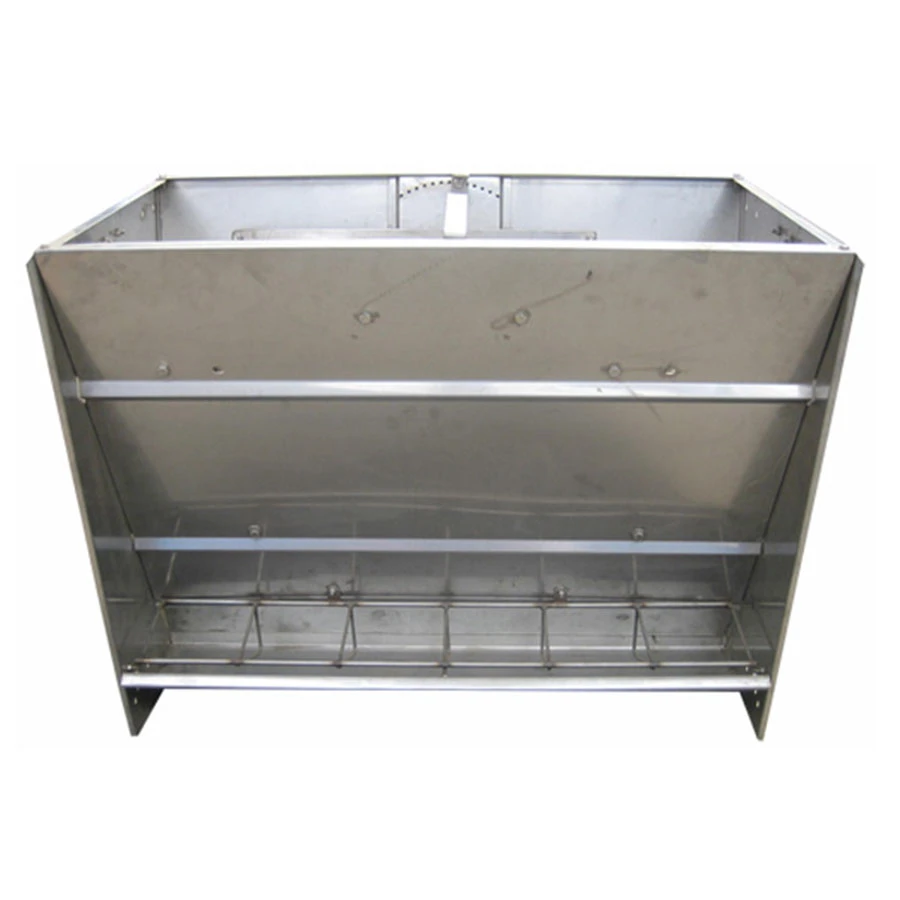
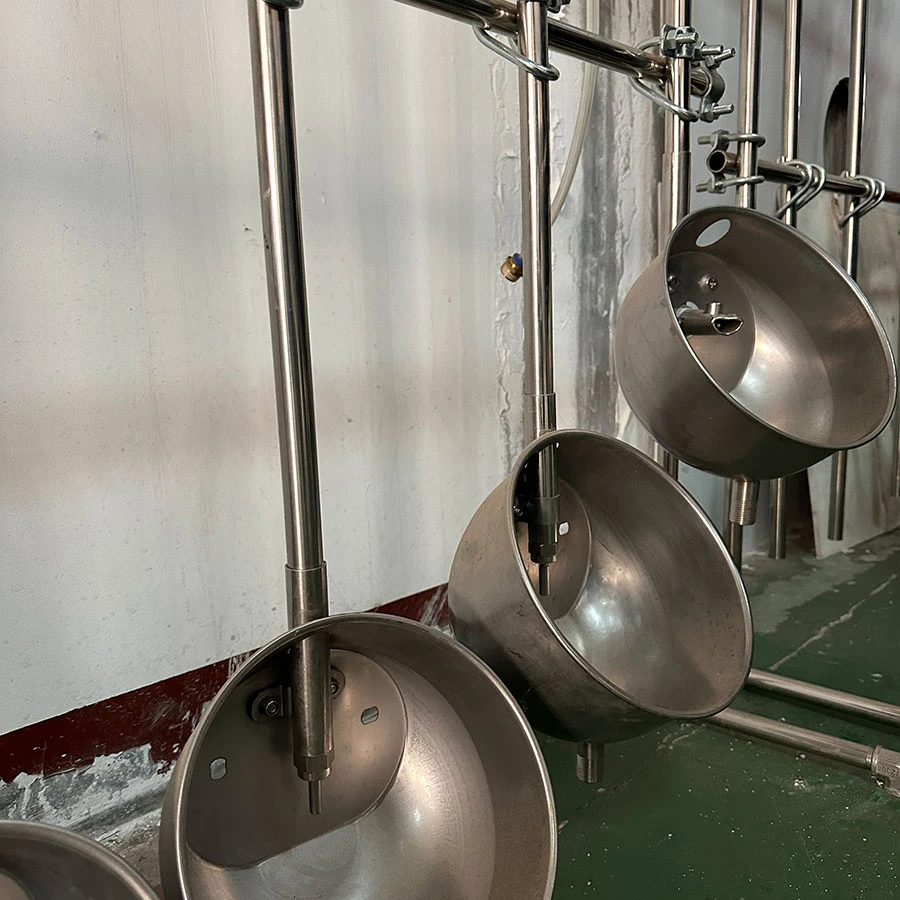
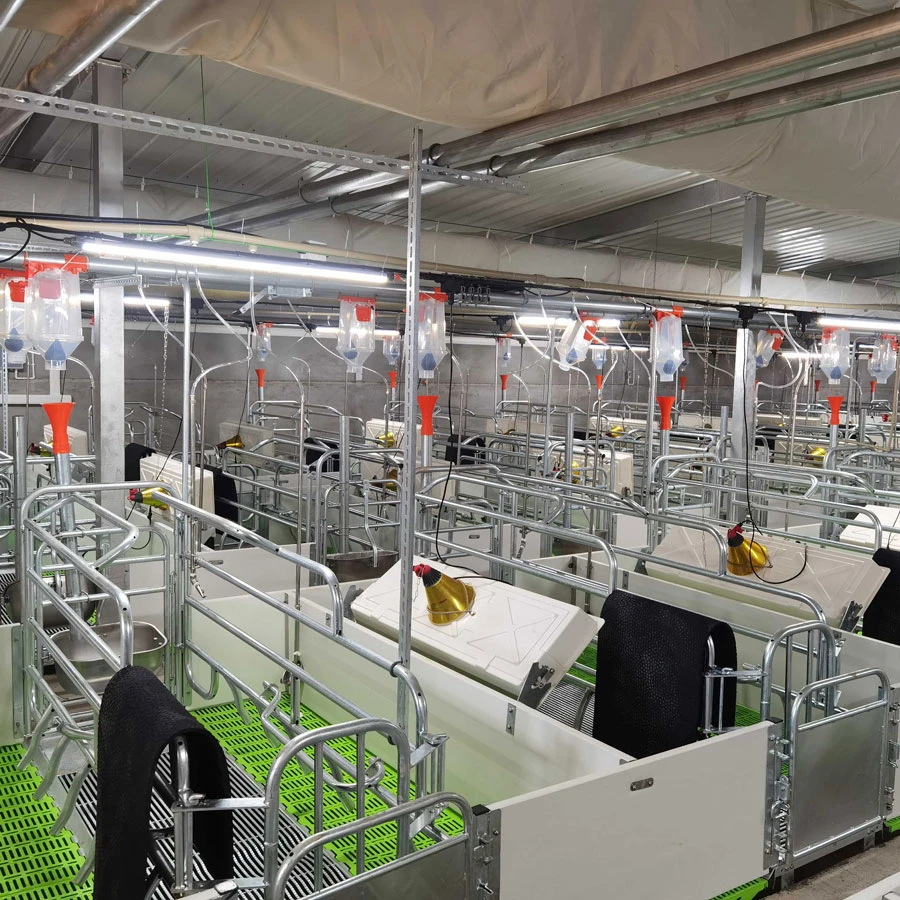
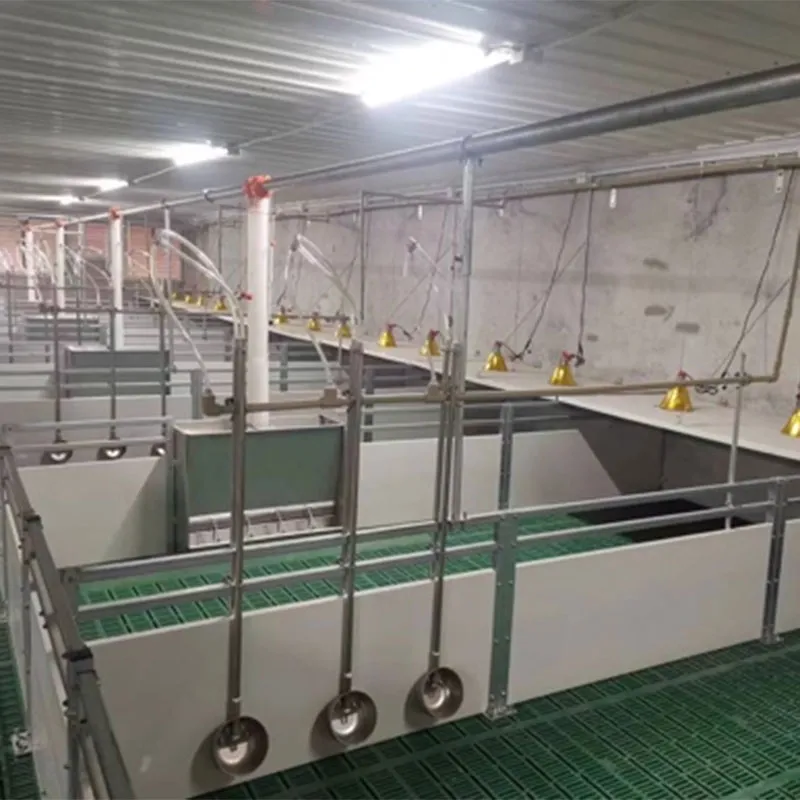
In simple terms, sow pen design refers to the arrangement and construction of housing environments tailored for sows and their litters. This includes barriers, flooring, feeding areas, and resting spots arranged to maximize safety, hygiene, and welfare. Often, it involves balancing confined areas needed for safety with enough freedom for natural behaviors.
This design is closely linked to modern animal husbandry practices: it must comply with welfare standards like the European Union’s directives or the guidelines from the American Meat Science Association. Additionally, many sustainable farming movements now push for designs minimizing environmental footprint through better waste handling and energy use.
Core Components of Effective Sow Pen Design
1. Safety and Piglet Protection
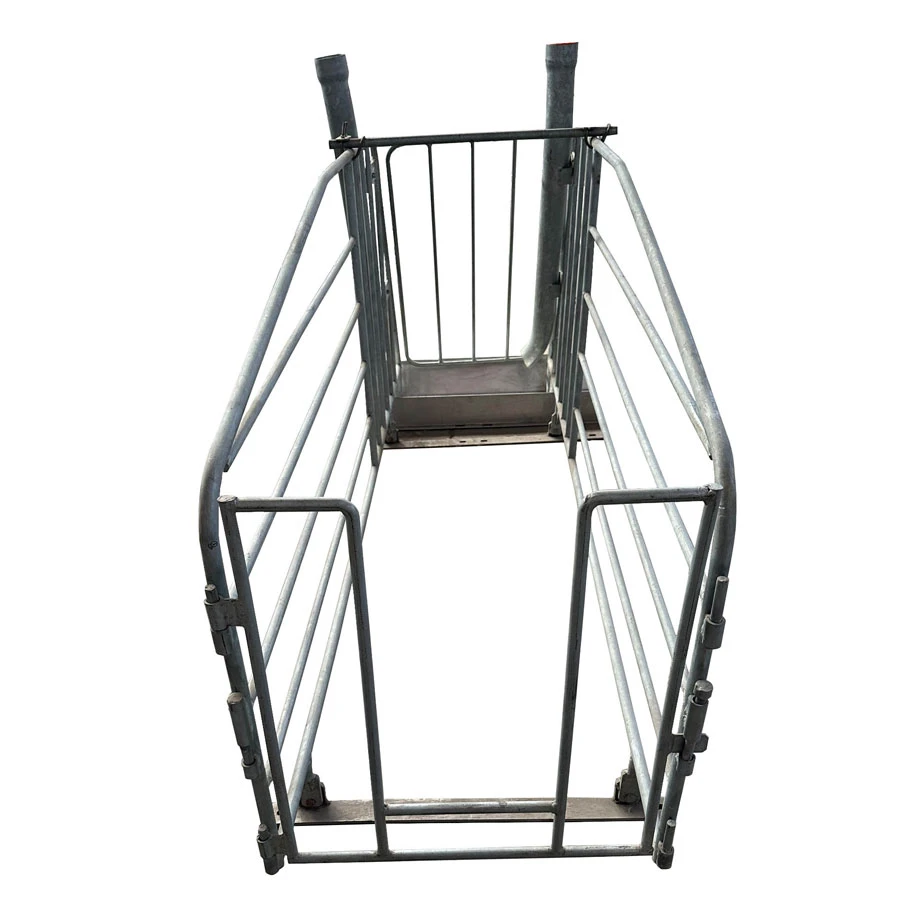
The foremost consideration is creating a space where piglets won’t be crushed while the sow rests or moves. "Farrowing crates," for instance, are still widely used but increasingly replaced with pens providing some freedom of movement but built-in protective railings and escape areas for piglets. Many engineers say the trick is balancing sow comfort with piglet survival.
2. Durability and Hygiene
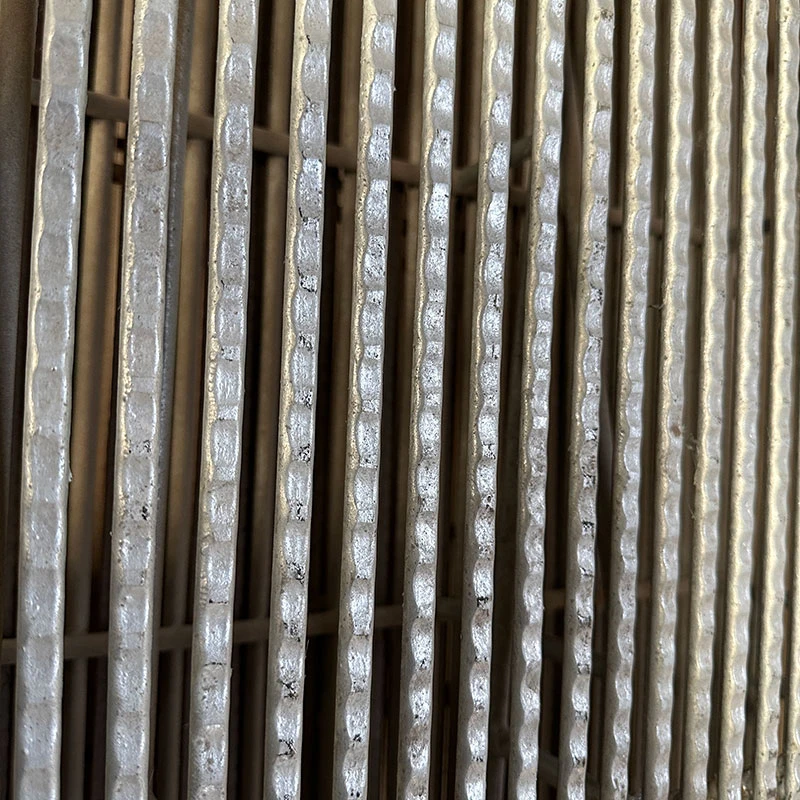
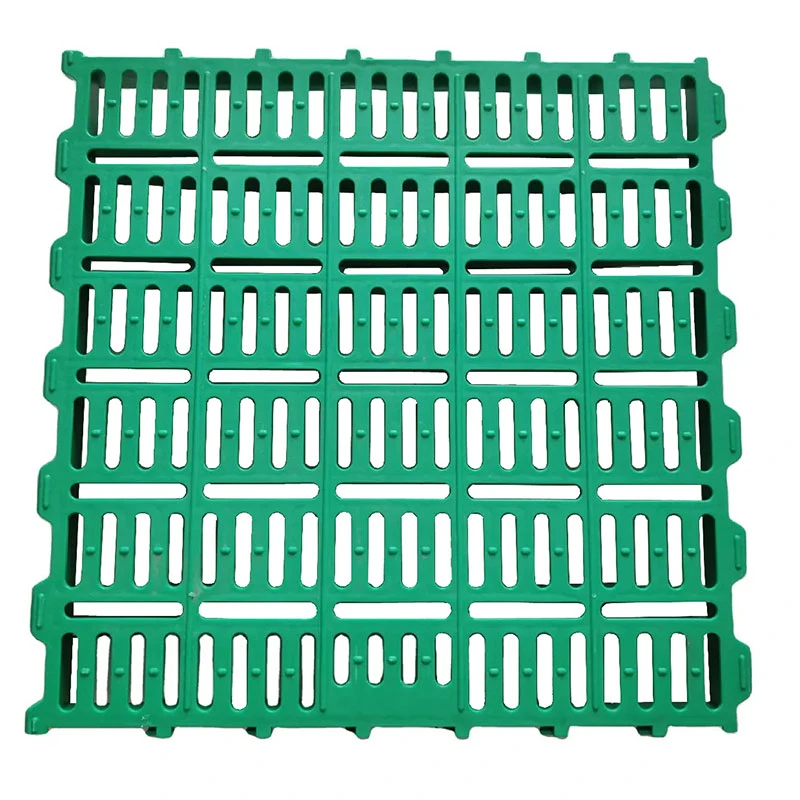
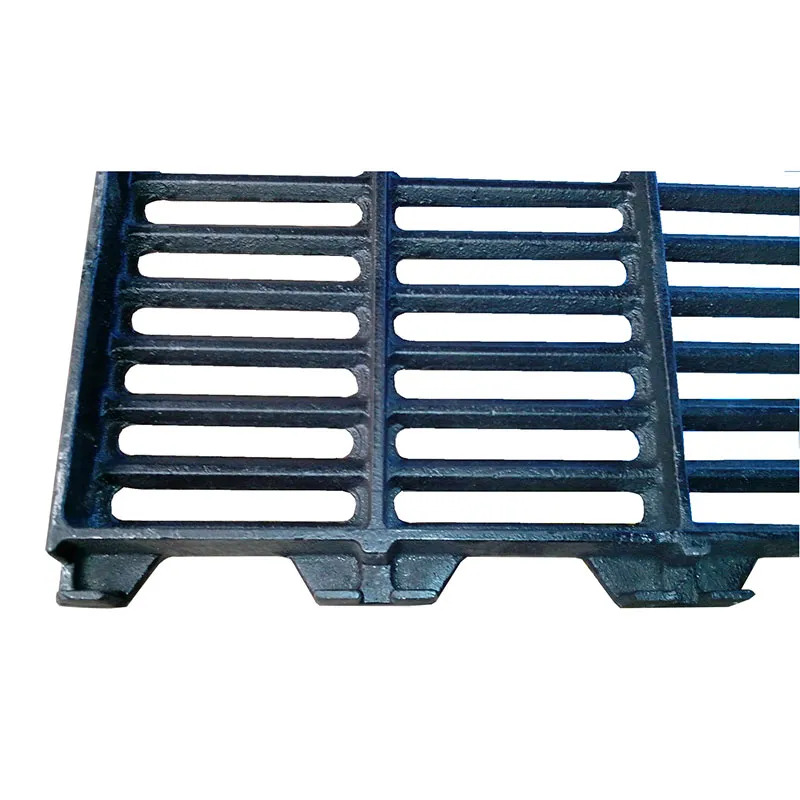
Materials matter. Concrete flooring is common for easy cleaning, but it can be hard on joints. Alternatives include rubber mats or slatted floors for efficient manure drainage. Good design ensures pens withstand constant washing and animal wear without adding complexity or cost to upkeep.
3. Comfort and Enrichment
It’s no longer enough to stuff sows into boxes. Enrichment such as straw bedding or manipulable materials encourages natural rooting and nesting behaviors, which reduces stress and improves welfare scores. Many producers note happier sows produce healthier litters.
4. Ventilation and Environment Control
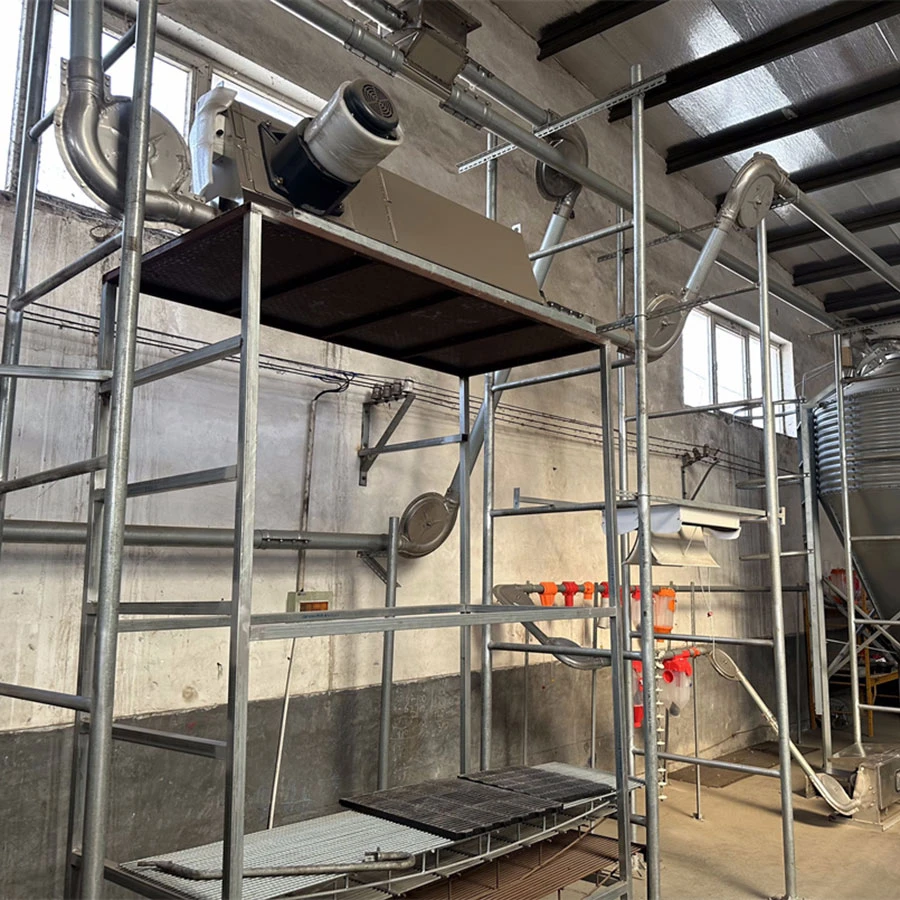
Controlling temperature, humidity, and air quality inside sow pens can dramatically reduce respiratory diseases and heat stress. Proper ventilation design integrates with the pen’s orientation and insulation — which is critical in both hot climates and winter conditions.
5. Efficient Space Utilization
Farmers need to maximize land and building use without sacrificing welfare. Modular pen designs, adjustable partitions, and scalable systems allow adapting to herd size fluctuations or evolving welfare codes.
Mini Takeaway:
Every element—from floor to fence—layers together in sow pen design to create safe, efficient, and humane spaces where sows and piglets thrive.
How Sow Pen Design Shapes Farming Around the World
Different regions face unique challenges and preferences. For example, in Europe, tighter animal welfare laws push for group housing systems, while parts of Asia focus on high-density yet hygienic setups to meet massive pork demand. In North America, farms increasingly adopt automated climate controls and precision feeding integrated into pen layouts.
In countries recovering from natural disasters, NGOs sometimes use sow pen design principles to rebuild sustainable agricultural operations quickly. These efforts not only bring food security but also economic stability to vulnerable communities.
Large-scale multinational companies like Smithfield and Danish Crown are sourcing pen designs that reduce antibiotic use by improving conditions—highlighting how commercial implications intertwine with ethical ones.
Basic Sow Pen Design Specifications
| Feature | Typical Measurement / Notes |
|---|---|
| Pen Size (Minimum) | 6.5 to 7.5 square meters per sow |
| Piglet Protection Rails | Steel or polymer-coated, at least 40 cm high |
| Flooring | Slatted concrete or rubber mats with drainage |
| Bedding | Straw or similar organic materials for enrichment |
| Environmental Controls | Ventilation systems to regulate humidity & temp |
Comparing Top Vendors Specializing in Sow Pen Solutions
| Vendor | Design Focus | Pricing Level | Customization | Sustainability Features |
|---|---|---|---|---|
| AgroPen Systems | Modular & scalable pens | $$$ | High | Recyclable materials, water-saving drainage |
| SafeHog Innovations | Enhanced piglet protection features | $$ | Medium | Low-emission coatings, antibacterial flooring |
| EcoFarm Solutions | Focus on sustainability & comfort | $$$ | High | Solar power integration, natural ventilation |
Benefits of Investing in Thoughtful Sow Pen Designs
Everyone talks about numbers, but it’s the mix of tangible and intangible advantages that seals the deal. Proper sow pen design:
- Reduces piglet mortality rates by preventing accidental crushing and promoting easier nursing.
- Increases sow wellbeing through environmental enrichment, lowering stress and improving reproductive performance.
- Improves farm economics by cutting vet costs, and improving feed efficiency thanks to less stressed animals.
- Supports sustainability by optimizing waste management and enabling cleaner, greener housing options.
Plus, farms adopting state-of-the-art pens gain reputational trust from buyers who care about animal welfare—sometimes that translates into better market prices. It feels good to know you’re doing right by living beings, and letting nature guide design often produces smarter, not just cheaper, choices.
What’s Next? Future Trends in Sow Pen Design
It’s an exciting time. Automation is slowly creeping in — from environmental sensors that automatically adjust ventilation, to robotic cleaning systems easing labor demands. IoT-enabled pens now monitor sow behavior in real time, alerting farmers to changes in health or stress.
On the materials side, bio-composites and recycled plastics are replacing steel pipes and concrete, trimming carbon footprints. Even green energy solutions, like solar-powered temperature control, are appearing here and there. Of course, regulations continue to evolve, nudging designers toward even more humane configurations.
Challenges and How to Overcome Them
Yet, sow pen design isn’t without hurdles. High initial costs, difficulties scaling to smallholder farms, and regional climate extremes can complicate implementation. Additionally, cultural traditions in farming sometimes resist change, favoring old setups.
Experts suggest flexible modular designs and locally sourced materials as solutions. Training farmers and illustrating tangible economic benefits also help ease transitions. New partnerships among engineers, veterinarians, and farmers are key — nobody solves these puzzles alone.
Common Questions About Sow Pen Design
Q1: What makes modern sow pen designs better than traditional crates?
Modern designs emphasize sow freedom while protecting piglets. Unlike traditional farrowing crates that restrict movement, current pens feature protective rails and enriched environments allowing natural behaviors. This reduces sow stress and improves piglet survival without compromising safety.
Q2: How long does a well-built sow pen typically last?
With quality materials and proper maintenance, sow pens can last 10 to 15 years or more. Durable flooring and corrosion-resistant railings extend service life, while modular designs allow parts replacement, improving longevity.
Q3: Can sow pens be customized for climate extremes?
Absolutely. Climate-specific features include insulated walls, adjustable ventilation, and shade setups to manage heat or cold. Some vendors offer climate kits sized and designed for regional conditions, making pens adaptable across diverse geographies.
Q4: Are eco-friendly materials cost-effective in the long run?
While initial costs may be higher, materials like recycled plastics and bio-composites reduce maintenance and waste disposal fees. Plus, farms benefit from sustainability certifications and potential subsidies, helping offset upfront investments.
Conclusion: The Lasting Impact of Smart Sow Pen Design
It might seem like just “another” farm fixture but sow pen design really touches the heart of animal welfare and food production sustainability. Smart, humane pens reduce losses, improve animal health, and support farmers’ livelihoods—creating a win-win scenario. As technologies advance and sustainability grows in importance, sow pens will continue evolving but never lose their foundation: making life better for sows and piglets alike.
Curious? Explore innovative sow pen design solutions tailored to your needs—because progress starts with good design.
References
Post time: Dec . 02, 2025