Understanding Gestational Crates for Pigs: Why They Matter Worldwide
Gestational crates for pigs are more than just farming equipment — they’re a window into the evolving challenges of modern pig farming, animal welfare, and sustainable food production. Around the globe, pork remains a staple protein, consumed by billions. Yet how it’s produced raises questions, not just about efficiency, but ethics and environmental impact.
So why should anyone outside livestock circles care about gestational crates for pigs? Well, these crates are designed to house pregnant sows in a manner that controls their environment and protects them — but they also spark debate regarding animal welfare. Understanding the benefits and drawbacks of gestational crates is crucial if we want to move toward agricultural practices that honor the wellbeing of animals while meeting global food demands.
Global Context: Pig Farming and the Role of Gestational Crates
The global pig livestock population exceeds 1 billion, producing roughly 110 million tonnes of pork annually, according to recent FAO statistics. Asia leads this, especially China, whose thriving pork market drives innovations in pig housing solutions. Developed countries also use gestational crates but often upgrade them with welfare-focused features.
However, this worldwide industry faces a core challenge: ensuring sows are safe from injury and stress during pregnancy without compromising their natural behaviors or dignity. This is where gestational crates come in — they intend to balance production efficiency with animal care. Yet, critics highlight concerns about limited movement and social isolation.
Mini Takeaway:
- Gestational crates are central to high-volume pig farming worldwide.
- Their usage is shaped by cultural, economic, and ethical factors.
- Striking the balance between animal welfare and operational needs remains challenging.
What Exactly Are Gestational Crates for Pigs?
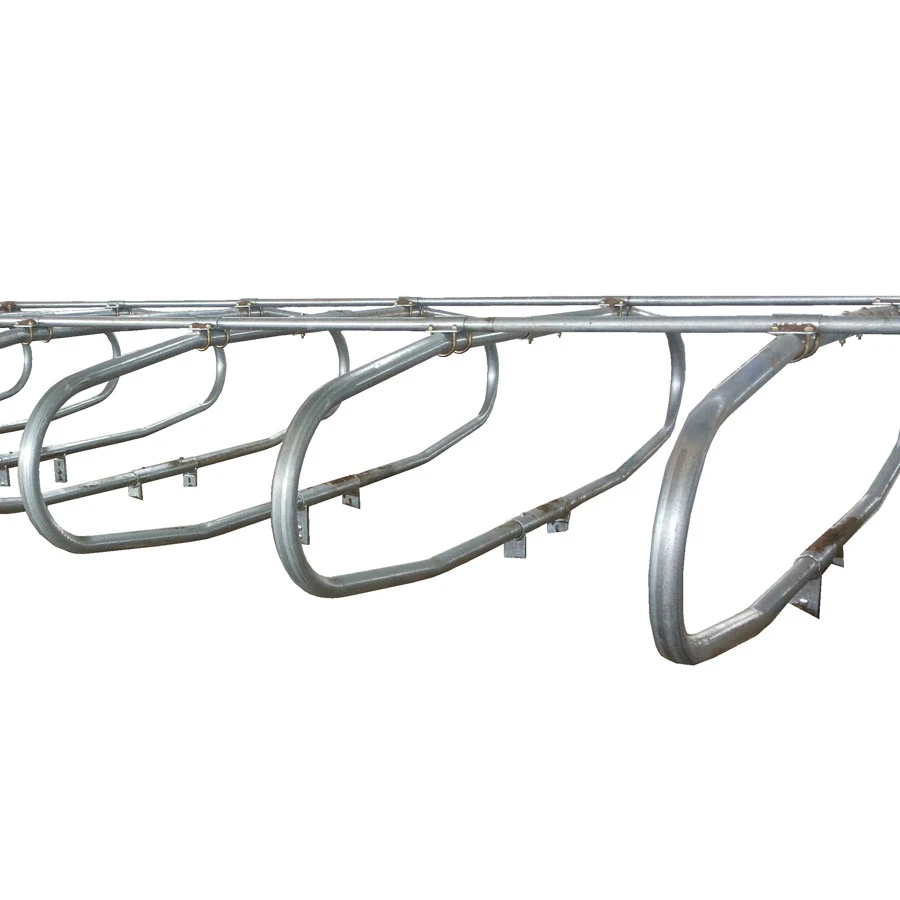
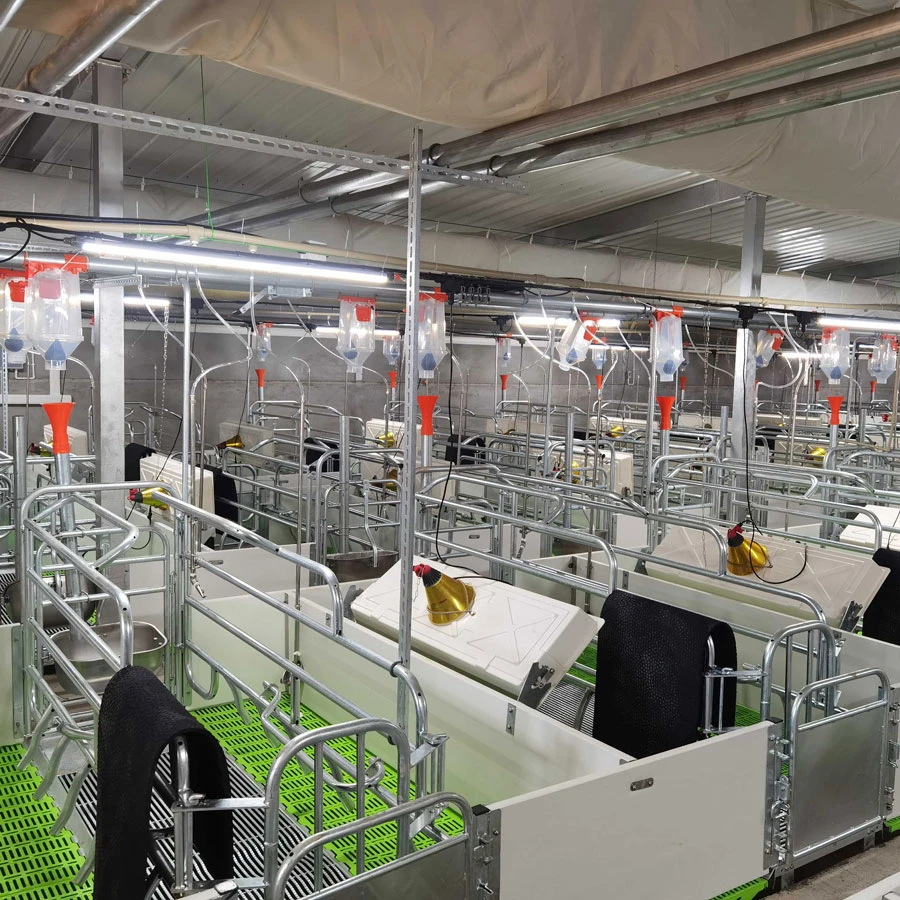
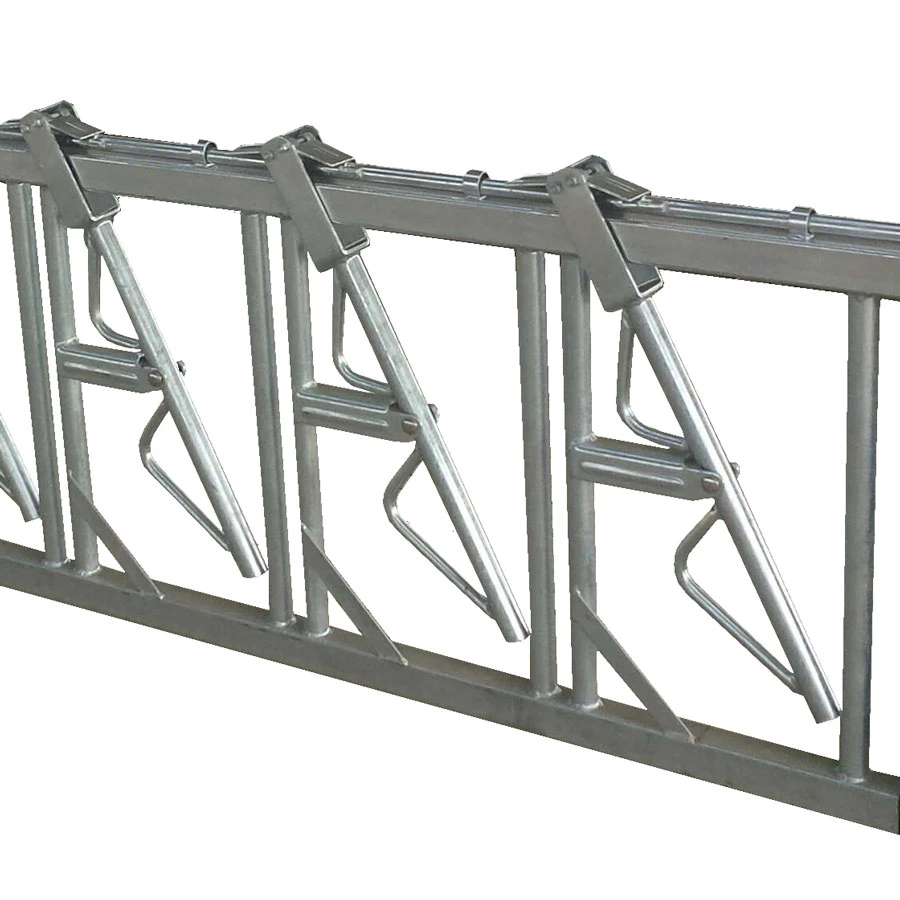
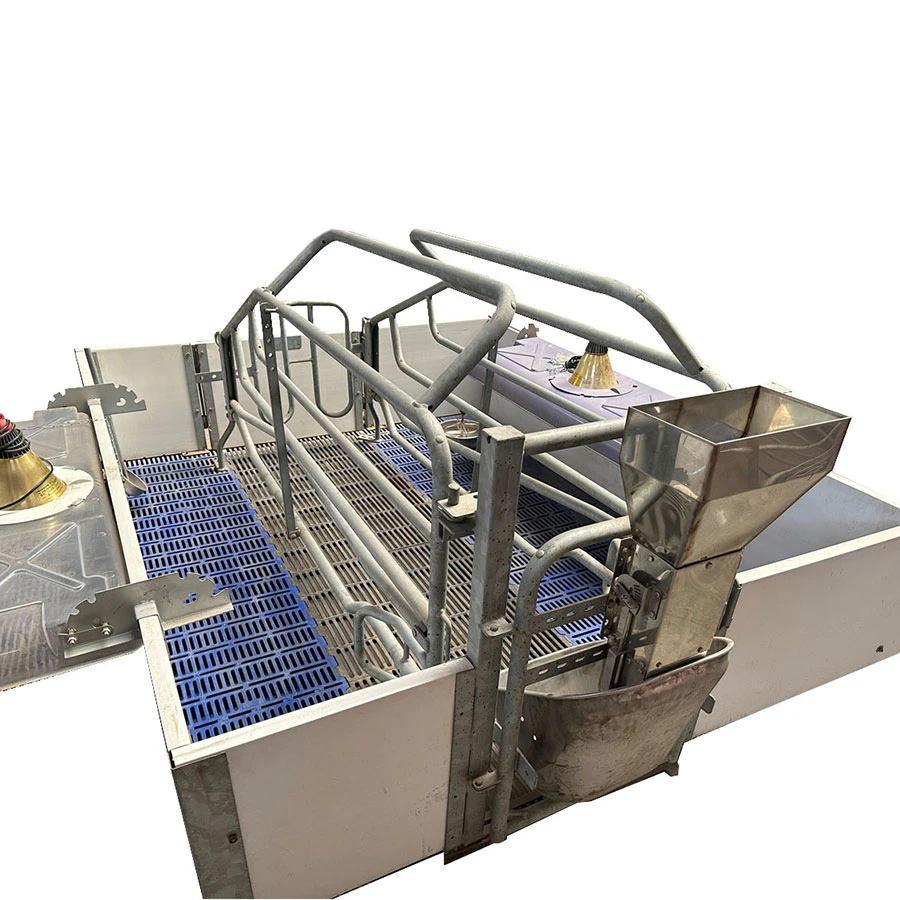
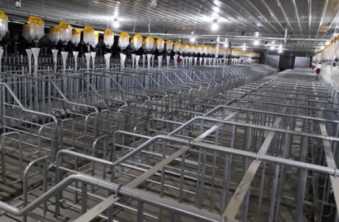
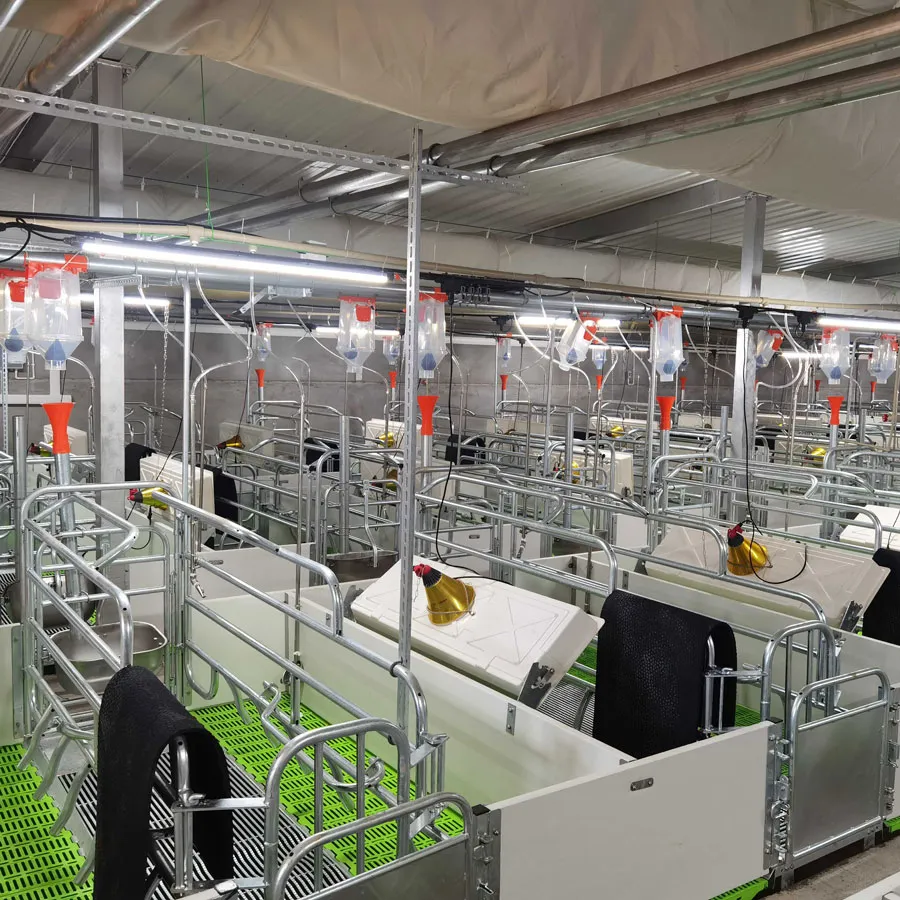
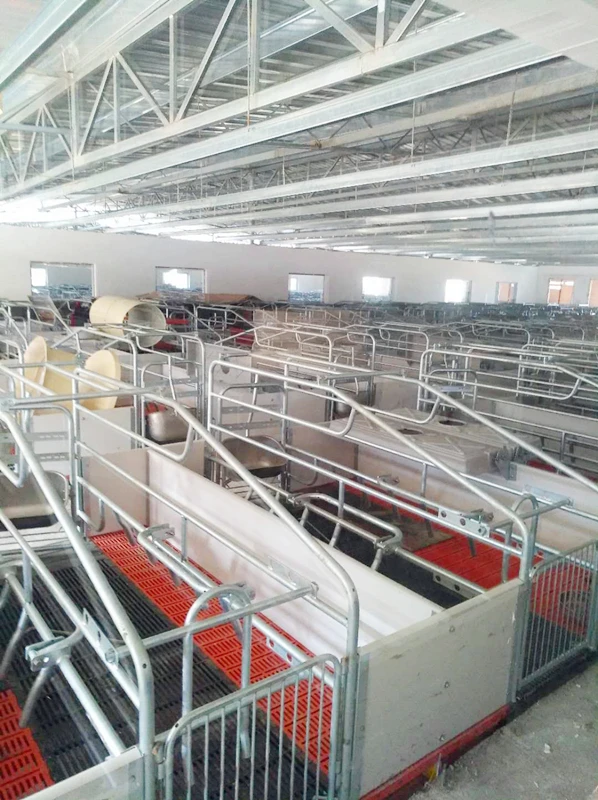
Put simply, gestational crates — sometimes called sow stalls — are individual enclosures designed to house pregnant sows during most or all of their pregnancy. They’re typically metal frames narrow enough to prevent the sow from turning around but give them space to lie or stand.
Why this restriction? The crates help protect sows from potentially injuring themselves or others, especially since sows can become aggressive or fight while pregnant. They also facilitate individual feeding and health monitoring, minimizing disease spread and competition. In short, gestational crates are a practical, if sometimes controversial, solution born out of industrial pig farming’s drive to control and optimize sow management.
Mini Takeaway:
- Gestational crates keep individual pregnant sows separated for safety and management reasons.
- They enable easier feeding, health checks, and reduce injuries.
- This design clashes with naturally social animal behaviors, raising welfare debates.
Core Features That Define Gestational Crates
Durability and Material Quality
These crates are mostly made from galvanized steel or stainless steel to withstand constant moisture, ammonia from waste, and the wear-and-tear of sows moving in and out. Many farmers prefer powder-coated finishes to extend lifespan. A durable crate means fewer replacements and less maintenance, which saves time — critical on big farms.
Space Allocation and Size
The width and length of each crate make all the difference. Regulations vary by country, but the crate should be wide enough to let the sow lie comfortably, even if it can’t turn fully. There’s a growing movement favoring larger crates — or group housing systems — to allow freedom of movement while maintaining safety.
Ventilation and Hygiene Considerations
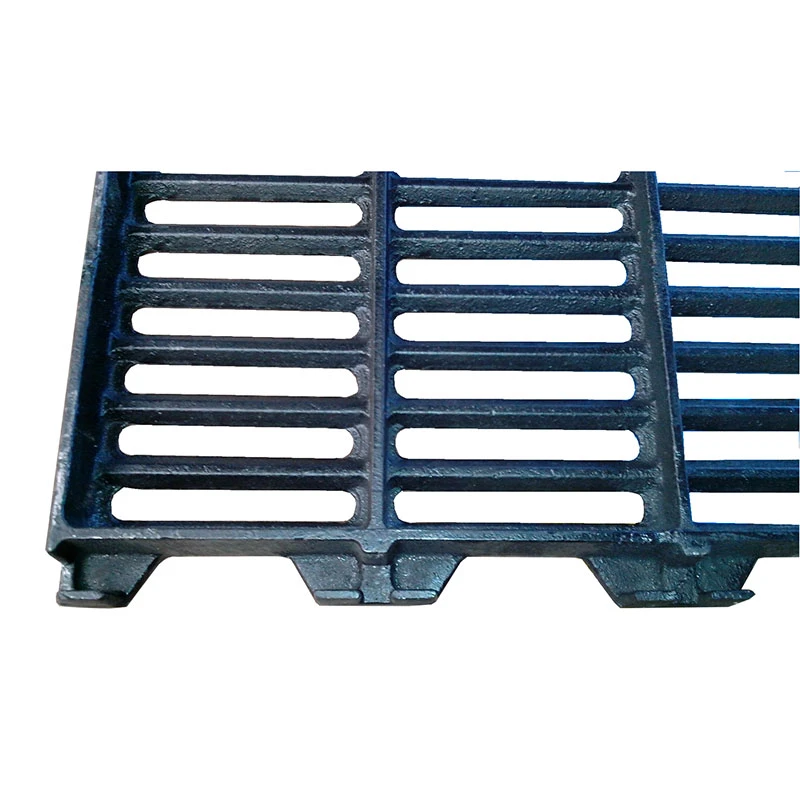
Proper airflow reduces respiratory diseases. Flooring plays a role too: slatted floors allow waste to fall through, keeping the crate cleaner. Many farmers incorporate drainage systems and easy-to-clean surfaces, elevating sanitation standards for gestational housing.
Cost Efficiency and Scalability
Gestational crates need to be affordable at scale, since industrial farms house hundreds or thousands of sows. Designs that are modular and easy to install or rearrange cater better to growing or shifting operations, making scalability key.
Animal Welfare Features
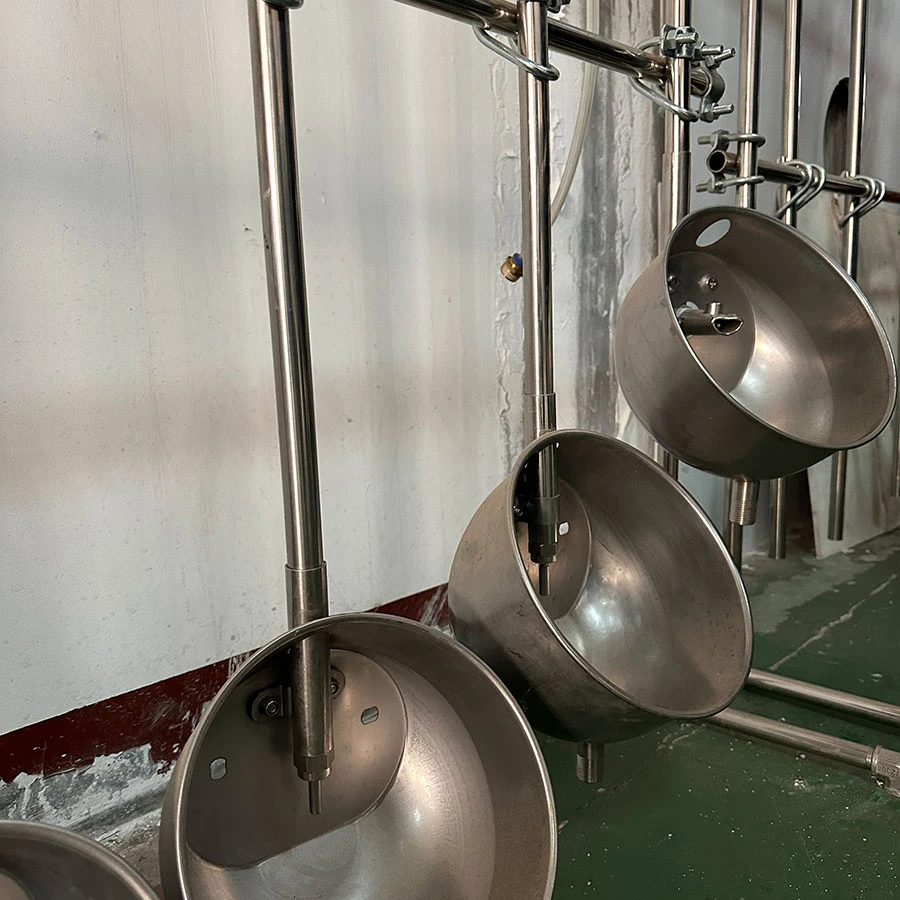
Some crates now include enrichments — soft mats, nipple drinkers, and feeding systems designed to reduce stress and boredom. Improved ergonomics lessen pressure sores. These tweaks bridge operational needs with evolving animal welfare expectations.
Mini Takeaway:
- Strong, corrosion-resistant materials ensure longevity.
- Optimized sizing balances sow comfort and farm efficiency.
- Hygienic design reduces disease risk.
- Modularity supports scale and cost management.
- Animal welfare enrichments positively impact sow well-being.
Real-World Applications of Gestational Crates for Pigs
From commercial meat producers in Europe to family farms in parts of Asia and North America, gestational crates are in wide use. In intensive farming regions like the Midwestern United States, crates enable tight monitoring of large sow populations, making veterinary care and feed efficiency easier to maintain.
Oddly enough, even in places where public opinion pushes against crate farming, such systems remain common — but with more space and group pens in later pregnancy stages. In countries like Canada and Sweden, farms transition towards gestation group housing but still rely on crates during early pregnancy for individual feeding.
Humanitarian groups aiming to rebuild agricultural livelihoods post-natural disasters have turned to modular gestational crates. Their durability and ease of assembly provide a fast way to resume pig farming sustainably.
Specification Table: Typical Gestational Crate Features
| Feature | Specification | Notes |
|---|---|---|
| Material | Galvanized Steel | Corrosion resistant, durable |
| Dimensions (WxL) | 60 cm x 220 cm (standard) | Varies by regulation and sow size |
| Flooring | Slatted plastic or metal | Ensures drainage and hygiene |
| Feeding System | Individual trough/feeders | Allows controlled feed rationing |
| Optional Features | Soft mats, water nipples | Enrichments to improve welfare |
Who Makes the Best Gestational Crates? Vendor Comparison
| Vendor | Material Quality | Design Innovation | Pricing | Customer Support |
|---|---|---|---|---|
| FarmEquip Solutions | High-grade galvanized steel | Modular and adjustable sizes | Mid-range | Responsive 24/7 service |
| AgroBuild Corp | Stainless steel with powder coating | Integrated enrichment features | High-end | Excellent after-sales support |
| PigHousing Inc. | Galvanized steel with basic finish | Standard, cost-effective design | Budget-friendly | Limited service hours |
Why Invest in Gestational Crates? The Benefits Beyond Basics
There’s a lot to be gained from gestational crates beyond their obvious utility. For commercial farms, these crates help reduce sow injury, improving productivity by cutting veterinary bills and sow downtime. Consistent individual feeding allows optimized nutrition, which often translates into healthier litters.
From a broader perspective, their durability and ease of cleaning mean fewer replacements, reducing waste. Animal welfare improvements gained by newer designs mean farms can respond better to consumer ethics and regulatory pressures. And when sows are safer and less stressed, it’s better for overall farm sustainability — not just economically, but socially.
Where Gestational Crates Are Headed: Trends & Innovations
Frankly, the industry is seeing a wave of innovation. Sustainable materials, like recycled steel and bio-based coatings, are entering manufacturing lines. Automation is another buzzword; some farms experiment with sensor-equipped crates that monitor sow behavior and health in real-time.
There’s also growing pressure to shift toward group housing systems that incorporate aspects of gestational crate design — this hybrid approach aims to preserve welfare while protecting sows. And with digital tracking paired with greenhouse gas reduction efforts, gestational crate designs may soon align better with climate-smart farming standards.
Common Challenges and Practical Solutions
Many experts acknowledge that the biggest critiques of gestational crates revolve around limited sow movement and social isolation. That’s fair. I’ve seen farms try to mitigate this by increasing crate sizes or rotating sows into group pens during mid or late pregnancy phases.
Cleaning and maintenance in large barns still require labor-intensive work, but modular designs and smoother materials help speed it up. Cost remains a barrier especially for smaller farms, but flexible leasing models and government subsidies for animal welfare upgrades are making improvements more attainable.
FAQs About Gestational Crates for Pigs
- Are gestational crates legal everywhere?
- Legislation varies by country. The EU has phased out fully restrictive crates, allowing only limited periods of use, while many countries in Asia and the Americas still widely permit and use them under regulated conditions.
- How do gestational crates impact sow welfare?
- These crates reduce physical injury risks and ease feeding management but restrict movement and social interaction. Welfare-conscious designs now incorporate enrichment and larger spaces to mitigate these effects.
- Can gestational crates be modified to be more sustainable?
- Absolutely. Using recycled metals, non-toxic coatings, and integrating crate designs that facilitate manure management contribute to a greener footprint.
- How easy is it to install or relocate gestational crates?
- Many designs are modular and relatively easy to assemble or shift within farm buildings, allowing producers flexibility as herd sizes fluctuate.
- Where can I find reliable suppliers for gestational crates?
- Trusted vendors tend to have strong warranties, responsive customer service, and speak openly about welfare considerations. Our product page lists some recommended manufacturers.
Conclusion: The Long-Term Impact of Gestational Crates for Pigs
In the end, gestational crates for pigs reflect the tension between efficient, large-scale animal agriculture and evolving societal views on animal welfare. The best crates balance durability, sow comfort, and easy management — a tough balance but an important one.
As technology and regulations shift, these crates are unlikely to disappear anytime soon. Instead, they’ll probably evolve into kinder, smarter systems supporting both farmers and animals. For those interested, check out more about gestational crates for pigs and how they’re adapting to meet the future of farming.
References
Post time: Dec . 02, 2025