Feed Bin Silo: Practical Insights from the Industrial Equipment Trenches
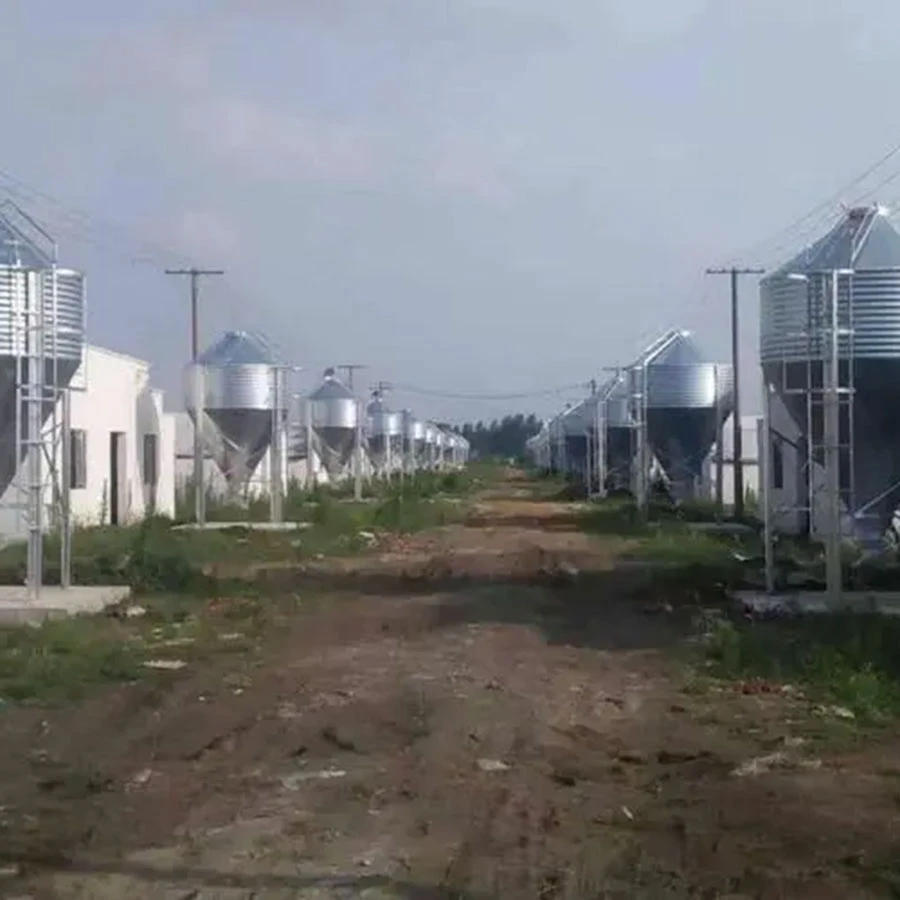
Having spent close to two decades working around agricultural and industrial storage solutions, I can tell you there’s an odd kind of satisfaction in watching a well-built feed bin silo quietly do its job day after day. It’s one of those pieces of equipment that, frankly, you don’t notice when it’s working properly — but it sure gets the spotlight if it’s not. So let’s talk about what makes these silos tick, their specs, and how to pick the right one for your operation.
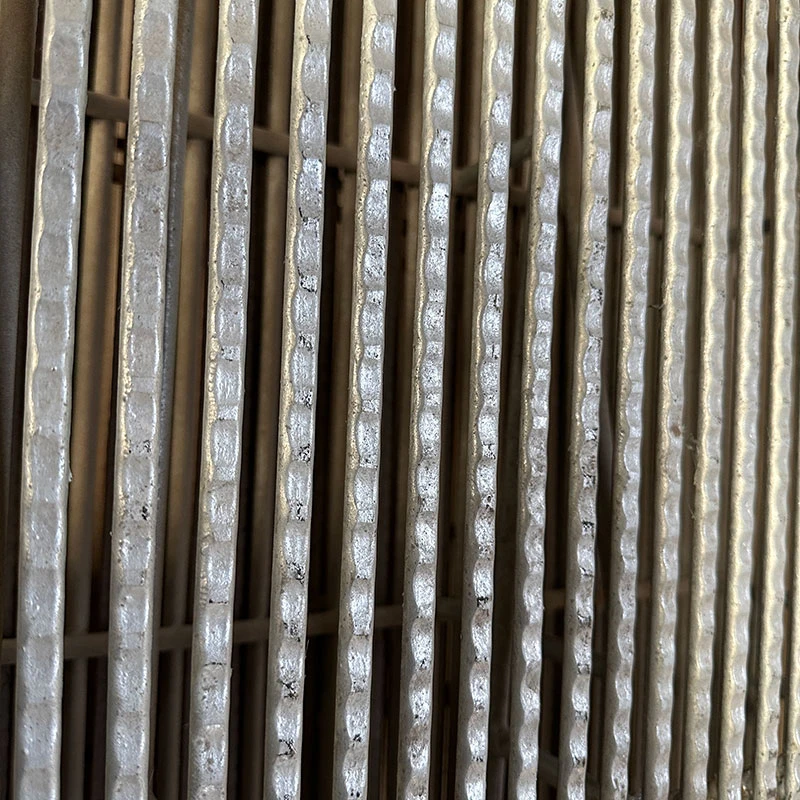
First off: feed bin silos aren’t just oversized containers. They have to balance rugged durability with precise design. Most models are made from galvanized steel or heavy-duty aluminum, crafted to endure the elements—from scorching sun to heavy rain and even rough wind gusts that make you appreciate well-welded seams. I suppose it’s easy to overlook how important corrosion resistance is until you see a poorly coated bin start to rust from the inside out, especially when storing moist feed.
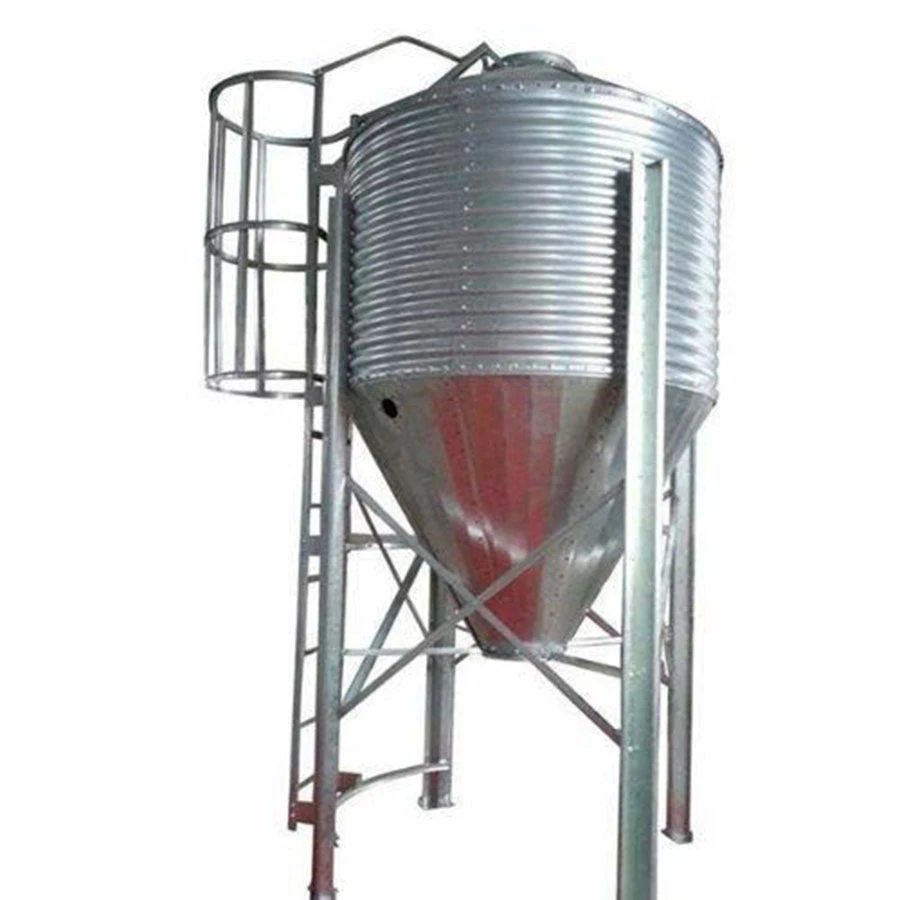
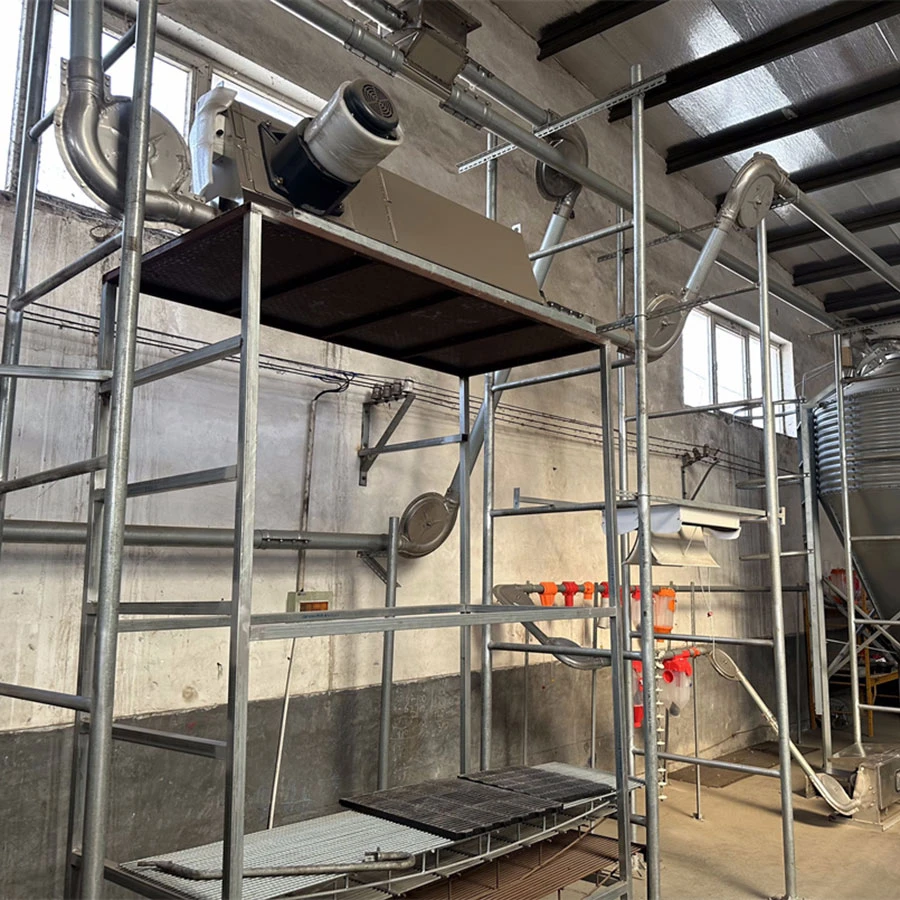
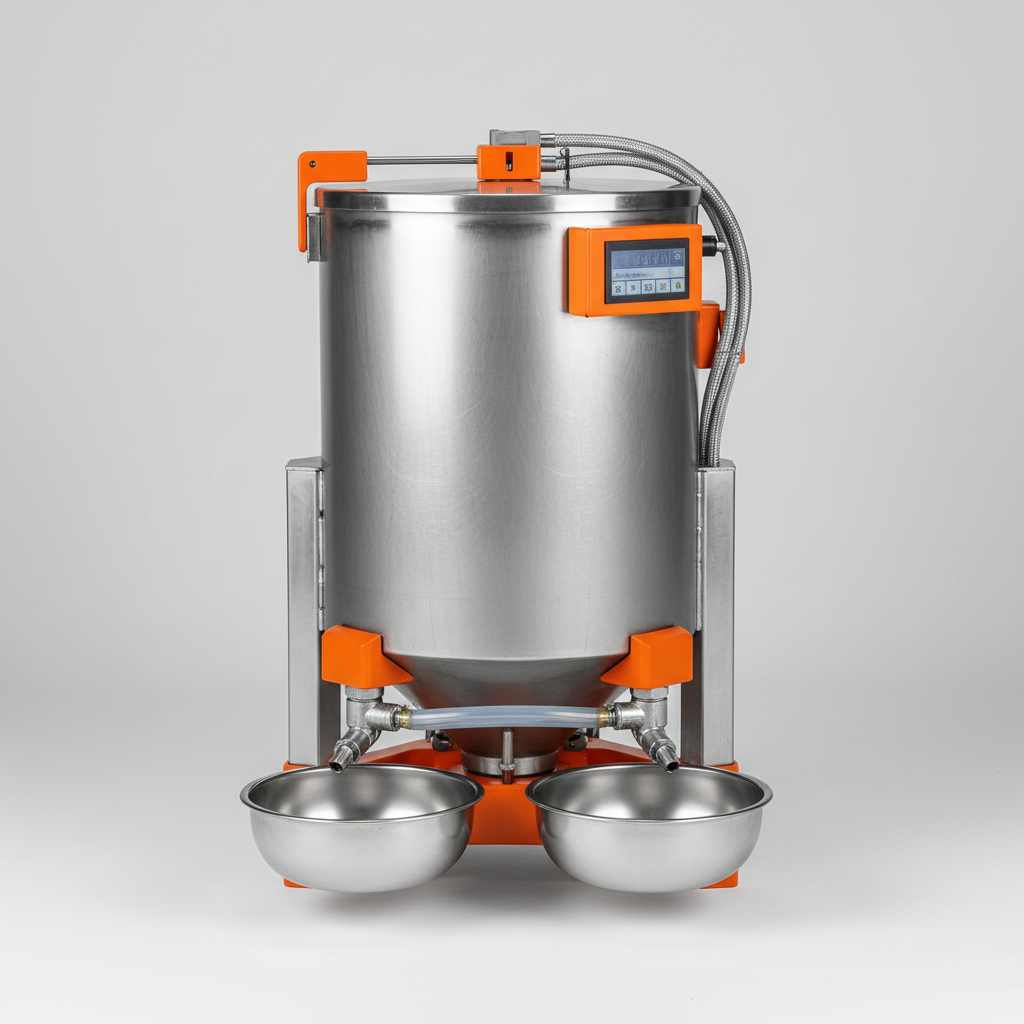
One thing I’ve learned over the years is that the shape and size of a feed bin silo actually impact feed flow dramatically. Cone-bottom designs, for example, encourage smooth gravity-fed dispensing, reducing clogs and feed waste. Oddly enough, sometimes simpler is better, but some of the newer bins with angled walls and integrated aeration systems take efficiency to another level, especially in large-scale livestock operations.
| Specification | Typical Value / Feature |
|---|---|
| Material | Galvanized Steel or Aluminum |
| Capacity | 5 to 50 tons (varies by model) |
| Shape | Cylindrical, with Cone-Bottom |
| Discharge Method | Gravity-fed, Auger-fed options |
| Corrosion Protection | Hot-dip galvanizing or powder coating |
| Access Points | Top loading hatch, side inspection doors |
| Customization | Sizes, aeration, ladders, remote monitoring |
If you’re evaluating manufacturers, it’s worth looking beyond just price per ton of capacity. I’ve seen cheaper vendors cut corners on weld quality and finish, which almost always leads to costly repairs down the track. On the other hand, some premium brands add bells and whistles that farm operators might never use. So, a bit of due diligence pays dividends.
| Vendor | Material Quality | Customization | Price Range | Warranty |
|---|---|---|---|---|
| CX Livestock | High-grade galvanized steel | Extensive, includes remote sensors | $$$ | 5 years |
| AgriStore Inc. | Medium-grade steel | Limited options | $$ | 3 years |
| FarmEquip Pros | Aluminum with powder coating | Aeration systems only | $$$ | 4 years |
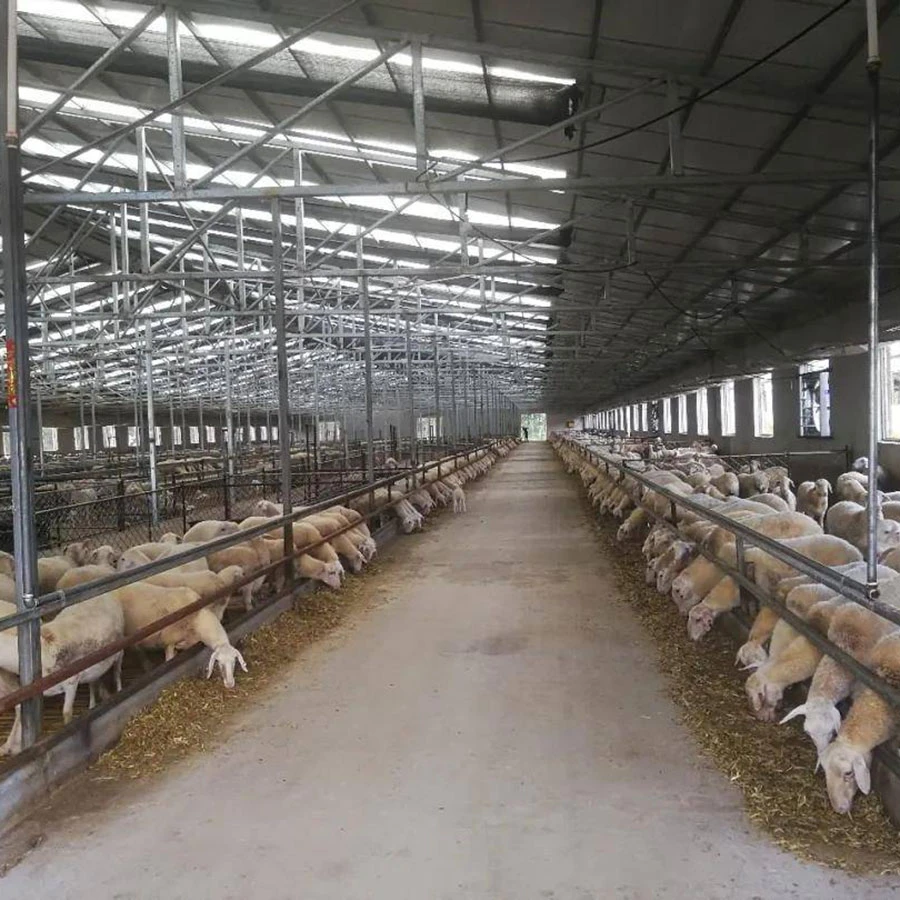
Funny enough, one of my favorite customer stories involves a midwestern livestock farmer who was struggling with feed spoilage — think moldy hay, wasted feed, that whole frustrating mess. We helped him switch to a properly sealed, galvanized feed bin silo with a moisture sensor attached. After that, spoilage dropped by nearly 40%, just because the feed stayed drier and the farmer got alerts before things went south. It’s great when technology quietly saves the day, right?
In real terms, choosing the right feed bin silo is about fit—for your farm, your feed type, and your budget. There’s no one-size-fits-all because livestock operations vary so much. Still, it feels reassuring to know that some manufacturers, like CX Livestock, keep matter-of-fact quality high and support flexible options.
The takeaway? Invest in quality materials and consider customization thoughtfully. A good feed bin silo isn’t just storage — it’s an extension of your operation’s reliability.
- Industry standards for feed bin construction: ASTM guidelines
- Corrosion resistance in agricultural equipment, Journal of Farm Tech, 2022
- Customer case studies from CX Livestock internal reports, 2023
Post time: Dec . 03, 2025