Understanding the Feed Bin: A Cornerstone of Efficient Livestock Management
Having spent over a decade working closely with agricultural and industrial equipment, I’ve come to appreciate the humble feed bin as one of those deceptively simple yet critical assets on any farm. Frankly, you don’t really notice how vital it is until something goes wrong — like getting uneven feed distribution or the dreaded clog. But before I get ahead of myself, let me share a bit about what I’ve learned about these workhorses.
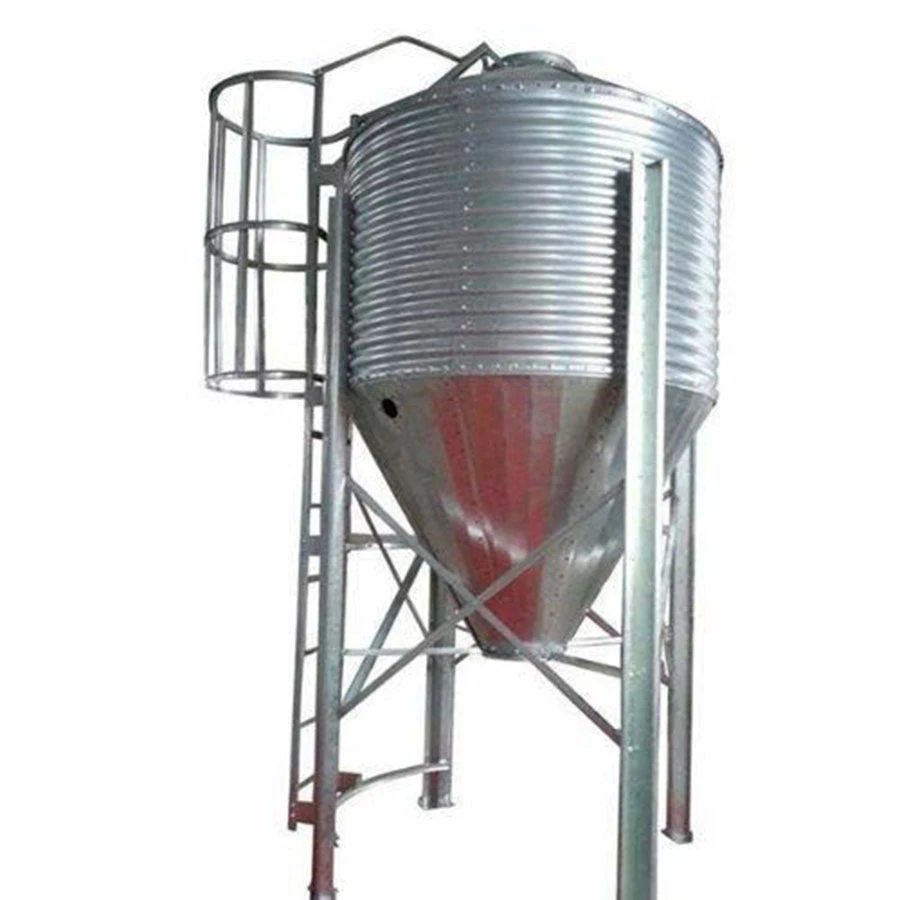
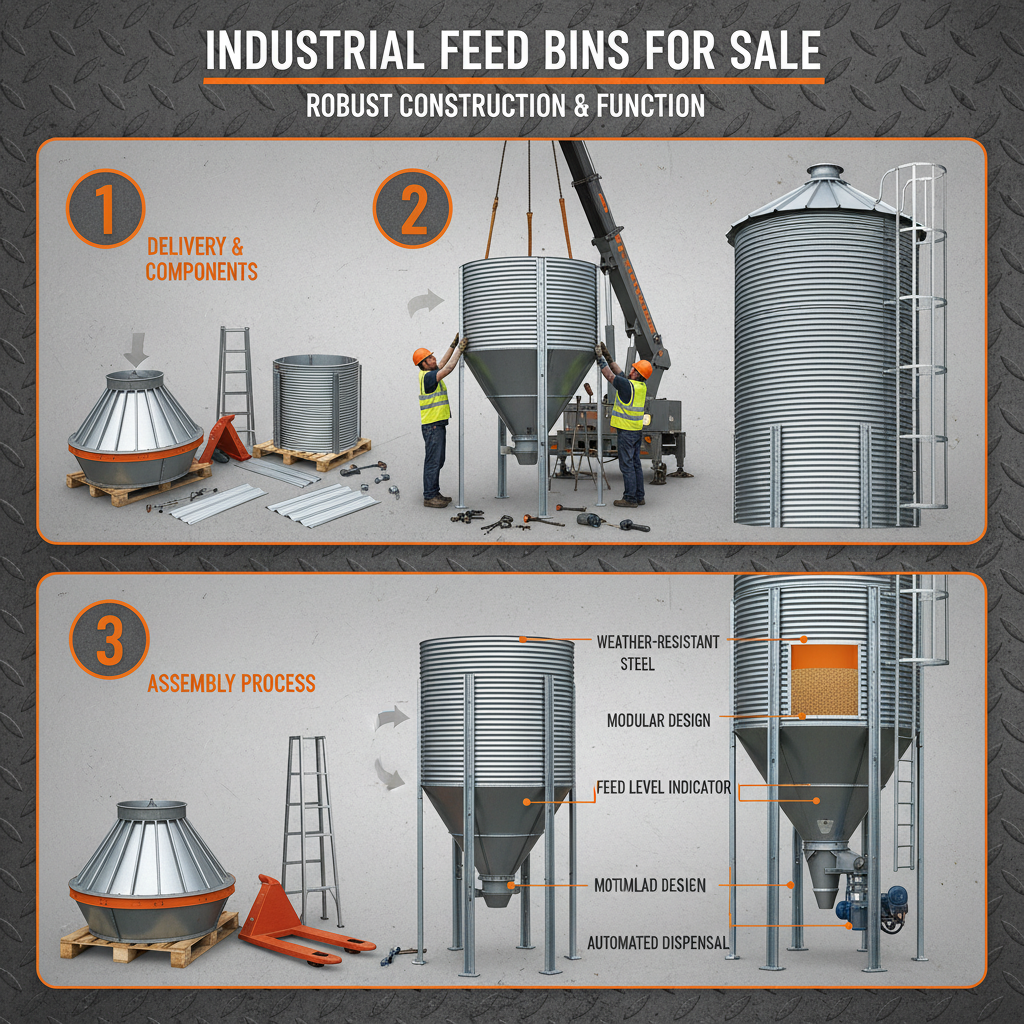
At its core, a feed bin stores and dispenses feed for livestock, ensuring animals get their nutrition consistently and efficiently. These bins might seem straightforward — basically big containers — but in reality, their design and construction can vary widely, reflecting decades of engineering trial and error.
What I find fascinating is how much the choice of material affects longevity and performance. Most commercial feed bins use galvanized steel or polyethylene. Galvanized steel, for instance, is resistant to corrosion, which is practically mandatory for outdoor storage where weather mercilessly chips away at metal. On the other hand, polyethylene feed bins, which you’ll often see in smaller or more hygienic setups, provide great resistance against moisture and are surprisingly lightweight. I remember visiting a farm where they swapped out their steel bins for large polyethylene models, reducing maintenance headaches drastically.
Another feature worth noting is the bin’s structural design — they come in varying diameters and heights, often customized to fit the farm’s scale and feed type. The conical bottom is kind of a clever engineering trick to ensure feed flows smoothly and reduces waste. Many engineers I know swear by the steepness of this cone angle to prevent bridging — the technical term for feed clumping up and blocking flow.
Speaking of customization, many manufacturers now offer modular feed bins with add-ons like aeration systems or load indicators. These features aren’t just bells and whistles; they address real-world issues, like preventing spoilage and ensuring accurate inventory tracking. I recall one customer sharing how an aeration retrofit saved his operation thousands by preventing feed mold during humid summers.
Of course, durability testing is critical. Producers typically ensure their feed bins can withstand rough weather, loading stress, and the constant washdowns common in farming. It’s reassuring to know these specifications undergo rigorous testing protocols, often following industry standards like ASTM or ISO, though specifics vary.
Below is a quick summary of typical feed bin specifications that I’ve seen trend across the industry:
| Specification | Typical Range | Notes |
|---|---|---|
| Material | Galvanized Steel, Polyethylene | Steel for strength; polyethylene for moisture resistance |
| Capacity | 1,000 - 20,000+ lbs | Depends on herd size and feed type |
| Cone Angle | 45° - 60° | Steeper angles reduce bridging risk |
| Aeration | Optional | Prevents mold, extends feed life |
| Discharge System | Gravity / Auger Fed | Augers help with dense or mixed feeds |
You’ve probably noticed there’s no one-size-fits-all feed bin, so choosing between suppliers is often a matter of balance: price, quality, customization, and turnaround time all play their role. Below is a small vendor comparison based on my professional observations across multiple farms.
| Vendor | Material Quality | Customization | Lead Time | Price Range |
|---|---|---|---|---|
| CX Livestock | High-grade galvanized steel & polyethylene | Wide selection of modular add-ons | 2–4 weeks | Mid to high |
| Farm Equip Co. | Standard galvanized steel | Limited custom options | 3–6 weeks | Budget-friendly |
| AgriBin Systems | Polyethylene focus for smaller bins | Moderate customization | 1–3 weeks | Moderate |
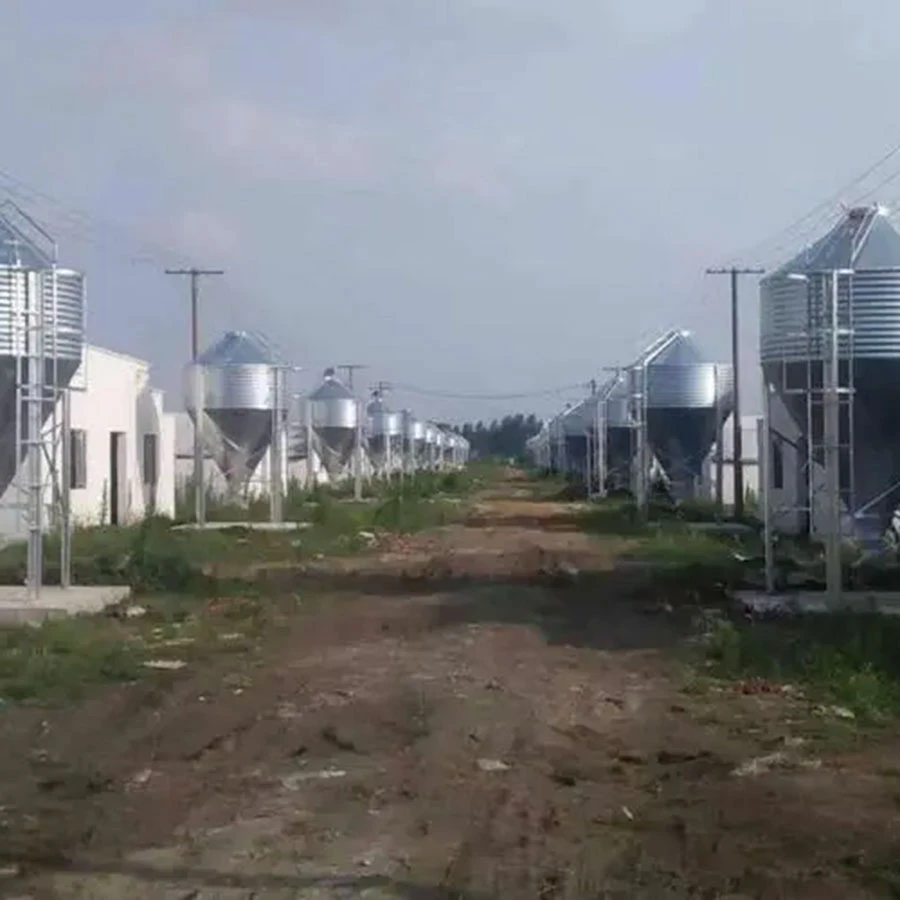
One last thing I’d mention: don’t overlook installation and site planning. I’ve witnessed setups where inadequate ground prep or poor bin location led to operational headaches down the road. A feed bin should be accessible but sheltered as much as possible — away from standing water and direct sun if you can manage it.
In real terms, the difference a well-chosen and properly installed feed bin can make often translates into smoother day-to-day operations, less wasted feed, and happier livestock — which, if you’re in this field as long as I have, is everything.
“Last summer, a customer switched to a CX Livestock bin with integrated aeration, and their feed spoilage dropped nearly 40%. It’s little upgrades like that that remind you how much room there still is to optimize.” — From my own notes and farm visits
Ultimately, choosing a feed bin means balancing your herd’s needs, budget constraints, and the practical realities of your farm’s environment. But when it’s right, it’s like setting a solid foundation for everything else that follows.
References
- ASTM International Standards on Agricultural Storage Equipment
- Interviews with agricultural engineers and farm managers (2015-2023)
- Hands-on observations at multiple commercial livestock operations
Post time: Dec . 03, 2025