Understanding the Galvanised Feed Bin: A Global Necessity for Livestock Management
At first glance, a galvanised feed bin might seem like a simple metal container – but its role in agriculture, disaster relief, and even food security worldwide is far from trivial. Given the pressing challenges of feeding a growing global population amidst resource scarcity and unpredictable climates, having reliable, durable storage solutions can make a significant difference. Understanding the galvanised feed bin means appreciating how modern farming, industrial feed storage, and even humanitarian logistics benefit from robust, rust-resistant equipment.
Why the Galvanised Feed Bin Matters Globally
Feed storage is a cornerstone of animal husbandry, impacting yield, animal health, and operational costs. According to the United Nations Food and Agriculture Organization, efficient feed management reduces waste and contamination, which directly relates to animal productivity worldwide. Globally, billions of livestock animals depend on consistent feed supply, and inadequate storage often leads to spoilage, pest infestation, or nutrient loss.
Moreover, in regions prone to extreme weather or post-disaster scenarios, traditional feed storage solutions fall short. There’s a tangible demand for galvanized feed bins — corrosion-resistant, weatherproof, and scalable — to mitigate losses and increase resilience for farmers and aid organizations alike.
Mini takeaway:
The galvanized feed bin isn’t just about durability; it’s part of a global strategy to safeguard livestock resources and food supply chains under increasingly volatile conditions.
What Exactly Is a Galvanised Feed Bin?
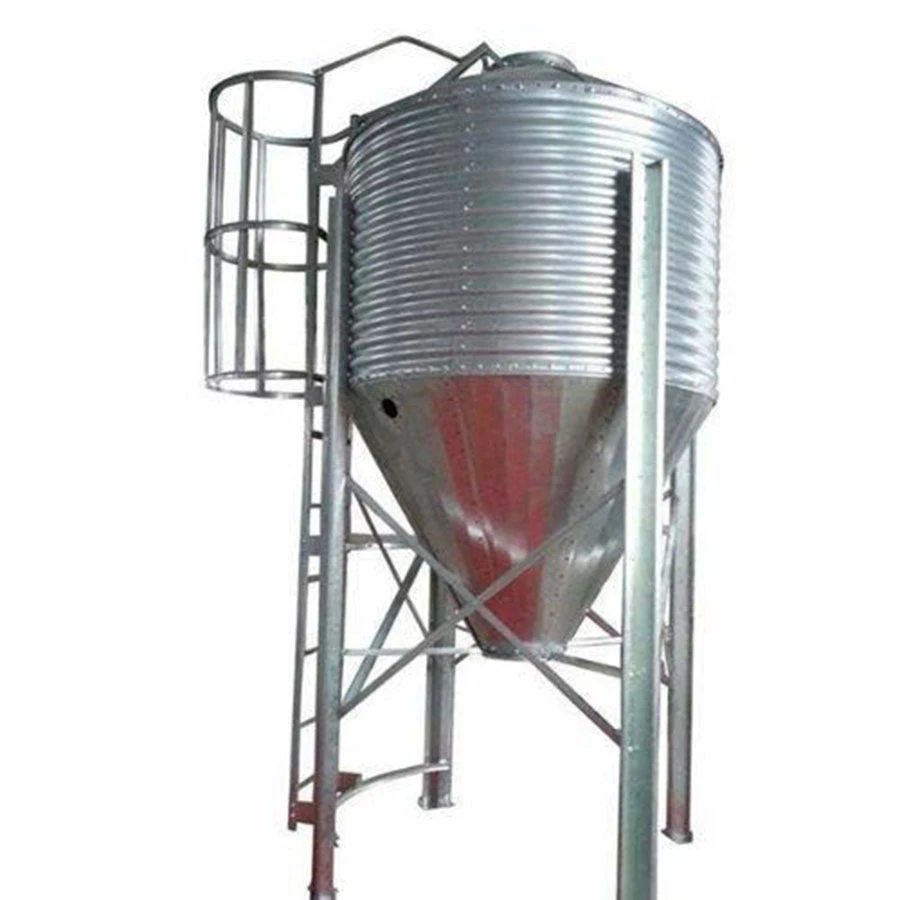
Simply put, a galvanised feed bin is a metal container specifically designed for storing animal feed, coated with zinc to prevent rust and degradation. The galvanisation process involves applying a protective zinc layer onto steel or iron, ensuring long-lasting resistance against moisture and environmental wear.
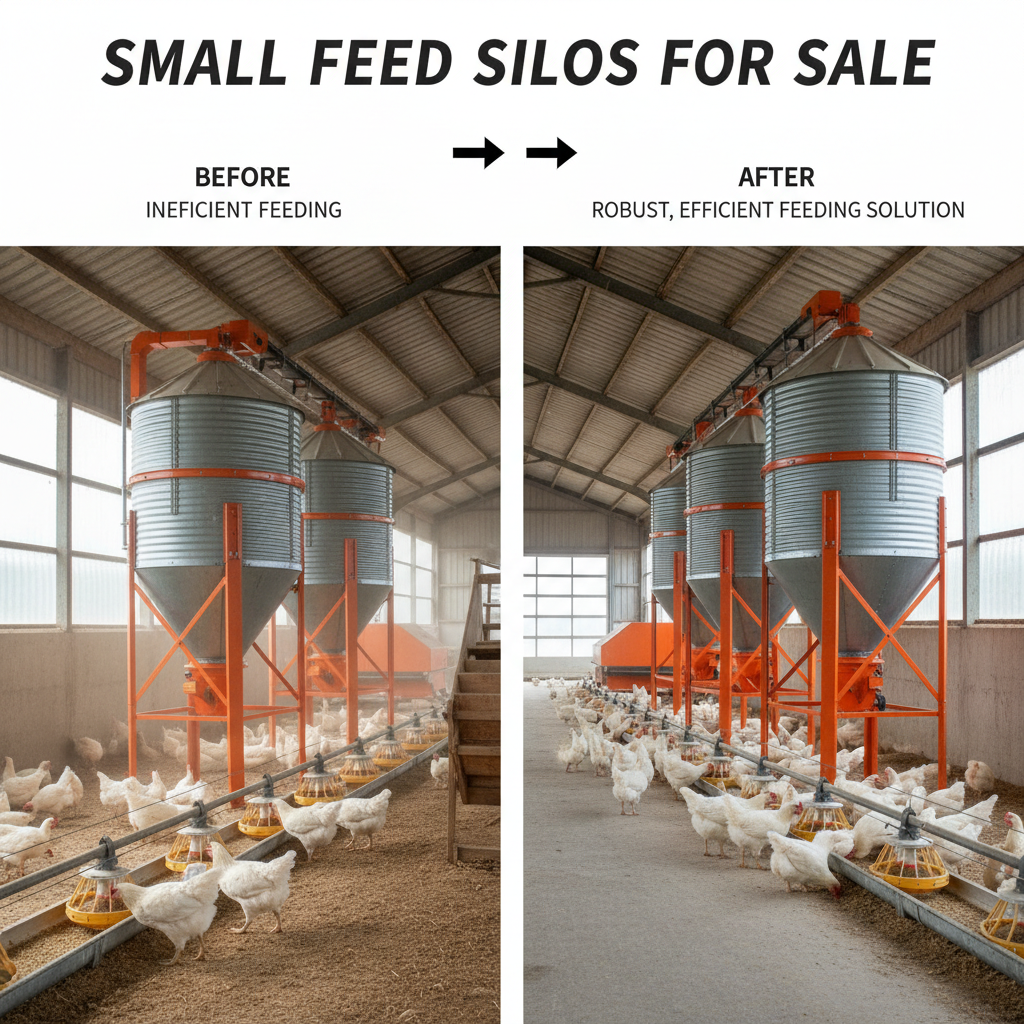
These bins come in various shapes and sizes — from small-scale farm silos to large industrial containers. Their connection to modern agriculture and humanitarian efforts is clear: they offer an airtight, pest-proof environment that preserves feed quality for extended periods, essential for sustaining large herds or responding rapidly in crisis zones.
Mini takeaway:
Galvanisation transforms an ordinary steel bin into a practical, hard-wearing asset that preserves feed integrity and supports food security worldwide.
Core Features of a Galvanised Feed Bin
1. Durability and Corrosion Resistance
The zinc coating guards against rust caused by moisture, humid storage environments, or chemical exposure found in feedstocks. This aspect drastically increases the bin’s lifespan, often exceeding 20 years with minimal maintenance.
2. Pest and Contamination Prevention
When properly sealed, galvanized bins prevent rodents, insects, and fungal infections from spoiling feed stock. An effective feed bin reduces loss and health risks posed by contaminated feed.
3. Scalability and Capacity Options
From small 250kg containers used in backyard farms to industrial-scale 10-tonne silos, galvanized feed bins come in various sizes to suit farm-specific needs. Modular design options also allow expansion as operations grow.
4. Cost Efficiency Over Time
While initial costs might be higher than plastic or untreated steel bins, the long-term savings from reduced feed loss, less maintenance, and replacement make galvanised bins cost-effective investments.
5. Ease of Maintenance and Cleaning
The smooth galvanized surface resists buildup and is relatively easy to clean, which promotes hygiene — crucial for preventing diseases in livestock populations.
Mini takeaway:
Each feature combines to form a product that doesn't just store feed, but protects a farm’s livelihood, promotes animal health, and reduces operational headaches.
Global Uses and Real-World Examples
Across continents, galvanised feed bins serve very diverse roles:
- In Australia: Cattle ranchers use them in open-range conditions, where rain and humidity would quickly degrade untreated storage.
- East Africa: NGOs supply galvanised bins to pastoralists in drought-prone regions to safeguard precious feed during crisis seasons.
- Europe: Dairy farms rely on them to keep silage and grain feeds stable, promoting consistent milk quality.
- Post-disaster Relief: After floods in Southeast Asia, rapid deployment of galvanised feed bins helped local farmers replenish feed reserves, preventing livestock starvation.
The diversity of applications underscores the adaptability of galvanized feed bins to harsh environments as well as organized industrial settings.
Mini takeaway:
From resource-limited farmers to multinational agribusinesses, these bins form a quiet backbone to stable food production worldwide.
Advantages and Long-Term Value
Why spend on a galvanized feed bin instead of cheaper alternatives? The answer lies in a blend of the tangible and intangible:
- Cost savings: Reduced feed waste and fewer replacements means saving money quickly adds up.
- Sustainability: Longevity lowers resource consumption, aligning with eco-friendly farming ideals.
- Trust & Safety: Protected feed reduces disease risks, benefiting both animals and end consumers.
- Emotional assurance: Knowing feed is secure helps farmers sleep better at night — which, frankly, is priceless.
Product Specification Table
| Feature | Specification |
|---|---|
| Material | Hot-dip galvanized steel (coating thickness ≥ 80μm) |
| Capacity Range | 250 kg to 10,000 kg |
| Corrosion Resistance | High (meets ISO 1461 standards) |
| Pest Control Features | Sealed lids and rodent-proof design |
| Warranty | 5 years standard |
| Additional Options | Custom paint, modular stacking, automated feed dispensing |
Comparing Leading Galvanised Feed Bin Vendors
| Vendor | Product Range | Lead Time | Price Range (USD) | Notable Feature |
|---|---|---|---|---|
| CSI Agricultural Supplies | 250kg - 5-tonne bins | 2-3 weeks | $350 - $3,200 | Customizable modular designs |
| AgroSteel Inc. | 1-tonne - 10-tonne silos | 4-6 weeks | $1,200 - $9,500 | Automated feed dispensing options |
| FarmPro Solutions | 250kg - 2-tonne bins | 1-2 weeks | $300 - $1,900 | Fast delivery & bulk discounts |
Future Trends and Innovations in Feed Storage
Unsurprisingly, the galvanized feed bin sector isn’t standing still. Innovations revolve around:
- Smart Sensors & IoT: Embedded sensors can monitor feed levels and quality in real-time, reducing wastage and optimizing ordering schedules.
- Eco-friendly Coatings: Research is underway into biodegradable or less polluting zinc alternatives that still provide corrosion resistance.
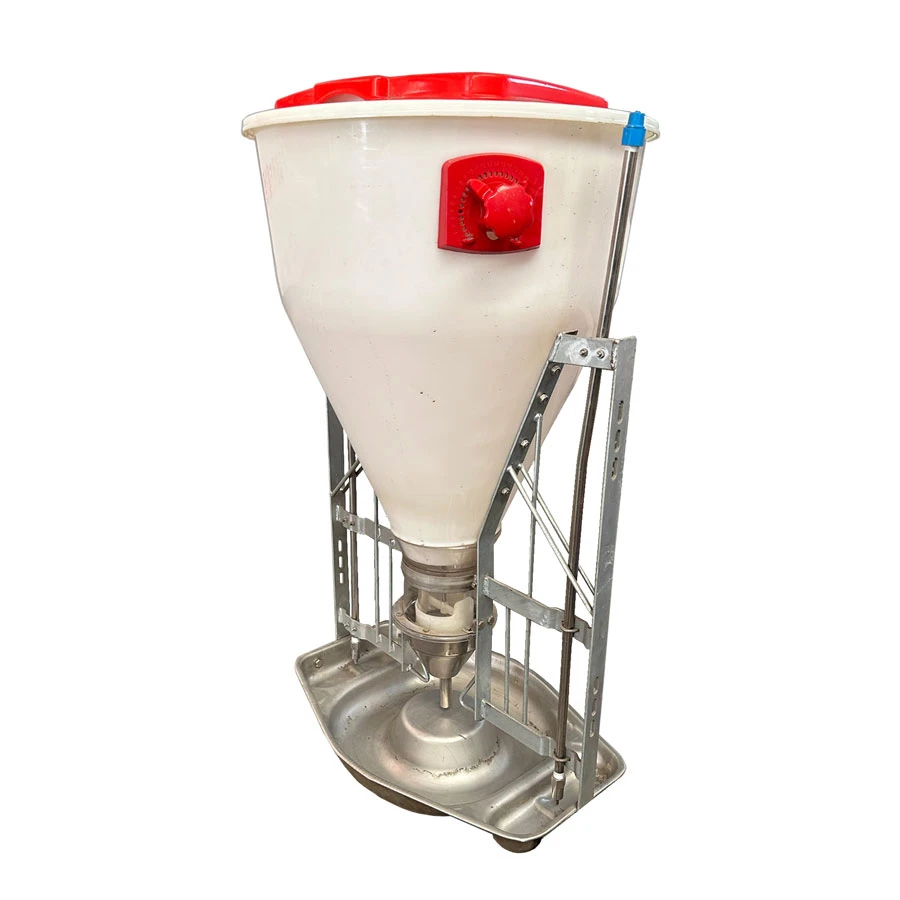
- Automation: Automated feed dispensing systems integrated with barn management software improve both animal nutrition and labor efficiency.
- Enhanced Portability: Lightweight, modular bins made of composite galvanized materials for easier transport — critical in remote or emergency settings.
Challenges and Practical Solutions
While galvanized feed bins hold numerous advantages, challenges exist:
- Initial costs: The upfront investment can deter smaller farmers who may lack capital.
- Weight and transportability: Steel bins can be heavy and cumbersome for certain remote applications.
- Maintenance Knowledge: Without proper care, even galvanized surfaces can degrade over time.
To overcome these, manufacturers offer customizable payment plans, lighter alloys combined with galvanisation, and educational resources for maintenance, ensuring bins live up to their promise.
Frequently Asked Questions about Galvanised Feed Bins
Q1: How long does a galvanised feed bin typically last in outdoor conditions?
A galvanised feed bin, when properly maintained, can last over 20 years outdoors. The zinc coating protects against rust and corrosion, but periodic inspections and cleaning help extend lifespan significantly.
Q2: Can galvanised feed bins be customized for specific farm needs?
Yes, many suppliers offer customization options, including different sizes, modular stacking, paint colors, and features like automated feed dispensers tailored to farm operations.
Q3: Are galvanised feed bins suitable for use in humid or coastal regions?
Absolutely. The galvanisation process is especially beneficial in humid or salty environments, preventing the steel from rusting, though occasional maintenance is recommended for coastal areas with high salinity.
Q4: How do galvanized feed bins compare to plastic feed storage options?
While plastic bins are lighter and often cheaper initially, they tend to wear out faster, are more prone to cracking, and can’t match the corrosion resistance and lifespan of a galvanised steel bin.
Q5: Where can I buy high-quality galvanised feed bins?
There are several reliable vendors worldwide; companies like CSI Agricultural Supplies and AgroSteel Inc. are well-regarded for quality and service.
Wrapping Up: Why Choosing the Right Feed Bin Is Worth It
At the end of the day, a galvanised feed bin isn’t just a container; it’s a strategic asset that boosts farm productivity, supports animal health, and even contributes indirectly to global food security. Investing in one may seem like a small detail, but its ripple effects — reduced waste, fewer vet bills, and sustained livelihoods — matter immensely.
If you’re looking to upgrade your storage solutions, be sure to explore reputable providers and find options tailored to your scale and environment. To start, visit https://www.cxlivestock.com for reliable selection and expert advice.
Final Thought:
Choosing a galvanised feed bin feels like choosing a solid handshake in the world of farming — dependable, sturdy, and something you want in your corner for the long haul.
References
Post time: Dec . 02, 2025