What Are Show Cattle Stall Displays and Why They Matter Worldwide
Show cattle stall displays, at first glance, might seem like a niche or purely decorative element in livestock exhibitions. But if you take a step back, they are a surprisingly important piece in the larger puzzle of global cattle management, animal welfare, and agricultural trade. These displays don’t just serve to “look pretty” — they offer a structured environment that enhances animal health, boosts breeder reputation, and even aids in sustainable livestock farming. In all, they play an essential role from local farm fairs to international bovine exhibitions.
Understanding the ins and outs of show cattle stall displays is key not only for livestock enthusiasts but also for businesses, event organizers, and even policymakers who want to see the industry thrive responsibly. Plus, as sustainability and animal welfare standards get tougher worldwide, the design and functionality of these stalls can make or break an exhibitor’s success.
The Global Context: Why Show Cattle Stall Displays Are More Relevant Than Ever
Around the globe, we’re seeing a steady rise in livestock shows, driven by growing agricultural economies and a surge in demand for genetic improvement of cattle breeds. According to the FAO, more than 1.5 billion people depend on livestock for their livelihoods, so the structures supporting these animals at shows are indirectly supporting entire communities.
But here’s the catch: poorly designed or insufficient show cattle stall displays often mean stressed animals, which can affect their health and performance. The World Organisation for Animal Health (OIE) highlights that even minor stressors can impact livestock disease susceptibility, which in turn influences food safety and global trade. So, there’s this constant push to upgrade stall designs to be more ergonomic, hygienic, and adaptable — helping the industry grow sustainably and ethically.
So, What Exactly Are Show Cattle Stall Displays?
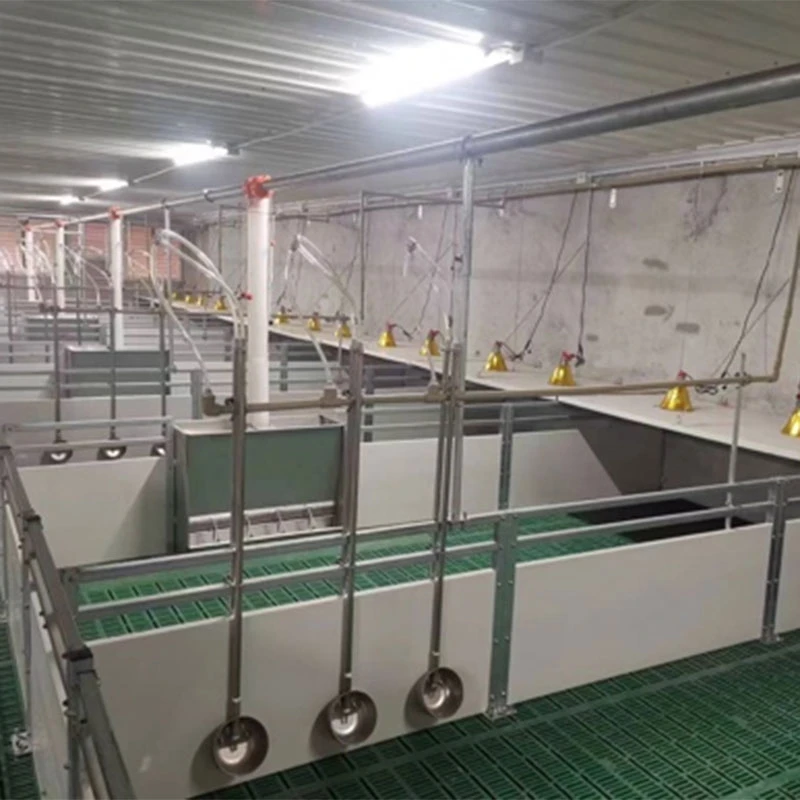
In simple terms, show cattle stall displays are dedicated enclosure units designed specifically to house and display cattle during livestock shows and exhibitions. Unlike typical farm pens, these stalls are optimized for easy viewing, animal comfort, and safe handling by handlers and judges alike.
They are comprised of modular panels, gates, and sometimes integrated branding or information boards. Their design helps prevent cattle from agitating each other, protects them from injury, and offers a clean, organized environment to highlight breed characteristics during competition.
More than just fancy fences, these displays bridge modern farming techniques with public engagement, education, and commercial promotion — giving cattle the treatment they deserve while supporting breeders and buyers.
Core Components of Effective Show Cattle Stall Displays
1. Durability and Material Quality
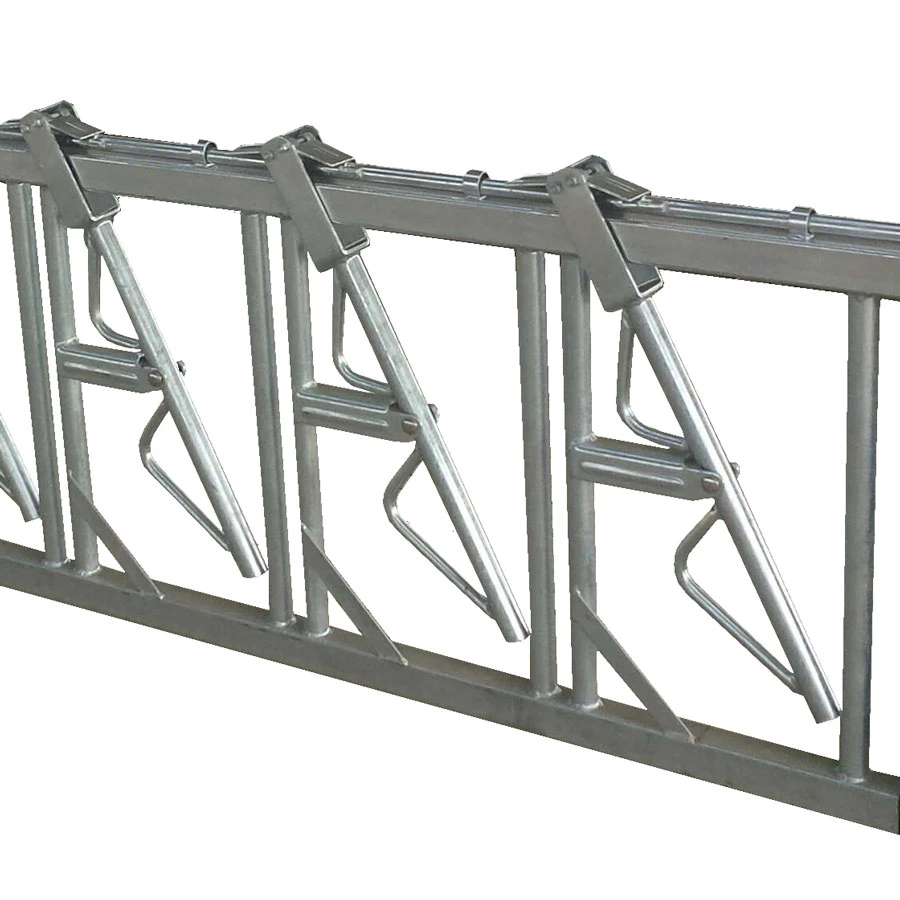
These stalls are often constructed from galvanized steel or high-strength aluminum to resist rust and withstand the roughhousing that lovely (but big!) cattle can dish out. Durability means exhibitors reuse their stalls year after year, amortizing costs and reducing waste.
2. Animal Comfort and Safety
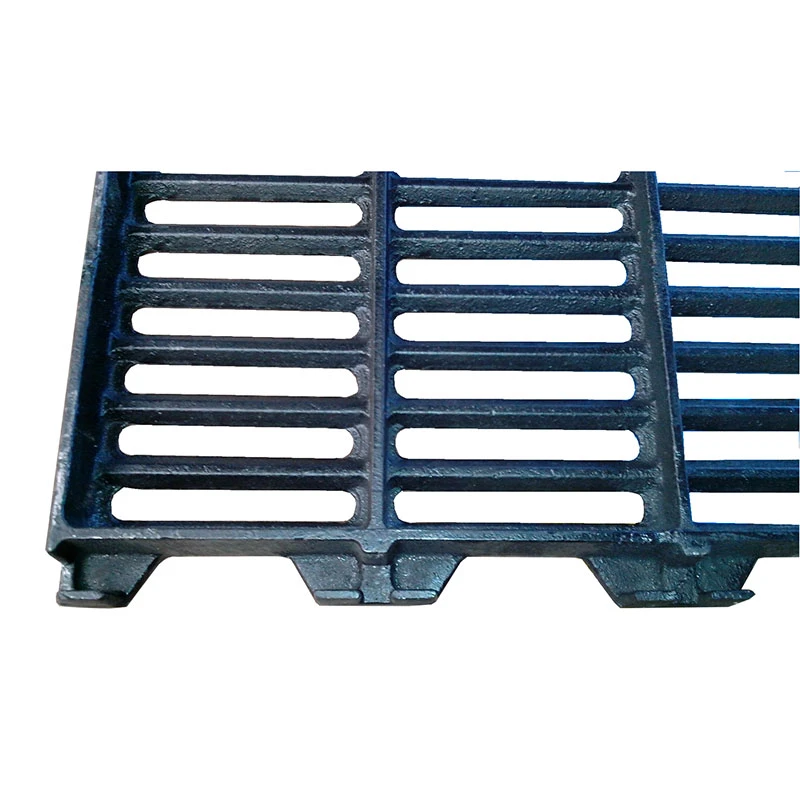
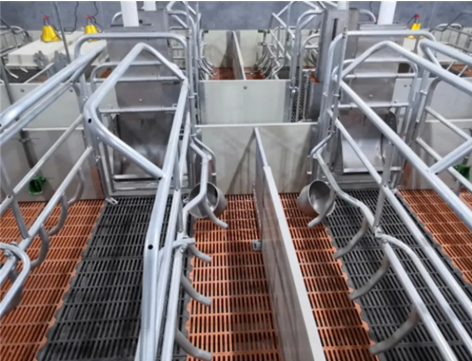
Soft edges, non-slip flooring, and ample space per animal reduce stress and injury. The right stall keeps cattle calm and cooperative — essential during the show when tensions can run high.
3. Portability and Modularity
Most cattle shows move locations, so stalls need to be easy to transport and reassemble quickly. Modular designs allow users to adapt setups based on show size or animal numbers.
4. Hygiene and Maintenance
Easy-clean surfaces and drainage promote better animal health and compliance with sanitation standards. Stall materials that resist dirt and moisture build-up make life easier for event crews.
5. Aesthetic Appeal and Branding
Many owners use custom colors, logos, and signage to highlight their ranch’s identity and attract buyers. A well-branded stall display becomes part of the breeder’s marketing strategy on and off the grounds.
Worldwide Use Cases and Who Benefits Most
Show cattle stall displays find their place in diverse settings:
- North America: The US and Canada lead in state fairs and breed-specific shows, often incorporating tech like digital scoring screens inside stall setups.
- Europe: Countries like the UK and Germany emphasize eco-friendly materials and animal welfare compliance during major livestock expos.
- Australia and New Zealand: Remote cattle stations use portable stalls for auctions and displays to help local breeders thrive despite distance challenges.
- Emerging Markets: In parts of Africa and South America, NGO-led livestock exhibitions promote genetic diversity for rural farmers, relying on sturdy yet affordable stall displays.
Consider a large midwestern USA cattle expo — producers often arrive days early to set up sleek modular stalls that can be swapped out, cleaned, and packed down after a weekend of judging and sales. It’s a logistical dance, making the right stall display design crucial.
Advantages and Lasting Value of Quality Stall Displays
At the end of the day, investing in proper show cattle stall displays results in:
- Healthier Animals: Less stress and injury means cattle perform better and show true genetic traits.
- Cost Savings: Durable, reusable stalls cut down replacement and repair expenses.
- Better Branding: Exhibit spaces turn into marketing platforms for breeders and sellers.
- Social Impact: Supporting animal welfare resonates with consumers and regulators, fostering trust.
- Event Efficiency: Quick setup and breakdown keep shows running smoothly and on schedule.
There’s also a more intangible benefit: pride. A beautiful, well-kept stall tells a story of care, passion, and professionalism that can stick with judges and potential buyers alike — sometimes tipping the scales in tight contests.
Product Specification Table: Typical Show Cattle Stall Display Features
| Feature | Details |
|---|---|
| Material | Galvanized Steel or Aluminum Alloy |
| Dimensions | 12’ x 12’ standard, customizable modular panels |
| Weight | Approx. 200-300 lbs per stall unit |
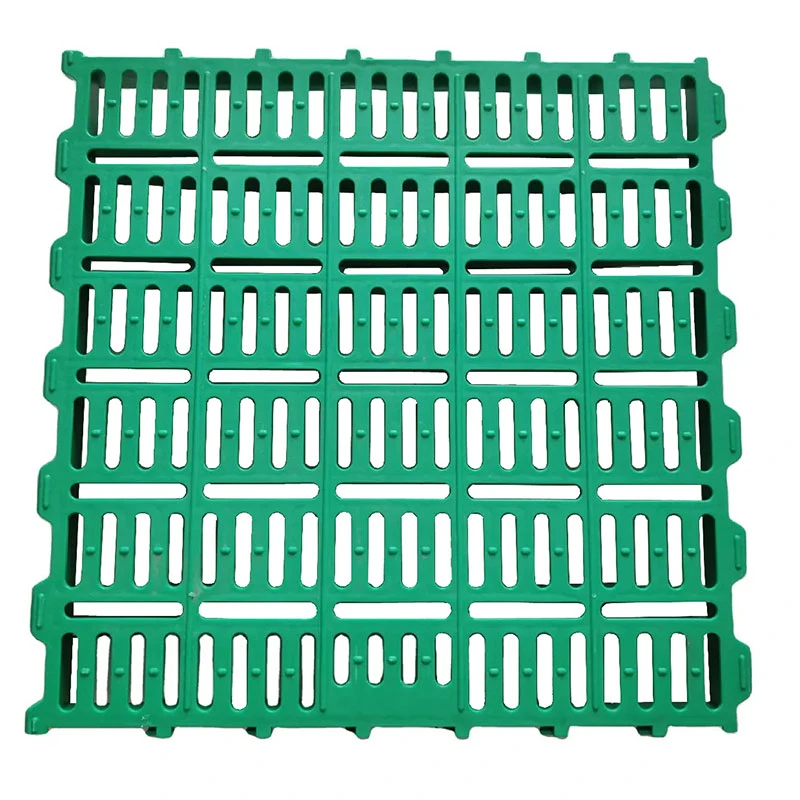
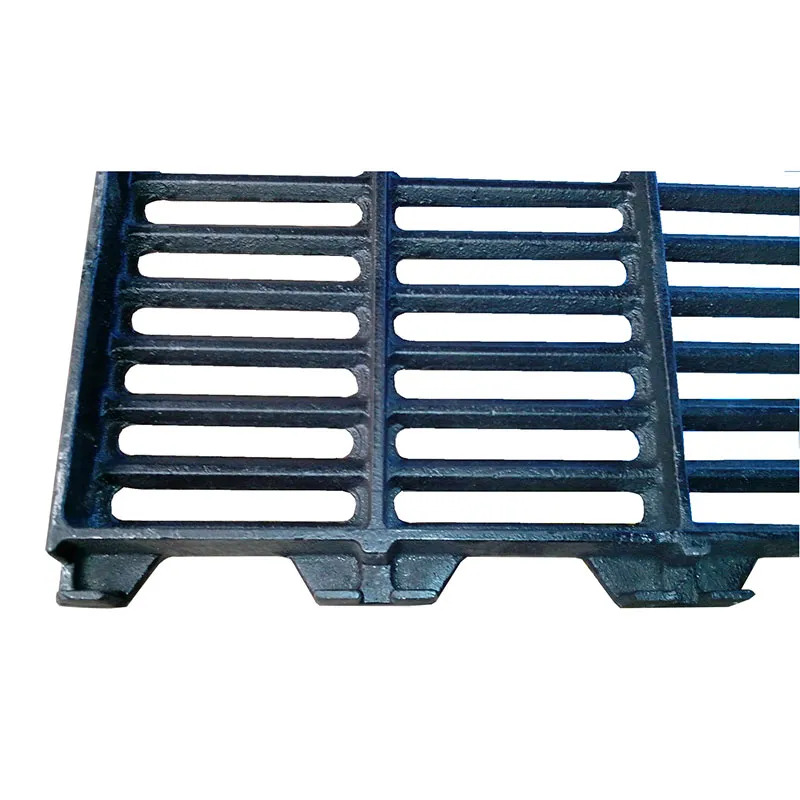
| Flooring | Optional rubber mats or metal grates with drainage |
| Portability | Modular, break-down design for transport & storage |
| Customization | Brand colors, signage, and info panels available |
Vendor Comparison: Leading Show Cattle Stall Display Suppliers
| Vendor | Price Range | Customization | Delivery Time | Unique Feature |
|---|---|---|---|---|
| CattlePro Displays | $1500–$2500 per unit | Full branding and size options | 2-3 weeks | Integrated LED lighting kits |
| Farmstead Stall Solutions | $1200–$2000 per unit | Modular upgrades available | 1-2 weeks | Eco-friendly powder coating |
| RanchView Equip | $1800–$2700 per unit | Custom signage and electronic ID options | 3-4 weeks | Heavy-duty reinforced gate locks |
Emerging Trends and What’s Next for Show Cattle Stall Displays
Innovation never rests. The future of these displays is leaning into sustainable and smart territory. Lightweight composites and recycled metals are increasingly used to reduce environmental impact. Solar-powered LED lighting and temperature monitoring sensors are becoming standard, helping ranchers tweak stall conditions in real time. I’ve also heard whispers about AI-driven cattle tracking embedded in stalls — it sounds sci-fi, but it’s just around the corner.
Meanwhile, digital design tools let vendors craft bespoke stall configurations online, speeding up lead times and cutting mistakes. More shows demand compliance with ever-stricter animal welfare laws, making ergonomics and hygiene top priorities in the design brief.
Common Challenges & Practical Solutions
Despite the advances, not all’s smooth sailing. Transporting heavy, bulky stalls to remote shows can be costly and slow. Some materials, while durable, add unwanted weight. Also, balancing customization with affordability remains tricky for many breeders.
Experts suggest renting stalls as a cost-effective alternative where possible — it’s gaining traction in regions with seasonal events. Meanwhile, modular designs that break into smaller, lighter pieces ease transport headaches. At the same time, investing in top-quality portable flooring can prevent fatigue and injury for cattle during long events.
FAQ: Answers to Your Most Common Questions
Q: How quickly can show cattle stall displays be set up at an event?
A: Most modern stall displays are designed for rapid assembly, often within 1–2 hours by a small team. Modular panels and tool-free connectors help speed this up significantly compared to older designs.
Q: Are these stall displays suitable for outdoor use in extreme weather?
A: Yes, high-quality stalls use weather-resistant metals and finishes that withstand rain, wind, and sun. Adding protective coverings or tents during harsh weather is common practice.
Q: Can I customize stall displays with my farm’s branding and colors?
A: Absolutely. Many manufacturers offer tailored paint or powder coat options and custom signage — great for standing out in competitive shows.
Q: What is the lifespan of a typical show cattle stall display?
A: With proper maintenance, stalls can last 8–15 years or longer. Galvanized steel treatments and modular repairs prolong their usefulness significantly.
Q: How do I choose the right stall size for my cattle?
A: Standard stalls are usually around 12x12 feet for adult cattle, but modular panels allow adjustments. Consult specific breed show guidelines to ensure compliance with size and spacing requirements.
Final Thoughts: Why Investing in Show Cattle Stall Displays Pays Dividends
In the end, the humble show cattle stall display is a blend of practicality and showmanship. It safeguards animal health, boosts exhibitor confidence, and enhances marketing at once. Whether you’re a breeder, event organizer, or simply fascinated by livestock culture, these stalls speak volumes about the care behind the scenes.
Ready to explore top-tier show cattle stall displays for your next exhibition? Dive into our curated selection where quality meets innovation.
Keep these stalls in mind next time you visit a show — they’re more than partitions; they’re the unsung heroes of livestock exhibitions.
References:
Post time: Nov . 27, 2025