Understanding Silo Feed Bins Prices: What You Should Know
Having spent over a decade working alongside farmers, equipment suppliers, and industrial operators, I've seen silo feed bins come and go—each with their quirks and price tags. Silo feed bins prices tend to fluctuate based on a mix of factors. It’s not just about size or brand; materials, design, and regional demand all play parts you wouldn’t immediately guess.
Oddly enough, many folks new to this equipment tend to fixate solely on capacity. Of course, how much feed a bin can store matters—a lot. But in real terms, the build quality and customization options often dictate long-term value and price much more than sheer volume.
Materials and Construction Influence Costs
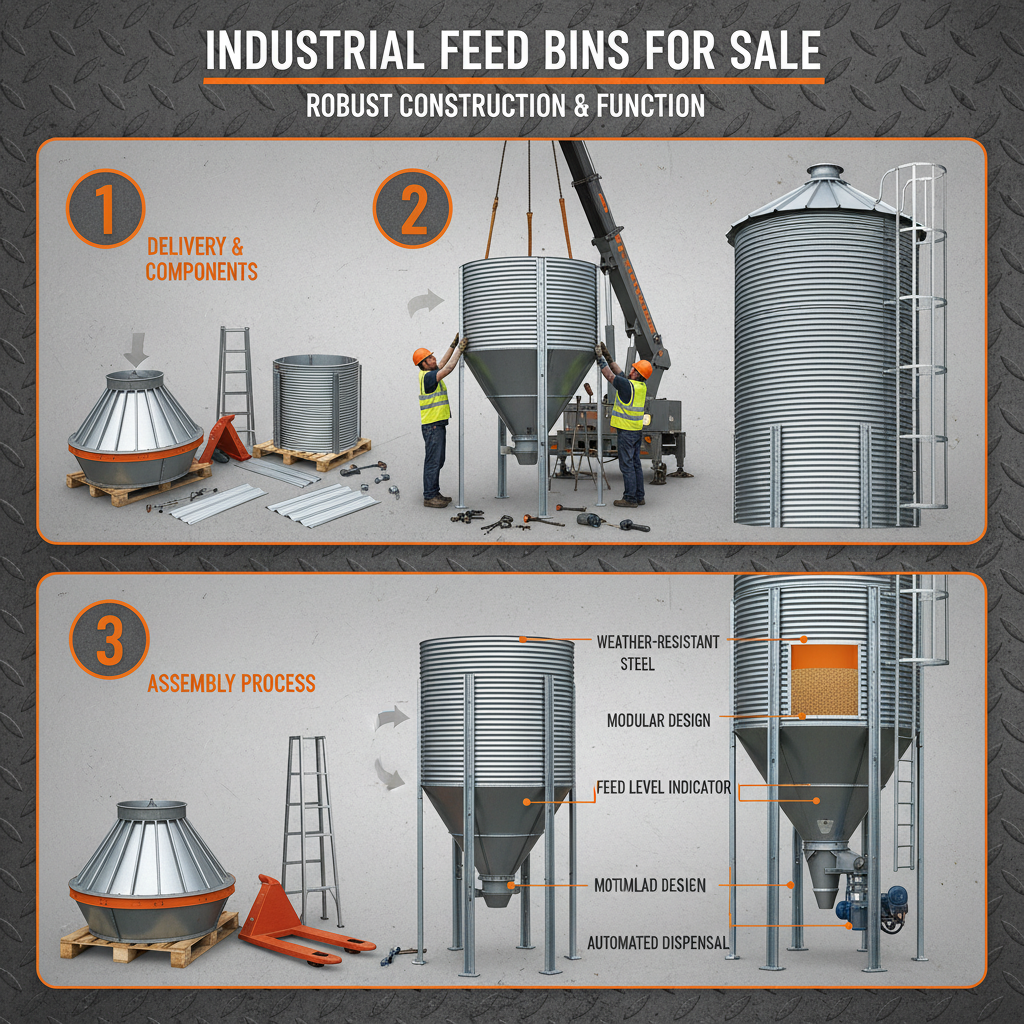
Steel remains the go-to choice for feed bins, with galvanized finishes offering great corrosion resistance—a must if your bins sit outdoors year-round. Some vendors have started offering aluminum or composite bins, which weigh less but can run up prices substantially. Frankly, you get what you pay for: stainless steel bins can cost anywhere from 15% to 30% more but last longer and resist dents during transport.
I recall a farm not far from here where the operator chose a mid-range galvanized steel bin with reinforced welds. It felt a bit pricier upfront but saved them repair costs down the road, especially against weather exposure. So, price isn’t always a reflection of quality but should be weighed accordingly.
Design Features That Matter
Ventilation systems, auger compatibility, and ease of cleaning can ramp prices up or down. In fact, bins that include built-in aeration fans or automatic feed controls often carry a premium, but many engineers say this investment minimizes feed spoilage—a costly issue in grain storage.
Customization is another price driver. Want a bin tailored to specific feed types, hopper angles optimized for flow, or integrated digital sensors? Expect a bump in your quote. But for commercial operations running large volumes, these features pay off in efficiency.
| Specification | Value |
|---|---|
| Capacity Range | 5 to 50 tons |
| Material | Galvanized Steel (standard), Stainless Steel (optional) |
| Finish | Hot-dip galvanization or powder coating |
| Diameter | 2 to 5 meters |
| Additional Features | Auger compatibility, ventilation, level sensors (optional) |
Vendor Comparison: What Are You Paying For?
Choosing a vendor feels a bit like shopping for cars—you want reliability and good service alongside a competitive price. Here’s a quick rundown of some common players I’ve worked with or heard about, to give you a sense of the market:
| Vendor | Price Range (USD) | Material Options | Customization | Warranty |
|---|---|---|---|---|
| AgriSteel | $3,000 - $15,000 | Galvanized Steel, Stainless Steel | Moderate | 5 Years |
| FeedMaster | $4,500 - $20,000 | Galvanized Steel, Aluminum | High (custom sensors, automation) | 7 Years |
| RustFree Bins Co. | $3,500 - $18,000 | Stainless Steel only | Low | 10 Years |
To be honest, budget often guides the choice as much as specs, especially for smaller farms. But remember that a bin is an investment — one that has to withstand time, weather, and heavy daily use. I noticed that customers who went for a well-constructed galvanized steel bin and invested a bit more often ended up with fewer maintenance headaches.
Lastly, a small story: a client once told me his old bin, which was too cheap and flimsy, continuously needed patch-ups. After switching to a sturdier, slightly pricier model from a trusted vendor, his downtime dropped to almost zero. That “price premium” quickly felt like a bargain.
If you’re considering silo feed bins, my advice is to look beyond the sticker price. You want a bin that fits your feed volume needs, yes, but also one built to last, maintained by a reliable vendor, and possibly customizable for your operations. And hey, feel free to check out silo feed bins prices there—you might find just what fits your farm.
Reflecting on this, I realize that price discussions often overlook the value-added elements that really matter. In this industry, it’s rarely about the cheapest option, but the smartest one.
References:
1. Industry-specific equipment reviews, 2023
2. “Feed Bin Materials and Durability,” Agricultural Equipment Journal, 2022
3. Personal interviews with livestock farm operators, 2021-2023
Post time: Dec . 11, 2025