Understanding the Single Hog Feeder: A Small Device, Big Impact
If you’re in livestock farming or even dabbling in agricultural technology, you might have come across the term single hog feeder. But why does such a simple piece of equipment matter beyond the barn? Honestly, it’s one of those unsung heroes in animal husbandry that’s quietly transforming feeding efficiency worldwide. On a global scale, as pork production climbs — it’s the largest meat consumed globally, according to the Food and Agriculture Organization (FAO) — the right feeding strategies become crucial to sustainable farming and animal welfare.
Understanding single hog feeders doesn’t only improve day-to-day operations; it's also about tackling larger problems like feed wastage, uneven nutrition, and costly labor. A well-designed feeder can boost growth rates, reduce injuries, and optimize feed costs in ways many casual farmers overlook.
Why Single Hog Feeders Matter in Today’s Livestock Industry
The global pork industry is staggering in scale. The World Bank noted steady increases in pork demand, especially in Asia and parts of Europe. But behind those numbers is a simple challenge: how to feed hogs efficiently to meet these demands sustainably.
Conventional feeding methods often result in wastage — animals competing for feed, feed spilled on the floor, or contamination. Worse, it can encourage aggressive behavior, leading to injuries or uneven growth among pigs. That’s costly, socially and financially.
So automated or well-designed single hog feeders are more than convenience. They’re answers to critical challenges such as:
- Reducing feed loss in fast-paced farm environments
- Providing balanced rationing to individual animals
- Minimizing labor while maximizing feeding precision
Sort of like the humble tools that keep giant operations tipping forward without crumbling — they don’t get the glam, but they’re indispensable.
What Is a Single Hog Feeder, Exactly?
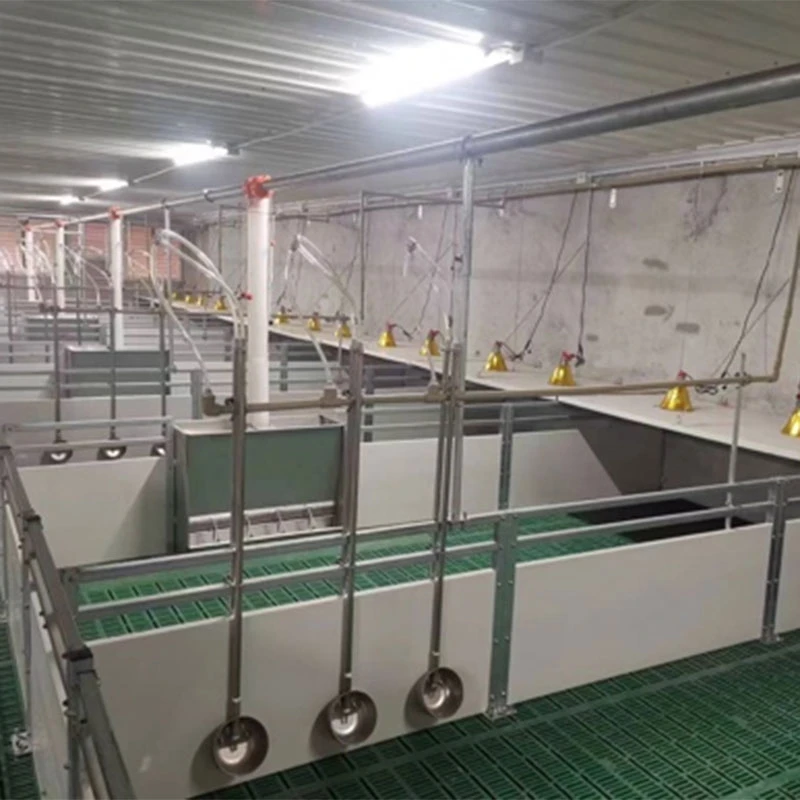
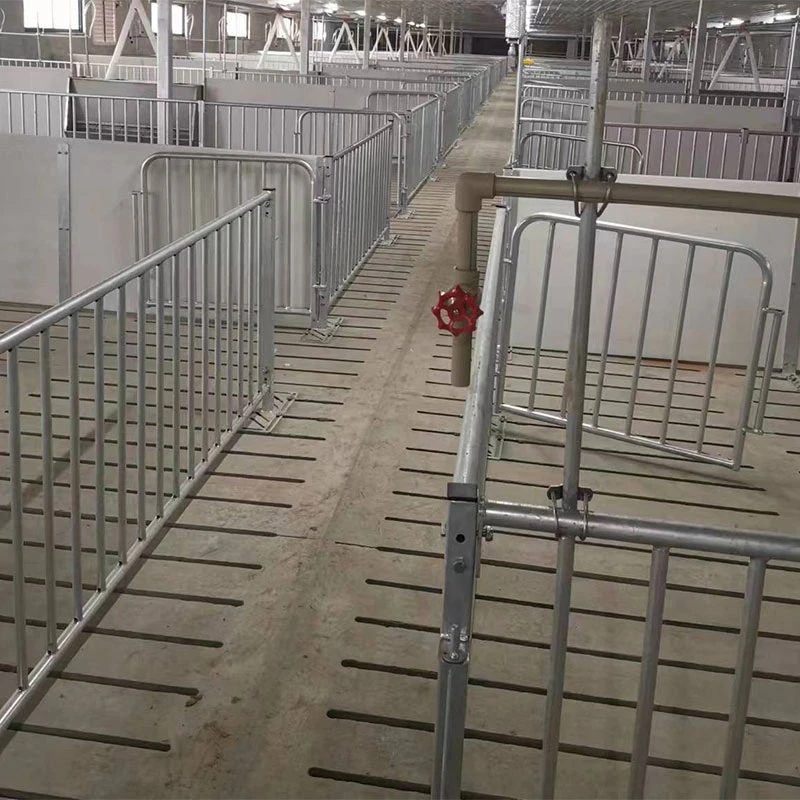
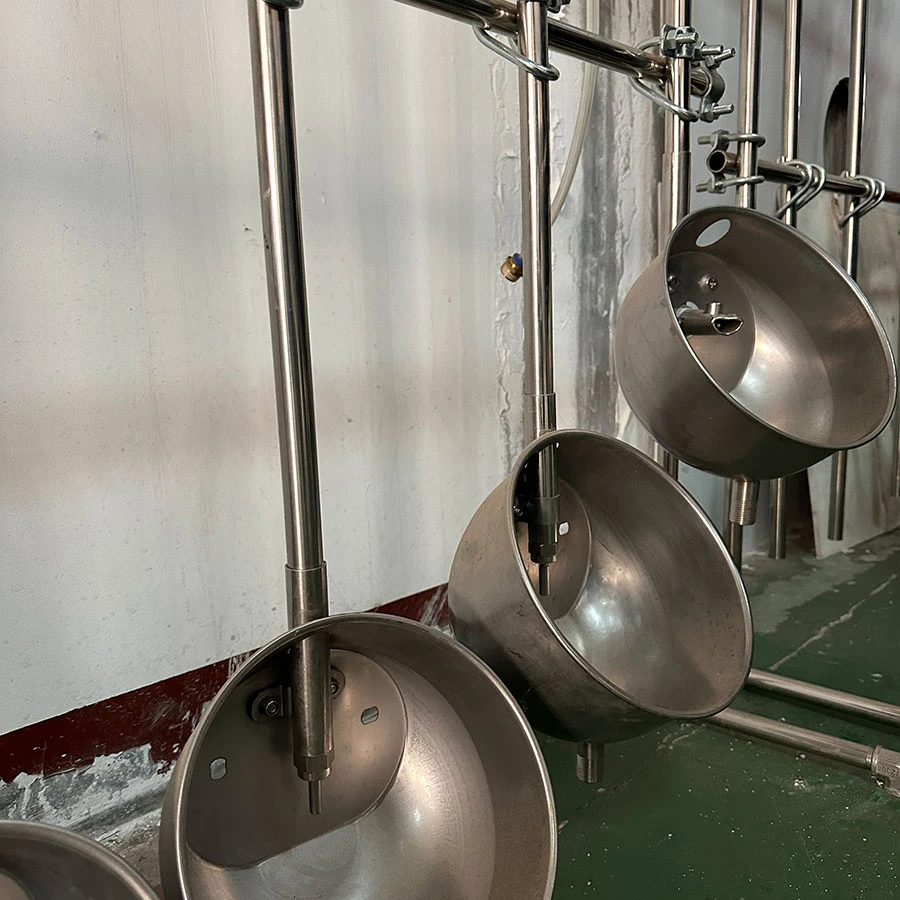
Simply put, a single hog feeder is a feeding device designed for individual pigs, controlling the amount and timing of feed dispensed. Unlike communal troughs where multiple hogs crowd in, causing disorder, the single feeder offers order and precision.
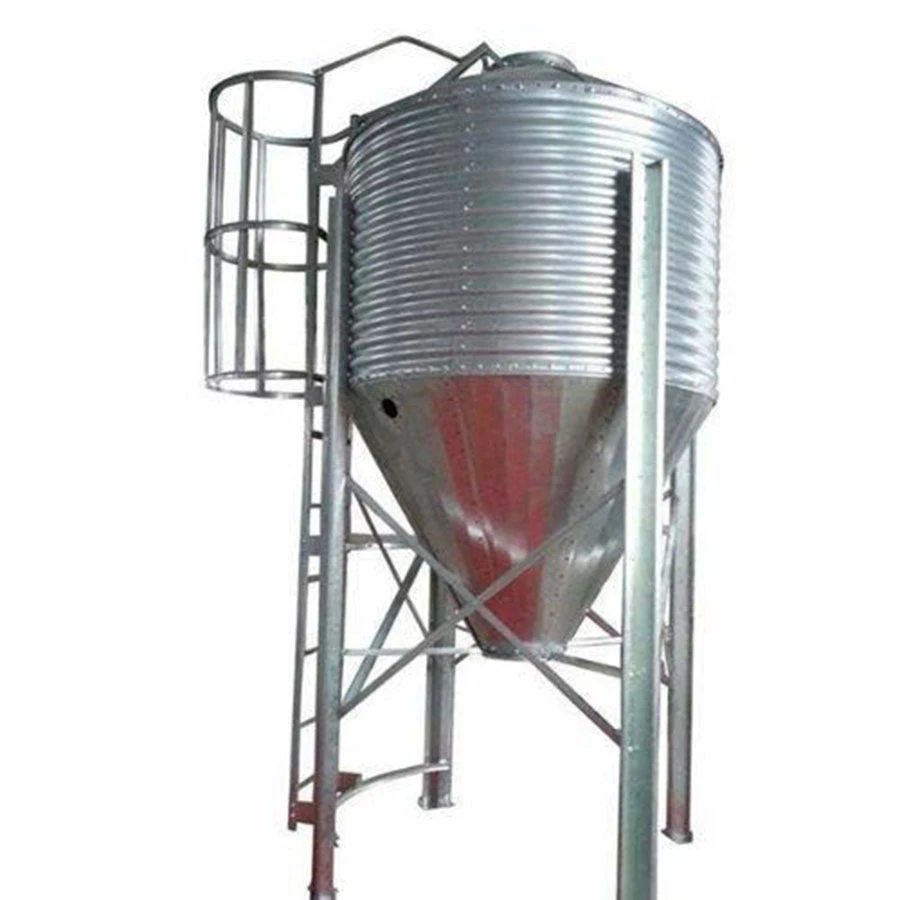
This feeder may be manually operated or automated. Often made from durable materials like galvanized steel or heavy-grade plastic, it’s built to withstand rough use, weather, and the uncanny strength of a determined hog.
And it’s far from some old trough in the corner. The single hog feeder symbolizes how feeding tech aligns closely with modern agriculture — marrying animal welfare, environmental concerns, and economic viability.
Core Features of a Single Hog Feeder
1. Durability
These feeders need to survive muddy pens, rough snouts, and the occasional elbow from a frustrated pig. Materials like powder-coated steel or UV-resistant plastics prevent rust and cracking, helping feeders last multiple production cycles.
2. Feed Efficiency
Smart designs minimize feed spillage. Some models feature adjustable flow mechanisms so the farmer can calibrate feed quantity based on hog growth stage or breed – reducing wastage and saving money.
3. Ease of Cleaning
Sanitation is no joke in pig farming — dirty feeders spread disease fast. Single hog feeders typically have smooth surfaces and removable parts, simplifying thorough cleaning routines.
4. Scalability
Whether your farm has 10 hogs or 1,000, these feeders can scale easily. Many models stack or connect to automated feeding systems for remote monitoring.
5. Cost Efficiency
It’s tempting to go for the cheapest feeder, but investing upfront in a quality product lowers replacement frequency and reduces feed loss—saving money over time.
6. Animal Health Considerations
Feeding is also about comfort and minimizing aggression. These feeders often provide individual access spots that reduce fighting, stress, and injury, leading to healthier animals overall.
Practical Applications Around the World
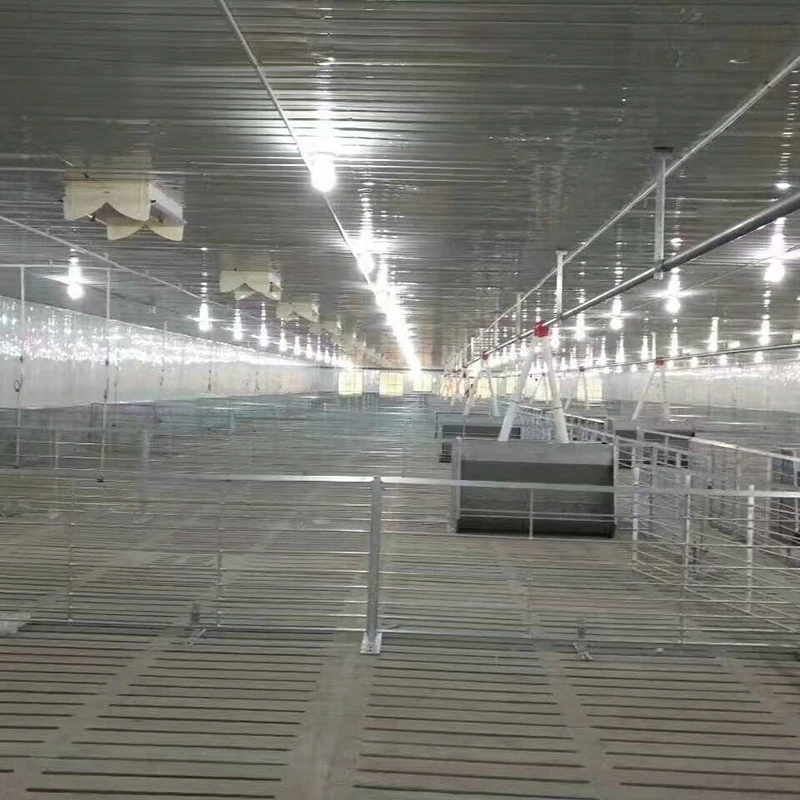
In Asia’s massive pig farming sector, where space is at a premium, single hog feeders help manage densely packed operations while maintaining hygiene and feed control.
Meanwhile, in parts of Europe—where animal welfare regulations are tightening—these feeders support compliance by ensuring pigs receive consistent and stress-free feeding opportunities.
Post-disaster contexts, oddly enough, also benefit. When NGOs provide quick livestock support in disaster zones, supplying efficient feeding equipment like single hog feeders can prevent animal starvation and improve local food security, reducing downstream problems.
Industrial livestock zones in the U.S. often integrate feeders with digital monitoring, creating “smart farms.” Such advances owe much to the humble single hog feeder as the frontline device delivering precision feed.
Single Hog Feeder Specification Table
| Feature | Typical Specification | Benefit |
|---|---|---|
| Material | Powder-coated steel or UV-stabilized plastic | Corrosion resistant, long-lasting |
| Capacity | 15–30 pounds feed per cycle | Sufficient to minimize refill frequency |
| Dimensions | 24" L x 12" W x 14" H (approximate) | Fits standard pen sizes comfortably |
| Cleaning | Removable trays and smooth surfaces | Reduces disease risk, easy maintenance |
| Adjustability | Flow rate and portion size settings | Customizable feed delivery per pig |
Comparing Top Single Hog Feeder Providers
| Vendor | Product Range | Customization Options | Price Range (USD) | Lead Time |
|---|---|---|---|---|
| AgriFeed Inc. | Manual & automated feeders | Size, color, material | $150–$400 | 2 weeks |
| ProSwine Solutions | Electric automated feeders | Feeding schedule & sensor integration | $350–$800 | 3–4 weeks |
| FarmTech Supplies | Basic single hog feeders | None (standard models) | $80–$150 | 1 week |
Advantages and Long-Term Benefits of Single Hog Feeders
In practical terms, these feeders save money — less feed wastage means more pounds gained per dollar spent. But the benefits stretch beyond economics:
- Improved animal welfare: Reduced aggression and stress at feeding time.
- Consistency: Each hog gets its proper share without bullying or competition.
- Reduced labor: Automation options free up farm staff to focus elsewhere.
- Sustainability: Using feed efficiently lowers environmental impact from overfeeding or waste.
- Better data: Some feeders integrate with farm management systems, tracking each animal’s intake.
Emotionally, farmers often tell me that watching their hogs quietly munch away without fuss feels like a small daily victory — a sign they’re doing right by their animals.
Looking Forward: Innovations and Trends in Hog Feeding
It feels like the industry is quietly pivoting toward “smart” feeders, integrating IoT sensors to monitor hog health and appetite remotely. Imagine a future where your feeder alerts you if a pig skips meals or develops issues — right from a phone app.
Materials are evolving too. Biodegradable plastics or recycled composites could become standard, blending sustainability with durability. Solar-powered auto feeders? Not far-fetched at all.
Policy-wise, global animal welfare standards keep nudging farms toward more humane feeding equipment — so expect stricter industry certifications emphasizing single hog feeder use in the years ahead.
Overcoming Common Challenges with Single Hog Feeders
Not all farms find these feeders easy to adapt to. Problems like feeder blockage, maintenance demands, and upfront costs are common complaints.
Expert advice usually emphasizes:
- Regular cleaning schedules to prevent mold and bacteria
- Choosing quality materials over cheap substitutes
- Leveraging vendor support for custom modifications
- Training farmhands on proper feeder use to minimize damage
With patience and know-how, most hurdles are manageable, leading to better ROI long-term.
FAQ: Your Top Questions on Single Hog Feeders
- Q: How do single hog feeders reduce feed waste compared to traditional troughs?
- A: By controlling individual portions and preventing multiple hogs from accessing the same feed, single hog feeders drastically reduce spillover and trampling, meaning less feed is lost or contaminated.
- Q: Can a single hog feeder handle different pig sizes and growth stages?
- A: Yes, many models offer adjustable flow rates or different feed portion sizes, so farmers can cater to piglets, growers, and finishers efficiently.
- Q: Are automated single hog feeders reliable in outdoor or rough conditions?
- A: High-quality feeders use weatherproof materials and sealed electronics to perform reliably outdoors. Proper installation and routine maintenance also extend functional lifespan.
- Q: How easily can single hog feeders integrate with farm management software?
- A: Leading suppliers design feeders with compatibility or offer retrofit sensor kits that sync feeding data to digital management platforms for real-time monitoring.
- Q: What’s the typical lifespan of a single hog feeder on a commercial farm?
- A: With regular maintenance, a well-built feeder can last 5–7 years or more, making the initial investment worthwhile.
Wrapping It Up: Why You Should Consider a Single Hog Feeder Today
At the end of the day, the single hog feeder is a simple yet powerful tool that blends big-picture farming demands with everyday practicalities. Whether you want to boost efficiency, improve animal health, or future-proof your operation with smart tech, a good feeder is a starting place.
Curious to explore the options? Check out our detailed range at single hog feeder — where quality meets innovation for every farming scale.
Cheers to better feeding, fewer feed spills, and healthier hogs!
References
Post time: Dec . 02, 2025