Why a Slatted Floor Poultry House Matters Worldwide
Have you ever paused to think about how poultry housing affects global food security and sustainability? The humble slatted floor poultry house—though not glamorous—is a quietly transformative technology in modern agriculture. Especially when you consider that the global poultry industry produces over 120 million tons of meat annually (FAO, 2023), optimizing housing means healthier birds, less waste, and better yields. In fact, applying smarter flooring systems can reduce disease spread while improving manure management, which is a big deal in both dense industrial farms and smallholder setups worldwide.
Given rapid urbanization, climate stress, and rising protein demand, understanding and implementing efficient poultry housing techniques like slatted floors can have ripple effects on public health and rural economies. It’s about marrying tradition with innovation, effectively raising birds in a cleaner, safer, and more scalable way.
Setting the Stage: The Global Importance of Slatted Floor Poultry Houses
Globally, poultry farming is no longer just backyard flocks—it’s a major economic sector. According to the World Bank (2023), demand for poultry meat is expected to grow by roughly 2.5% annually over the next decade. Yet, farms often struggle with hygiene, labor intensity, and waste management. Enter the slatted floor poultry house, a solution designed around practical challenges faced both in developed and developing regions.
This design mitigates the contamination problems endemic to solid-floor houses by allowing droppings to drop through, improving ventilation and keeping birds healthier. It’s a step toward sustainable farming that aligns with ISO 22000 food safety standards because cleaner birds equal better meat quality.
But challenges remain—like initial cost or floor durability. The good news? Innovations and policies are lining up to address these, making slatted flooring more accessible worldwide.
What Is a Slatted Floor Poultry House?
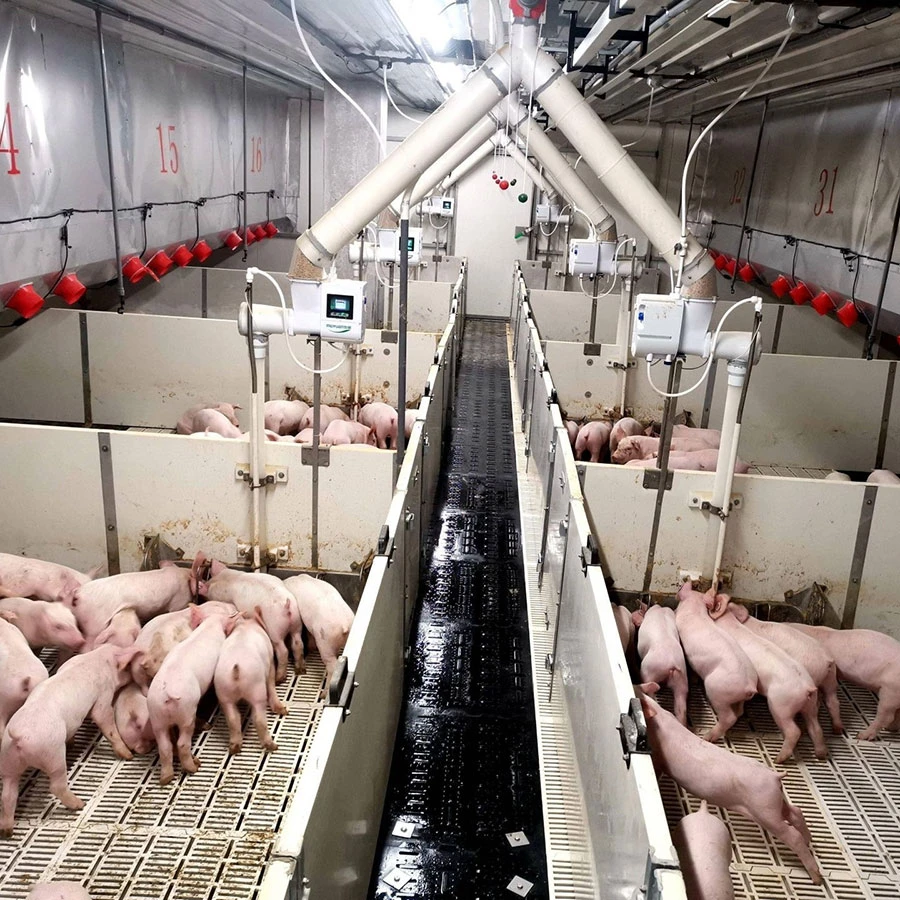
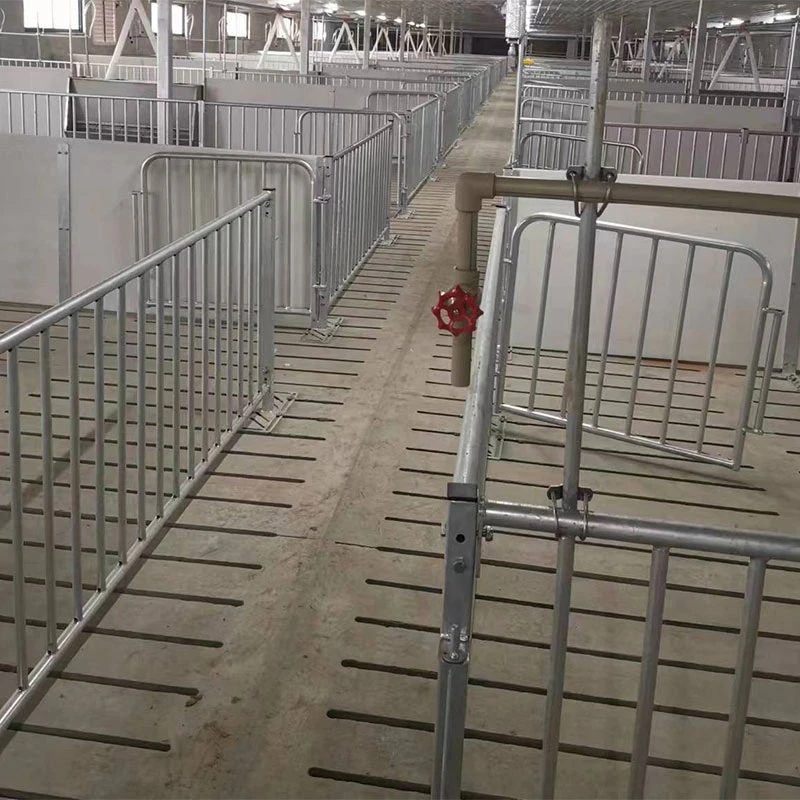
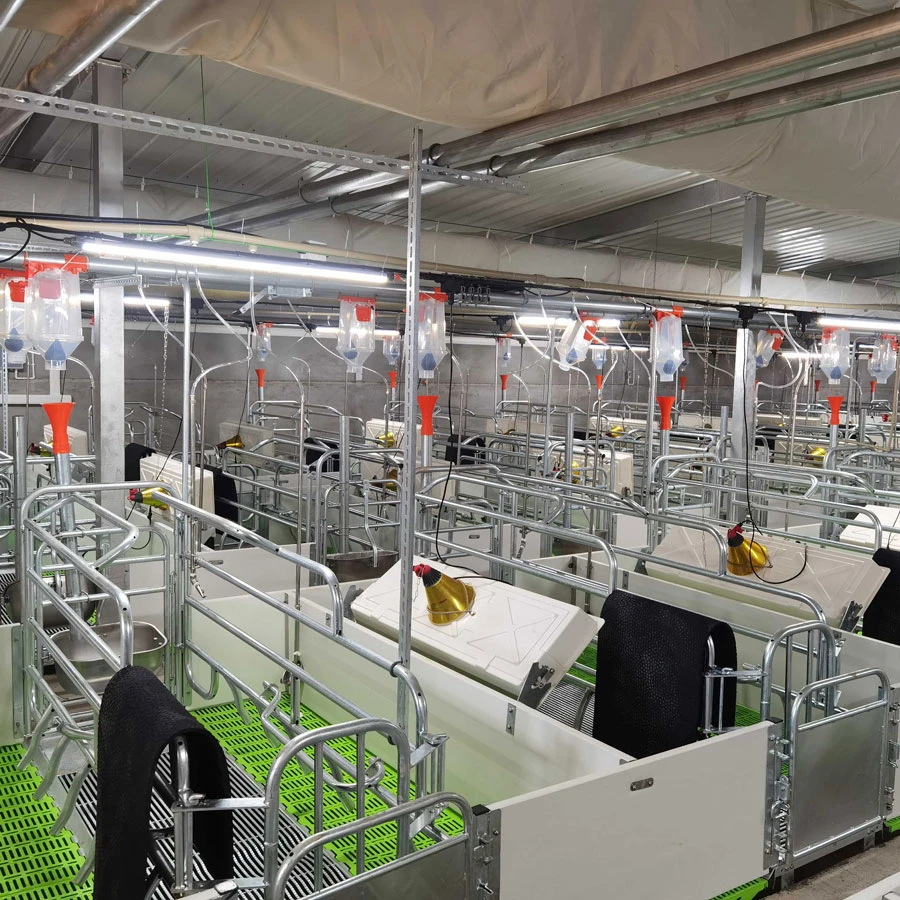
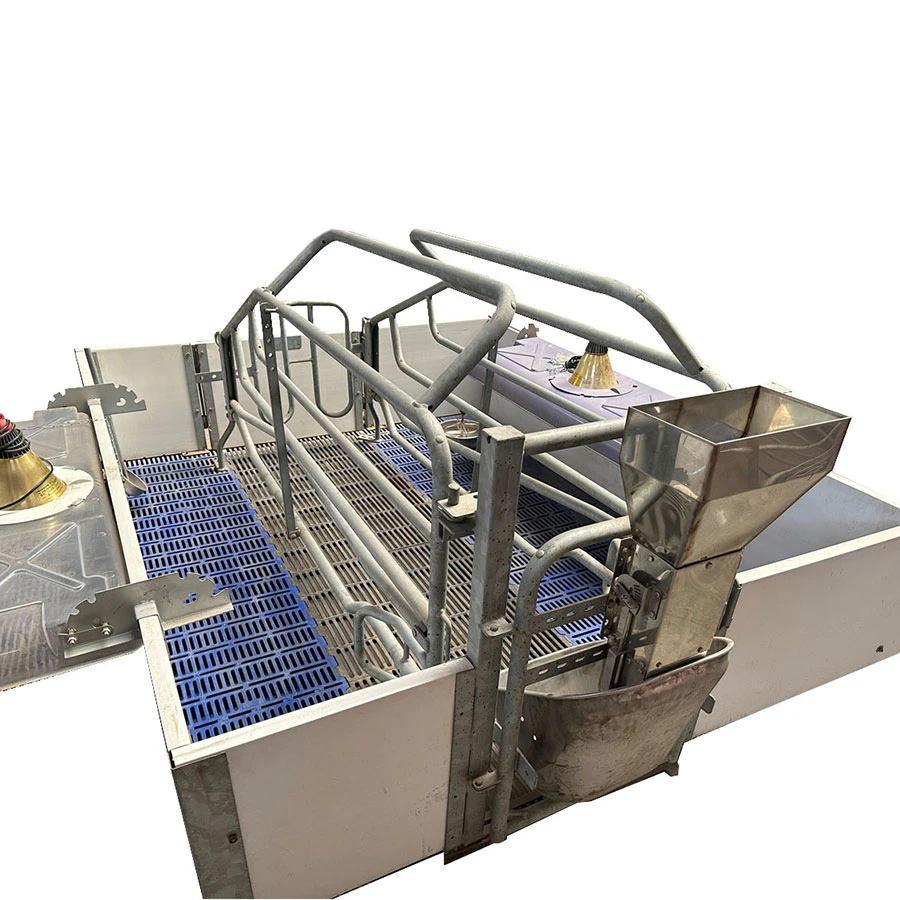
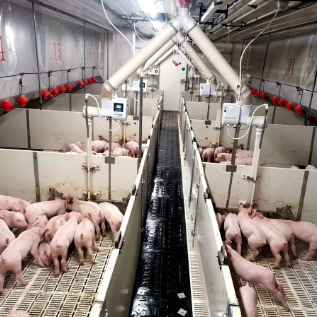
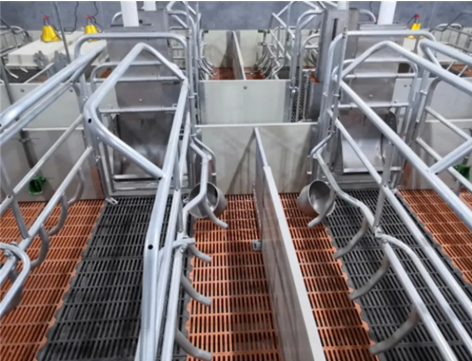
Simply put, a slatted floor poultry house is a poultry barn or coop where the floor consists of slats—narrow gaps allowing manure to fall through to manure collection systems or pits beneath. Instead of solid ground or dirt floors, these slatted floors keep the birds separated from waste. This design minimizes direct contact with droppings, reducing disease risks like coccidiosis and avian influenza transmission.
This method has roots in industrialized farming but its principles serve humanitarian needs too. For example, poultry farming projects in low-income countries use these houses to boost incomes and nutrition without the downsides of traditional floor setups. Coupled with ventilation and biosecurity measures, it’s a compact ecosystem of health and productivity.
Core Components of a Slatted Floor Poultry House
1. Durability and Material Choice
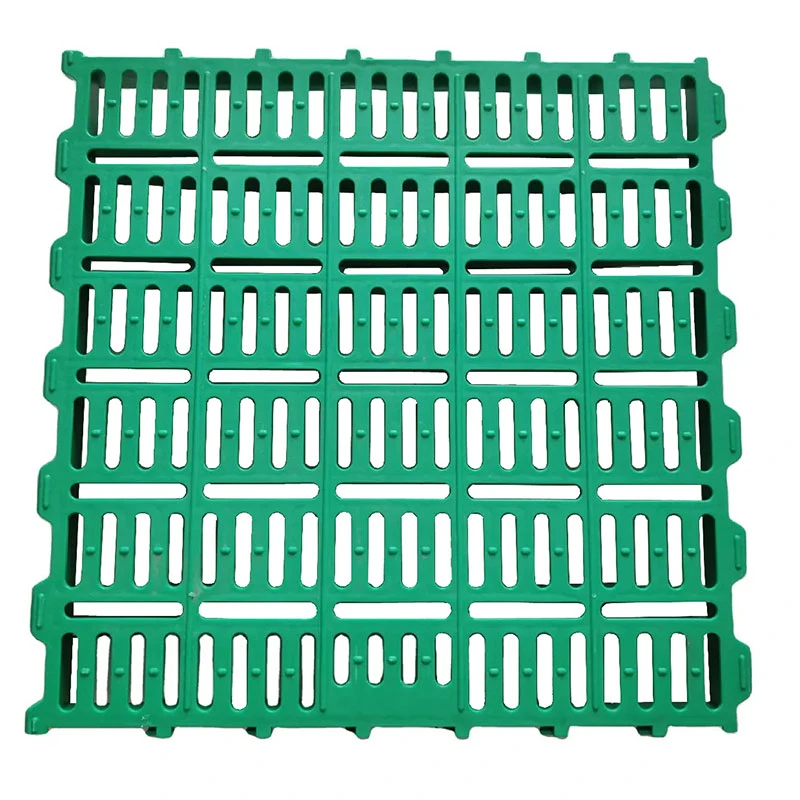
Materials typically used include reinforced plastic, treated wood, or metal slats. Durability matters because floors must withstand constant bird activity, cleaning, and humidity. Interestingly, some newer models use composite materials that resist corrosion and wear better than classic wood.
2. Ventilation and Airflow
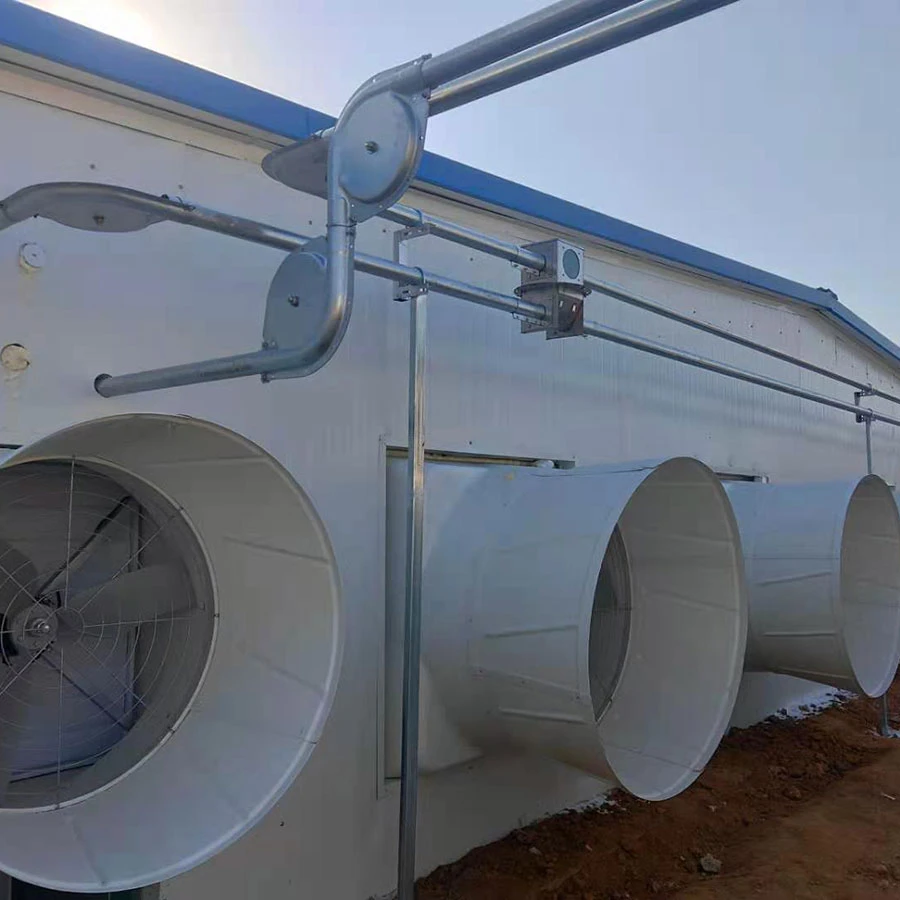
Good airflow complements the slatted floor to prevent ammonia buildup underneath and inside the house. Many systems integrate controlled fans or natural ventilation paths, which many farmers say makes all the difference for bird welfare and overall hygiene.
3. Waste Management Efficiency
The main advantage of a slatted floor is manure drops beneath, where it can be easily collected or composted. This reduces labor and environmental contamination. Some setups have automated manure scrapers or belts for continuous cleaning.
4. Scalability and Modularity
This housing type scales from small family farms to vast industrial installations. Modular designs enable quick assembly and customization—benefits NGOs or disaster relief agencies often note when introducing poultry programs rapidly.
5. Cost Efficiency Over Time
Though upfront costs might be higher than traditional floors, the operational savings on labor, veterinary bills, and bird mortality often offset these expenses within a year or two. Plus, better egg and meat quality adds to revenue.
6. Biosecurity Integration
Paired with footbaths, restricted access, and sterilizable flooring materials, slatted floors become a critical piece in disease prevention strategies.
Slatted Floor Poultry Houses in the Real World
Across Asia, slatted floor poultry houses are steadily replacing open courtyard systems. For instance, in Vietnam, a CGIAR study demonstrated improved flock health when smallholders adopted slatted flooring combined with vaccination and feed improvements. Meanwhile, in Europe and North America, dense operations benefit from advanced manure removal integrated beneath slats linked to biogas digesters.
Humanitarian organizations also deploy these houses in post-disaster food security programs, providing displaced families a means to rebuild livelihoods with manageable poultry units. In remote industrial zones, such housing reduces environmental pollution and keeps production compliant with strict worker health regulations.
Why Choose a Slatted Floor Poultry House? Advantages & Long-Term Impact
- Improved Bird Health: Reduces disease transmission by effective droppings separation.
- Cleaner Environment: Limits ammonia and moisture buildup, improving air quality.
- Labor Savings: Less frequent manual cleaning saves time and costs.
- Higher Productivity: Better bird welfare reflects in more eggs and meat with fewer losses.
- Environmental Sustainability: Efficient waste collection supports composting and biogas projects.
- Social Impact: Better health and income opportunities for families and workers.
All these factors combine to build not just sustainable businesses, but healthier communities. It’s a rare win-win that feels especially important as agricultural systems face climate uncertainties.
Looking Ahead: Innovations and Trends
There’s a quiet revolution happening in slatted floor poultry housing. Advances include:
- Smart Sensors: Monitoring humidity and ammonia levels in real-time for optimized ventilation.
- Eco-friendly Materials: Biodegradable composite slats sourced from agricultural waste.
- Automation: Mechanized manure removal systems reducing manual labor even further.
- Integration with Renewable Energy: Solar-powered fans and heating to reduce farming’s carbon footprint.
- Customized Modular Kits: Designed for quick assembly in remote or emergency contexts.
These trends underscore a commitment to sustainability and technology—something many farmers and organizations appreciate.
Facing Challenges and Practical Solutions
Despite the clear advantages, slatted floor poultry houses do face hurdles:
- Initial Investment: The upfront cost may deter smallholders, especially without financing options.
- Floor Slat Breakage: Some materials degrade prematurely under heavy use or poor maintenance.
- Biosecurity Gaps: If not managed properly, waste collection areas can become contamination zones.
Solutions include innovative leasing models, improved composite materials, and comprehensive training programs. Partnerships between manufacturers and NGOs have helped pilot community-based programs that overcome these barriers successfully.
Quick FAQ on Slatted Floor Poultry Houses
- How does a slatted floor poultry house improve bird health?
- By allowing droppings to fall through gaps, slatted floors reduce the risk of disease spread like coccidiosis and respiratory infections caused by ammonia. Birds stay cleaner and less stressed.
- Are slatted floors suitable for all types of poultry?
- They’re mostly used for broilers and layers but can be adapted for other birds like ducks with wider gaps or customized materials. However, suitability depends on bird size, climate, and management.
- What maintenance do slatted floors require?
- Regular inspections for wear and cleaning beneath slats are essential to prevent buildup of manure and ammonia. Some systems feature automated manure removal to ease this task.
- Can slatted floor poultry houses be used in low-resource settings?
- Yes, modular kits and locally sourced materials make them practical even in resource-constrained areas, particularly when combined with training and financial support.
- Is this housing type environmentally friendly?
- Absolutely, it greatly improves waste management, supports composting or biogas production, and enhances air quality inside the poultry house, lowering the farm’s environmental footprint.
Technical Specifications Table of a Typical Slatted Floor Poultry House
| Specification | Details |
|---|---|
| Floor Material | HDPE (High-Density Polyethylene) composite slats |
| Slat Width | 4-5 cm with 1.5-2 cm gap |
| Weight Capacity | Up to 150 kg/m² |
| Dimensions per Module | 1.2 m x 2.4 m panels |
| Manure Collection System | Under-floor pit with optional automated belt |
| Expected Lifespan | 8 - 12 years with proper maintenance |
Vendor Comparison: Leading Slatted Floor Poultry House Providers
| Provider | Material Used | Customization | Price Range | Ideal Use Case |
|---|---|---|---|---|
| PoultryPro Systems | Reinforced Plastic Composite | High (modular, sizes) | $$$ | Industrial farms & export markets |
| EcoFarm Modules | Biodegradable Composites | Medium (custom orders) | $$ | Sustainable farms, NGO projects |
| RuralRise Solutions | Treated Wood & Metal Mix | Low (fixed design) | $ | Smallholders & remote farms |
In real terms, the decision to invest in a slatted floor poultry house depends on your budget, scale, and sustainability goals. It’s heartening to see more modular, eco-friendly, and automated options emerging annually.
Wrapping Up: Why Slatted Floor Poultry Houses Should Be on Your Radar
It’s tempting to see slatted floor poultry houses as just another construction detail—but they’re so much more. They represent a confluence of animal welfare, operational efficiency, environmental stewardship, and social upliftment. Whether you’re a commercial grower chasing better yields or a development worker enabling self-sufficiency, this housing type ticks many boxes.
If you’re curious to learn more or explore options tailored to your needs, our poultry housing solutions are worth a look. After all, chicken farming is evolving fast—and smart housing is at the heart of that change.
Mini takeaway: Slatted floors might seem simple, but they’re a quietly revolutionary feature shaping the future of poultry farming worldwide.
References
Post time: Dec . 02, 2025