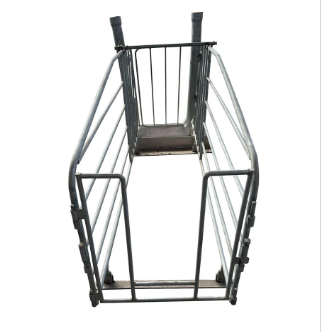
Understanding Slatted Floors for Pigs: Why They Matter Worldwide
If you’ve ever wandered through a modern pig barn or driven past a large-scale hog farm, the chances are pretty high that you’ve walked on or seen slatted floors for pigs in action. These specially designed floors are more than just a simple structural feature; they’re a backbone to efficient, humane, and sustainable pig farming across the globe. Whether you're a farmer, an animal welfare advocate, or someone curious about agricultural infrastructure, understanding this technology opens a window into how food systems adapt to both economic and ecological challenges.
Globally, pig farming feeds millions but also brings challenges like waste management and animal health. Slatted floors handle some of these issues head-on — simultaneously boosting productivity and improving hygiene. Put simply, knowing why and how these floors are used helps everyone appreciate the blend of tradition and innovation that keeps our pork supply steady, safe, and ethical.
Why Slatted Floors for Pigs Are Global Game-Changers
With pork being the most consumed meat worldwide (about 36% of global meat consumption according to the UN Food and Agriculture Organization), the infrastructure supporting pig rearing matters. Slatted floor systems are found in industrial, commercial, and even small-to-medium farms worldwide, from Europe’s high-tech barns to rapidly expanding farms in Asia and the Americas.
Here's a quick reality check: according to FAO data, global pig production surpassed 120 million tonnes per year. Managing the sheer volume of manure and maintaining optimal living conditions for pigs remains a persistent challenge. This is where slatted floors come into play — addressing environmental concerns through better waste separation, reducing labor intensity, and minimizing nosocomial pathogens (that’s farm-talk for germs spread among animals).
But, despite advances, not all farms utilize or design slatted floors effectively, which can lead to bigger problems — smells, disease, and compromised animal health. So, the real question is: how do these floors meet those practical demands worldwide?
What Exactly Are Slatted Floors for Pigs?
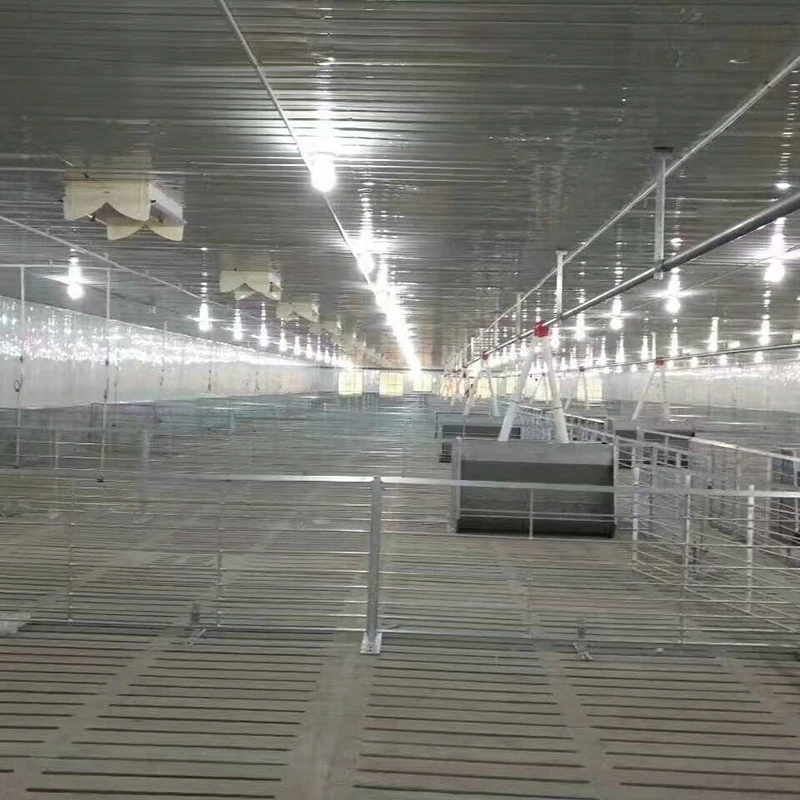
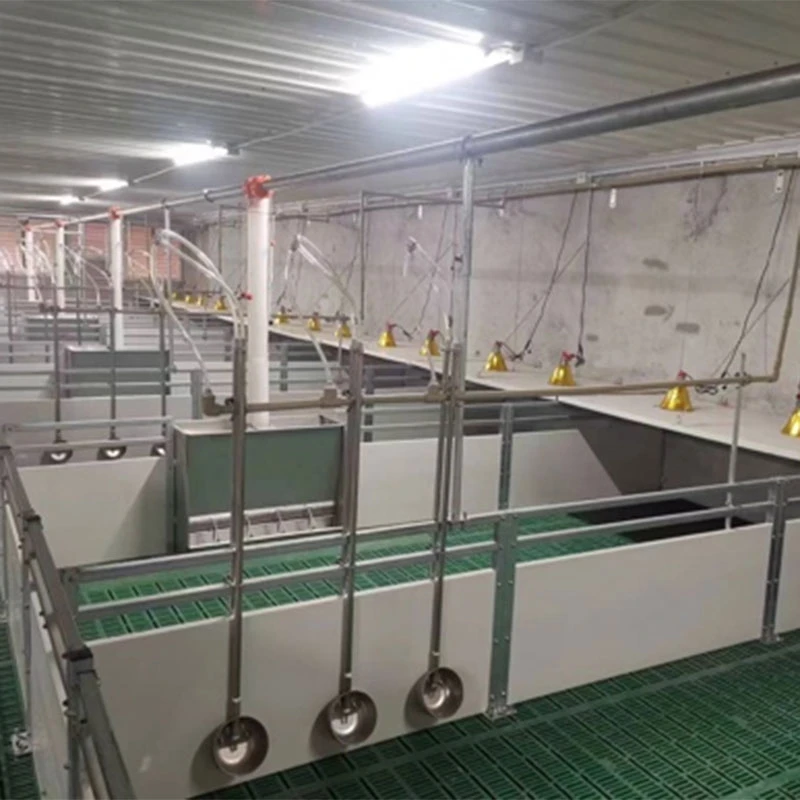
Think of slatted floors as durable platforms with evenly spaced gaps or slots that allow pig waste to fall through to underlying collection or drainage systems. Unlike solid concrete floors or dirt, slatted floors keep the animals above their waste, promoting cleanliness while simplifying manure management.
Originating in the mid-20th century with the rise of intensive animal farming, these floors support higher stocking densities and reduce the manual labor needed for cleaning. On a humane note, they reflect the growing industry-wide push toward better-reared livestock — connecting animal comfort with farmers’ productivity needs.
Core Components to Consider in Slatted Flooring Systems
1. Durability and Material Choice
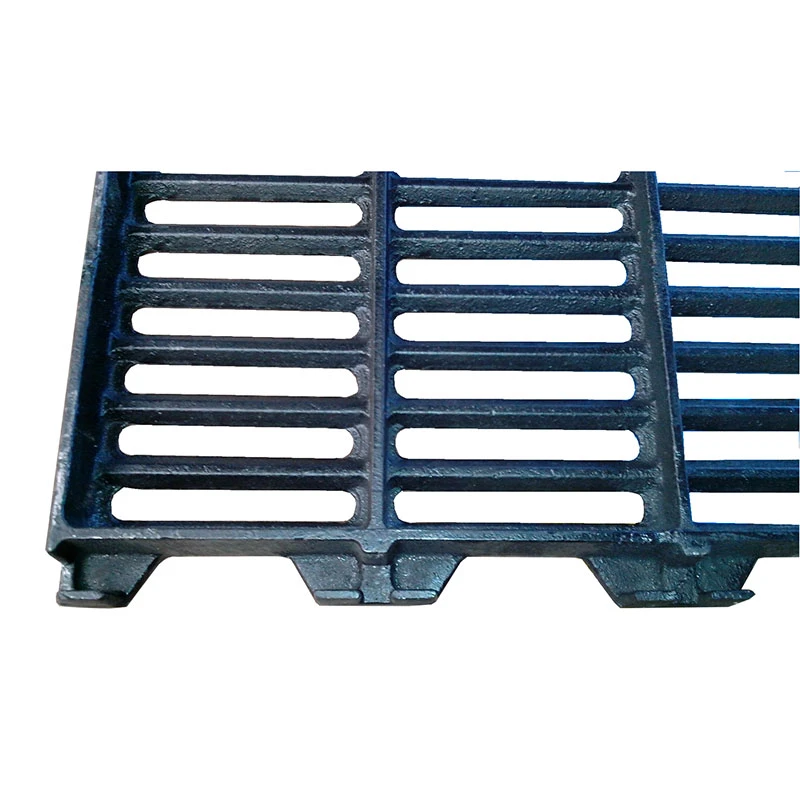
Slatted floors typically use concrete, plastic, or metal. Concrete slabs dominate due to strength and cost-effectiveness, but plastic floors, with better thermal comfort and anti-slip properties, are gaining traction. Metal slats are less common due to corrosion risks but might appear in specific environments.
2. Slot Design and Size
The spacing between the slats influences animal safety and waste passage. Too wide, and you risk injuries or stuck piglets; too narrow, and manure doesn’t fall through efficiently. International best practices suggest slot widths ranging roughly from 15 to 25 mm depending on pig size.
3. Ventilation and Hygiene Integration
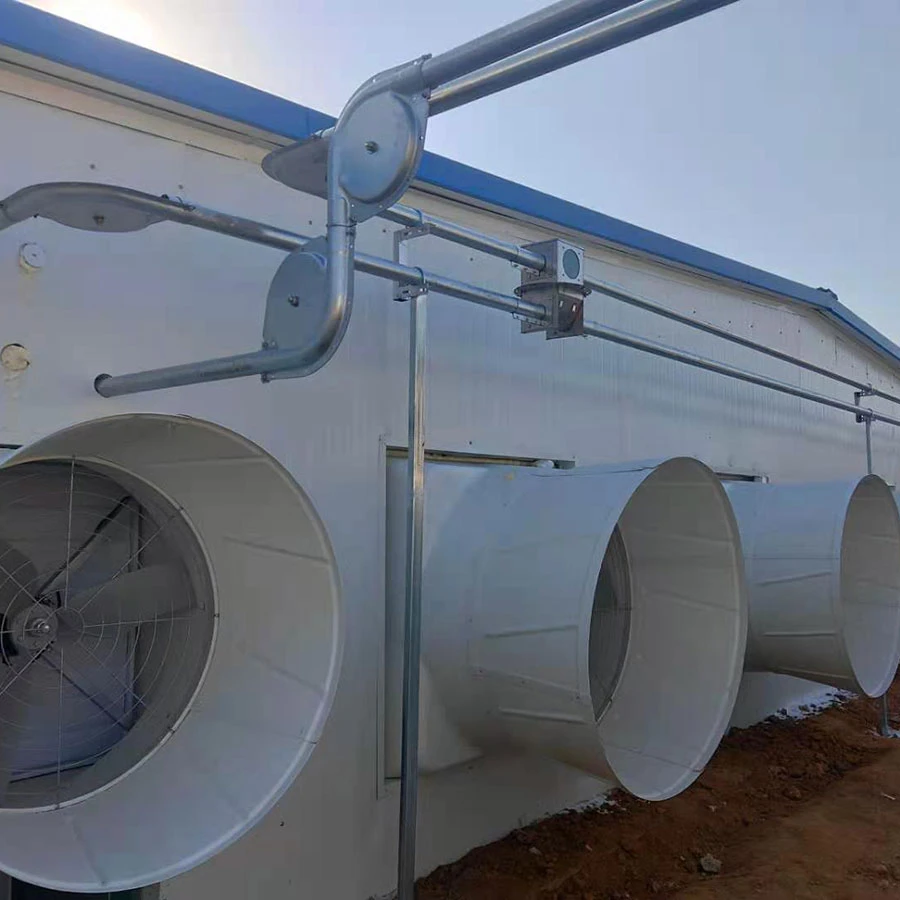
Effective slatted flooring works best when paired with ventilation systems that control odors and airborne contaminants. Often farms use slatted floors atop manure pits where waste undergoes biological treatments, reducing environmental impact.
4. Scalability and Modular Design
Farms evolve; potential facility expansions need floor systems that are modular or adaptable. Innovative designs now allow for quick replacement of damaged slats or rearranged sections — a practical response to real-world wear and tear.
5. Cost Efficiency and Lifecycle
High upfront costs for premium materials may pay off through longer life and less frequent replacement. Further, maintenance labor savings and feed efficiency gains contribute overall.
Real-World Applications: Where and How Slatted Floors Make a Difference
Industrial farms in the EU and North America use slatted floors extensively due to strict hygiene and environmental regulations. Meanwhile, in Asia’s fast-growing pork markets, new farms adopt these floors to meet demand and improve labor efficiency.
For instance, in Brazil — a global pork exporter — modern slatted floors combined with manure digesters are helping farms reduce greenhouse emissions, aligning with ISO 14001 environmental management standards.
Oddly enough, even in humanitarian agriculture projects, especially in post-disaster reconstruction in Vietnam and parts of Africa, modular slatted flooring systems facilitate quicker setup of pig houses, boosting food security under difficult conditions.
Specifications of a Typical Slatted Floor System
| Feature | Typical Value | Notes |
|---|---|---|
| Material | Precast Concrete | Most common, durable |
| Slot Width | 20 mm | Balances safety with drainage |
| Slat Width | 100 mm | Provides sturdy support |
| Load Capacity | Approx. 4,000 kg/m² | Sufficient for large groups |
| Installation Type | Modular Panels | Facilitates repairs & upgrades |
| Expected Lifespan | 15–20 years | Depends on maintenance & usage |
Comparing Leading Vendors of Slatted Floors for Pigs
| Vendor | Material Types | Customization | Environmental Focus | Price Range |
|---|---|---|---|---|
| AgriSlat Solutions | Concrete, Plastic | Modular, Slot Size | Low-odor coatings | $$$ |
| SwineFlo Technologies | Plastic, Metal | Anti-slip design | Recyclable materials | $$ |
| FarmFloor Dynamics | Concrete Only | Standard Sizes | Bio-based additives | $ |
Why Choose Slatted Floors? Benefits That Last
The appeal of slatted floors goes beyond just waste handling. They deliver reduced ammonia emissions, which is a huge plus for the environment and for workers’ lungs. Many farmers report better pig health — fewer infections and less stress — improving overall productivity.
Financially, they lower labor costs by cutting cleaning time and reduce feed wastage caused by soiled pens. In terms of social impact, they foster better animal welfare standards that increasingly consumers expect. Innovation in floor design also builds trust within markets that prioritize sustainability and traceability.
Emerging Innovations and the Future of Pig Flooring
I noticed a few cool developments shaping the future here: Lightweight composite materials replacing concrete for easier transport; integrated sensors tracking floor wear and animal movement; and eco-certified coatings reducing odor naturally without chemicals.
Digital farming advances now mean slatted floors can be part of a connected livestock ecosystem, with manure automatically analyzed for nutrient cycling or biogas generation. The goal? Not just cleaner barns, but smarter, greener food production chains.
Addressing Common Challenges Head-On
Of course, no system is perfect. Issues with slatted floors include initial investment costs, potential discomfort for pigs if slots aren’t sized correctly, and challenges with maintenance in harsh weather. But ongoing research helps: new ergonomic designs reduce hoof injuries; modular repairs minimize downtime; and hybrid systems combining slatted and solid floor areas offer behavioral benefits.
FAQs: Your Practical Questions on Slatted Floors for Pigs
Q1: How do I choose the right slot size for piglets versus adult pigs?
Slot size depends largely on the pig’s weight and foot size. Newborn piglets require narrower slots (around 15 mm) to prevent leg injuries, while adult pigs can safely use slots up to 25 mm. Many vendors offer modular slats sized for different growth stages, so consider phased flooring or adjustable panels.
Q2: Are plastic slatted floors really better than traditional concrete?
Plastic floors tend to offer better thermal comfort and reduce joint stress for pigs, which can boost welfare. They’re often lighter and easier to install but may cost more upfront. Concrete is more common due to durability and cost, but advances in composite plastics keep narrowing this gap.
Q3: Can slatted floors help manage odors and emissions on pig farms?
Absolutely. By allowing waste to fall quickly into collection pits or treatment systems, slatted floors reduce stall moisture and ammonia emissions. When combined with manure treatment technologies like anaerobic digesters, the environmental benefits multiply.
Q4: How quickly can slatted floor systems be installed on an existing farm?
Installation time varies but modular systems can often be retrofitted over a few days with minimal disruption. Planning is key — older barns may require floor leveling or structural adaptations. Vendors often provide installation support and custom solutions to speed the process.
Q5: Where can I buy reliable slatted floor products with green certifications?
Leading suppliers like AgriSlat Solutions and SwineFlo Technologies offer eco-certified options. Look for ISO 14001 or equivalent environmental certification tags. For specific guidance, check out slatted floors for pigs vendors and latest product lines.
Wrapping Up: Why Slatted Floors Still Matter Tomorrow
When it comes to pig farming, slatted flooring isn’t just a floor; it’s a strategic investment in animal welfare, environmental stewardship, and operational efficiency. These systems have evolved into complex yet practical solutions shaping the future of sustainable livestock farming worldwide. As technology pushes ahead, slatted floors will keep reinventing themselves, not just supporting pigs, but supporting global food security in subtle but profound ways.
Curious to discover the right system for your needs? Visit our resource hub at slatted floors for pigs and explore tailored solutions that work in your context.
References:
1. FAO Pork Sector Statistics
2. Animal Husbandry - Wikipedia
3. ISO 14001 Environmental Management Standards
Post time: Dec . 02, 2025