Understanding Slotted Floors for Pigs: Why It Matters Today
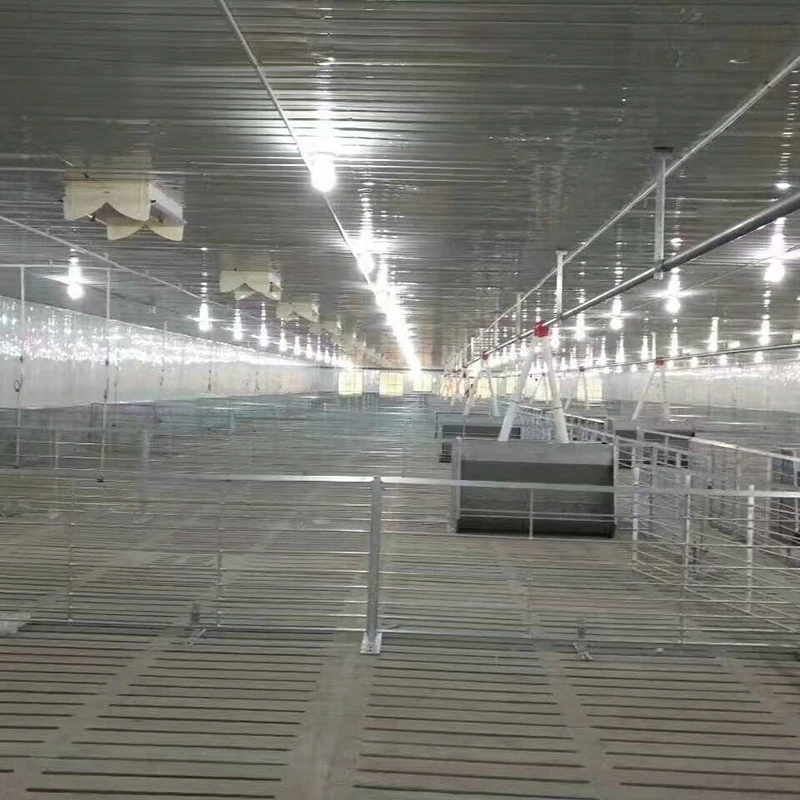
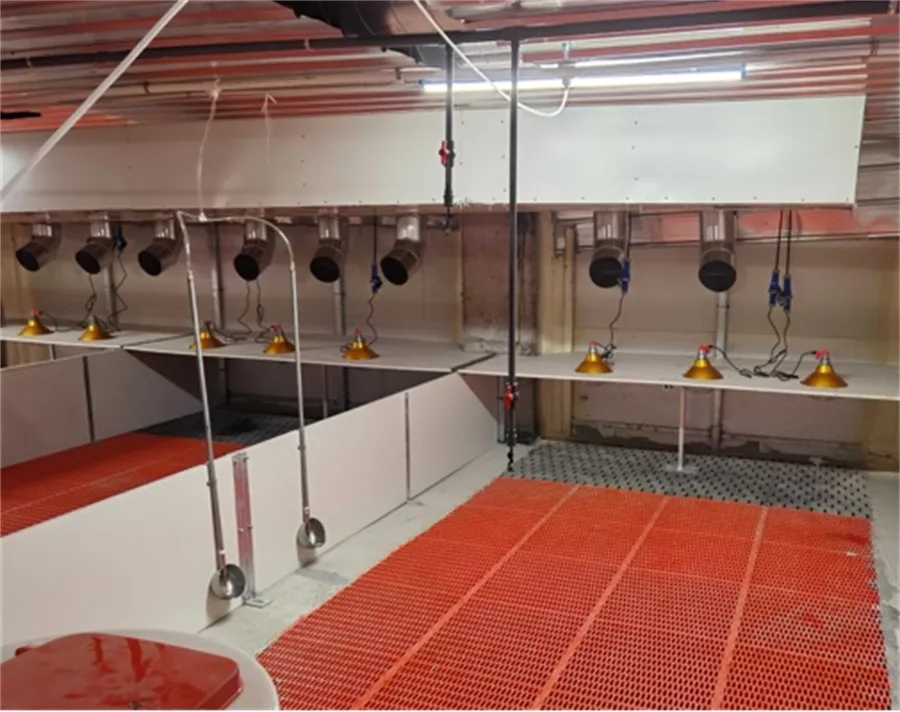
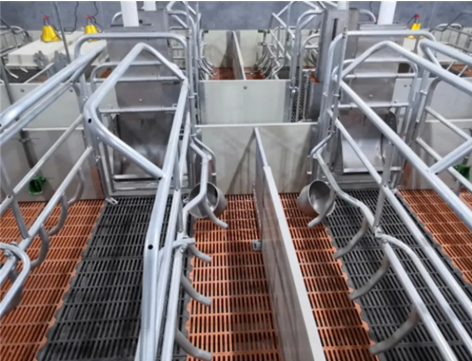
Ever wandered into a modern pig farm and noticed the flooring? It’s often not solid but rather a sort of perforated floor with slots — designed for a very particular reason. These are slotted floors for pigs, and they play a crucial role in sustainable pig farming worldwide. While it might sound niche at first, the design and use of these floors have sweeping effects on animal welfare, environmental impact, and efficiency in the livestock industry.
The global pork market is expected to exceed $350 billion by 2027, making every detail in pig production—like flooring—count for farmers and consumers alike. Properly designed slotted floors reduce waste build-up, improve hygiene, and support healthier animals. So grasping their function isn’t just a farmer’s concern — it touches food security, sustainable agriculture, and the economics of farming communities everywhere.
Global Context: Why Slotted Floors Are Critical in Pig Farming
According to the Food and Agriculture Organization of the UN (FAO), intensive pig farming has surged globally, especially in Asia and parts of Europe. This growth means more pigs in confined spaces, demanding better management of waste and living conditions. Here’s where the slotted floor really steps in.
Worldwide, improper manure management leads to environmental problems like groundwater contamination and greenhouse gas emissions—issues the World Bank flags as urgent, especially in developing regions. Slotted floors help to funnel manure right through the slots, keeping pens cleaner and reducing harmful build-up. But not all floors are created equal — the challenge lies in creating slotted flooring that balances animal comfort, durability, and cost-effectiveness.
What Exactly Is a Slotted Floor for Pigs?
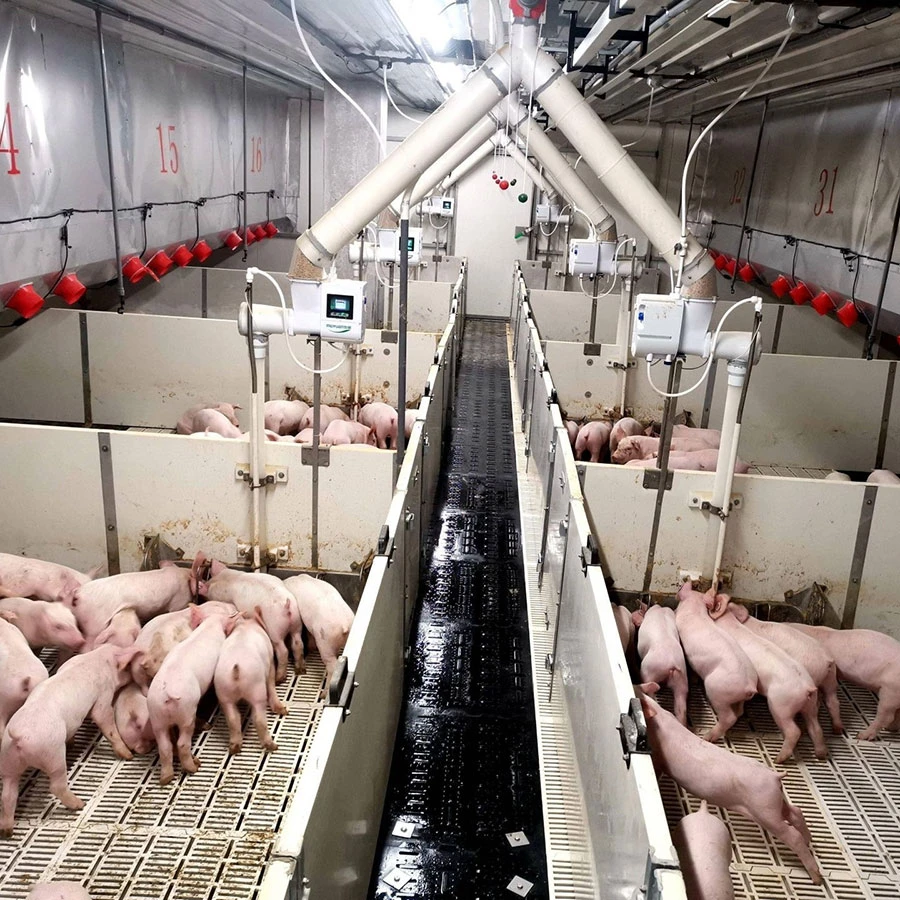
In simple terms, a slotted floor is a flooring system with regular narrow gaps or “slots” which allow animal waste to drop through into a collection or disposal system beneath. For pigs, this means their living area is cleaner without constant human intervention. It’s like having a self-cleaning floor, sort of.
In modern pig farming, these floors are essential because they help maintain hygiene standards, reduce ammonia emissions, and improve animal welfare by keeping pigs drier and less stressed. Plus, they tie into the broader push for sustainable livestock systems where every bit of waste is managed thoughtfully instead of becoming an environmental hazard.
Key Components of Effective Slotted Pig Flooring
1. Durability and Material Choice
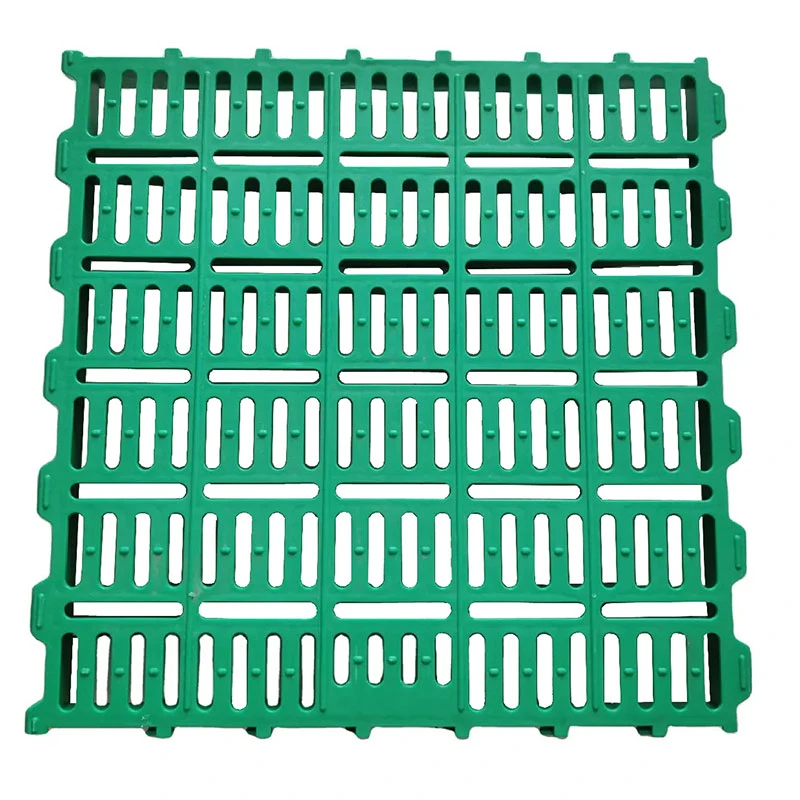
Many slotted floors are made from steel, reinforced concrete, or composite materials. Steel offers strength but might be slippery; concrete can last decades but is prone to cracking if not properly designed. Composite plastics are emerging as a lightweight, corrosion-resistant alternative. The choice depends on farm size, budget, and local climate.
2. Slot Dimensions and Spacing
This sounds trivial, but it’s not: too wide a slot and piglets risk getting feet stuck, too narrow and waste clumps instead of falling through. Typically, slot widths range between 15-25 mm, with spacing designed to balance comfort and functionality.
3. Ease of Cleaning and Waste Management
Underneath the floor, a pit or slurry channel collects manure, which can be pumped out or treated on-site. The slotted floor’s efficiency depends on good waste drainage — clogged or poorly aligned slots defeat the purpose. Some innovative designs even integrate manure separation to facilitate bioenergy production.
4. Cost Efficiency and Installation
While higher upfront costs for slotted floors exist compared to solid floors with bedding, long-term savings on labor, cleaning, and manure management pay off. Modular designs enable easier installation and repairs, an important factor for expanding farms.
5. Animal Welfare Considerations
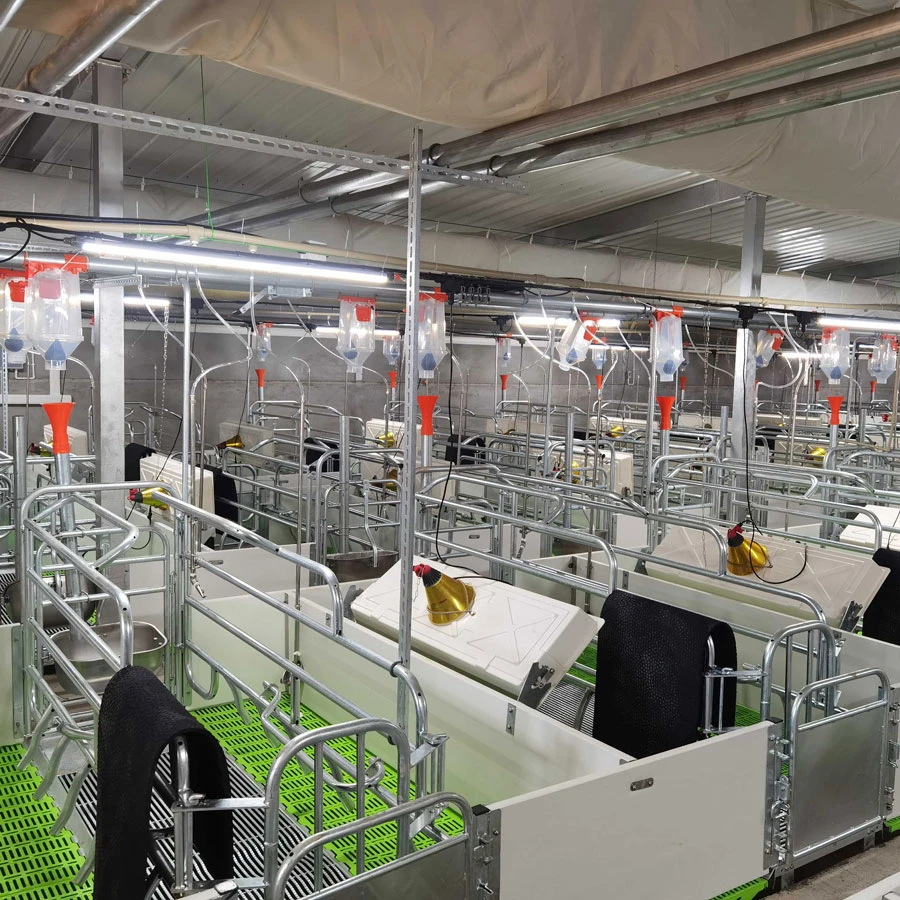
Surprisingly, pigs are quite sensitive about footing. Uneven or slippery surfaces can cause stress or injuries, so many farmers combine slotted floors with rubber mats or textured coatings for better grip.
Mini takeaway:
Choosing the right materials and design requires balancing pig safety, waste flow, and farm economics — no one-size-fits-all here.
Real-World Applications and Who Benefits
From small family farms to industrial mega-facilities, slotted floors are everywhere. In Denmark and the Netherlands — leaders in pig production — you’ll find precision-engineered slotted flooring systems mandated by environmental law. In the United States, farms with high stocking densities use slotted floors to meet USDA animal welfare standards.
Moreover, relief organizations promoting sustainable food systems in developing countries see slotted floors as a tool to improve livestock hygiene. Even in remote areas of Southeast Asia, modular slotted floors have been introduced to limit disease spread and improve worker conditions.
Mini takeaway:
Slotted floors uplift pig farming quality across very different scales and regions, proving their versatile value.
| Specification | Typical Range | Notes |
|---|---|---|
| Slot Width | 15–25 mm | Critical for piglet safety |
| Material | Steel, Concrete, Composite | Depends on budget and farm type |
| Load Capacity | 200–300 kg/m² | Sufficient for adult pigs safely |
| Surface Texture | Textured or Rubber-coated | Improves grip |
| Installation Type | Modular or Custom-Cast | Affects flexibility and cost |
Comparing Popular Vendors of Slotted Flooring
| Vendor | Materials Used | Price Range | Customization Options | Lead Time |
|---|---|---|---|---|
| AgriFloor Solutions | Steel & Composite | $$$ | High (slot size, coating) | 4-6 weeks |
| ConcreteCast Ltd. | Reinforced Concrete | $ - $$ | Medium (size, thickness) | 6-8 weeks |
| EcoPig Systems | Composite Plastic | $$ | Moderate (color, texture) | 3-5 weeks |
Advantages & Long-Term Benefits of Slotted Flooring
- Improved Hygiene: Waste passes directly through slots, keeping pens cleaner and reducing disease risk.
- Environmental Sustainability: Efficient waste collection helps minimize pollution risks from runoff or seepage.
- Labor Savings: Less manual cleaning and bedding changes lower operational costs.
- Animal Welfare: Dry, secure footing improves pig health and reduces stress-related behaviors.
- Economic Impact: Though upfront costs can be higher, farms report lower long-term expenses and better productivity.
Frankly, the emotional relief that comes from knowing your animals live in clean, low-stress conditions can’t be overstated. It’s a win for farmers, consumers, and the planet.
Looking Ahead: Innovations in Slotted Flooring
As sustainability becomes a farmer’s mantra everywhere, new materials like antimicrobial composites and modular smart floors are emerging. These floors can literally signal when they need cleaning or repairs, connecting to farm IoT devices.
Additionally, policies incentivizing manure-to-biogas systems mean slotted floors might soon be part of an integrated energy-producing farm. Solar-powered automated cleaning robots? It’s not sci-fi anymore.
Challenges and Practical Solutions
Despite the benefits, challenges remain. Slippage and injuries from poorly designed floors still happen — especially when corners are cut on materials. Sometimes static installations can’t keep pace with farm expansions.
One solution is flexible, modular flooring sections that move or expand along with the herd’s needs. Also, combining slotted floors with comfortable rubber mats has become a simple but effective fix in many farms.
Experts advise: “Don’t skimp on quality. An unsafe floor costs far more in vet bills and lost productivity.”
Frequently Asked Questions About Slotted Floor for Pigs
- Q1: What are the best materials for slotted pig flooring in a humid climate?
- A: Composite plastics and high-grade stainless steel tend to resist corrosion better than concrete in moist environments, maintaining durability and safety over time.
- Q2: How do slotted floors impact piglet safety?
- A: Slots sized around 15-20 mm prevent piglet hooves from getting trapped while allowing waste to pass through, reducing injury risk and improving hygiene simultaneously.
- Q3: Are slotted floors compatible with organic pig farming?
- A: Depending on certification rules, many organic farms use slotted flooring combined with natural bedding to balance cleanliness with organic principles.
- Q4: How often should slotted floors be inspected or replaced?
- A: Routine inspection every 6 months is recommended, focusing on slot widening, surface wear, and any structural cracks to prevent injuries and maintain waste flow efficiency.
Wrapping It Up: The Smart Choice for Modern Pig Farming
Slotted floors for pigs aren’t just a piece of farm equipment; they’re a vital link in sustainable food production, animal welfare, and environmental stewardship. When thoughtfully chosen and installed, their advantages ripple from individual farms to the global food system.
Thinking about upgrading or installing new slotted floors? You can explore more about slotted floor for pigs and find tailored solutions that fit your needs perfectly.
References:
1. FAO Pig Farming Overview
2. Statista Pork Industry Data
3. Animal Husbandry - Wikipedia
Post time: Dec . 02, 2025