A Quick Dive into Small Feed Silos: Why They Matter Worldwide
Small feed silos might seem like just simple storage units for animal feed, but they quietly solve some surprisingly big challenges in agriculture and livestock management globally. They help farmers, especially smallholders, maintain feed quality, reduce waste, and streamline operations. Plus, understanding these units means better animal health and more sustainable farming — quite the domino effect.
It’s a topic often overlooked, yet when you zoom out, the impact of efficient, compact feed storage touches food security, environmental sustainability, and even poverty reduction across many regions.
small feed siloSetting the Stage: The Global Importance of Small Feed Silos
Look, the livestock sector is responsible for nearly 40% of global agricultural GDP — that’s according to the UN Food and Agriculture Organization. Now, small farmers with limited land and storage capacity are the backbone of this sector. Proper, compact feed storage like small feed silos lets these producers optimize feed management, reduce spoilage, and improve animal nutrition.
Consider this: In sub-Saharan Africa, where nearly 70% of the population depends on agriculture, feed wastage remains a vital issue. Small feed silos offer a partial answer by protecting feed from moisture, pests, and contamination. This is critical since, globally, roughly 20-30% of animal feed is lost due to improper storage (source: ISO standards on feed storage).
Without proper storage, farmers often face recurring cost pressures, poor livestock health, and fluctuating output. Small feed silos — scalable, cost-effective, and robust — squarely address this. So yes, it’s not just about containers; it’s part of a wider sustainability and food security puzzle.
What Exactly Is a Small Feed Silo?
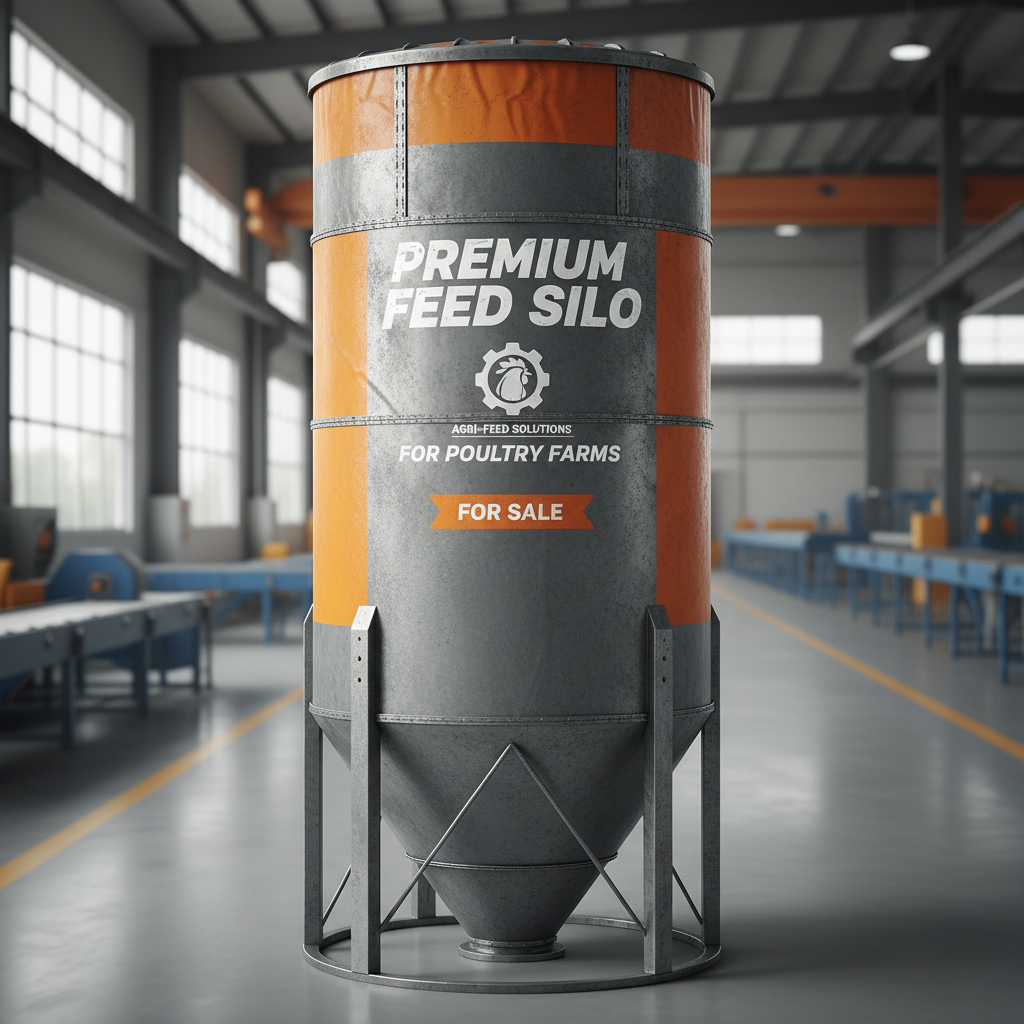
At its core, a small feed silo is a compact, silo-style container designed to store animal feed safely and efficiently. Unlike massive farming silos that can hold tons of grain, these smaller versions typically hold anywhere from 1 to 10 tons of feed—perfect for small to medium farms.
They're made from durable materials such as galvanized steel or reinforced plastic, often including features that allow airtight sealing and pest-proofing. The goal: maintain feed quality by blocking moisture, oxygen, and contaminants.
These silos play a particularly vital role in systems focused on small-scale or family-run farms, industrial livestock operations in remote locations, and humanitarian settings where feeding displaced animals is critical to recovery efforts.
Core Aspects of Small Feed Silos
1. Durability and Material Choice
Small feed silos must resist weather extremes and mechanical stresses. Galvanized steel is common because it stops rust and lasts many years. However, newer composites and plastics are being experimented with to reduce weight and improve portability.
2. Scalability and Portability
Unlike large silos cemented in place, these smaller models can often be moved if needed — either by forklift or mechanically. This flexibility is gold for farms that rotate fields or face seasonal changes in animal numbers.
3. Pest and Moisture Control
Protection against rodents, insects, and moisture is non-negotiable. Features like sealed lids, screened vents, and moisture-absorbing liners help keep feed fresh and nutritious. This protection saves money by reducing spoilage.
4. Accessibility and Feeding Efficiency
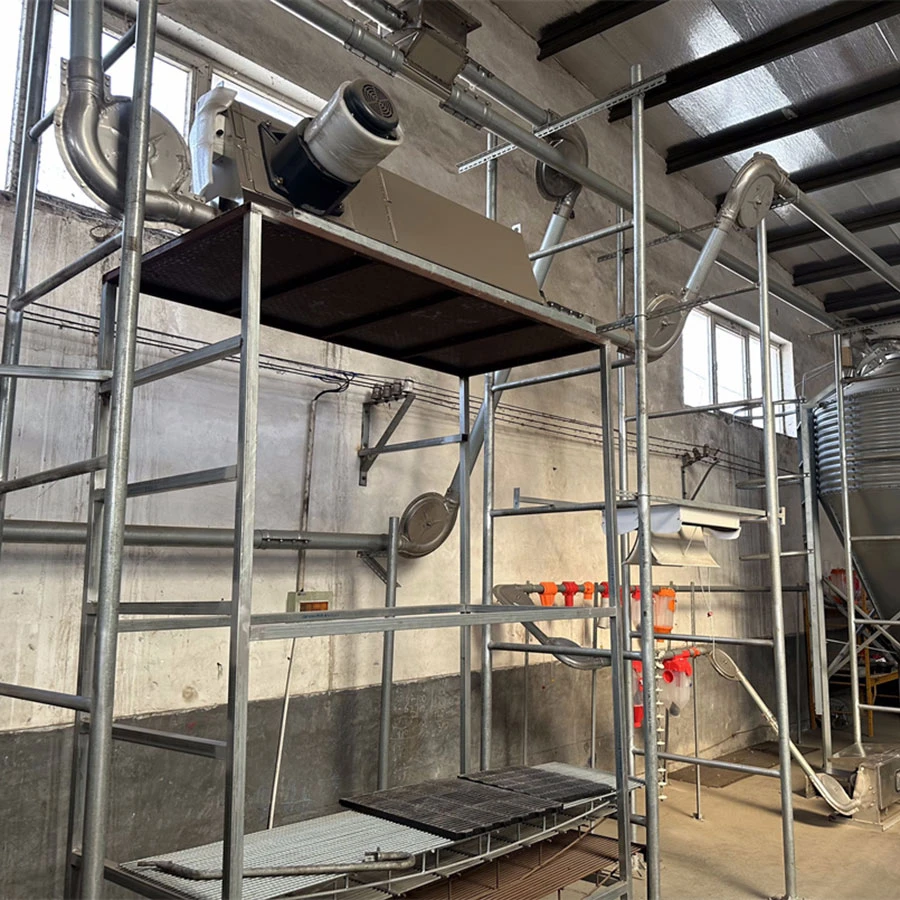
Ease of access ensures the feed can be quickly dispensed into feeders without mess or loss. Many designs include bottom discharge chutes, augers, or screw conveyors suited for different farm operations.
5. Cost Efficiency
Compared to bulk storage buildings or sacks, small feed silos offer longer life spans with fewer handling costs. They allow farmers to buy feed in bulk (cheaper) while still protecting quality, balancing financial incentives.
How Small Feed Silos Power Real-World Agricultural Systems
Imagine a dairy farm in rural India where consistent feed quality impacts milk yields directly. Small feed silos protect daily rations from monsoon humidity. Over in Argentina, semi-nomadic cattle ranchers use portable silos to move feed across grazing areas.
In humanitarian & disaster relief, organizations caring for livestock displaced by floods or drought deploy small feed silos because they're faster to install and maintain than large-scale options.
Industrial farms in remote Canada or Australia rely on these devices to automate feed delivery, cutting labor and improving consistency.
Mini takeaway:
- Small feed silos are versatile tools used worldwide to solve feed storage challenges across diverse farming landscapes.
- They boost productivity by preserving feed integrity and supporting efficient farm management.
Why Choose Small Feed Silos? The Long-Term Perks
- Cost savings: Lower feed wastage means better budgets and higher profitability.
- Sustainability: Better storage reduces spoilage runoff and waste — good for the planet and farming future.
- Animal welfare: Fresh feed = healthier animals = better product quality.
- Operational efficiency: Less time handling feed means more time to focus on other farm needs.
- Trust and dignity: Farmers gain confidence managing feed, which sustains family livelihoods and community resilience.
Oddly enough, it feels like these silos do their part quietly, but the impact on farm morale and sustainability can be profound.
Product Specification Table: Popular Small Feed Silo Models
| Model | Capacity (tons) | Material | Weight (kg) | Dimensions (L×W×H, m) | Mobility |
|---|---|---|---|---|---|
| AgriSafe Mini 5 | 5 | Galvanized Steel | 120 | 1.5×1.5×3.0 | Forklift Compatible |
| FeedGuard Compact | 3 | Reinforced Plastic | 75 | 1.2×1.2×2.5 | Portable Wheels Option |
| FarmStrong EcoStore | 7 | Galvanized Steel | 140 | 1.6×1.6×3.2 | Fixed |
Vendor Comparison: Options to Consider
| Vendor | Price Range | Lead Time | Customization | Warranty |
|---|---|---|---|---|
| AgriSafe Co. | $$$ | 4-6 weeks | Color, Capacity, Add-ons | 5 years |
| FeedGuard Ltd. | $$ | 2-3 weeks | Size, Mobility Options | 3 years |
| FarmStrong | $$$ | 6-8 weeks | Material, Capacity | 7 years |
Looking Ahead: Trends and Innovations in Small Feed Silos
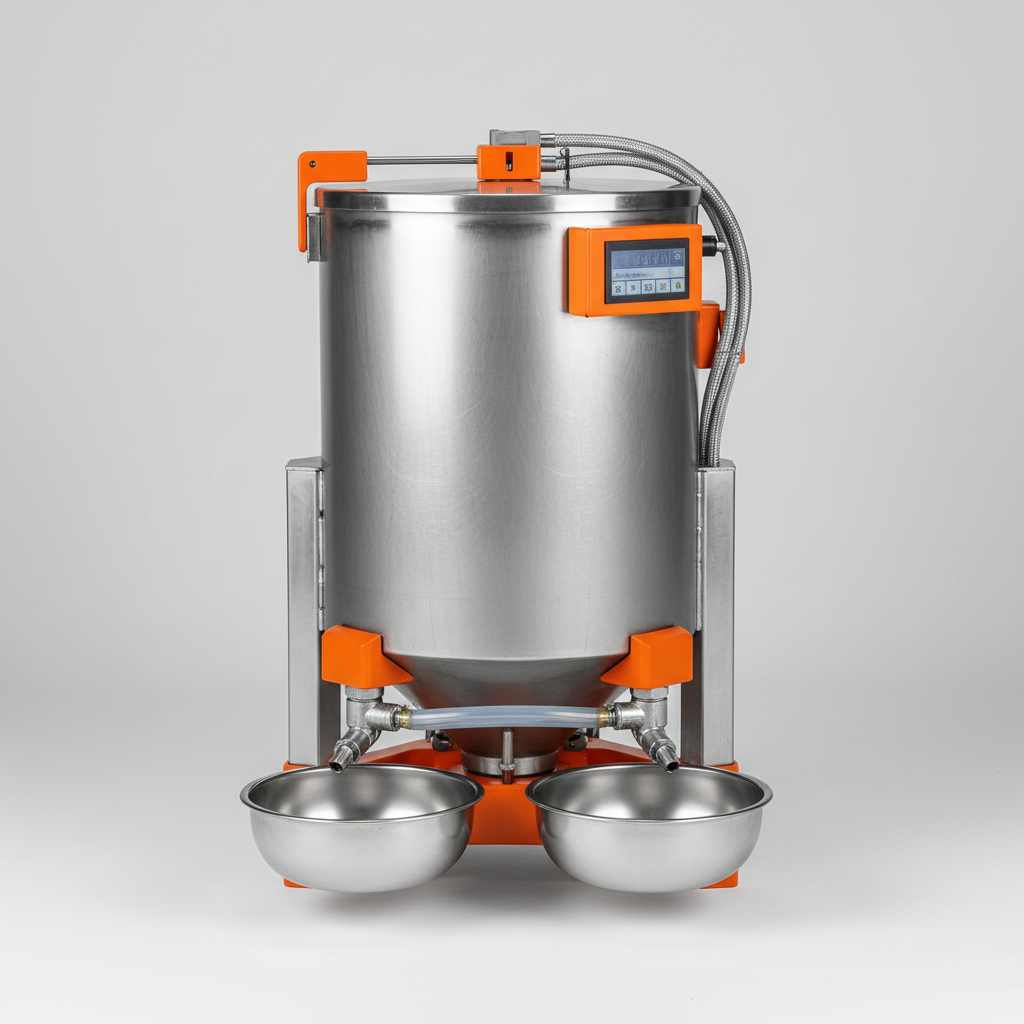
There’s a slow but steady march toward integrating digital monitoring devices directly into small feed silos. Sensors that log temperature, humidity, and feed levels can now alert farmers remotely — minimizing spoilage further.
Materials science advances are pushing composites that weigh less but still withstand weather and pests. Automation is also growing; some small feed silos now feature auger-based feeders linked to farm management systems.
And sustainability? More vendors incorporate recycled materials and designs that reduce carbon footprints during manufacturing and transportation. It feels like the humble feed silo is also joining the "green revolution".
Common Challenges and How to Tackle Them
Still, no solution is perfect. Cost can be a barrier for tiny farms — though bulk buying and financing schemes help. Mobility can be limited depending on terrain and silo size. Some silos face pest invasion if seals aren't maintained rigorously.
Experts recommend regular silo inspection, using moisture absorbers, and considering modular designs that can be expanded. Plus, training farmers on feed management often changes the game more than just hardware upgrades.
FAQ: Everything You Might Be Wondering About Small Feed Silos
- Q: How do small feed silos improve feed preservation compared to traditional bags?
A: Unlike bags that are prone to tears, moisture penetration, and pest attacks, small feed silos provide sealed, sturdy environments, maintaining feed dryness and freshness. This reduces spoilage significantly and extends feed longevity. - Q: Are these silos suitable for all types of animal feed?
A: Mostly yes. Small feed silos work best with dry feed like pellets, grains, or mixed rations but are not designed for liquids or very coarse materials. Choosing the right mesh or lining helps optimize storage for specific feed types. - Q: What is the typical lifespan of a small feed silo?
A: Depending on materials and maintenance, most small feed silos last between 5 and 10 years. Regular cleaning, rust prevention, and seal checks help extend this. - Q: Can small feed silos be customized for remote or off-grid farms?
A: Absolutely. Many vendors offer models with solar-powered sensors, modular linkages, and portability features for difficult terrain.
Wrapping Up: Why Small Feed Silos Are a Small Investment with a Big Impact
In the broader tapestry of sustainable agriculture and animal welfare, small feed silos punch well above their weight. They cut costs, reduce waste, and simplify operations — all while supporting farmers and their animals’ health.
For those interested in exploring best options or making a purchase, feel free to visit our site: https://www.cxlivestock.com. The future of livestock feed storage is compact, smart, and sustainable.
And honestly, it’s about time this humble hero got its spotlight — because the next leap in farming efficiency might just start with better feed storage.
References
Post time: Dec . 02, 2025