A Fresh Look at Sow Cages: Why They Matter More Than Ever
When you hear "sow cage," you might picture a simple metal enclosure for breeding sows. But globally, sow cages have become a topic of intense debate, innovation, and crucial importance in livestock management. These seemingly humble structures come with challenges and benefits that span the spectrum—from animal welfare controversies to efficiency gains for farmers, and even impacts on global food security.
Understanding sow cages means diving into agricultural practices that feed billions. With pork being one of the world's most consumed meats, how we house sows influences everything from product quality to environmental footprints. So, stick around, because whether you’re a farmer, supplier, or policy watcher, wrapping your head around sow cages is more relevant than you think.
Global Context: Sow Cages in the Livestock Industry
The livestock sector contributes over 40% of agricultural GDP worldwide according to the Food and Agriculture Organization (FAO). Pigs alone account for a major chunk of meat consumption, especially in Asia and Europe. In this high-demand environment, sow cages have emerged as a practical solution to manage breeding sows efficiently while controlling costs.
Yet they come with a controversy — welfare groups and regulations in various countries argue that traditional sow cages restrict natural behaviors, leading to bans or modifications in places like the European Union. That tension forces producers to balance between animal welfare, production efficiency, and economic viability. This global push and pull shapes the future of sow cage design and regulation.
Defining “Sow Cage” in Simple Terms
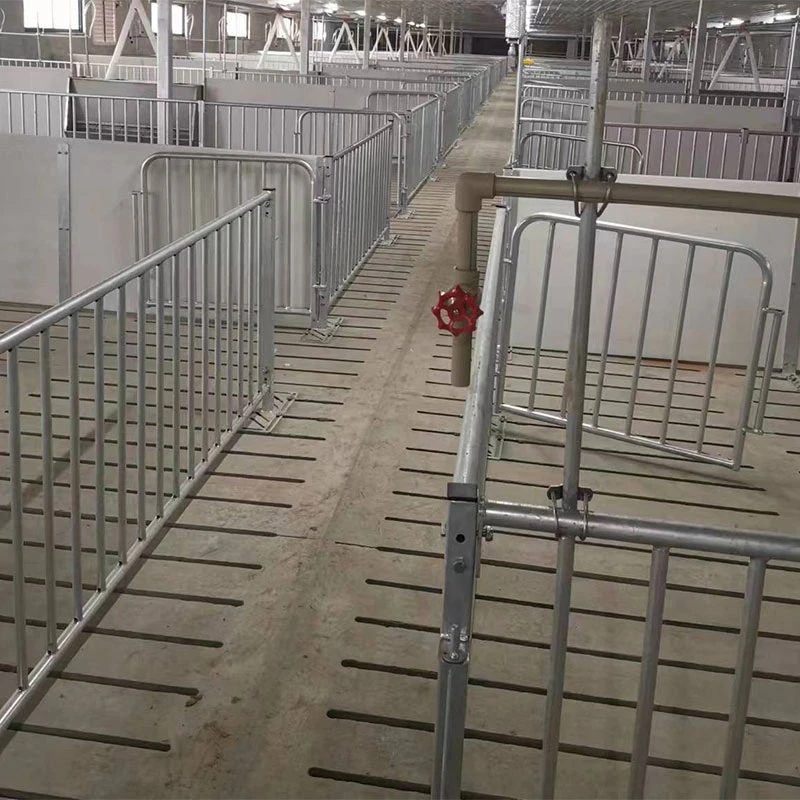
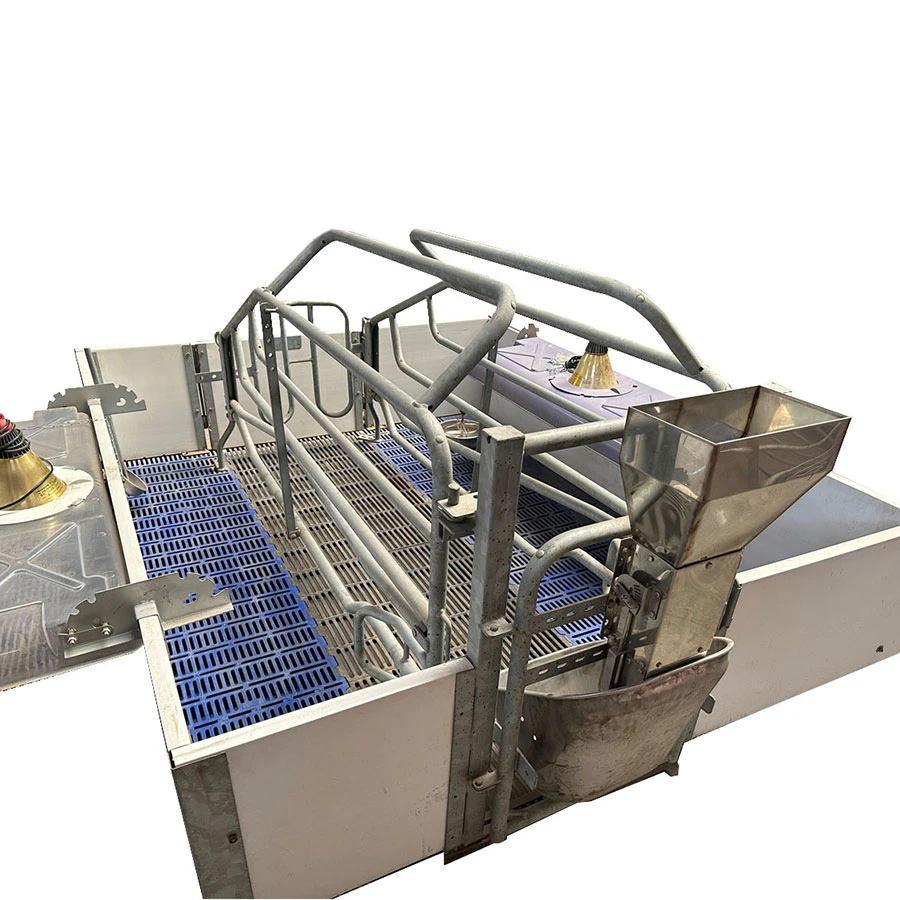
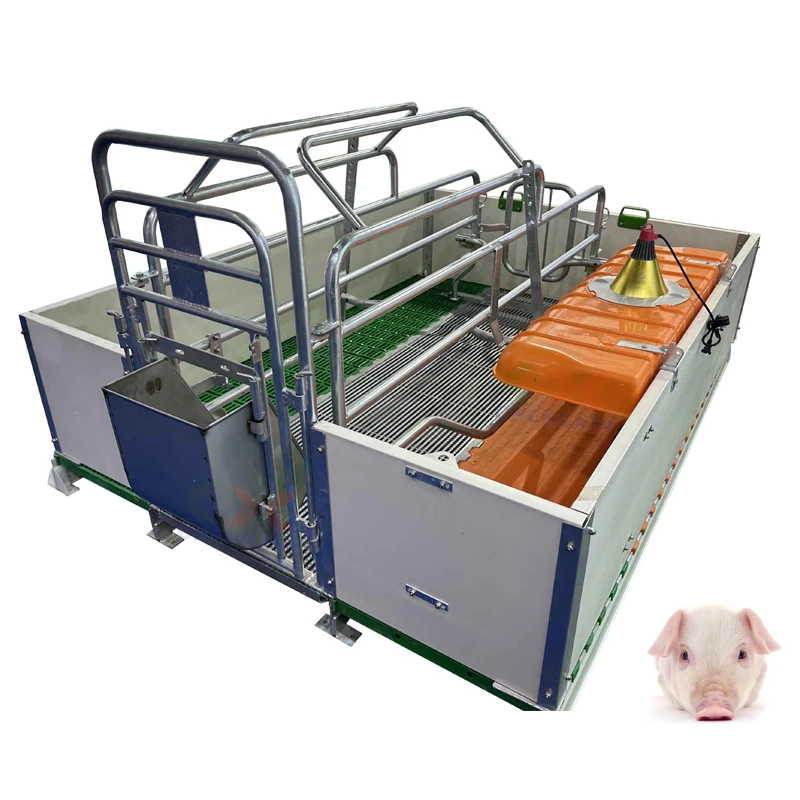
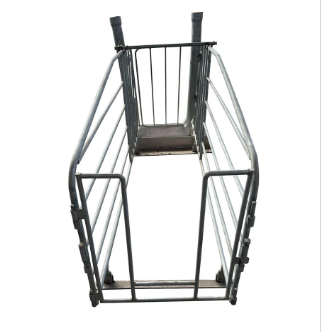
Just to set it straight: a sow cage is a metal enclosure designed to house a single breeding female pig (a sow) during pregnancy, usually until farrowing. It restricts movement to protect piglets and manage feeding. Often called gestation crates, sow cages are part of intensive pig farming systems.
They’re designed to optimize space, improve feeding efficiency, reduce fighting among sows, and ease farm labor. But they’re also at the heart of a broader discussion about ethical farming practices and modern agricultural technology adapting to social expectations.
Core Components That Define a Good Sow Cage
1. Durability & Material Quality
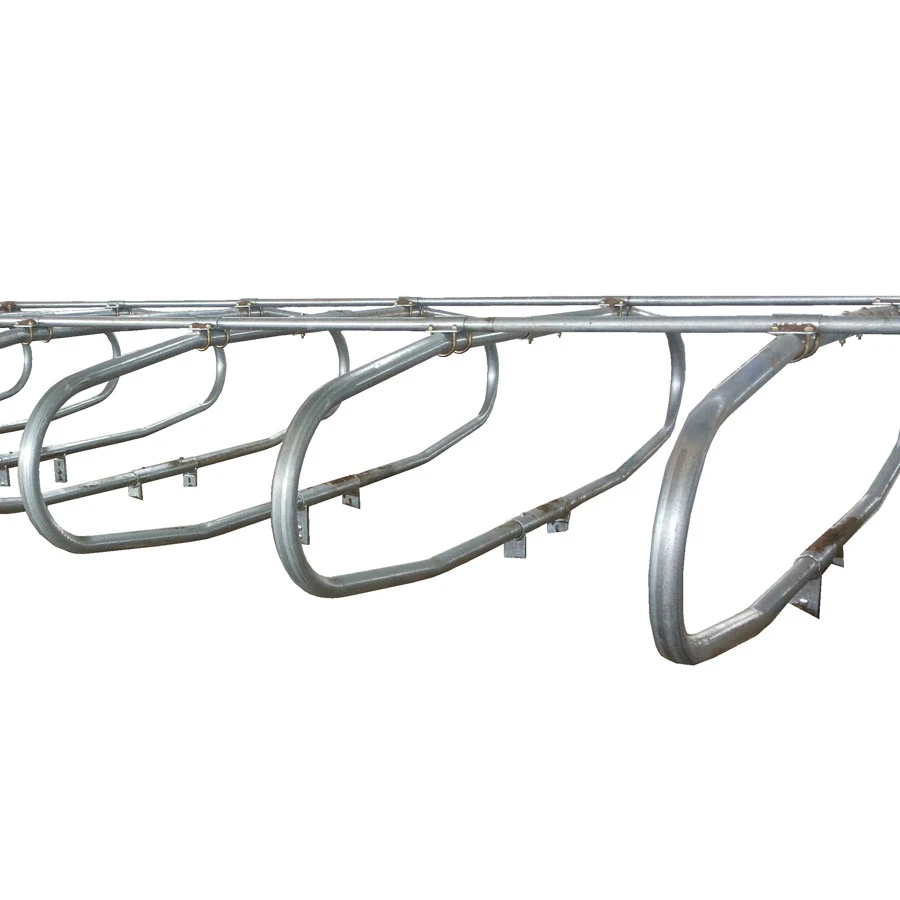
Sow cages must withstand constant use, moisture, and pig activity. Materials usually include galvanized steel for corrosion resistance and strength. Many farmers I’ve talked to insist that quality steel makes all the difference for longevity over cheaper alternatives.
2. Animal Welfare Features
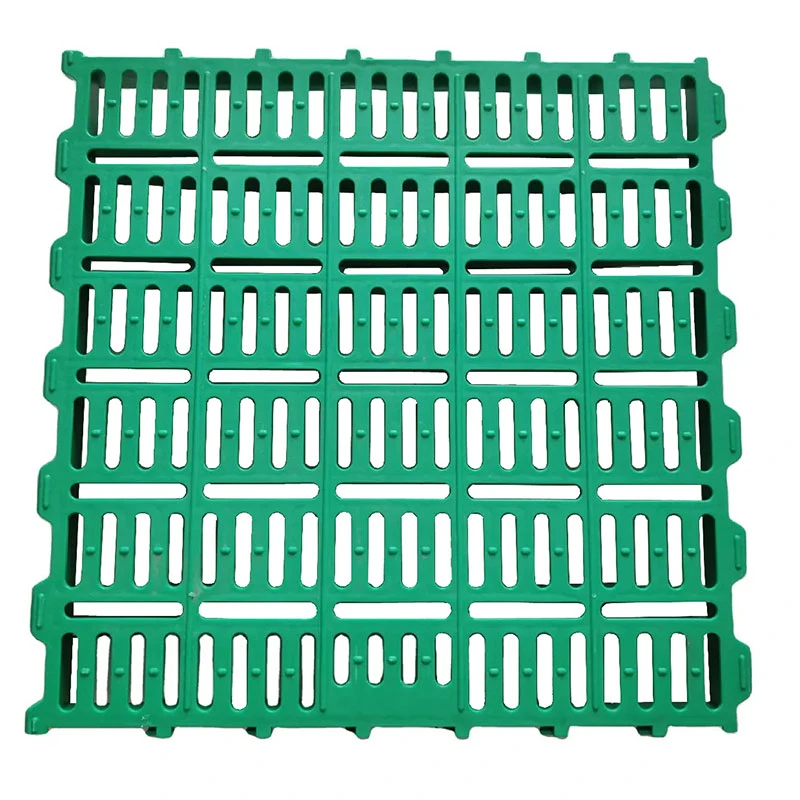
Improved designs include more space, softer flooring, and better ventilation to reduce stress and injury. According to the World Organisation for Animal Health (WOAH), welfare-friendly features aren’t just humane—they can improve sow health and productivity.
3. Scalability & Farm Integration
Modern sow cages are modular, enabling easy installation and expansion. This matters for farms scaling operations without expensive infrastructure overhauls. Also, many units now integrate with automated feeding systems, making management slicker.
4. Cost-Efficiency
While upfront costs vary, lowering feed waste and reducing injury-related losses can make sow cages economically viable. Practical farmers balance these costs with ethical considerations, a tricky but necessary task in today’s industry.
5. Cleanability & Maintenance
Easy cleaning reduces disease risks and labor time, so cages often have smooth surfaces and removable parts. Hygiene contributes directly to herd vitality, and, frankly, fewer vet bills and better market outcomes.
| Specification | Details |
|---|---|
| Material | Galvanized Steel |
| Dimensions (LxW) | 6 ft × 2 ft (approx.) |
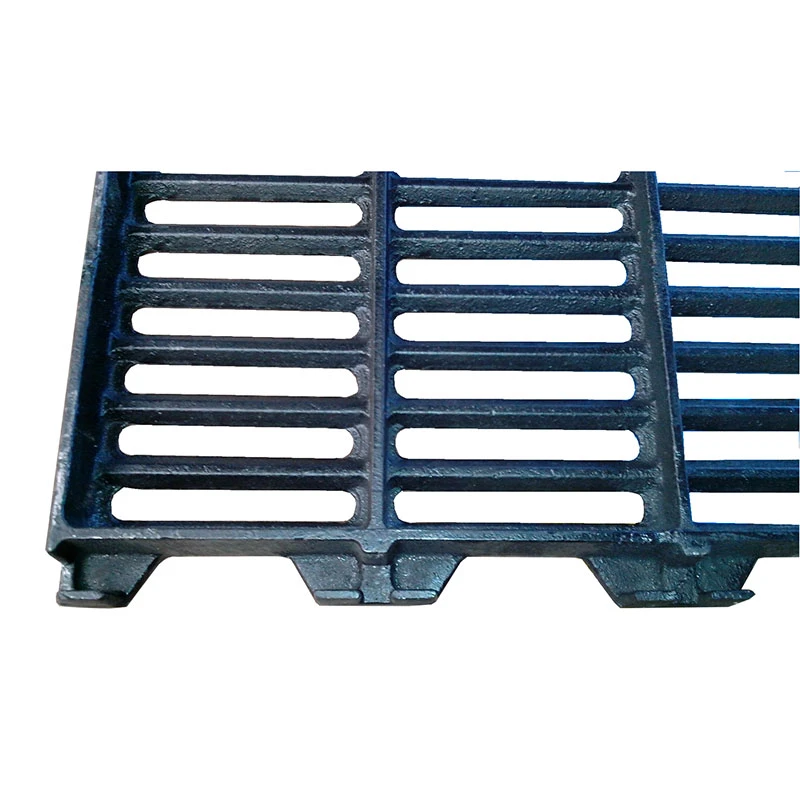
| Floor Type | Slatted Plastic or Concrete |
| Weight Capacity | Up to 350 kg (sow weight) |
| Ventilation | Open steel bars with airflow gaps |
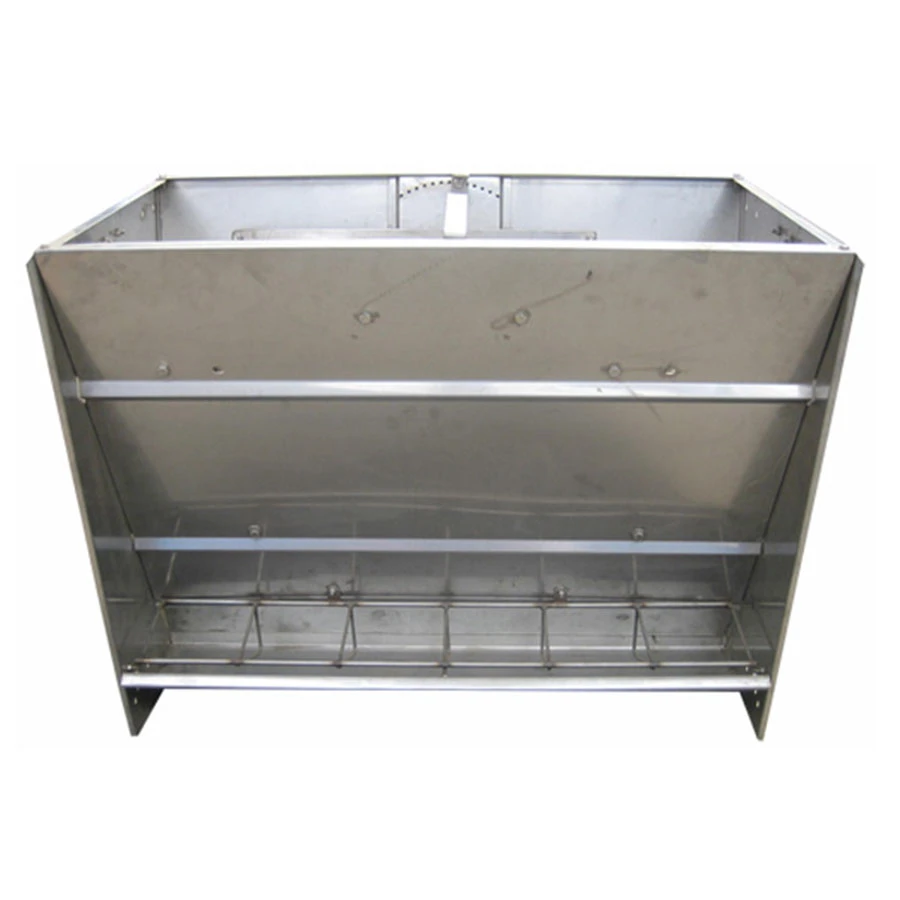
| Optional Features | Durable coatings, adjustable gates, feeding troughs |
How Sow Cages Are Used Around the World
Here’s the interesting part: sow cages look similar globally, but the regulations, designs, and usage contexts vary widely.
- Europe: Ban on traditional sow cages since 2013 means farms use only 'group housing' or enlarged pens. This has pushed innovation but increased farming costs.
- Asia: High pork consumption drives widespread use of traditional sow cages, but rising welfare awareness is boosting demand for alternatives.
- North America: A mix of cage systems, with some voluntary welfare standards and evolving consumer pressure impacting design choices.
In remote or small-scale farming, the sow cage remains a vital tool for controlling breeding stock, improving piglet survival rates, and maximizing limited space.
Mini Takeaway:
Wherever you are, sow cages play a critical role balancing economics with ethics – a dance still in motion globally.
Long-Term Benefits of Sow Cages: More than Just Efficiency
While debates rage around welfare, sow cages undeniably help farmers:
- Reduce fighting injuries among sows.
- Improve piglet survival by preventing accidental crushing.
- Enhance feeding control, reducing waste.
- Streamline labor in managing large herds.
More broadly, they contribute to food security in a world where nearly 700 million people live on less than $2 a day (World Bank). Efficient swine production means affordable protein for many.
Speaking emotionally, the challenge is to produce food humanely, sustainably, and reliably — and sow cages are often caught in that complexity.
What’s Next? Future Trends & Innovations in Sow Cage Design
Oddly enough, the future is already here. Innovations include:
- Eco-friendly materials: Biodegradable coatings and recycled metals to reduce environmental footprints.
- Smart monitoring: Sensors tracking sow health, heat detection, and feeding patterns, integrating with farm management software.
- Welfare-friendly modular designs: Adjustable spaces allowing more movement but preserving safety.
- Renewable energy-powered ventilation and lighting: Reducing operational costs and carbon emissions.
These advances aim to make sow cages smarter and more sustainable — meeting market demands and ethical standards simultaneously.
Challenges in Sow Cage Adoption & Solutions on the Horizon
Common hurdles include:
- Welfare criticisms: Calls for cage bans create financial pressure on farmers.
- Initial capital costs: Upgrading cages or switching systems can be costly.
- Regulatory complexity: Varying laws complicate standards globally.
Solutions? Governments and NGOs are stepping in with subsidies, technical assistance, and certification schemes highlighting welfare compliance. Plus, innovation-driven companies are introducing flexible, retrofit-friendly cage designs that ease the transition for farms.
| Vendor | Key Features | Price Range | Market Regions |
|---|---|---|---|
| AgriSteel Systems | Heavy-duty galvanized steel, customizable sizes, sensor integration | $$$ | Europe, North America |
| FarmTech Solutions | Modular design, eco coatings, adjustable layouts | $$ | Asia, Latin America |
| SowSafe Products | Focus on animal welfare, soft-floor options, ventilation enhancements | $$$ | Global |
FAQ: Your Questions About Sow Cages Answered
Q1: Are sow cages still legal in major pork-producing countries?
Yes, but it varies. The EU banned conventional gestation crates in 2013, while the US and China still widely use them, though with shifting regulations and voluntary welfare initiatives developing.
Q2: What improvements have been made to reduce animal stress in sow cages?
Design changes include larger cages, inclusion of bedding or soft flooring, better ventilation, and partial group housing systems. These reduce stress and improve health outcomes.
Q3: How can small-scale farmers benefit from sow cages?
Sow cages allow for controlled breeding and better piglet survival without the high labor demands of free-range systems — making them useful for limited-resource settings.
Q4: Is it possible to retrofit existing sow cages with welfare features?
Yes, many vendors offer retrofit kits like flooring upgrades, adjustable gates, or sensor add-ons that improve welfare without full replacement.
Q5: Where can I find reputable suppliers for sow cages?
Look for companies with certifications, track records of innovation, and regional support. You can browse trusted options at https://www.cxlivestock.com.
Wrapping Up: The Future of Sow Cages
Sow cages remain a complex yet vital part of modern pig farming—balancing efficiency, animal welfare, and economic realities. Innovations and evolving regulations are pushing the industry toward more humane, sustainable solutions. Whether you’re a producer looking to upgrade or a policymaker pondering welfare guidelines, sow cages will keep demanding our attention.
If you want to explore practical, cost-effective sow cage solutions or stay ahead with the latest designs, visit us at https://www.cxlivestock.com. Let’s keep the conversation going and improve the way we manage livestock for tomorrow.
References
Post time: Dec . 02, 2025