Understanding Sow Crates: Why They Matter in Modern Livestock Management
If you've ever wondered how modern pig farming balances animal welfare, productivity, and operational safety, then sow crates likely popped up on your radar. These structures play a surprisingly pivotal role in livestock management, especially in ensuring the well-being of mother pigs (sows) and their piglets. Globally, with pork consumption rising and farming practices under increasing scrutiny, understanding the design and function of sow crates isn't just for farmers—it's for anyone interested in sustainable food production and animal welfare.
In real terms, the sow crate serves a dual purpose: to protect piglets from accidental crushing and to provide a controlled environment for sows during farrowing. It’s a concept that, while sometimes controversial, is deeply woven into global efforts to create humane, efficient meat production. Plus, we can’t forget the economic upsides for farmers managing herds on tight margins.
The Global Importance of Sow Crates
The livestock sector represents approximately 40% of the global agricultural GDP, with pigs accounting for a significant share, especially in Asia and Europe (FAO, 2022). With over a billion pigs raised worldwide annually, managing sow welfare directly influences both production efficiency and ethical concerns.
Here's a kicker: According to the World Organisation for Animal Health (WOAH), piglet mortality due to crushing can reach up to 20% in poorly managed systems. Sow crates help address this by providing a barrier system that limits the sow’s movement just enough to reduce piglet fatalities.
At the same time, farmers face the challenge of balancing animal welfare laws and economic viability. Regulations like the EU’s Directive 2008/120/EC even guide sow crate use to ensure they’re not overly restrictive. It’s a constant tug-of-war between industry standards and societal expectations.
Mini takeaway: Sow crates are a vital piece of the livestock puzzle, bridging welfare, productivity, and regulatory compliance globally.
What Exactly Is a Sow Crate?
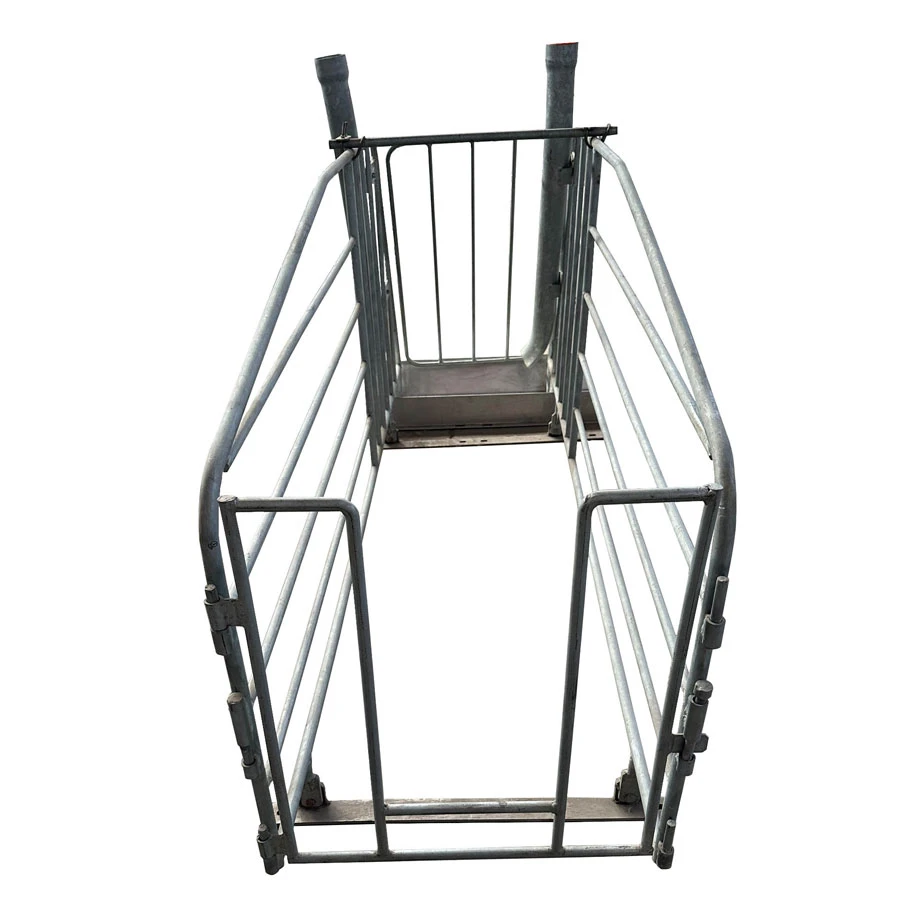
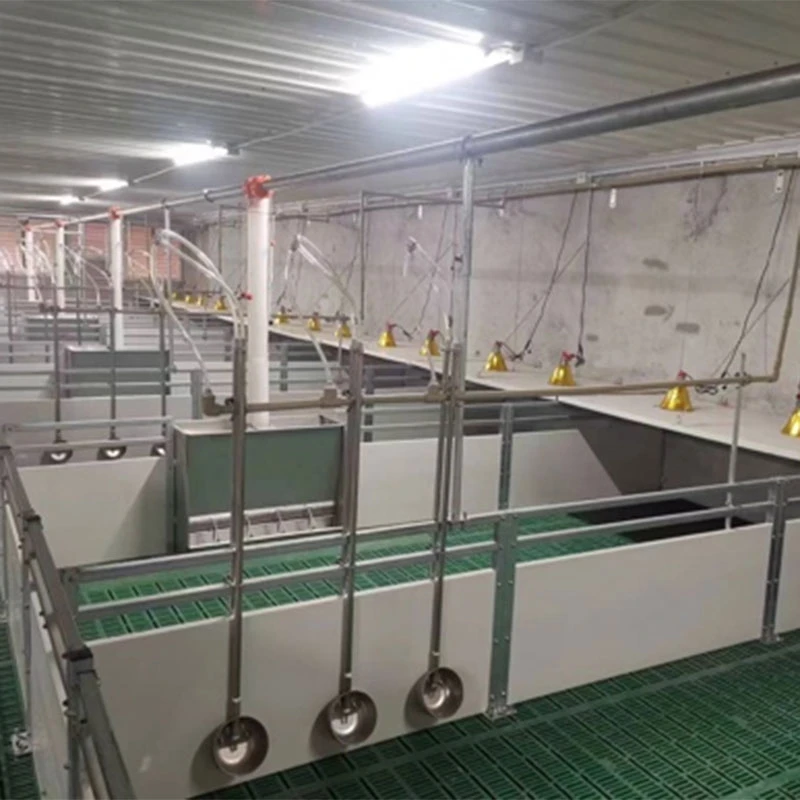
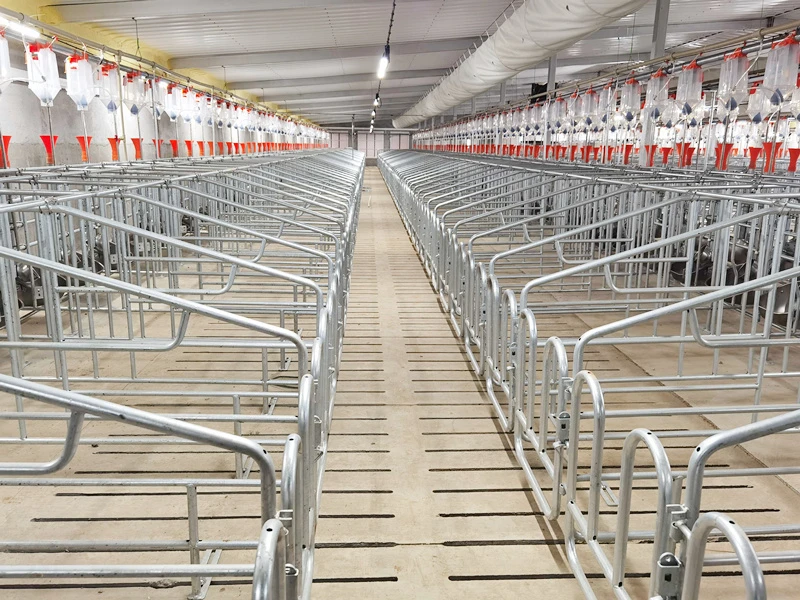
Simply put, a sow crate is a metal or plastic enclosure designed to house a lactating sow during farrowing and early piglet life. It restricts her movement to reduce accidental laying on piglets — a leading cause of piglet mortality.
These crates are designed to offer a controlled environment for the sow while still allowing access to feed, water, and movement to a limited extent. They’re part of an overall farming system that emphasizes both animal safety and operational efficiency, combining elements of biosecurity, ergonomics, and husbandry.
Oddly enough, while they seem confining, modern crates often balance sow comfort with practical constraints. The idea is to keep sows safe without completely removing their freedom — a subtle but important distinction that many new designs strive to embody.
Key Factors That Define a Quality Sow Crate
1. Durability and Material Quality
Most sow crates are made from galvanized steel or strong plastic composites. The choice affects longevity, maintenance, and animal comfort. Galvanized steel resists rust and endures heavy cleaning regimes, while plastic can offer smoother surfaces that reduce injury.
2. Size and Ergonomics
Proper sizing is crucial. A crate too small stresses the sow; too large increases piglet risk. Ergonomic design ensures sufficient space for natural behavior while preventing injury or escape.
3. Ease of Cleaning and Biosecurity
Fast-paced farming demands equipment that can be sanitized easily to prevent disease spread. Removable parts or smooth surfaces enhance cleaning efficiency.
4. Cost Efficiency
The initial investment versus lifespan and ease of maintenance affects the farmer’s bottom line. More expensive designs might pay off with durability and welfare compliance.
5. Adaptability and Scalability
Modular crate designs let farms expand or reconfigure layouts quickly, important for seasonal or demand-driven production changes.
6. Welfare Compliance
The design has to comply with or surpass welfare guidelines from bodies like the OIE or regional agricultural authorities.
Mini takeaway: Selecting a sow crate isn’t just about buying metal cages — it’s a nuanced decision involving multiple factors that impact animal welfare and farm efficiency.
Common Sow Crate Specifications
| Specification | Typical Range | Notes |
|---|---|---|
| Length | 1.8 - 2.4 meters | Allows room for sow to lie and stand |
| Width | 60 - 80 cm | Just enough space to restrict excessive movement |
| Material | Galvanized Steel / Plastic Composite | Corrosion resistance preferred for hygiene |
| Weight | 100 - 150 kg per unit | Sturdy enough for sows up to 300kg+ |
| Cleaning | Pressure washer safe | Enables biosecurity protocols |
Where Are Sow Crates Used Around the World?
From industrial-scale farms in the United States and China to smallerholder setups in Europe and South America, sow crates are widespread. The form, however, varies based on cultural, regulatory, and economic factors.
For example, in parts of Scandinavia, stricter regulations have led to more spacious or temporary crate designs that allow more sow movement. Contrastingly, in large-scale operations in North America, crates are often central to intensive farming systems.
In developing countries, NGOs sometimes introduce improved crate designs as part of sustainable agriculture initiatives, focusing on welfare improvements and productivity gains.
One interesting case: a large piggery in Spain recently upgraded to adjustable sow crates that can be modified as sows grow — reducing stress and improving piglet survival rates significantly within two years.
Mini takeaway: Sow crates adapt worldwide, reflecting a mix of culture, regulation, and farming scale, but the core goal always remains piglet safety and sow welfare.
Comparing Sow Crate Vendors
| Vendor | Material | Customization | Warranty | Price Range (USD) |
|---|---|---|---|---|
| AgriCrate Systems | Galvanized Steel | Yes, modular sizes | 5 years | $250 - $350 |
| Livestock Livin' | Recycled Plastic Composite | Limited | 3 years | $300 - $400 |
| FarmForm Solutions | Steel & Plastic Hybrid | Full customization | 7 years | $350 - $450 |
Concrete Benefits of Using Sow Crates
The obvious advantage is reduced piglet mortality. But that’s just scratching the surface. Using quality sow crate systems can also:
- Improve working conditions: Easier handling and monitoring of sows during farrowing reduce physical strain and error.
- Enhance biosecurity: Individual housing helps isolate sick animals, preventing disease spread.
- Boost economic returns: Fewer losses mean more piglets reaching market weight.
- Support welfare standards: Promote consumer trust and compliance with trade standards.
Emotionally, such systems bring peace of mind to farmers—knowing their animals have a safe space. It’s a tangible reflection of innovation meeting compassion.
Innovations on the Horizon
Interestingly, new materials like composites and recycled plastics are making sow crates lighter, easier to clean, and more environmentally friendly. Smart sensors embedded in some prototypes monitor sow health and behavior in real time — which could revolutionize husbandry with less manual oversight.
Automation is creeping in, too. Imagine remotely controlled adjustable crates or feeding mechanisms that reduce manual labor further.
Green energy initiatives are also encouraging solar-powered environmental controls for temperature and ventilation within farrowing rooms, enhancing sow welfare.
Challenges and Smart Solutions
Despite the benefits, criticisms around sow crates include limited movement potentially impacting sow mental health. Critics argue the need for alternatives like loose housing combined with protective rails.
Some innovative approaches include adjustable crates that can open up once piglets are older or enriched environments with more stimulation.
Financial constraints also restrict adoption in smaller farms, which is why affordable modular systems and NGO subsidized programs are vital.
FAQs About Sow Crates
Q1: Are sow crates legal worldwide?
Most countries allow sow crates but with differing regulations. The EU has strict limits on their duration, while the US follows state-specific guidelines. It’s best to check local laws.
Q2: Can sow crates affect sow health negatively?
Extended confinement can stress sows, but modern designs and management practices mitigate this by allowing limited movement and enrichment. Health monitoring helps catch issues early.
Q3: How easy is it to clean sow crates?
Good quality crates are designed for quick sanitation with pressure washers, facilitating regular cleaning to maintain hygiene and disease control.
Q4: Can smaller farms afford sow crates?
Yes, modular and entry-level options exist. Plus, some NGOs and government programs offer subsidies to improve welfare in small-scale operations.
Q5: How do sow crates compare with open farrowing pens?
Sow crates reduce piglet crushing risk but are more restrictive to the sow. Open pens allow freer movement but require more supervision to ensure piglet safety. Choice depends on farm priorities and regulations.
In Closing: Why Sow Crates Remain Relevant
Though not without controversy, sow crates hold their place as a practical, lifesaving tool in modern pig farming. The quest for better welfare and productivity continues to drive design improvements, materials innovation, and operational strategies.
If you want to dive deeper or explore the best sow crate solutions tailored for your operation, check out our selection and expert advice at https://www.cxlivestock.com. Because, frankly, this is one corner of agriculture where a little know-how can make a world of difference.
Until next time, keep an eye on those sows — they’ve got a lot going on behind that steel frame.
References
Post time: Dec . 02, 2025