Understanding Sow Stall vs Farrowing Crate: Why It Matters Today
Whether you’re knee-deep in pig farming or just curious about modern livestock management, the debate around sow stall vs farrowing crate is more than industry jargon. It’s about animal welfare, efficiency, and sustainability — aspects that increasingly influence not just farm economics but global food security and ethical standards.
Globally, pork accounts for nearly 38% of all meat consumed worldwide (FAO). The housing system for pregnant sows and new litters is a critical point — it affects sow health, piglet survival, and overall productivity. Understanding sow stall vs farrowing crate can unlock better practices that balance farm operation goals with rising pressure from consumers and regulators seeking humane treatment for animals.
Setting the Stage: The Global Significance of Sow Stall vs Farrowing Crate
Now, why is this a hot topic in, say, Europe or Asia, and less discussed openly elsewhere? Well, regulations from entities like the European Union (Directive 2008/120/EC) have banned or heavily restricted the use of sow stalls in favor of farrowing crates to improve animal welfare. Meanwhile, several countries still largely use sow stalls due to economic constraints or traditional farming setups.
According to the World Organisation for Animal Health (OIE), the global pig production system is under increasing scrutiny, not just for welfare but for environmental impact, disease control, and productivity. Choosing the right housing impacts everything from feed efficiency to labor costs.
The challenge farms face is balancing the cost-effectiveness of sow stalls (which restrict movement) against the improved comfort and piglet care offered by farrowing crates. Sadly, both systems have critics, but a trend toward refinement and innovation is clear.
What Are Sow Stalls and Farrowing Crates Anyway?
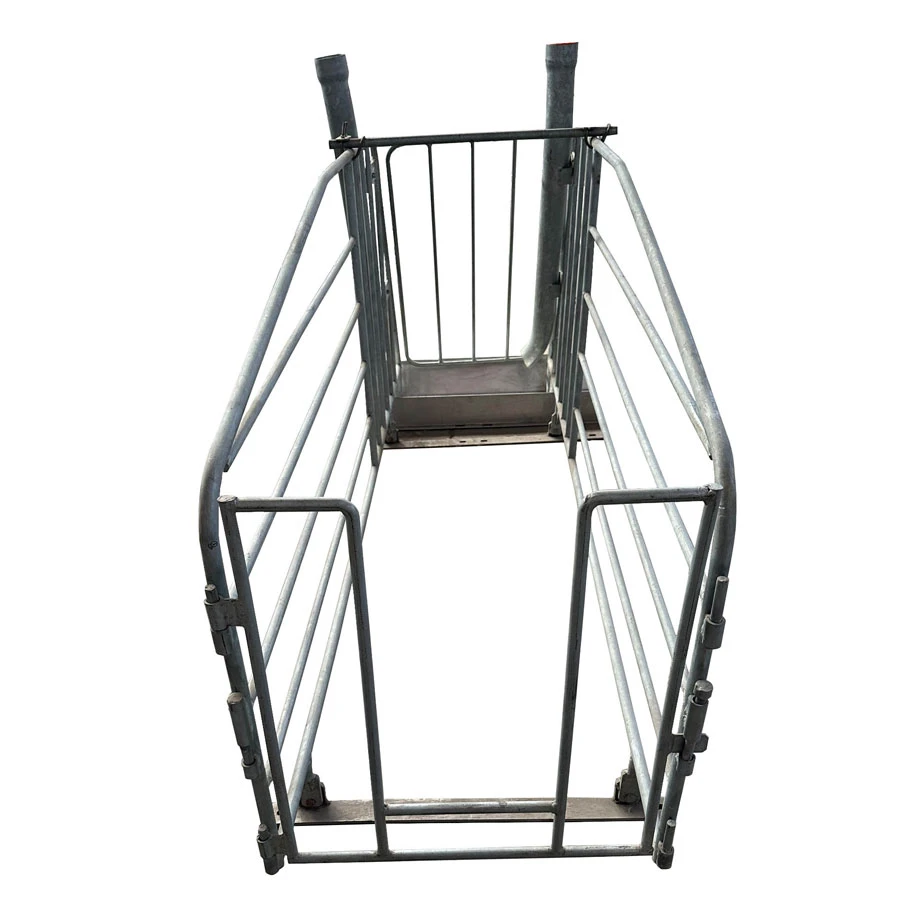
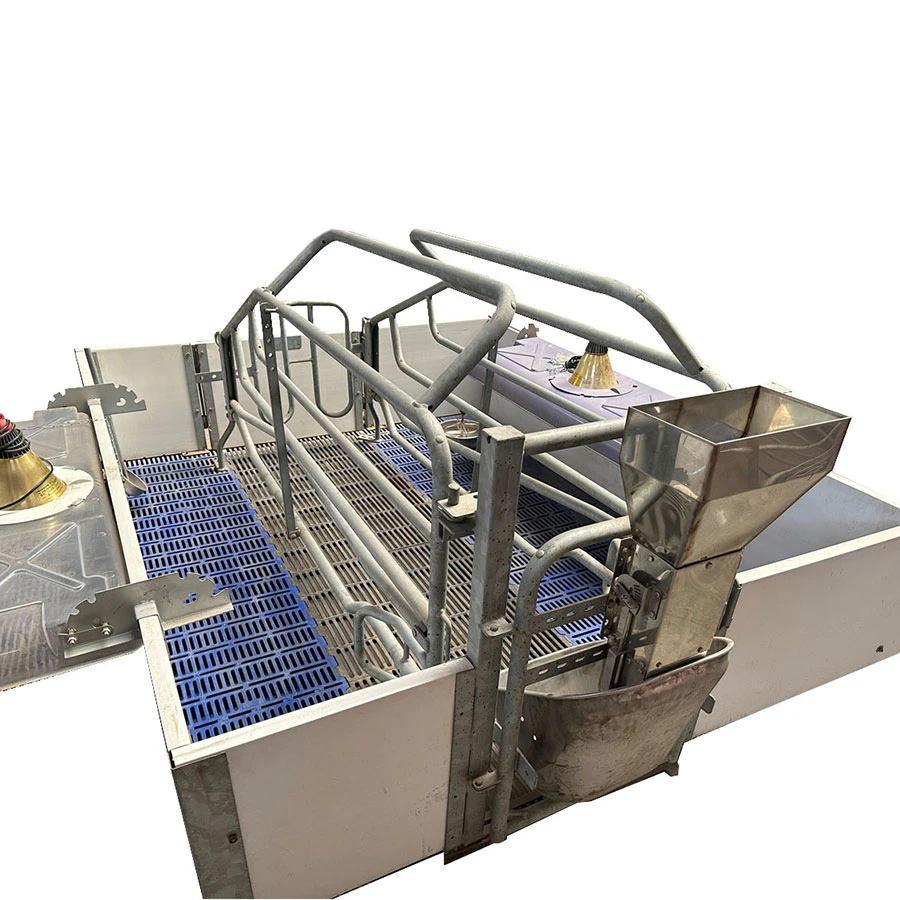
To keep it simple: a sow stall is a narrow individual enclosure designed to confine a pregnant sow, limiting her movement to minimize aggression and injury before farrowing (giving birth). In contrast, a farrowing crate is a slightly larger pen that houses the sow during and immediately after birth, allowing restricted movement while offering piglets better access to nursing.
In modern livestock farming, these terms matter because they reflect how technology and animal care philosophy collide. Sow stalls tend to prioritize confinement and operational efficiency, while farrowing crates attempt to compromise between sow mobility and piglet safety.
Core Aspects to Consider When Comparing Sow Stall vs Farrowing Crate
1. Animal Welfare and Behavior
Sow stalls severely limit movement, often criticized for being inhumane by welfare advocates. Farrowing crates, while also restrictive, provide some freedom and better reduce crushing risks to piglets.
2. Durability and Materials
Both require durable metals and plastics resistant to corrosion, farm chemicals, and constant cleaning. Advances in coating materials have improved longevity and hygiene.
3. Cost Efficiency and Labor
Sow stalls tend to be cheaper, easier to maintain in tight spaces and allow for high-density housing. Farrowing crates increase space and labor needs but can improve piglet survival, arguably reducing losses and costs long term.
4. Scalability in Large Operations
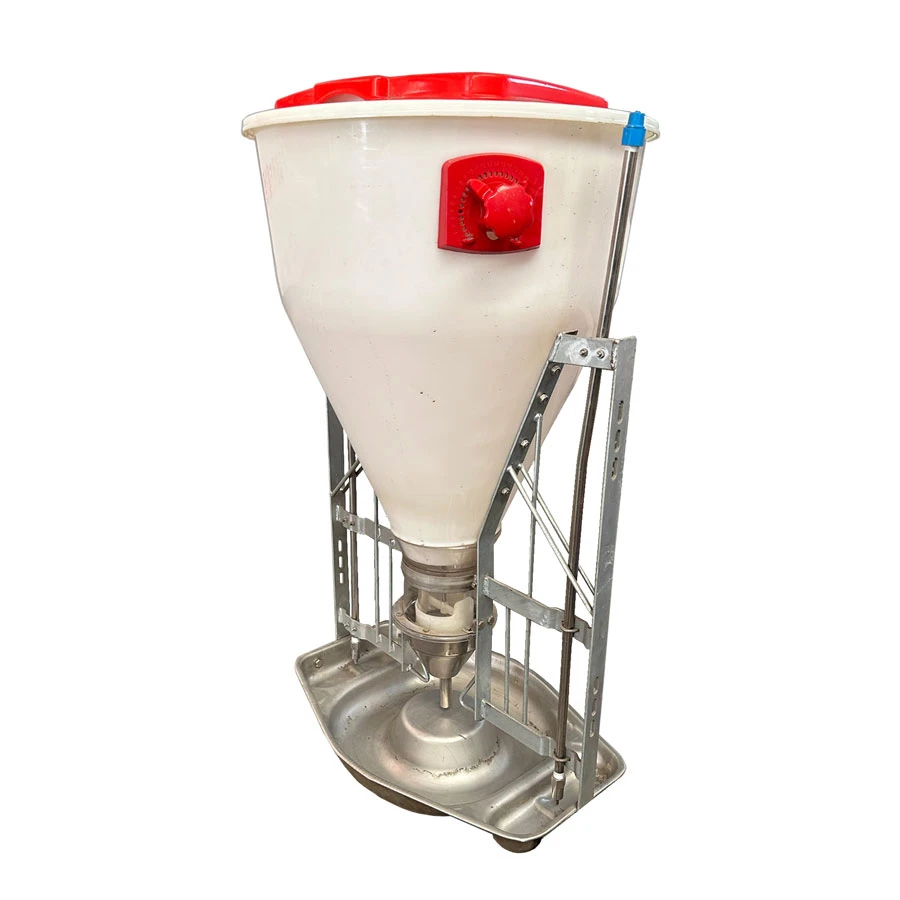
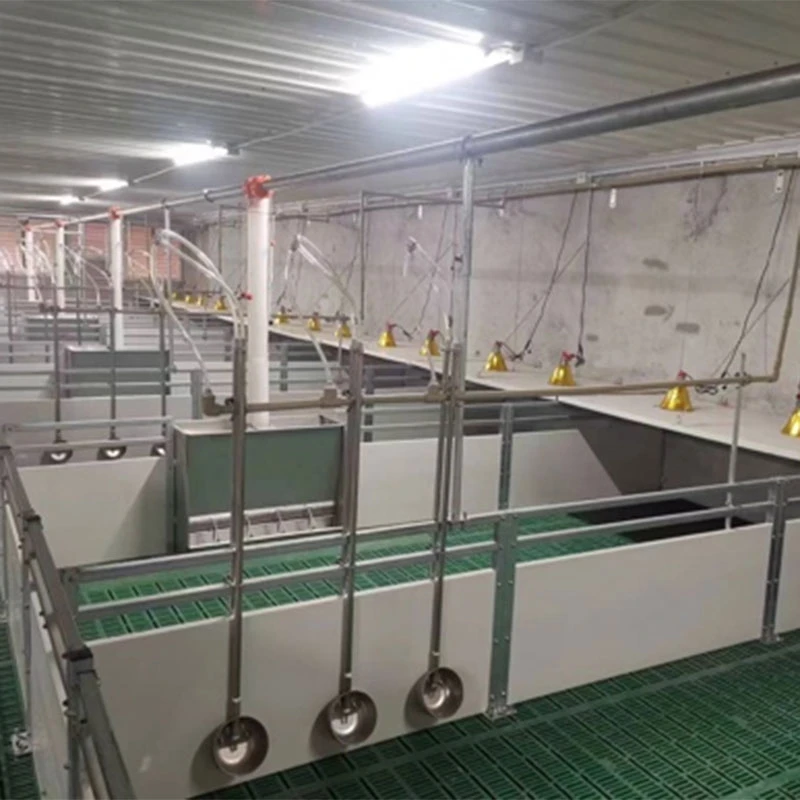
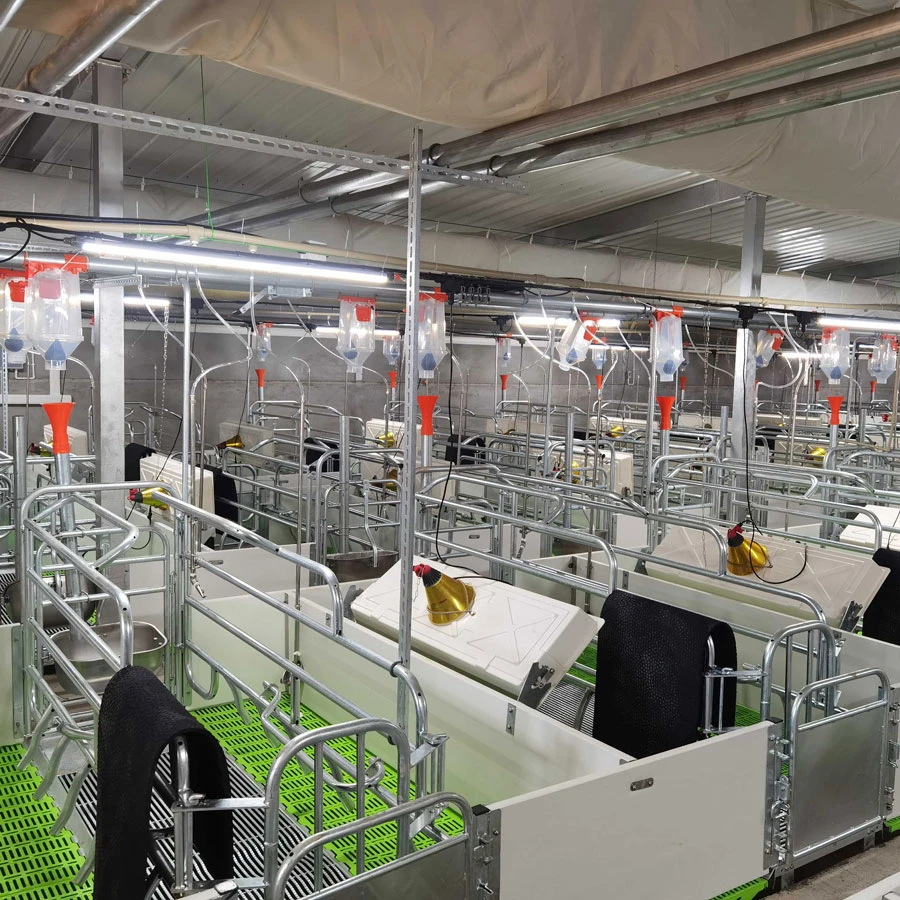
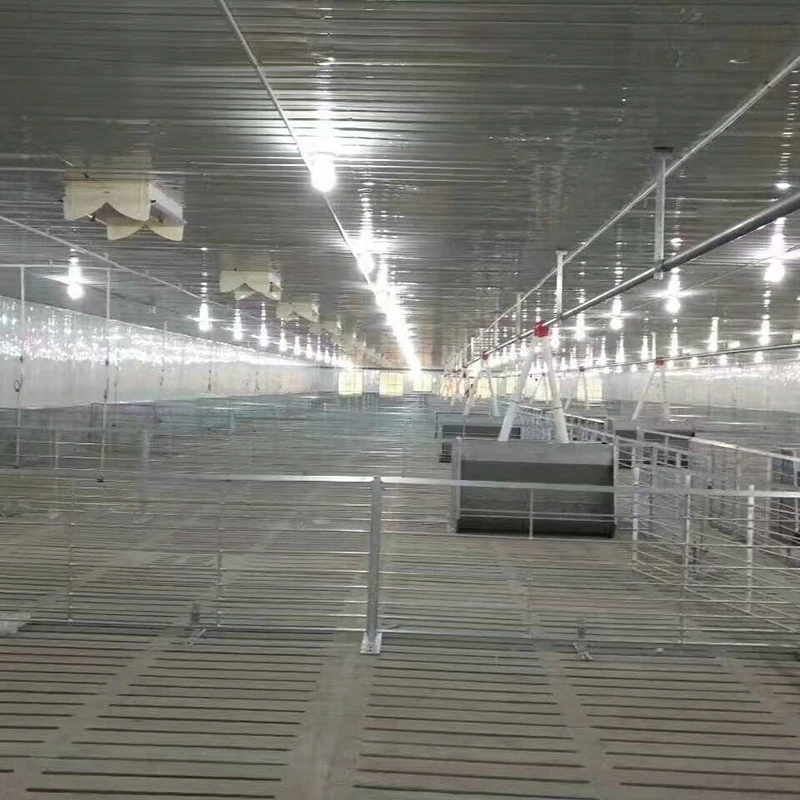
Large farms need scalable designs that seamlessly integrate with automated feeding and waste management. Both systems offer modular construction but farrowing crates pose more complexity due to additional equipment like heat lamps.
5. Compliance and Legislation
As noted above, regulations are tightening, especially in EU and parts of North America. Farms must weigh future-proofing compliance costs against upfront investments.
How the World Uses Sow Stall vs Farrowing Crates
In Europe, farrowing crates predominate due to stringent welfare laws, often paired with innovations like soft flooring and automatic feeding. In North America, many large-scale farms still rely on sow stalls but are gradually adjusting.
Asian pork producers, particularly in China and Vietnam, balance tradition and modernization — many farms still use sow stalls but are experimenting with farrowing systems to reduce piglet mortality rates that affect profits.
Interestingly, some organizations such as Compassion in World Farming offer pilot projects demonstrating enriched farrowing crates that give sows more mobility and mental stimulation, blending ethics with economics.
Product Specification Table: Typical Sow Stall vs Farrowing Crate
| Feature | Sow Stall | Farrowing Crate |
|---|---|---|
| Typical Dimensions | 2.1 m x 0.6 m | 2.4 m x 1.2 m |
| Material | Galvanized steel | Galvanized steel + plastic flooring |
| Movement restriction | High (minimal movement) | Moderate (allows limited movement) |
| Piglet protection | Minimal | High (reduces crushing risk) |
| Installation cost (per unit) | ~$120 | ~$250 |
Vendor Comparison: Leading Suppliers of Sow Stall and Farrowing Crate Systems
| Vendor | Product Range | Price Range (per unit) | Special Features | Global Reach |
|---|---|---|---|---|
| PigBuild Solutions | Sow stalls, farrowing crates, enriched pens | $100-$300 | Modular, corrosion-resistant coatings | Europe, North America, Asia |
| FarmTech Innovations | Farrowing crates, adjustable sow stalls | $130-$280 | Ergonomic design, automated feeding integration | North America, Australia |
| GreenPig Systems | Eco-friendly farrowing crates | $200-$350 | Recycled materials, smart temperature control | Europe, Asia |
Why Choose One Over the Other? Advantages & Lasting Impact
In real-world terms, farrowing crates often edge out sow stalls for piglet survival. Many farmers report increased weaning weights and fewer injuries. Sow stalls might deliver cost savings upfront, but they come with long-term risks of sow stress and injury, potentially harming productivity and brand reputation.
Emotionally, farrowing crates feel more humane — least that’s the consensus — reflecting a push toward respect and dignity for the animals. This also aligns with consumer demand for ethically sourced meat, which in turn boosts market trust.
From a sustainability angle, better welfare typically means healthier animals, less antibiotic use, and more efficient growth, all translating into lower carbon and water footprints.
What’s Next? Innovations Shaping Sow Stall and Farrowing Crate Systems
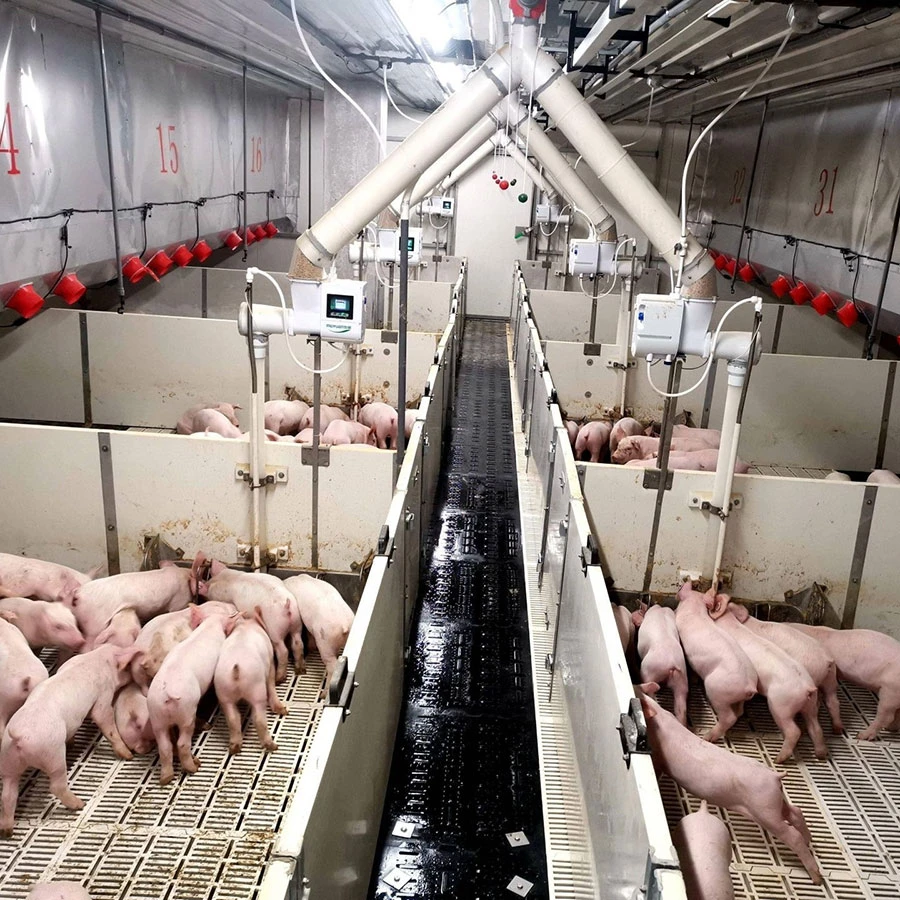
- Automation: Sensors now monitor sow comfort, piglet feeding habits, and environmental conditions, feeding data to apps to optimize care.
- Sustainable Materials: New composite plastics and recycled metals improve durability, lower environmental impact, and reduce farm waste.
- Enriched Housing Designs: Research focuses on giving sows greater mobility, natural behaviors, and mental stimulation inside farrowing areas.
- Green Energy Integration: Solar-powered heating pads and ventilation systems help farms reduce energy costs while improving comfort.
Honestly, it feels like this sector is on the cusp of a tech and welfare revolution — modular, smart, and eco-friendly pig housing aren’t futuristic anymore.
Common Challenges and How Experts Tackle Them
Resistance to change is a big one. Switching from traditional sow stalls to more advanced farrowing crates requires capital and training.
Some farms note increased labor demands initially as caregivers adapt. But many also invest in workforce education and management software to ease this transition.
Another issue: balancing piglet protection with sow movement. Current solutions include adjustable crates that expand after farrowing and materials that reduce injury risk.
FAQ: Your Top Questions About Sow Stall vs Farrowing Crate
Q1: What’s the main difference between sow stalls and farrowing crates?
A: Sow stalls are tight enclosures limiting sow movement during pregnancy, mainly for safety and easier management. Farrowing crates give sows slightly more space around birthing time to nurse piglets safely, reducing crushing risk.
Q2: Are farrowing crates always better than sow stalls?
A: Not necessarily — farrowing crates improve piglet survival and sow comfort but cost more and require more space. Farms must balance animal welfare goals with operational realities.
Q3: How does legislation affect sow stall use?
A: In many regions like the EU, sow stalls are banned or only allowed for limited times pre-farrowing. Farms must comply or face penalties, pushing adoption of alternative systems.
Q4: Can small farms benefit from switching to farrowing crates?
A: Yes, especially if piglet losses are high or if customers demand higher welfare standards. Though upfront costs exist, the return on healthier litters and better market access can justify investment.
Q5: Where can I learn more about improving sow housing on a budget?
A: Agricultural extension services, industry groups, and NGOs provide guides and sometimes subsidies. For more detailed discussions, check out sow stall vs farrowing crate and related resources.
Wrapping It Up: Why Sow Stall vs Farrowing Crate Still Matters
The choice between sow stalls vs farrowing crates is more than a technical detail — it’s a statement about sustainability, animal dignity, and farm futures. While farrowing crates currently strike the best balance, innovation means the story is still evolving. For farms, staying informed means staying competitive and responsible.
Want to dive deeper? Visit our website https://www.cxlivestock.com for more insights and practical solutions that work on the ground.
References:
Post time: Dec . 02, 2025