Why Stainless Cattle Troughs Matter More Than Ever
When you first hear stainless cattle trough, you might think, "Okay, just another farm fixture." But it’s way more interesting — and critical — than it sounds. Globally, agriculture and livestock sectors are under immense pressure to improve sustainability, animal welfare, and operational efficiency. Whether it's in the plains of Australia or the dairy farms of Europe, having reliable, hygienic, and durable water feeding solutions like stainless cattle troughs can make a world of difference.
Understanding why stainless steel has become the go-to material unveils a story of engineering, environmental responsibility, and economic sense. It’s a small piece of equipment that tackles big challenges: disease prevention, resource conservation, and even rural livelihoods. So, why should you care? Because feeding and watering livestock efficiently is foundational to food security everywhere.
Global Context: The Rising Need for Reliable Livestock Water Systems
According to the Food and Agriculture Organization (FAO), over 1.4 billion people depend on livestock for their livelihoods worldwide. Yet, many struggle with infrastructure that’s either outdated or vulnerable to climate extremes.
Water scarcity, contamination, and maintenance headaches plague livestock operations — and that’s before you get into health risks caused by poorly designed feeding systems. The UN’s Sustainable Development Goals emphasize “clean water and sanitation” as essential, extending far beyond human consumption to animal welfare as well. Stainless cattle troughs, by design, help address these issues in a straightforward way.
Think of a vast ranch in South America battered by drought. The traditional wooden or concrete troughs crack, leak, or become breeding grounds for bacteria. Switching to stainless steel changes the game as it’s corrosion-resistant and easy to clean, ensuring cattle always have access to fresh water. But it doesn’t end there — the industry is evolving fast, with a growing spotlight on sustainable materials and smart water management.
What Exactly Is a Stainless Cattle Trough?
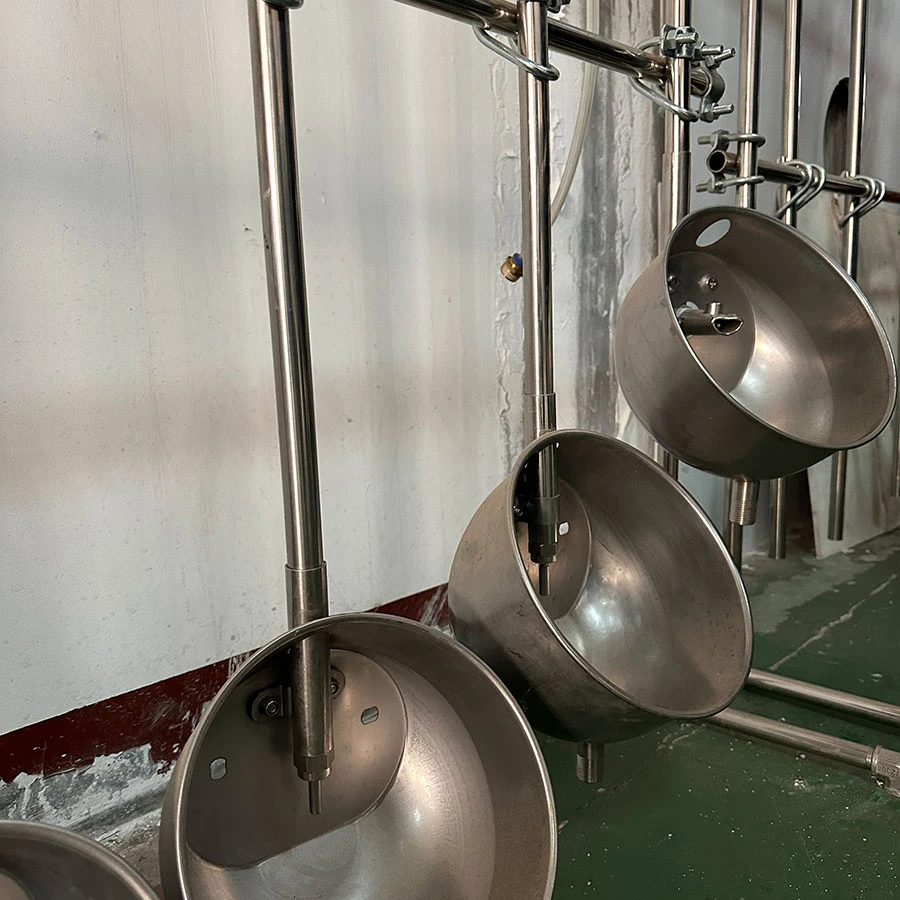
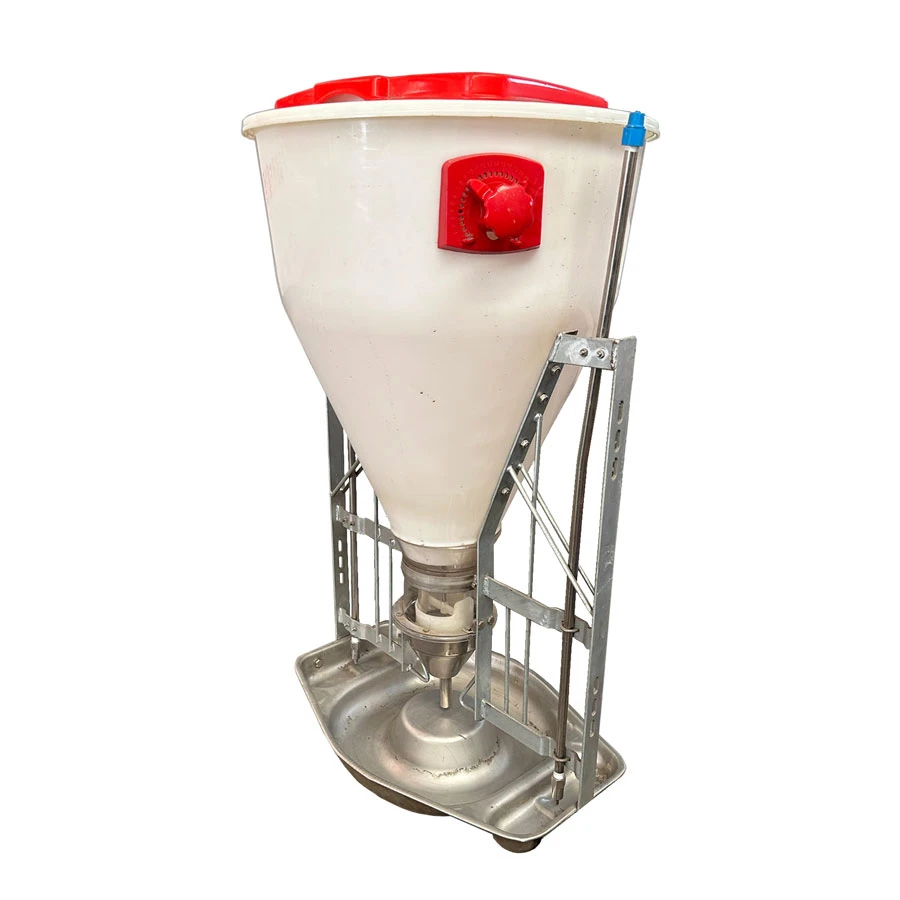
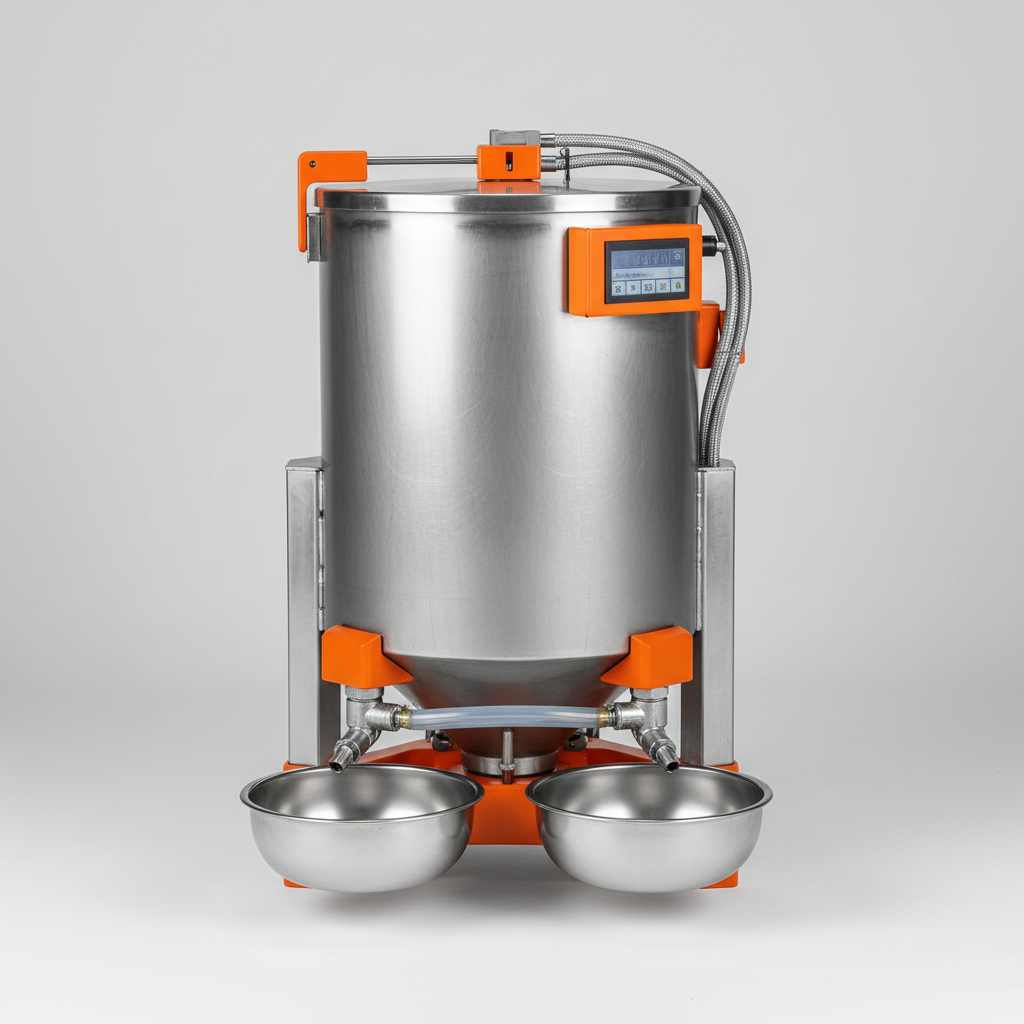
In simple terms, a stainless cattle trough is a livestock watering or feeding vessel made primarily of stainless steel. Unlike conventional troughs made from wood, plastic, or concrete, this one offers superior durability and hygiene. The stainless steel composition means resistance to rust, microbes, and physical damage.
More than just a bowl, they are often part of modern cattle management systems, sometimes integrated with automatic waterers or sensors. This highlights their connection not just to agriculture, but to humanitarian and environmental goals related to food safety and animal welfare.
Key Features You Should Know About
Durability: Built to Outlast Harsh Conditions
One of the strongest selling points is longevity. Stainless cattle troughs withstand extreme weather, abrasive usage, and chemical cleaning agents. For ranchers, this means fewer replacements and less downtime — translating into real savings.
Hygiene: Reducing Disease Risks
The smooth, non-porous surface deters bacterial growth. This aspect is crucial in preventing illnesses like leptospirosis or salmonella, which can devastate herds. Plus, regular cleaning is easier and more efficient, improving animal health overall.
Scalability: From Small Farms to Industrial Operations
Whether you run a boutique grass-fed beef operation or a multi-thousand-head dairy farm, stainless cattle troughs come in sizes and configurations to fit your needs. Their modularity supports flexible management systems — an advantage that shouldn’t be underestimated.
Cost Efficiency: A Smart Investment Over Time
Initial costs may be higher than basic models, but the total cost of ownership is often lower. Maintenance savings, reduced water waste (thanks to better sealing designs), and longer lifespan tip the scales toward stainless steel quite easily.
Mini takeaway: Durability, hygiene, and cost-efficiency together make stainless cattle troughs a compelling upgrade over traditional options.
How Stainless Cattle Troughs Are Used Around the World
Across continents, stainless cattle troughs have found diverse applications:
- Australia & New Zealand: Large-scale cattle ranches use corrosion-resistant troughs to combat harsh sun exposure and watering cycle needs.
- European Dairy Farms: Prioritize cleanliness and automated integration — stainless steel’s hygienic properties shine here.
- Africa (Livestock Development Programs): NGOs introduce stainless troughs during livestock improvement projects, improving rural livelihoods and food security.
- Post-disaster Relief Efforts: After floods or droughts, quick-to-clean durable troughs reduce disease risks when livestock need rapid rehydration support.
For example, a project in Kenya deploying stainless cattle trough systems reported a significant drop in waterborne diseases and a boost in milk production within months.
Typical Product Specifications of Stainless Steel Cattle Troughs
| Specification | Details |
|---|---|
| Material Grade | 304 or 316 Stainless Steel (corrosion-resistant) |
| Capacity | 100 to 1000 liters (varies by model) |
| Dimensions | Customizable length & width, typically 1.2m x 0.5m x 0.4m |
| Installation | Freestanding or embedded (ground/floor) |
| Cleaning | Easy to wash, compatible with sanitizers |
| Accessories | Optional float valves, sensors, water pumps |
Comparing Top Vendors for Stainless Cattle Trough Solutions
| Vendor | Material Quality | Customization Options | Pricing Range | After-Sales Support |
|---|---|---|---|---|
| AgriSteel Inc. | 316 Duplex Stainless | High (custom sizes & features) | $$$ | Onsite & Remote |
| Livestock Solutions Ltd. | 304 Stainless Steel | Medium | $$ | Phone & Email |
| FarmTech Equip. | 316 Stainless Steel | Basic (standard sizes) | $ | Limited |
Advantages That Make the Difference
Beyond the metal itself, stainless cattle troughs bring big-picture value. They slash water contamination risks — that’s a direct win for both animals and farm economies. Reliable water means healthier cattle, fewer vet costs, and better product yield.
Emotionally, farmers often talk about “peace of mind” knowing their herds have clean, constant water access. It’s about dignity for livestock and a sign of good stewardship.
Sustainability is also a key driver. In many cases, stainless troughs are recyclable at end-of-life, and their low maintenance reduces chemical use. This fits nicely with a growing ecological mindset in agriculture worldwide.
What’s Next? Future Trends in Stainless Cattle Troughs
The future hints at "smart" troughs — embedded sensors monitor water quality and consumption, sending alerts when refills or cleaning are needed. Some startups are experimenting with solar-powered pumping systems to optimize water use in remote locations.
Material science is also pushing boundaries — new alloys and coatings aim to further resist biofilm buildup or extreme weather impact. It feels like stainless steel troughs are just the foundational part of a much more tech-integrated livestock watering system.
Common Challenges and How To Solve Them
For all their benefits, stainless cattle troughs aren’t perfect. Installation costs can be higher upfront. Some remote farms might struggle with accessing replacements or repairs. Inappropriately sized troughs can lead to water waste or animal stress.
To solve this, consulting with suppliers who offer customization and support ensures the right fit. Plus, integrating automated cleaning cycles can minimize labor. NGO programs educating farmers about installation and use have also proven very effective in underserved regions.
FAQ: Frequently Asked Questions About Stainless Cattle Troughs
- Q: How much maintenance does a stainless cattle trough require?
- A: Thanks to stainless steel’s smooth surface, cleaning is generally simple and infrequent. Regular rinsing combined with periodical sanitation keeps troughs hygienic. This reduces the risk of disease and extends product life.
- Q: Are stainless steel troughs suitable for cold climates?
- A: Absolutely. Stainless steel resists cracking or warping from freeze-thaw cycles better than plastic or concrete. With proper insulation or heating elements, they function year-round even in freezing temperatures.
- Q: Can these troughs be customized for specific herd sizes?
- A: Yes, many manufacturers offer bespoke sizes and configurations to match various herd requirements, ensuring adequate water capacity and accessibility.
- Q: Is investing in stainless cattle troughs cost-effective for small farms?
- A: While upfront costs may be higher, small farms benefit from long-term savings in repairs and animal health. Plus, better water management can improve productivity and reduce waste.
- Q: How does stainless steel compare environmentally to plastic troughs?
- A: Stainless steel is far more durable and recyclable, producing less waste over time. Although production is energy-intensive, its longevity balances this out, leading to improved sustainability overall.
Wrapping It Up: Why Stainless Cattle Troughs Are Worth the Investment
If I had to sum it up, stainless cattle troughs are a quietly transformative tool. They offer smarter water management that supports healthier herds, stronger farm economics, and better environmental outcomes. Especially as climate stress and global food needs intensify, upgrading watering systems isn’t just good practice — it’s vital.
To explore high-quality stainless cattle trough options, technical specs, or customer support, visit our website. It might just be the upgrade your operation needs.
References & Further Reading
Post time: Dec . 02, 2025