Why Swine Flooring Matters: A Quick Overview
Swine flooring might not sound like the most glamorous part of livestock management, but anyone who's spent time around pig farms knows it’s a dealbreaker. It’s the foundation — literally — of healthy, productive herds and safe working conditions. Globally, if you think about animal welfare standards, biosecurity, and environmental impact, swine flooring suddenly becomes central to sustainable farming and regulatory compliance.
Understanding different types of swine flooring unlocks benefits: better hygiene, improved animal comfort, cost savings for farmers, and fewer escapes of waste or disease. So, while it might seem niche, the ripple effects are wide. This article dives into why swine flooring matters across the board.
Global Context: The Growing Importance of Swine Flooring
The swine industry crosses continents and cultures — roughly 1 billion pigs worldwide, according to FAO statistics, creates an enormous footprint. As demand for pork keeps rising globally, efficient and humane livestock infrastructure must keep pace. Proper swine flooring is more than just practical; it’s an industry necessity linked closely to global food security.
Yet, challenges persist. According to the World Health Organization, zoonotic diseases can spread more easily in poorly managed environments — and flooring is often the frontline. Slippery, damaged, or unsanitary flooring increases injuries to animals and handlers, not to mention contamination risks that cascade into public health.
Hence, farmers and agribusinesses worldwide constantly juggle cost, durability, and animal welfare when choosing flooring systems tailored to their conditions — be it in the U.S. Midwest or Southeast Asia’s tropical climate.
What Exactly Is Swine Flooring?
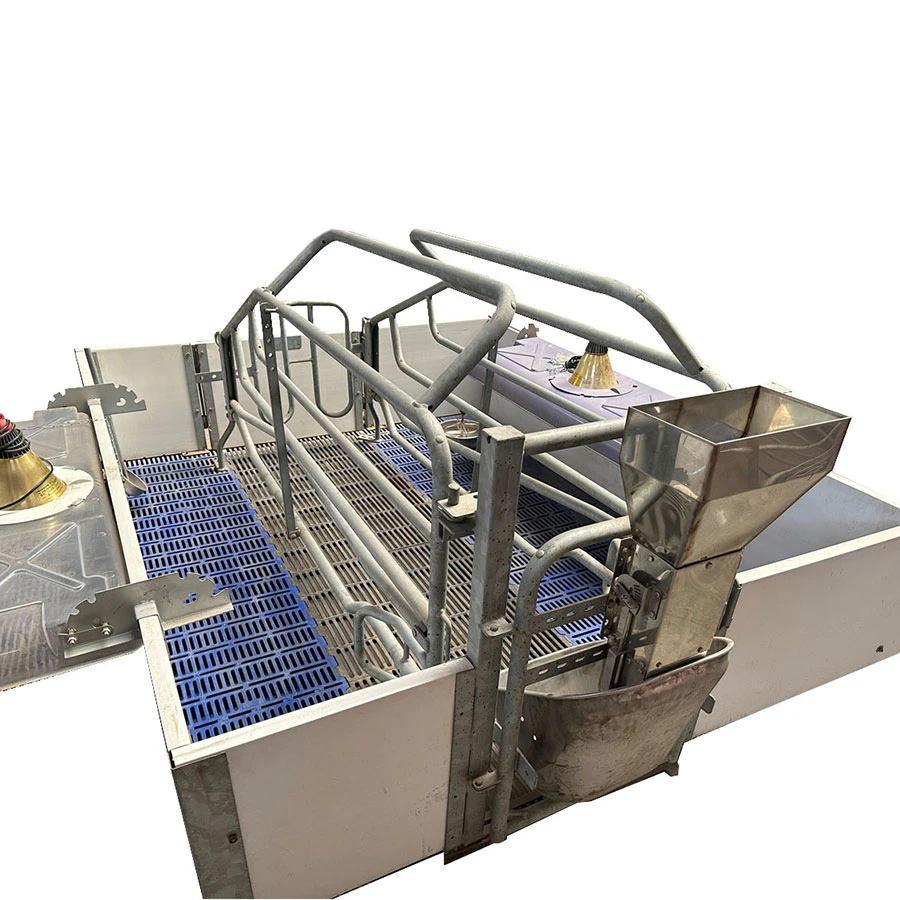
Simply put, swine flooring is the surface on which pigs live and move daily within a farm or housing unit. It ranges from slatted concrete to rubber mats to plastic composites, each designed to meet certain goals: solid footing, drainage, durability, ease of cleaning, and comfort.
In modern livestock systems, especially intensive indoor facilities, flooring must do more than support weight. It must facilitate manure management, minimize injuries, and control odors — all while standing up to millions of hoofbeats. So, swine flooring sits at the crossroads between animal welfare science, material engineering, and practical farm economics.
Key Components and Considerations of Swine Flooring
1. Durability
Swine floors see a lot of traffic — more than you might think. Constant scratching, biting, and moisture erode surfaces quickly if materials aren’t selected carefully. Concrete is common for its toughness, but may crack or wear unevenly, demanding repair or replacement. Some newer composite floors resist wear and chemical attack better, though at a higher upfront cost.
2. Hygiene & Drainage
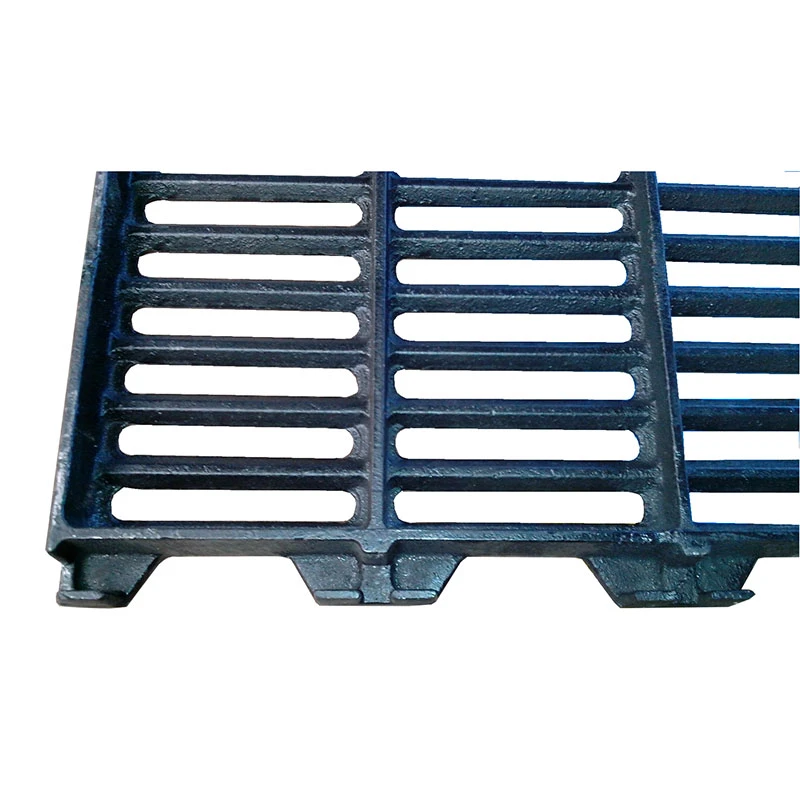
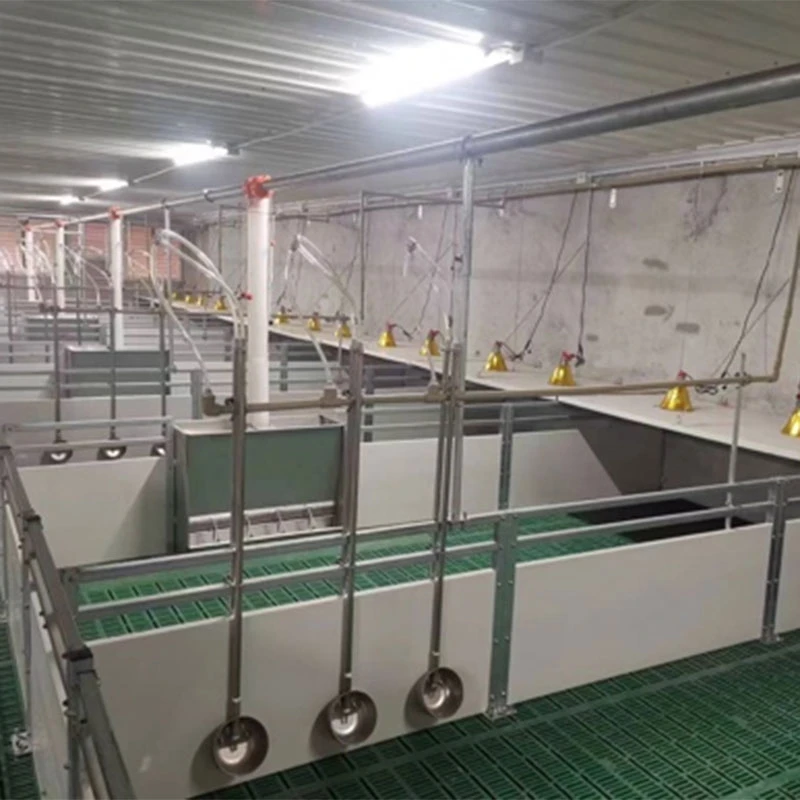
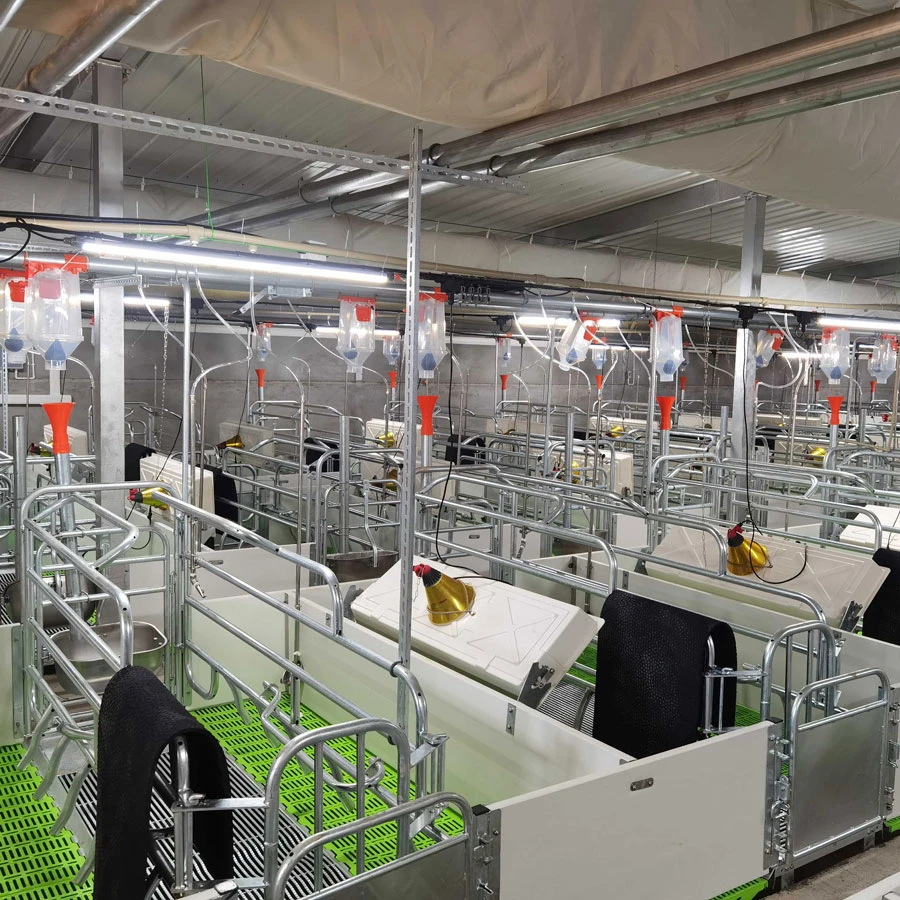
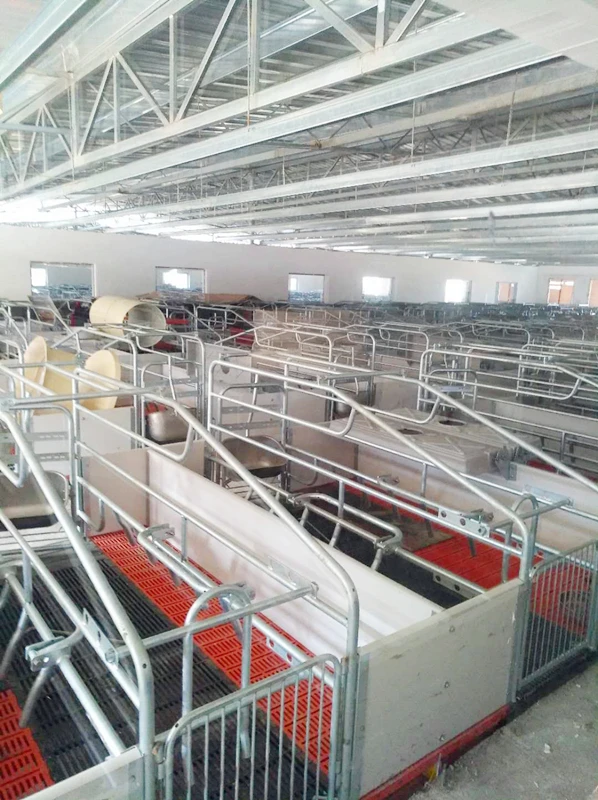
Waste management is a big piece of the flooring puzzle. Slatted floors, for example, allow manure to fall through gaps, keeping animals dryer and cleaner. In turn, this reduces the spread of pathogens. Proper slat size and placement is key — not too wide to trap hooves, not too narrow to trap waste.
3. Animal Comfort & Welfare
Pigs are surprisingly sensitive to floor texture. Cold, hard floors can cause joint stress and lameness. Rubberized mats or cushioned surfaces offer better ergonomics, encourage more natural behaviors, and reduce injury risk. For outdoor or freerange systems, softer earth or straw bedding is still preferred.
4. Cost Efficiency
Farmers balance upfront installation expense against maintenance and longevity. While polished concrete might be cheapest initially, harder-to-clean surfaces may spike labor costs. Rubber composites, though costly, can lower overall lifetime expense by reducing veterinary costs and replacements.
5. Scalability & Adaptability
Whatever the farm size — from family-run to industrial complexes — flooring should adapt. Modular flooring panels, for example, enable quick repairs and system upgrades, keeping downtime minimal.
Swine Flooring Products: Specifications at a Glance
| Product | Material | Slat Width | Weight Capacity | Estimated Lifespan | Price (per m²) |
|---|---|---|---|---|---|
| Concrete Slatted Floor | Precast Concrete | 30-40 mm | 400 kg | 10+ years | $18 - $25 |
| Rubber Mat Flooring | Recycled Rubber | Solid Sheet | 200 kg | 5-7 years | $45 - $60 |
| Plastic Modular Slats | High-Density Polyethylene (HDPE) | 20-25 mm | 300 kg | 8-10 years | $30 - $40 |
Global Applications and Real-World Use Cases
Swine flooring solutions vary widely around the globe, adapting to climates, farming techniques, and, oddly enough, cultural expectations.
- Europe: In countries like Denmark and the Netherlands, strict animal welfare laws drive adoption of rubber mats and precision-slatted concrete that reduce injuries and enable easier cleaning.
- China & Southeast Asia: Mixed-use flooring combining plastic modules with concrete slabs help farmers quickly expand herd sizes while controlling hygiene in humid environments.
- United States: Large-scale CAFOs (Concentrated Animal Feeding Operations) favor durable slatted floors with integrated waste flushing systems to support heavy animal loads and automated cleaning.
Take this: a midwestern US farm I visited last year replaced old wooden flooring with rubber mats. The reported lameness rates dropped by half, improving both animal well-being and farmer profits.
In remote or post-disaster relief farming, modular plastic floors are prized for fast installation and ease of sanitation, preventing disease flare-ups where veterinary services are scarce.
Advantages and Long-Term Value of Quality Swine Flooring
Good flooring isn’t just about a decent surface for pigs to stand on. It’s a long-term investment. Some tangible benefits include:
- Cost Savings: Reduced veterinary costs due to fewer foot injuries, less labor-intensive cleaning, and longer floor replacement cycles.
- Sustainability: Materials like recycled rubber or redesigned plastics align with green farming practices.
- Animal Welfare: Comfortable floors improve pig mobility and reduce stress, which translates to better growth rates and product quality.
- Social Impact: Healthier livestock means safer food products, benefitting communities at large.
Frankly, flooring quality can build trust between producers and consumers — a kind of silent promise that animals were treated right.
Today's Innovations and Tomorrow's Trends
We’re seeing cool new directions in swine flooring technology —
- Smart Flooring: Embedded sensors that monitor animal movement and detect lameness early.
- Bio-based Composites: Using renewable materials to replace plastics and concrete, improving biodegradability.
- Automated Cleaning Systems: Integrated with slatted floors, reducing human labor and pathogen buildup.
- Improved Modular Designs: Easier to swap damaged sections with minimal downtime.
It feels like farming is entering a digital transformation where infrastructure talks back… or at least gives data to farmers who can then adapt strategies more precisely.
Challenges with Swine Flooring and How to Solve Them
Of course, no system is perfect. Common challenges include:
- Initial Installation Cost: High-quality materials can be pricey — but smart financing and phased installation can ease the load.
- Wear and Tear: Floors still degrade, especially in extreme climates. Regular maintenance is key.
- Injury Risk from Poor Design: Ill-fitting slats or slippery surfaces cause lameness, so specifications and vendor expertise matter a lot.
Many engineers recommend collaborating closely with vendors and even testing flooring prototypes onsite before committing to large installs.
Swine Flooring FAQ
- What types of flooring are best for piglets versus adult hogs?
- Piglets prefer softer, warmer surfaces like rubber mats to support their delicate joints, while adult hogs require durable, slatted floors for waste management and heavy weight support.
- How often should swine flooring be replaced?
- Generally, concrete floors last over 10 years, but rubber mats may need replacement every 5–7 years. Regular inspections help detect early wear or damage.
- Is installing slatted flooring complicated?
- Installation demands precision. Slat width and spacing must be exact to prevent injury, and proper drainage beneath is crucial. Many farms hire specialized contractors for this.
- Can swine flooring improve disease control?
- Absolutely. By facilitating rapid manure removal and maintaining drier conditions, appropriate flooring reduces pathogen buildup and lowers infection risks.
- Is custom swine flooring worth the investment?
- Custom solutions tailored to farm scale, animal type, and climate can dramatically improve productivity and animal health—worth every penny in the long run.
Swine Flooring: A Lasting Foundation for Better Farming
Ultimately, the right swine flooring shapes how pigs live and how farms operate in the long term. From improving animal welfare to boosting cost efficiency and reducing environmental impacts, investing thought and resources here pays dividends in many forms. As technologies evolve — and farms grow smarter — keeping flooring at the top of the agenda is just good sense.
Curious to upgrade your facilities or want more details? Visit our website at https://www.cxlivestock.com for the latest products and guidance.
Vendor Comparison: Top Swine Flooring Solutions
| Vendor | Flooring Types Offered | Delivery Time | Warranty | Custom Options | Region Availability |
|---|---|---|---|---|---|
| PorcTec Floors | Concrete Slats, Rubber Mats | 2-4 weeks | 10 years | Yes | North America, Europe |
| AgroSlat Solutions | Plastic Modular Slats | 3-5 weeks | 8 years | Limited | Asia, Europe |
| EcoFarm Mats | Recycled Rubber Mats | 1-3 weeks | 5 years | Yes | Global |
Picking a vendor is part science, part gut feeling — but doing your homework pays off. Look beyond just price; warranties, lead times, and customer service tell the real story.
Final Thoughts
Swine flooring might feel like a small piece of a really big puzzle, but it sets the tone for animal health, farm profitability, and sustainable practice — all essential in feeding a growing global population. It's one of those behind-the-scenes heroes on the farm, quietly supporting daily life for millions of pigs and everyone who depends on them. Nobody said it was glamorous, but heck, it is important.
Feel inspired to explore your swine flooring solutions? Head on over to https://www.cxlivestock.com and see how smart choices can make a lasting difference.
References:
Post time: Dec . 02, 2025