Understanding Swine Nursery Flooring: Why It Matters in Today’s Global Farming Landscape
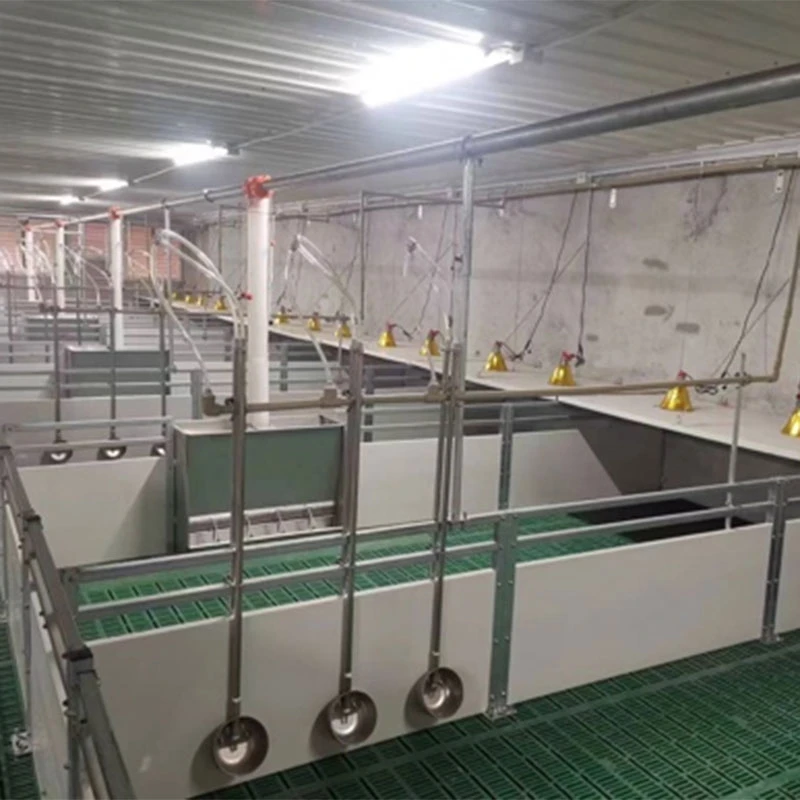
If you've ever walked into a modern swine nursery, you might have overlooked one of its most critical components — the flooring. Swine nursery flooring is more than just a place for piglets to toddle; it’s a thoughtfully designed system engineered to promote animal health, enhance farm hygiene, optimize costs, and even impact environmental sustainability. Globally, the demand for efficient swine nursery flooring is rising, primarily as pork production scales to meet the protein needs of ever-growing populations.
On a broad scale, swine nursery flooring reflects a fascinating intersection of agricultural engineering, animal welfare, and supply chain efficiency. Why should this niche topic hold your attention? Because the choice of flooring can make or break nursery success — poor flooring can lead to disease outbreaks, increased mortality, and financial losses that ripple throughout the supply chain. Conversely, well-designed flooring promotes animal comfort and growth performance, offers easier manure management, and can even reduce greenhouse gas emissions.
---
Swine Nursery Flooring in a Global Context: Feeding a Growing World
Globally, pork remains one of the most consumed meats — the Food and Agriculture Organization (FAO) reports that over 110 million tonnes are produced worldwide annually, with Asia accounting for nearly 60% of that total. As pig farming intensifies, particularly in emerging economies, swine nursery flooring faces new challenges: managing waste efficiently, ensuring biosecurity, and adapting to automated systems.
Unfortunately, in many developing regions, outdated flooring materials (like dirt floors or simple wooden slats) still prevail, leading to higher infection rates and slower piglet development. According to the World Bank, improved farm infrastructure, including nursery flooring upgrades, could boost piglet survival rates by up to 15% in some countries — translating to millions of dollars saved and enhanced food security.
But beyond economics, these floors are frontline defenses against disease-spread — think African Swine Fever or Porcine Respiratory Disease. Choosing the right flooring is not trivial; it has consequences that ripple far beyond the farm gate.
---
What Exactly Is Swine Nursery Flooring?
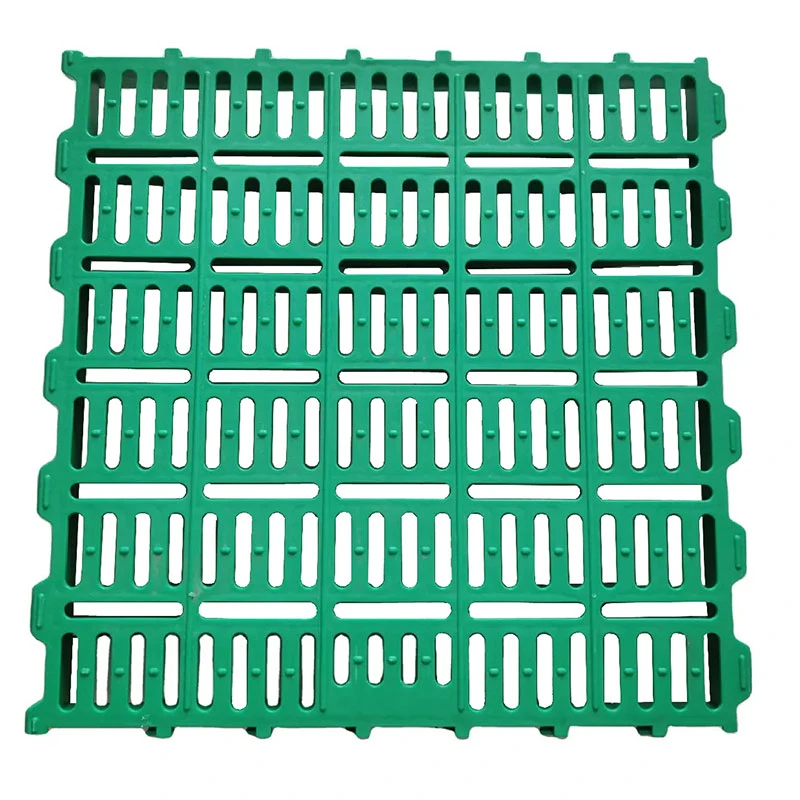
In essence, swine nursery flooring refers to the specialized floor surfaces designed to house young pigs (nursery pigs typically aged 3 to 8 weeks). Unlike floors you might find in homes or factories, this flooring must be durable, slip-resistant, well-draining, and comfortable for fragile piglets.
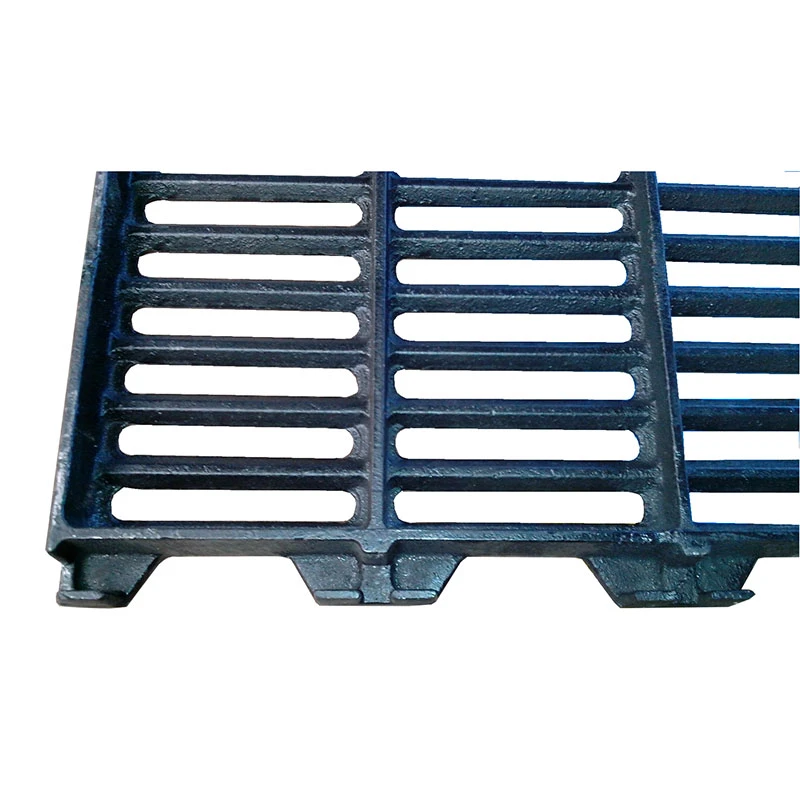
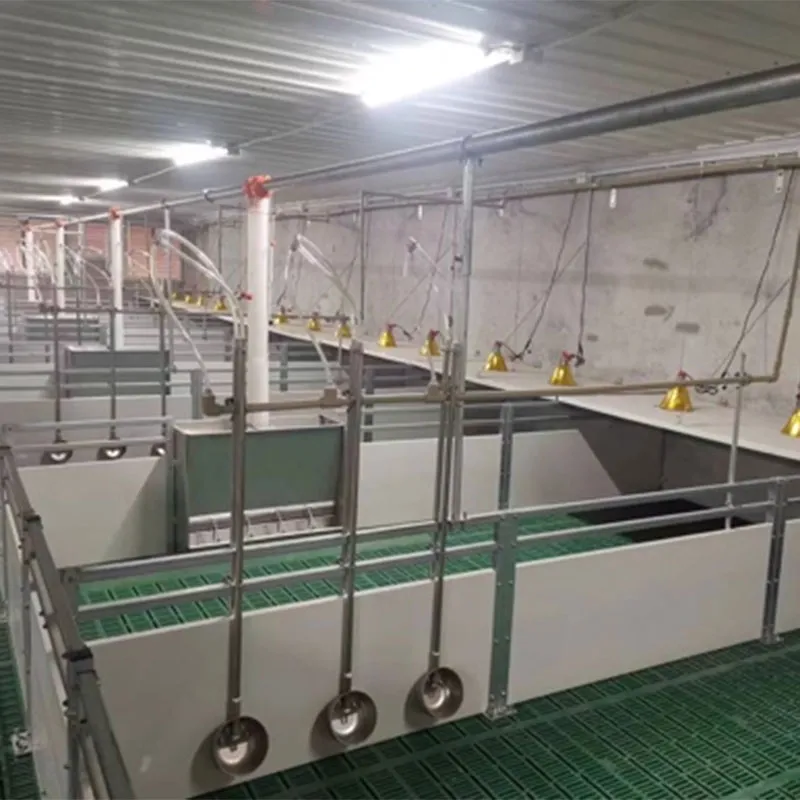
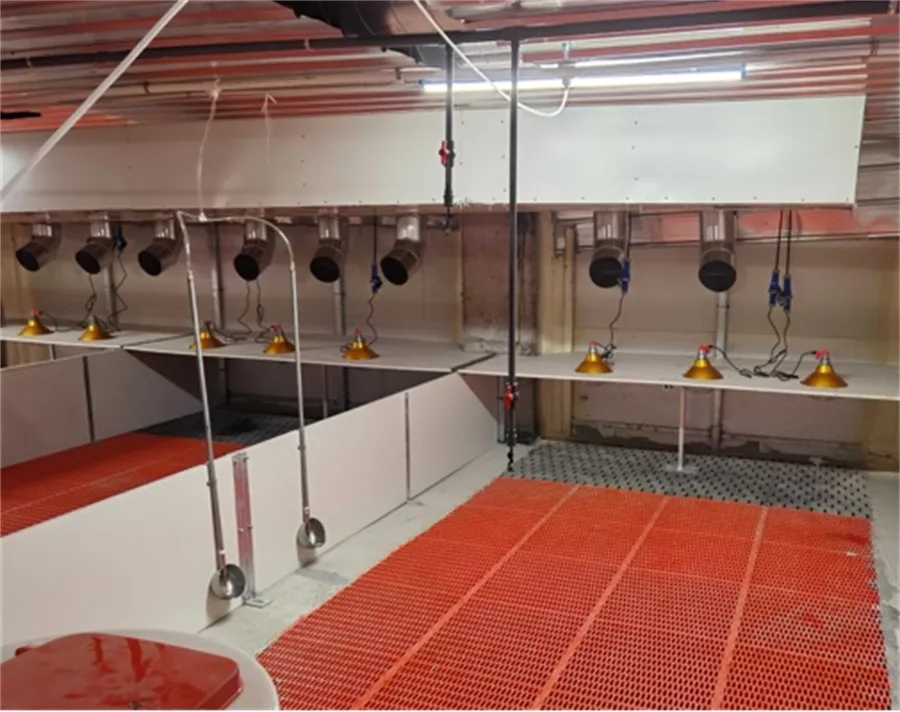
Materials commonly include plastic slats, concrete slotted floors, rubber mats, or hybrids thereof — each engineered with ventilation and drainage in mind. The connection to modern farming is clear: nursery floors mitigate ammonia buildup, improve manure removal, and create an environment in which piglets can thrive without constant human intervention.
Oddly enough, many don’t realize how closely swine nursery flooring ties into animal welfare standards mandated by global organizations like the International Organization for Standardization (ISO) — which now frames flooring design within sustainability and biosecurity contexts.
---
Core Components of Effective Swine Nursery Flooring
1. Durability
Nursery floors must withstand heavy daily use. Many farmers recall floors cracking or warping under the weight of moisture and piglet movement. Modern molded plastic slats, reinforced concrete, and composite materials stand out for lasting 10+ years even under rigorous cleaning and daily pig activity.
2. Biosecurity & Hygiene
A great floor discourages bacterial buildup. Materials should resist absorbing waste and have designs promoting quick drainage. Some floors incorporate antimicrobial surfaces or textures that discourage pathogen colonies — critical to preventing outbreaks.
3. Comfort & Safety
Piglets have sensitive feet and joints. Slatted floors with the wrong spacing or sharp edges can cause injuries. Soft rubberized coatings or rounded edges balance hygiene with animal comfort — promoting better weight gain and reducing lameness.
4. Cost Efficiency & Scalability
Farmers juggle budget constraints with functionality. Pre-fabricated modular flooring systems allow scalability — from small farms to large industrial operations. Some floors require less maintenance, reducing labor costs significantly.
5. Environmental Impact
Did you know flooring affects ammonia emissions? Well-drained floors that separate piglets from manure reduce harmful gas accumulation, improving air quality for workers and animals alike. Some innovative floors now claim lower carbon footprints during manufacturing or incorporate recycled materials.
Mini takeaway: The perfect swine nursery floor balances strength, hygiene, comfort, cost, and environmental impact — no small feat!
---
Where You’ll Find Swine Nursery Flooring Making a Difference
From Iowa’s vast pork operations to Denmark’s cutting-edge farms, optimized nursery flooring is a universal standard. In parts of Asia — especially China and Vietnam — rapid industrialization propels local farmers toward adopting plastic slats and advanced composites.
In developing countries, NGOs working on food security increasingly advocate for nursery floor upgrades as part of community livestock programs. For example, in post-disaster areas in the Philippines, upgrading nursery floors improved piglet survival and provided economic resilience for families reliant on backyard farming.
Also, large commercial integrators such as Smithfield Foods and Danish Crown invest heavily in these flooring systems to maximize productivity and meet welfare certifications.
---
Swine Nursery Flooring Specifications: What to Expect From a Good Product
| Specification |
Typical Value/Option |
Importance |
| Material |
High-density polyethylene (HDPE), Reinforced Concrete |
Durability & cleanability |
| Slat Width |
25-30 mm |
Safety & waste drainage |
| Load Capacity |
300–500 kg/m² |
Longevity under use |
| Surface Texture |
Non-slip, rounded edges |
Piglet safety |
| Installation Method |
Modular panels with snap-fit or bolt-down |
Ease of repair and scalability |
---
How Top Vendors Stack Up: A Quick Comparison
| Vendor |
Material Options |
Customization |
Price Range |
Unique Features |
| AquaFloors Inc. |
HDPE Plastic, Rubber Mats |
High (sizes & textures) |
$$$ |
Antimicrobial coating |
| FarmSteel Solutions |
Reinforced Concrete |
Medium (pre-set panels) |
$$ |
High load capacity |
| GreenGrow Tech |
Recycled Plastics, Composite |
High (eco-friendly options) |
$$$ |
Low carbon footprint |
---
Long-Term Benefits of Swine Nursery Flooring
Jumping back to the big picture — good nursery flooring doesn’t just pay off financially; it changes lives. By cutting disease risks, farms avoid heartbreaking losses and costly treatments. Efficient manure management promotes cleaner air and less odor, leading to happier workers and neighbors.
Psychologically, improved flooring underscores a farmer’s commitment to animal welfare, a value gaining importance worldwide. It boosts trust with consumers increasingly concerned about how their food is raised.
Further, as sustainability gains traction, floors that reduce emissions and use recycled materials contribute positively to global climate goals — aligning with ISO sustainability standards in agriculture.
---
Emerging Trends and Innovations in Swine Nursery Flooring
The future is surprisingly high-tech. Imagine floors embedded with sensors tracking humidity, piglet movement, or early signs of illness. Some startups are experimenting with antimicrobial nanocoatings that self-clean. Others focus on fully modular floors made from biodegradable plastics, striking a sweet balance between performance and eco-consciousness.
Automation also ties in — think of robotic manure scrapers precisely timed with monitoring systems. Policies in the EU and North America push for flooring materials that minimize environmental damage and maximize welfare.
Frankly, it feels like swine nursery flooring is on the brink of a small revolution — quietly but fundamentally reshaping the pig farming landscape.
---
Common Challenges and How Industry Experts Suggest Overcoming Them
The reality? Not every farm can afford the top-tier floors. Cost remains a barrier, especially in developing countries. Also, installation can be tricky — poorly fitted floors cause discomfort or breakage.
Experts suggest a phased approach: starting with hybrid floors combining concrete frames and replaceable plastic slats as a cost-effective middle ground. Training farm staff on cleaning and repair routines extends floor lifespan significantly.
Ventilation combined with flooring innovation is key to cutting ammonia levels. Also, suppliers often collaborate with farmers to customize flooring to regional conditions — no “one-size-fits-all” here.
---
FAQ: Your Questions About Swine Nursery Flooring, Answered
- Q: What flooring material is best for preventing piglet injuries?
A: Plastic slatted floors with rounded edges and a non-slip surface are widely considered best. They reduce abrasions and foot problems compared to rough concrete. However, adding rubber mats in critical walk areas can provide extra cushioning.
- Q: How often should swine nursery floors be replaced?
A: Depending on material and usage, flooring typically lasts 7–12 years. However, regular inspections for cracks or damage are vital since even small defects can harm piglets or cause sanitation issues.
- Q: Can swine nursery flooring help control disease outbreaks?
A: Absolutely. Efficient drainage and antimicrobial surfaces lower pathogen survival times. Combined with good cleaning protocols, proper flooring is a frontline defense in biosecurity.
- Q: Are there eco-friendly flooring options available?
A: Yes, more vendors now offer recycled plastic floors and biodegradable composites. These reduce environmental footprints without compromising durability or hygiene.
- Q: Is installing modular floors cost-effective for small farms?
A: Modular systems reduce upfront costs since you can install panels gradually and perform targeted repairs. Small-scale farmers often find this scalable and flexible compared to full-floor replacement.
---
In Summary — Why Swine Nursery Flooring Deserves Your Attention
On balance, swine nursery flooring might not be glamorous, but it fundamentally shapes piglet welfare, farm efficiency, and sustainability. It’s a small detail that, frankly, can swing success or failure.
If you’re involved in pig farming, feed production, or agricultural infrastructure, getting the right flooring solution is a no-brainer. Investing smartly now can boost productivity, reduce losses, and align your operations with global sustainability ambitions.
For those interested in learning more or upgrading their systems, visit
swine nursery flooring — a great resource for products, case studies, and expert advice.
---
References & Further Reading
- FAO Pork Production Statistics
- ISO Standards in Agriculture
- World Bank Agricultural Development