Why Swine Plastic Flooring Matters in Modern Livestock Management
You might wonder, “What’s so special about swine plastic flooring?” Well, it’s more than just a surface for pigs to stand on — this innovation is quietly transforming swine farming worldwide. From improving animal welfare to enhancing farm sanitation and even reducing environmental footprint, understanding this flooring technology offers some surprisingly wide-reaching benefits. In fact, with global pork production topping nearly 120 million tonnes yearly (per FAO), smarter and sustainable flooring can impact both productivity and sustainability on a grand scale.
Global Context: The Rising Need for Efficient Swine Housing Solutions
In a rapidly urbanizing world, livestock farming is under pressure to meet growing protein demands while remaining environmentally conscious. According to the World Bank, pig farming constitutes a significant share of global meat production, especially in East Asia and parts of Europe. Yet many farms suffer challenges like poor hygiene, disease outbreaks, and inefficient waste management — often tied directly to the type of flooring installed.
Swine plastic flooring addresses these challenges by offering a hygienic, durable, and cost-effective alternative to traditional concrete or wooden slats. It supports better waste drainage and reduces injury risk, which translates into healthier herds and less productivity loss. Given these advantages, its adoption rate is expanding globally, particularly in export-driven markets.
Mini takeaway: The intersection of animal welfare and operational efficiency is pushing swine plastic flooring into the spotlight worldwide.
What Exactly Is Swine Plastic Flooring?
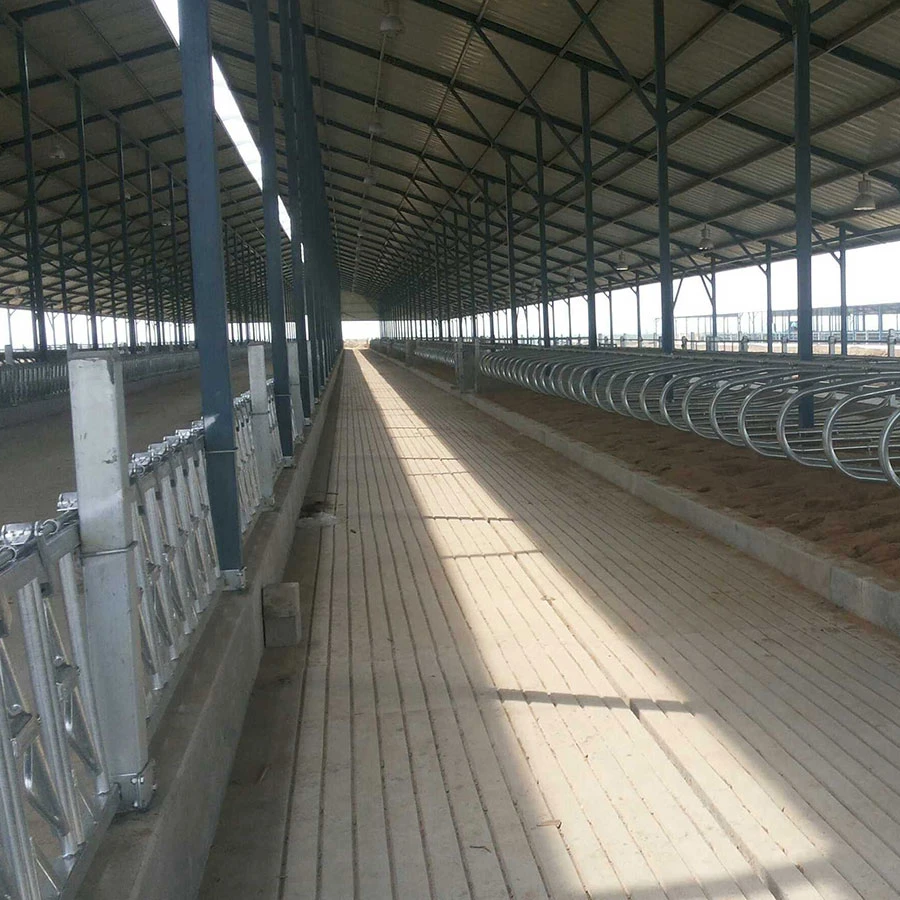
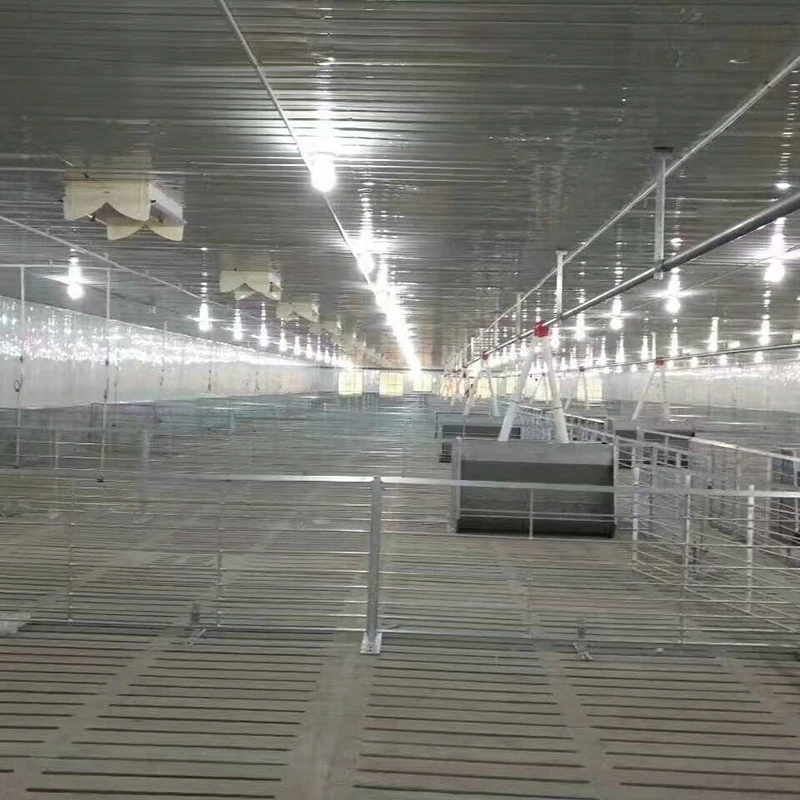
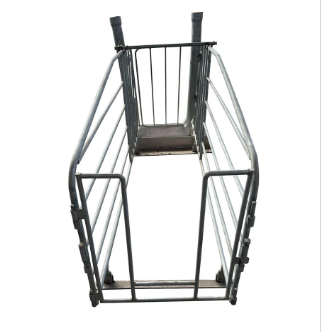
Put simply, swine plastic flooring refers to specially designed plastic panels or slats installed as the walking and standing surface in pig pens. These floors have holes or slots to allow waste to drop through, keeping the pen cleaner and drier. Made from high-density polyethylene (HDPE) or polypropylene, they’re tough enough to withstand the heavy weight and activity of pigs — yet comfortable to reduce stress and injury.
In many ways, this flooring is an industrial upgrade, aligning traditional husking and raising techniques with modern design thinking. More importantly, it's part of a broader movement to improve biosecurity and environmental impact across animal agriculture.
Core Components of Effective Swine Plastic Flooring
Durability and Strength
Many engineers I've spoken with emphasize how critical durability really is. These floors must resist heavy loads, abrasion, and chemical cleaning agents for years without cracking or warping. Look for impact-resistant plastics combined with reinforced structural designs.
Slip Resistance
Safety first! Pigs need secure footing, especially newborn piglets or older animals with mobility issues. Specialized surface textures increase grip without causing excessive wear on hooves — a surprisingly tricky balance to strike.
Drainage Design and Waste Management
Glorious little gaps, slots, or perforations facilitate waste to pass quickly into collection systems below. Efficient drainage means a cleaner pen, reducing ammonia build-up and respiratory problems while lessening manual cleaning labor.
Ease of Installation and Maintenance
Modular panels allow quick replacement or reconfiguration. I noticed some farms swapping just damaged sections rather than ripping up entire floors. Plus, easy-to-clean materials mean less downtime.
Cost Efficiency
Upfront costs are often comparable to concrete, but long-term savings in labor, veterinary bills, and productivity typically make swine plastic flooring an economical choice.
Specifications at a Glance
| Feature | Typical Value/Range | Notes |
|---|---|---|
| Material | HDPE / Polypropylene | UV-stabilized for outdoor use |
| Panel Size | 60 cm × 40 cm (approx.) | Modular for flexible layouts |
| Weight Capacity | Up to 500 kg per panel | Suitable for all swine growth stages |
| Drainage Slots | Slot width: 10-15 mm | Prevents hoof entrapment |
| Surface Texture | Embossed, anti-slip | Optimizes hoof health |
| Lifespan | 7 – 10 years | Depends on maintenance and environment |
Global Footprint: Use Cases from Farm to Factory
Swine plastic flooring has found its way into rooftop farms in densely populated cities across Asia, large-scale commercial operations in North America, and smallholder farms improving biosecurity in Latin America. An interesting example is how some European farms have integrated these plastic floors with automated waste removal, enhancing efficiency and reducing human contact with waste.
In disaster-prone zones, quick deployment of plastic slatted floors helps rebuild livestock shelters fast, improving recovery speed and minimizing disease risk. Even NGOs working in refugee camps have begun trialing these as part of animal husbandry kits — safe spaces for animals that are both hygienic and comfortable.
Mini takeaway: Whether you’re in Iowa, Jiangsu, or São Paulo, the practical benefits of swine plastic flooring make it an attractive investment with local and international impact.
Why Invest in Swine Plastic Flooring? The Advantages Are Surprising
- Improved Animal Welfare: Softer, warmer, and cleaner surfaces keep pigs comfortable, reducing stress-related behaviors and injuries.
- Enhanced Hygiene: Floors that efficiently drain waste lower disease transmission risks.
- Labor Savings: Easier cleaning routines mean less human effort and downtime.
- Environmental Sustainability: Less ammonia emissions and better waste management help farms comply with stricter regulations.
- Cost Savings: Despite initial expense, long-lasting materials and reduced vet bills save money over time.
Fundamentally, investing in better flooring turns into investing in trust — trust from consumers, regulators, and the animals themselves.
Looking Ahead: Innovations in Swine Flooring
Roughly, the future looks bright and plastic-y in a good way. Research is underway on bio-based plastics and recyclable composites as alternatives to traditional polymers, which would reduce ecological footprints even further. Some startups are even layering flooring with sensors to monitor pig movement and behavior, integrating flooring into digital herd management systems.
Policy trends that favor sustainability will likely promote these innovations — perhaps even subsidies for eco-friendlier farming setups. Frankly, it feels like the days when flooring was an afterthought are numbered.
Tackling Common Concerns: Challenges and Solutions
Not everything is perfect, of course. For instance, some users report initial slipping until pigs acclimate, or concerns about the disposal of old flooring scraps. But manufacturers are innovating with improved anti-slip coatings and recycling programs. Advice from experts generally suggests thorough staff training alongside product upgrades to smooth early adoption pains.
| Vendor | Cost (per m²) | Material Quality | Customization | Warranty |
|---|---|---|---|---|
| AgriFloor Solutions | $35 | High-Density Polyethylene | Various patterns & sizes | 5 years |
| PlasticSwineTech | $42 | UV-stabilized polypropylene | Custom drainage slot sizes | 7 years |
| EcoFloor Farms | $30 | Recycled polypropylene blend | Limited customization | 3 years |
Frequently Asked Questions About Swine Plastic Flooring
1. How long does swine plastic flooring typically last on commercial farms?
With proper maintenance, high-quality swine plastic flooring lasts between 7 to 10 years. Factors like cleaning protocols, pig density, and environmental conditions influence lifespan. Regular inspections and replacing damaged panels help maintain durability and performance.
2. Is plastic flooring safe for piglets and senior swine?
Absolutely. Manufacturers design these floors with anti-slip textures and appropriate slot sizing to prevent hoof or leg injuries. Many farms report fewer slips and better mobility among young and older pigs compared to concrete alternatives.
3. Can swine plastic flooring be recycled or reused?
Many plastic floor panels are recyclable at end-of-life, especially those made from HDPE. It's important to check with your supplier about recycling programs or take-back schemes to minimize environmental impact.
4. What are the maintenance requirements for swine plastic flooring?
Routine cleaning with pressure washers is recommended. Avoid harsh chemicals that may degrade plastic. Inspect flooring regularly for cracks or wear, particularly in high-traffic areas, and replace panels as needed.
5. How does swine plastic flooring improve farm biosecurity?
By promoting efficient drainage and fast cleaning, plastic floors reduce waste buildup and ammonia levels. This lowers the risk of respiratory infections and helps prevent pathogen spread within herds.
Final Thoughts: Why Swine Plastic Flooring Should Be on Your Radar
Investing in swine plastic flooring is about more than just a sturdy pig pen surface. It’s a commitment to animal welfare, environmental responsibility, and farm productivity — the kind of investment that pays back in measurable, reassuring ways. If you’re looking to upgrade or build new swine facilities, this flooring type deserves serious consideration. For more detailed info or quotes, feel free to check out swine plastic flooring solutions and connect with industry experts.
References:
1. FAO - The State of Food and Agriculture 2022
2. World Bank - Agriculture Overview
3. Wikipedia - Pig farming
Post time: Dec . 02, 2025