The Essential Role of Mini Feed Silos in Modern Agriculture and Industry
The humble mini feed silo doesn’t often make headlines, but if you think about it, this compact storage solution is quietly revolutionizing how feed is stored, delivered, and managed. Globally, feeding livestock efficiently and sustainably remains a pressing issue — with the UN projecting meat and dairy demand to increase by over 70% by 2050, feeding systems need to keep up. Mini feed silos help bridge the gap between large-scale, expensive grain silos and the need for accessible, portable, and cost-effective storage units. Understanding these units means grasping a piece of the sustainability puzzle that’s increasingly important for farmers, humanitarian organizations, and industry alike.
In fact, the mini feed silo is more than just a container. It’s a small but vital player ensuring feed quality, reducing spoilage, and enabling better inventory control — elements that matter whether you’re a farm in rural India or a feeding station in post-disaster Ukraine.
The Global Context: Why Mini Feed Silos Matter Now More Than Ever
Worldwide agricultural output is under pressure from climate change, population growth, and shifting consumption patterns. According to the Food and Agriculture Organization (FAO), global feed demand is rising steadily, and in many regions, feed management is hampered by lack of infrastructure. Mini feed silos address this by providing a more flexible, scalable storage option that can fit into small farms or logistic hubs where space and resources are tight.
Moreover, according to the United Nations Food Systems Summit, improving feed storage reduces food waste — a key goal for sustainability. In regions prone to supply chain disruption or extreme weather, having mini feed silos can mean the difference between sufficient livestock nutrition and critical shortages.
Mini takeaway: Mini feed silos play an underestimated but pivotal role in global food security and sustainable agriculture, especially in vulnerable or resource-limited settings.
What Exactly Is a Mini Feed Silo?
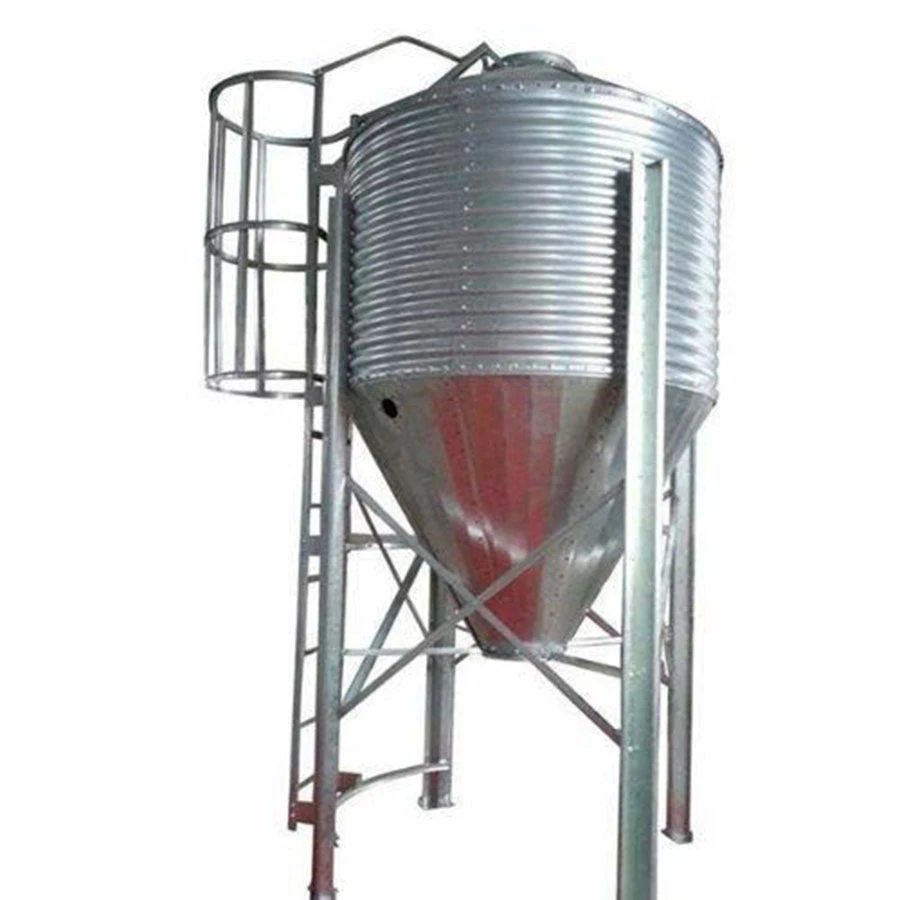
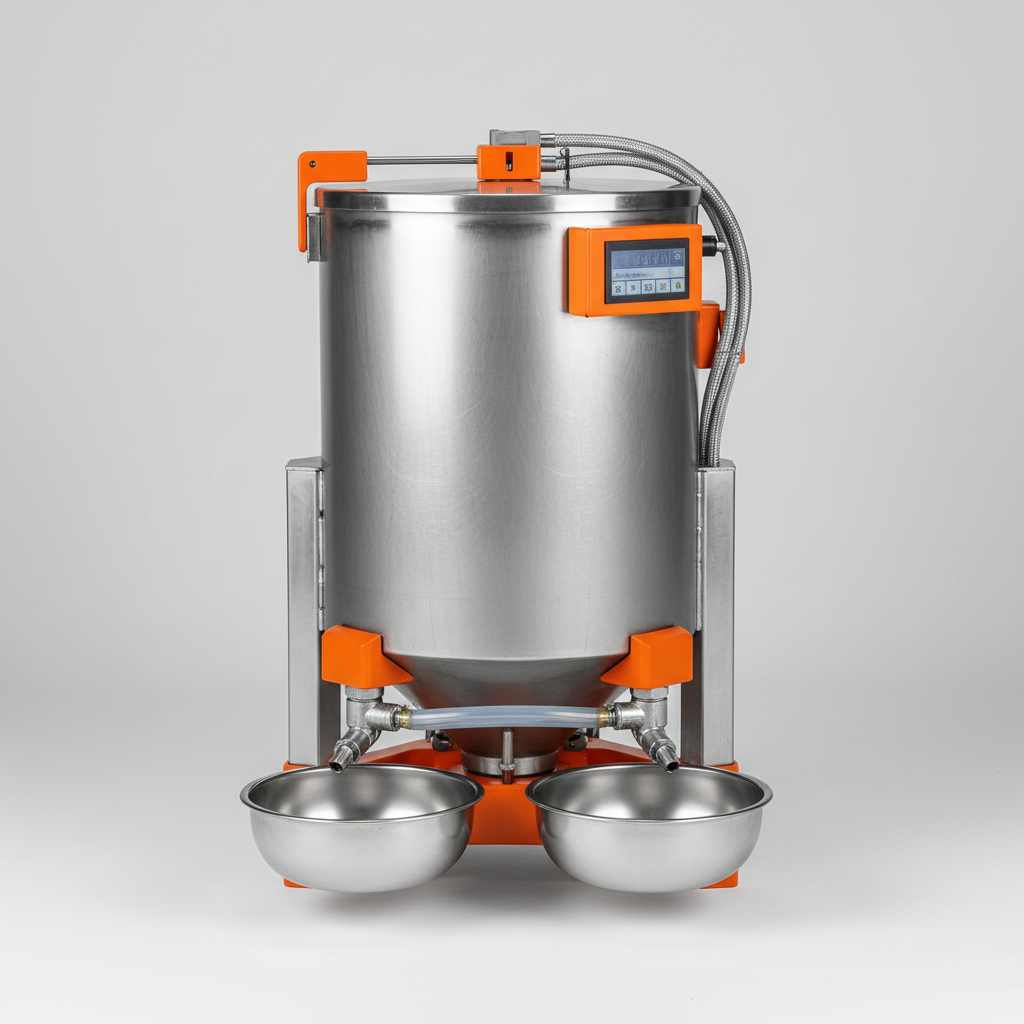
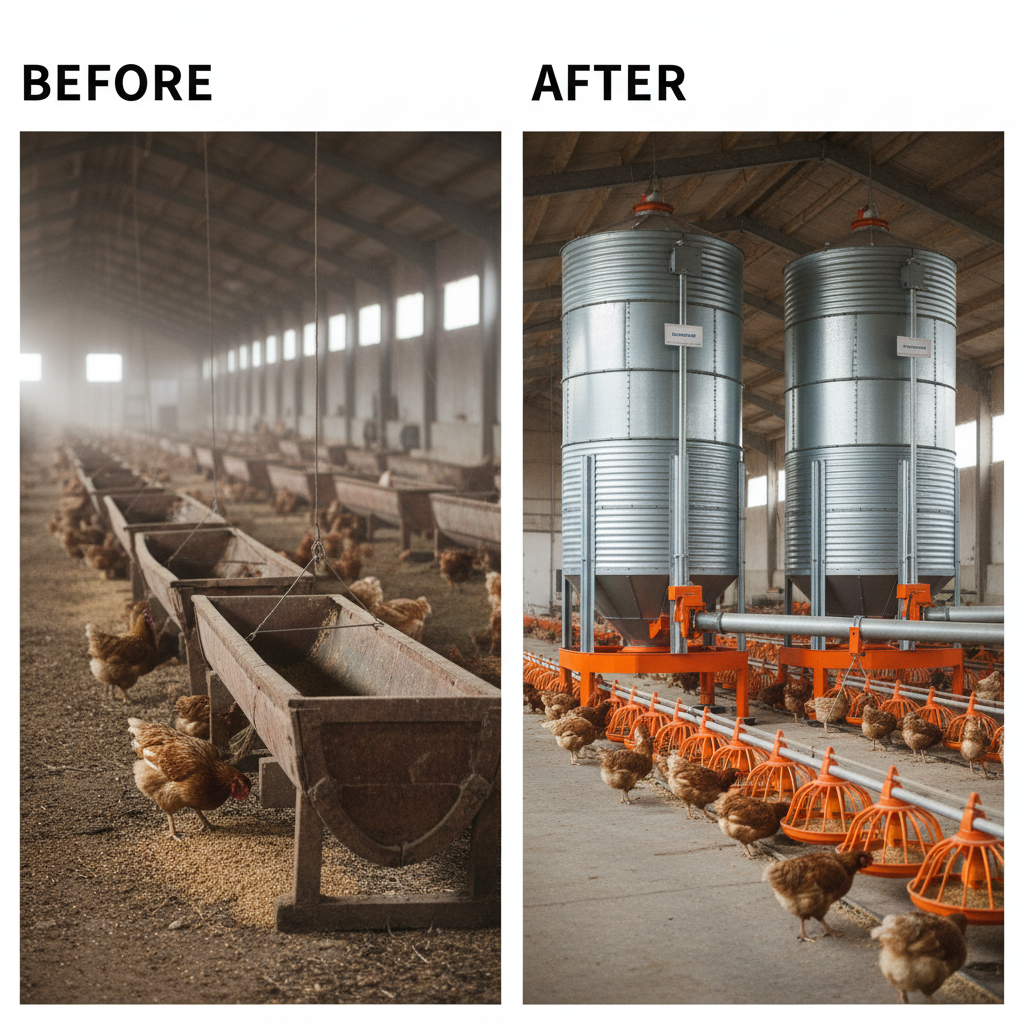
Simply put, a mini feed silo is a smaller-capacity silo designed specifically to store animal feed — grains, pellets, or mixed rations — in an efficient and protected way. Unlike large industrial silos standing dozens of feet tall, these mini versions are often portable or modular. They provide farmers and feed suppliers with the ability to store fresh feed close to livestock areas, minimizing transportation time and spoilage.
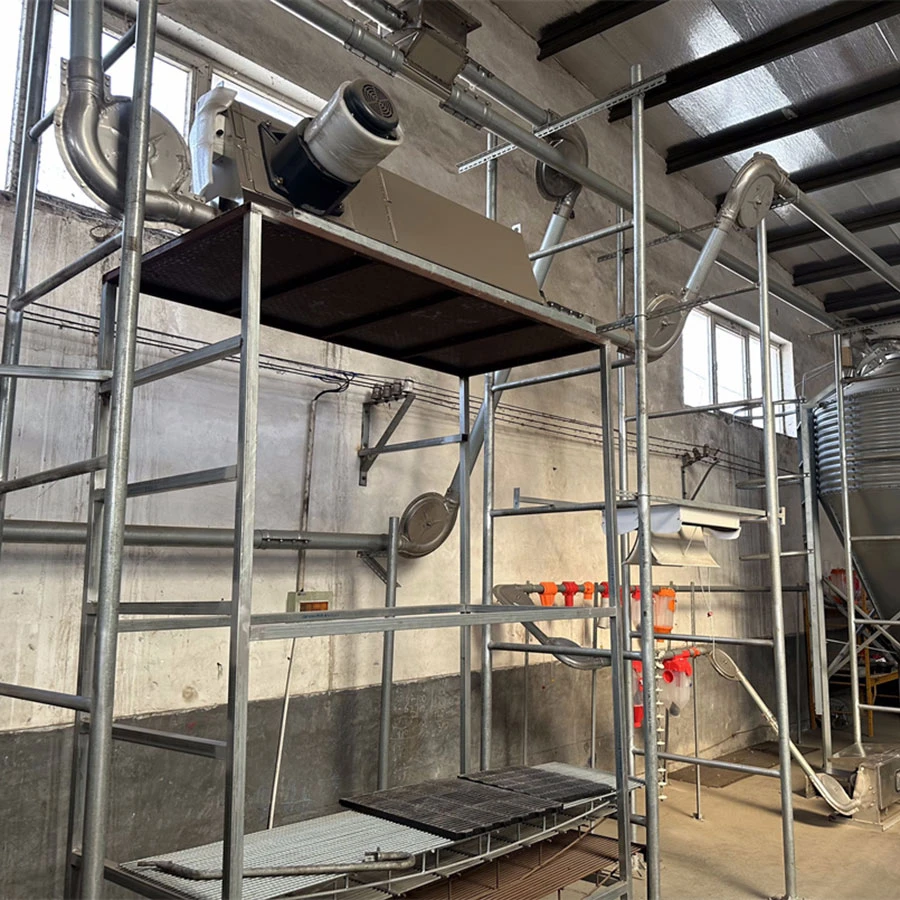
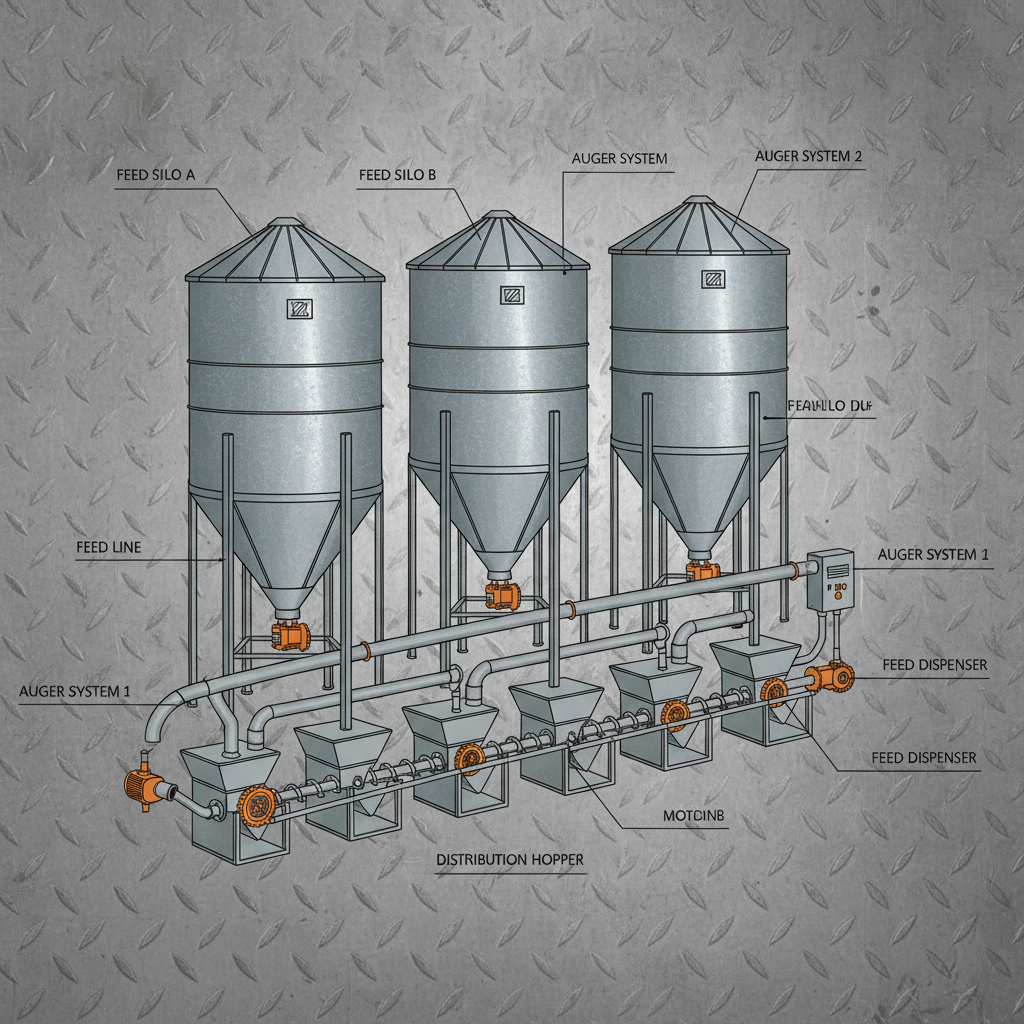
Often made from galvanized steel, heavy-duty plastic, or sometimes even treated wood, mini feed silos can be either fixed or mobile. Their design typically includes easy access points, sealing mechanisms to retain freshness and protect from pests, and dispensing systems for simplified feeding.
In industries or humanitarian scenarios where agility matters — such as remote agro-industrial projects, emergency feeding programs, or small-scale farming — these silos fill an important niche between feed bags and massive silos.
Core Features of Mini Feed Silos That Matter in Practice
1. Durability and Weather Resistance
Field conditions aren’t always kind. Mini feed silos are built to withstand rain, humidity, and sometimes even rough handling during transport. Materials like powder-coated steel or UV-stabilized plastics enhance longevity. You’ll find that the better models include safeguards against rust or cracking, helping feed stay fresh and dry even in volatile climates.
2. Scalability and Space Efficiency
Unlike giant silos, mini feed silos fit neatly into farm layouts where space is a premium, especially in peri-urban areas or developing world villages. They also scale easily — farmers can add multiple mini silos rather than investing upfront in a costly large unit. This helps manage cash flow and gradual expansion.
3. Cost Effectiveness
Capital expenditure for mini feed silos is often a fraction of traditional silos. Plus, reduced feed wastage from improved storage translates into ongoing savings. With fewer losses and less spoilage, farmers get a better return on their feed investment. This affordability is critical for smallholders, NGOs, and emerging market suppliers.
4. Ease of Use and Maintenance
Designs frequently include simple features — sliding discharge doors, moisture indicators, or hopper bottom setups. This convenience means less labor and training, which is appealing where technical support is limited. Regular cleaning and maintenance are straightforward, contributing to sustained feed quality.
5. Adaptability to Different Feeds
Whether storing coarse grains, fine pellets, or mixed compounded feeds, mini feed silos can often be customized with liners or agitators to handle various materials. This versatility broadens their appeal across multiple farming systems and animal types.
Mini takeaway: The best mini feed silos balance rugged design, practical features, and affordability — all vital for real-world use.
Global Applications: Where and How Mini Feed Silos Are Changing the Game
Across continents, you’ll find mini feed silos serving specific, sometimes unexpected roles:
- Smallholder Farms in Sub-Saharan Africa: Here, mini silos reduce post-harvest losses drastically. In Kenya, many cooperatives rely on these units to protect maize and sorghum feed for dairy cows.
- Post-Disaster Relief Operations: In East Asia and the Caribbean, relief agencies use portable mini feed silos to stabilize animal nutrition after typhoons or earthquakes, ensuring livestock survival and food security.
- Remote Ranches and Industrial Zones: In Australia and Canada, isolated meat production sites employ mini silos for reliable feed supply without dependence on frequent shipments.
- Urban and Peri-Urban Micro-farming: As city farming grows, mini feed silos help optimize limited space, maintaining efficient feeding regimes.
Mini takeaway: From grassroots farming to humanitarian aid — mini feed silos fill diverse roles where large infrastructure isn’t feasible.
A Practical Look at Mini Feed Silo Specifications
| Specification | Typical Value |
|---|---|
| Capacity | 1,000 - 10,000 kg |
| Material | Galvanized Steel or UV-resistant Polymer |
| Dimensions (approx.) | 2 to 4 meters (height); 1.5 to 2.5 meters (diameter) |
| Weight | 150 - 450 kg (empty) |
| Features | Sealed lids, adjustable discharge gates, pest-proof design |
| Mobility | Trailer-mounted or portable options available |
Choosing the Right Vendor: Comparing Top Mini Feed Silo Providers
| Vendor | Price Range | Customization | Warranty | Global Shipping |
|---|---|---|---|---|
| AgriStore Co. | $2,000 - $6,500 | High (custom sizes) | 5 years | Yes |
| FeedSafe Ltd. | $1,500 - $5,000 | Medium (standard modules) | 3 years | Limited regions |
| Compact Silo Systems | $2,500 - $7,000 | High (modular & smart tech) | 7 years | Worldwide |
The Many Benefits and Long-Term Value of Mini Feed Silos
From an economic standpoint, mini feed silos reduce feed losses by up to 15-20%, according to several agricultural studies — that’s serious savings on annual input costs. There’s also a sustainability angle: by minimizing spoilage, they help reduce methane emissions produced by decaying feed in open storage or bags.
On the social side, reliable feed leads to healthier livestock, better yields, and more stable income for farmers, which in turn supports rural economies. That reliability breeds trust — among suppliers, farmers, and consumers alike.
Emotionally, there’s reassurance in knowing feed is safe from pests and weather. Small farms often operate on razor-thin margins, so this peace of mind is priceless.
Looking Ahead: Trends and Innovations in Mini Feed Silo Technology
Innovation isn’t sleeping here. Already, smart silos equipped with sensors for temperature, humidity, and fill levels are gaining traction. This digital transformation enables remote monitoring and predictive maintenance — imagine knowing feed quality before ever opening the silo.
There’s also a push toward sustainable, recyclable materials replacing traditional steel or plastic. Some manufacturers are experimenting with bio-based composites that reduce carbon footprint. Integration with renewable energy systems, like solar-powered aeration fans, is another exciting frontier.
Plus, modular, quick-assembly designs make installation easier for relief agencies or emerging farmers who need rapid deployment without specialist tools.
Challenges and How Industry Leaders Are Overcoming Them
That said, mini feed silos aren’t without hurdles. Moisture control remains an issue — condensation inside a silo can spoil feed if not properly ventilated. Some users report difficulty in sourcing spare parts in remote locations. Cost is another barrier for some smallholders, even if cheaper than large silos.
To tackle these, companies are developing anti-condensation liners, designing local service models, and partnering with NGOs to subsidize purchases. Sharing knowledge online and offering simple maintenance guides also empowers users. After all, technology is only as good as its accessibility.
FAQ: Quick Answers About Mini Feed Silos
- How do mini feed silos improve feed quality compared to bags?
- Mini feed silos protect feed from moisture, pests, and contamination better than traditional bags, reducing spoilage and maintaining nutritional integrity longer.
- Can mini feed silos be moved easily between locations?
- Yes, many mini feed silos are designed with portability in mind — either mounted on trailers or modular enough to be disassembled and transported.
- Are mini feed silos suitable for all types of feed?
- Most silos can handle grains, pellets, and mixed rations, but it's important to select the right model and features (like liners or agitators) depending on feed consistency.
- What maintenance is required for a mini feed silo?
- Regular cleaning, checking seals for leaks, and monitoring moisture levels are essential. Many models have easy-access points to simplify maintenance tasks.
- Where can I purchase reliable mini feed silos?
- Leading manufacturers and distributors provide options globally. You can explore mini feed silo suppliers online with worldwide shipping options.
Wrapping Up: Why Mini Feed Silos Deserve Your Attention
It’s clear that mini feed silos offer a pragmatic, cost-effective, and increasingly innovative solution for the challenges of feed storage and management worldwide. Whether you’re a farmer looking to reduce losses, a humanitarian focused on food security, or a feed supplier seeking better logistics, these compact silos have something to offer.
If you want to explore practical options or upgrade your current setup, visiting suppliers like mini feed silo providers will be a good next step. After all, improving feed storage is one of those small yet crucial moves towards a more resilient and sustainable food future.
Mini takeaway: Small in size but big in impact, mini feed silos keep animals fed, economies steady, and the global food chain a little more secure.
References:
1. Food and Agriculture Organization of the United Nations (FAO), Feed Statistics
2. United Nations Food Systems Summit, Official Site
3. ISO - International Organization for Standardization, Silo Design Standards
Post time: Dec . 02, 2025