Understanding the 3 Tonne Feed Bin: A Practical Solution for Modern Agriculture
The humble 3 tonne feed bin may not grab headlines the way cutting-edge tech does, but it’s an unsung hero in agricultural operations worldwide. Whether used by family farms or large feedlots, these bins are vital for storing and managing feed efficiently. Given global agriculture challenges—such as food security, supply chain resilience, and sustainability—the role of proper feed storage becomes even more important.
In fact, the Food and Agriculture Organization (FAO) reports that post-harvest losses can reach up to 30% globally, sometimes due to inadequate storage solutions. That makes understanding how something like the 3 tonne feed bin functions and why it matters quite valuable. So let’s unpack this topic in a bit more depth.
Global Context: Why Feed Storage Matters Now More Than Ever
Worldwide, meat and dairy industries are booming. As the United Nations projects, global food demand will rise by about 50% by 2050. This means feed producers and livestock managers must optimize every step—from production to consumption. But feed is organic, vulnerable to moisture, pests, and contamination. Poor storage results not just in wastage but impacts animal health and farm profitability.
Enter the 3 tonne feed bin—a mid-sized storage option striking a balance between capacity and manageability. Firms in North America, Australia, and parts of Europe have standardized around such sizes for convenience and operational flexibility. Yet, challenges remain in remote and developing regions, where affordable and durable storage solutions can be elusive.
What Is a 3 Tonne Feed Bin?
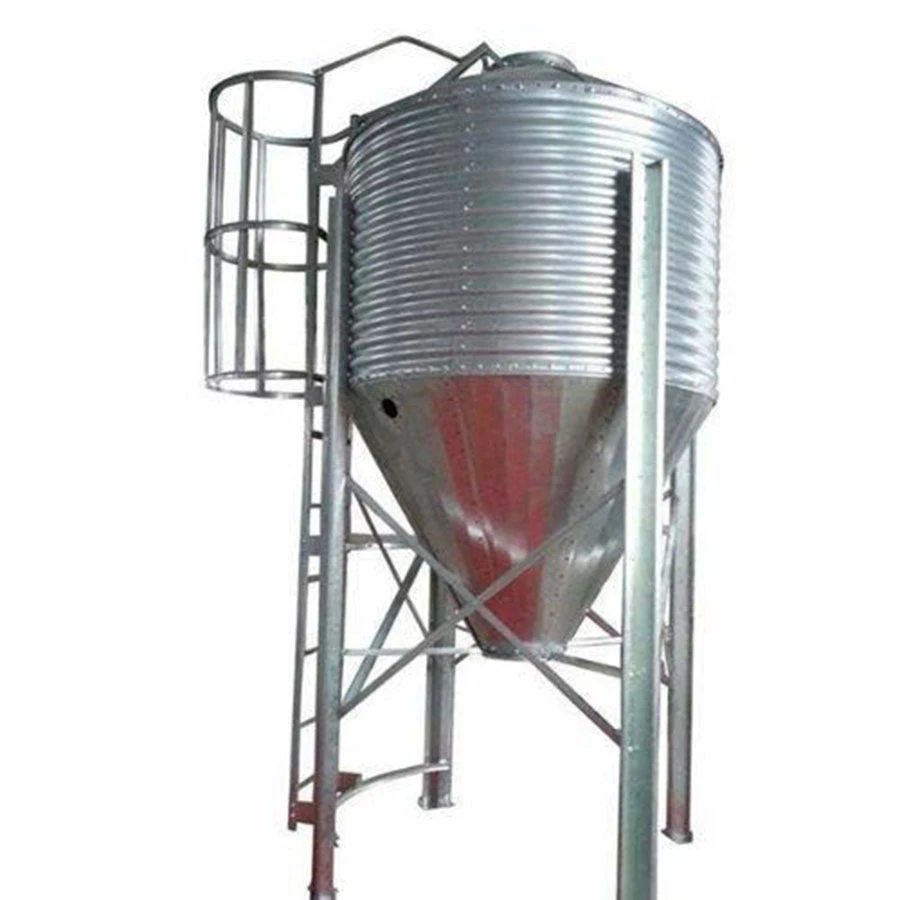
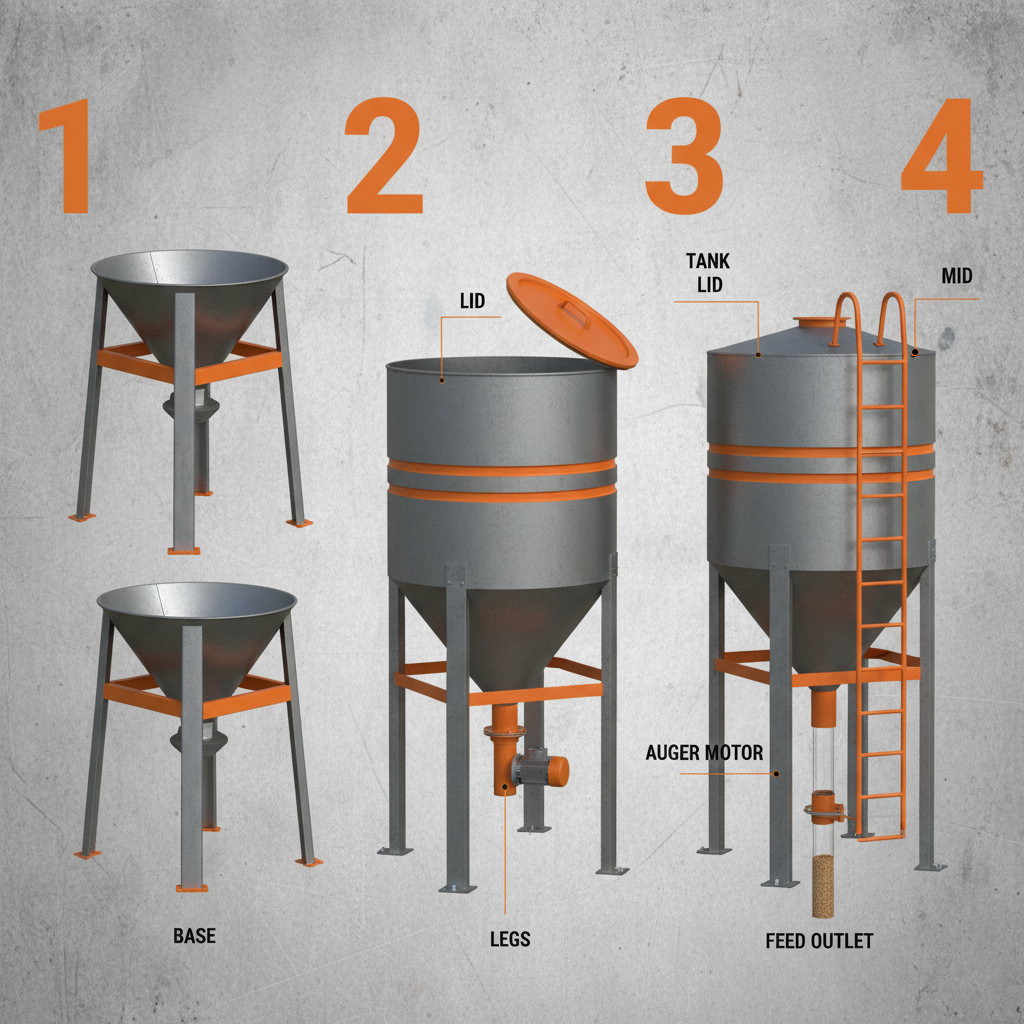
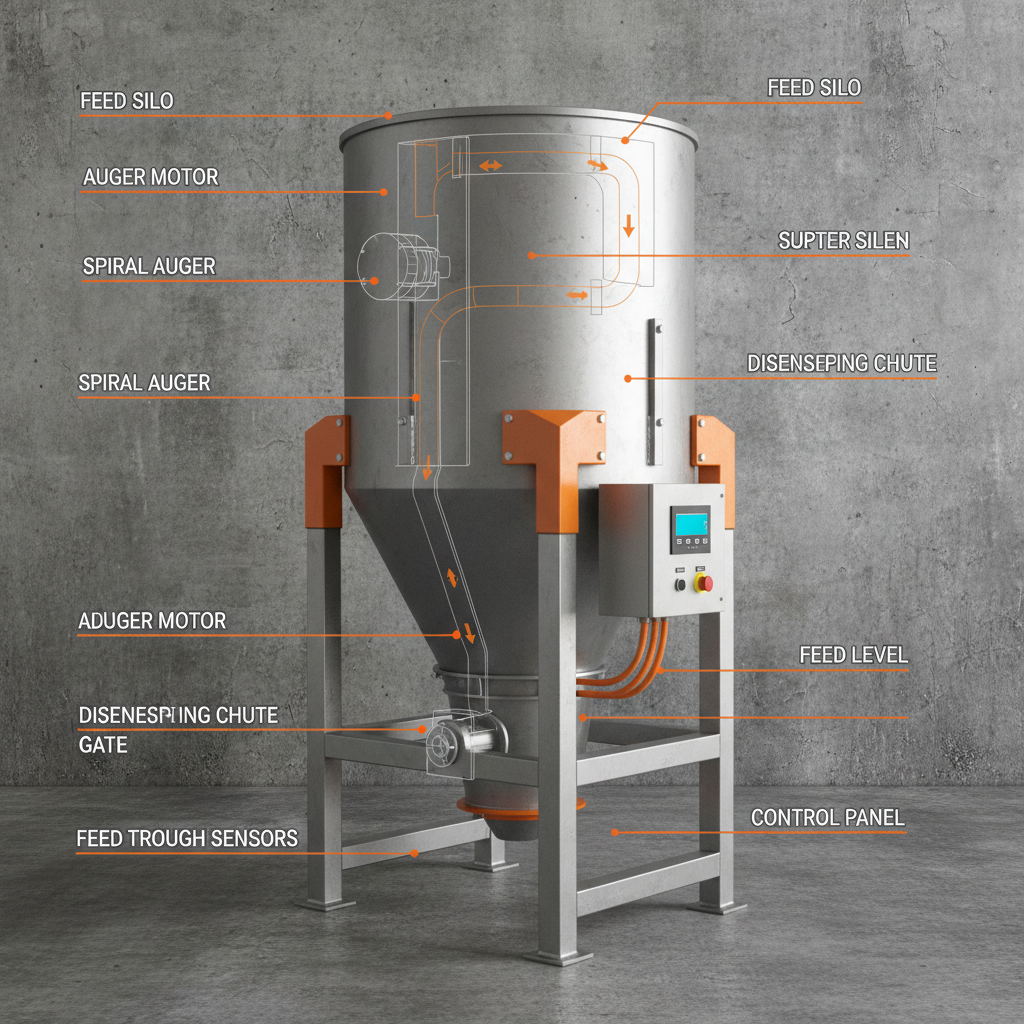
Simply put, a 3 tonne feed bin is a container designed to hold roughly three tonnes—about 3,000 kilograms—of animal feed. Constructed typically from galvanized steel, these bins protect feed from exposure to elements, rodents, and contamination. The design often incorporates airtight lids, bottom discharge chutes, and sometimes integrated aeration or moisture control mechanisms.
In industrial terms, it fits snugly between smaller 1 tonne bins (used by hobby farms or specialty feed) and large-scale silos holding 20+ tonnes. It’s a versatile size, suitable for farms requiring consistent feed supply without over-investing in massive infrastructure.
Core Components That Make a 3 Tonne Feed Bin Work
1. Durability and Materials
Most 3 tonne feed bins are galvanized steel, often powder-coated for weather resistance. This ensures longevity in harsh environments—from baking summer heat to freezing winters. Durability means less downtime and reduced replacement costs.
2. Accessibility and Handling
Feed bins include accessible lids for easy refill and bottom outlets or augers for controlled feed delivery. This ease boosts worker efficiency and feed management accuracy.
3. Pest and Contamination Protection
Design elements like sealed lids and rodent guards keep feed safe, a critical function since contamination can impact livestock health profoundly—sometimes silently impacting growth rates or product quality.
4. Scalability and Flexibility
Because it’s a manageable size, these bins can be combined or relocated as operations grow or shift. Some manufacturers even offer modular options to expand capacity efficiently.
Specifications of a Typical 3 Tonne Feed Bin
| Specification | Details |
|---|---|
| Capacity | 3 Tonnes (~3,000 kg) |
| Height | Approx. 2.1 meters |
| Diameter | Approx. 1.5 meters |
| Material | Galvanized steel with powder-coating |
| Features | Airtight lids, bottom discharge chutes, rodent guards |
How 3 Tonne Feed Bins Are Used Around the World
In developed regions like the US Midwest or Australia’s farming belts, these bins support mid-sized operations needing steady feed access without overstocking. In less industrialized zones, NGOs sometimes deploy them for livestock-reliant communities post-disaster, where feed security means food security.
For example, in drought-prone African regions, timely feed storage can mean the difference between livestock survival or loss. Farmers here appreciate bins that are easy to assemble and withstand rough weather.
Oddly enough, even some large agribusinesses rely on clusters of 3 tonne bins rather than a single massive silo—this modularity helps reduce feed wastage and provides backup in case of contamination in one bin.
Comparing Popular 3 Tonne Feed Bins Vendors
| Vendor | Material | Price Range | Warranty | Special Features |
|---|---|---|---|---|
| AgriShelter Co. | Galvanized steel | $1200–$1500 | 5 years | Integrated aeration system |
| FeedBin Solutions | Powder-coated steel | $1100–$1400 | 3 years | Rodent-proof lids |
| HarvestMate | Galvanized steel + plastic lining | $1300–$1600 | 7 years | Moisture control and lining |
Advantages and Long-Term Benefits of the 3 Tonne Feed Bin
- Cost-efficiency: Optimal size cuts down on spoilage and bulk storage expenses.
- Reliability: Tough materials mean fewer replacements and minimal maintenance.
- Sustainability: Reduced feed wastage contributes to environmental goals.
- Livestock health: Secure storage reduces contamination, supporting better animal growth.
- Peace of mind: Operators trust these bins to keep feed safe season after season.
Frankly, it feels like a solid investment for most small to medium farming operations. You get a tangible return every feeding season.
Emerging Trends and Innovations
Looking ahead, manufacturers are integrating smart sensors to monitor moisture and temperature remotely. This digital layer warns of spoilage risks before they unfold. Additionally, there’s an exciting push to use recycled materials and biodegradable coatings to reduce environmental footprints.
Automation also creeps in: automated feed dispensing linked with livestock monitoring helps balance feeding schedules and resource management more precisely.
Common Challenges and Expert Solutions
One challenge is that 3 tonne feed bins, while portable compared to giant silos, still require some heavy equipment for moving and installation. Smaller farms may need logistical help. Some vendors tackle this by offering modular kits that assemble onsite without machinery.
Weather extremes can also test durability; thus, innovative coatings and cover designs are a growing focus to mitigate corrosion and UV damage.
Frequently Asked Questions About 3 Tonne Feed Bins
- 1. How long can feed safely be stored in a 3 tonne feed bin?
- Generally, feed can remain fresh for 3–6 months if the bin is sealed well and moisture is controlled. Regular inspection is key to avoid spoilage.
- 2. Can these bins be used outdoors year-round?
- Yes, designs typically handle outdoor conditions through corrosion-resistant materials and weatherproof lids, but always check vendor specs.
- 3. How easy is it to clean and maintain a 3 tonne feed bin?
- Most bins are designed for ease of cleaning with removable lids and bottom chutes. Regular cleaning prevents mold and pest build-up.
- 4. Are customized sizes available if I need more or less capacity?
- Many manufacturers provide customizable bins or modular designs to suit specific storage needs.
- 5. Where can I buy a reliable 3 tonne feed bin?
- You can explore trusted providers such as CX Livestock, which offers a variety of high-quality feed bins.
Conclusion
In sum, investing in a robust 3 tonne feed bin can be a game-changer for farming and livestock operations. It blends practicality, durability, and sustainability in a cost-effective package. Whether you're managing a remote feedlot or an expanding farm, having reliable feed storage isn’t just convenient—it’s essential for success.
Want to know more or find the right feed bin for your needs? Visit our website at https://www.cxlivestock.com and explore your options today.
Food security literally depends on details like this—small equipment with outsized impact. Keep your feed safe; your animals (and profits) will thank you.
References
Post time: Dec . 07, 2025