Understanding Slatted Flooring for Pigs: A Global Perspective
When you hear "slatted flooring for pigs," it might sound like a very niche topic—and honestly, it is—but it’s also a quietly impactful one that touches agriculture, sustainability, and animal welfare worldwide. These floors, consisting of narrow gaps or slots, allow waste to fall through, keeping pig housing cleaner and healthier. Given the global rise in pork production (the UN's Food and Agriculture Organization estimates over 100 million tonnes annually), optimizing pig environments makes a huge difference—not just in economic terms but also for environmental impact and animal welfare.
In this article, we’ll unpack why this simple innovation matters worldwide, how it shapes modern pig farming, and why manufacturers, farmers, and policymakers are paying close attention to it.
The Global Context: Why Slatted Flooring for Pigs Matters
Globally, pig farming isn’t just local; it’s a huge contributor to food security and rural economies, especially in Asia, Europe, and the Americas. According to FAO statistics, China alone accounts for nearly half of the world’s pig population. But with increased density comes challenges: waste management, disease control, and sustainability.
Enter slatted flooring systems. By allowing manure to drop through, these floors radically improve hygiene, reduce labor, and can even enable biogas recovery in some setups. However, despite their benefits, many smallholders in developing countries still use traditional bedding due to costs and resource constraints—pointing to an opportunity as well as a challenge in global agriculture.
Mini takeaway: Slatted flooring plays a key role in boosting productivity & hygiene in the expanding global pig farming sector, but adoption varies widely depending on regional economics and infrastructure.
What Exactly Is Slatted Flooring for Pigs?
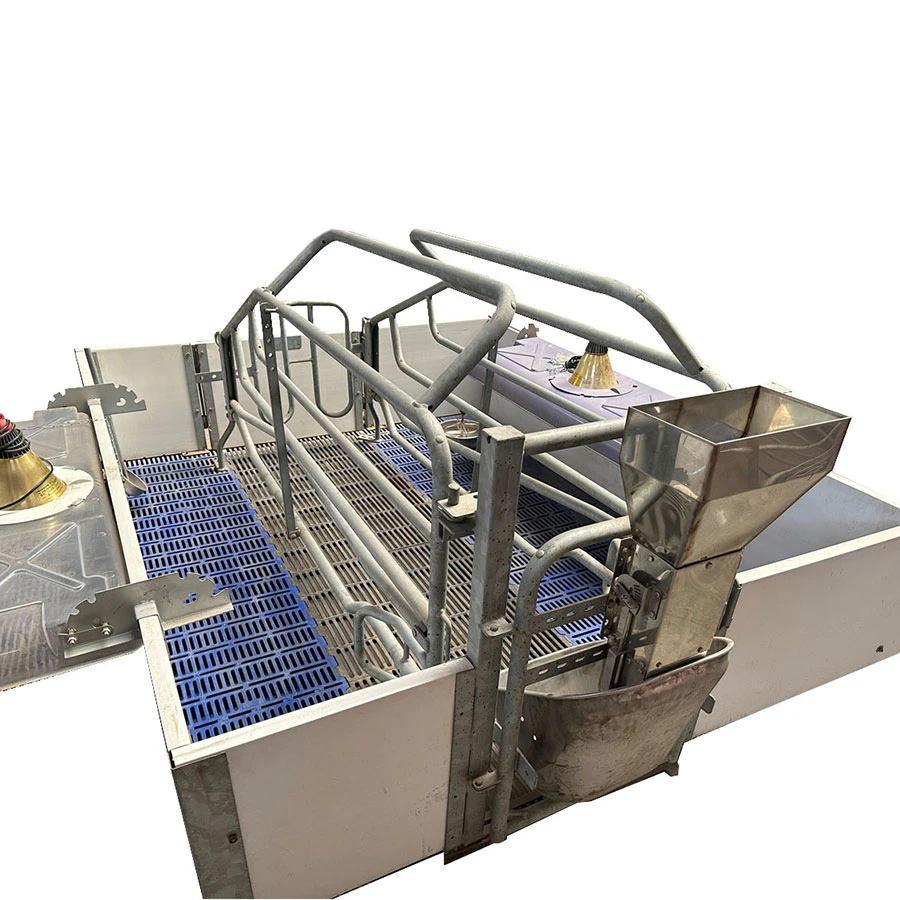
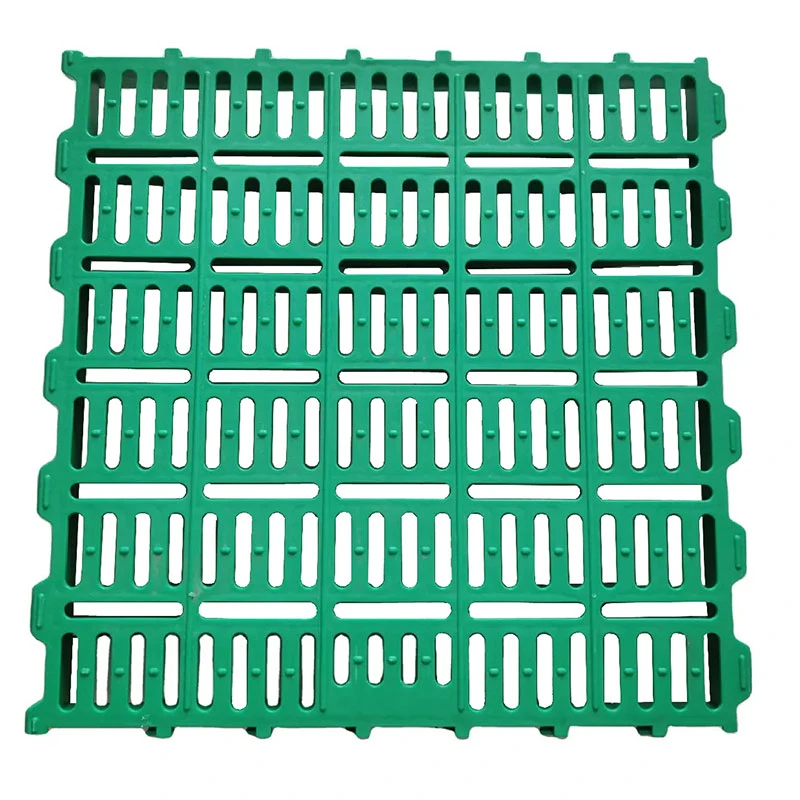
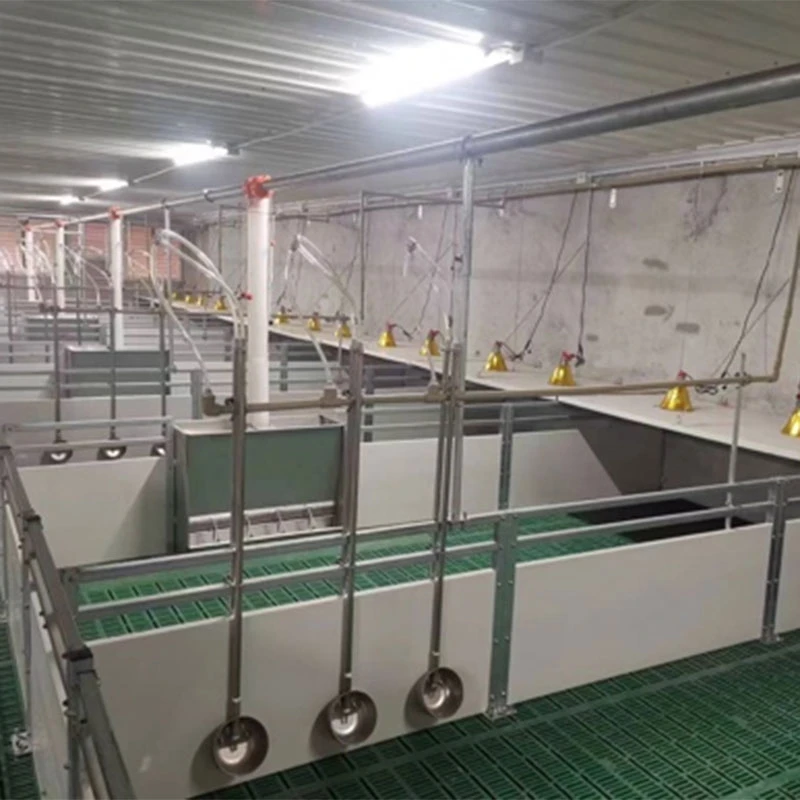
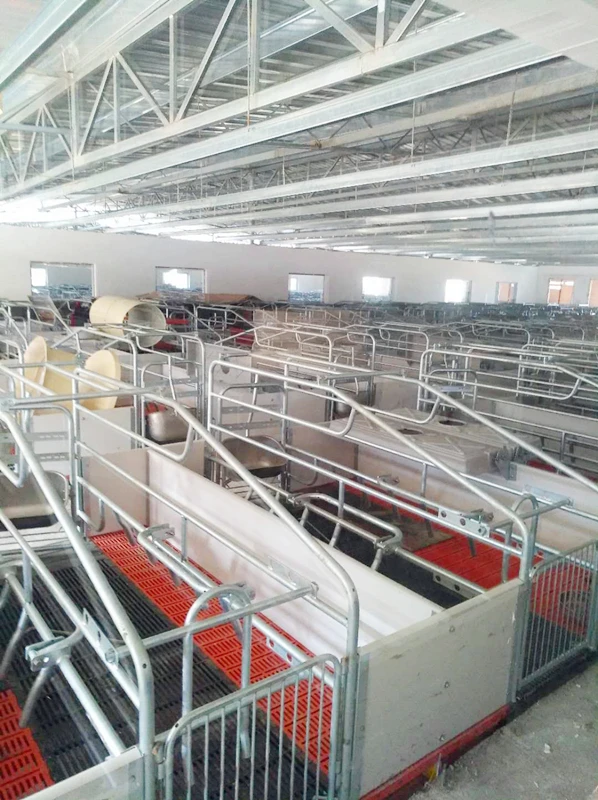
In simple terms, slatted flooring for pigs means a raised floor platform with evenly spaced gaps—usually made from concrete, plastic, or metal. Pigs walk on top, while their waste drops through the slots into pits below. This design reduces the need for bedding and frequent cleaning, which in turn lowers disease risk and labor costs.
But it’s more than just a structural feature: it reflects modern livestock industry's efforts to increase efficiency while considering environmental and animal welfare needs.
In humanitarian or relief settings focused on rural rebuilding, slatted flooring can improve living conditions for middle-income farmers transitioning from backyard setups.
Core Components of Effective Slatted Flooring Systems
1. Durability
These floors take a beating—from the weight of adult pigs to constant moisture and corrosive waste. Concrete is a classic material for its strength, but it can crack; plastics and composites resist corrosion but may be less sturdy over very long term.
2. Flooring Gap Width and Design
The slat width must balance waste passage with animal comfort. Too wide, and pigs struggle to walk; too narrow, waste clogs. Typical spacing ranges between 15-35 mm depending on pig size and age.
3. Scalability and Installation Ease
Modular plastic panels let farmers scale quickly or swap damaged sections. Concrete slabs require more heavy-duty installation but last longer. The best systems blend durability with adaptability.
4. Cost Efficiency
Initial investment varies widely—from a couple dozen dollars per pig space for basic concrete slats to premium composite systems with antimicrobial coatings. Running costs fall with reduced labor and manure management needs.
5. Environmental Compliance
Some flooring designs integrate manure collection pits designed for biogas capture or nutrient recycling—a step toward more circular farming operations.
Mini takeaway: Choosing the right slatted flooring involves understanding trade-offs between durability, comfort, cost, and environmental goals.
Global Applications & Real-World Use Cases
In Europe, precision farming techniques leverage slatted floors combined with sensors monitoring ammonia and humidity levels for optimized pig comfort and environmental compliance.
In parts of Asia and Latin America, slatted floors help hundreds of thousands of commercial farms meet hygienic standards needed for export markets.
In remote industrial zones or co-op farms in Eastern Europe, plastic modular floors offer a fast upgrade from dirt pens with minimal downtime.
Interestingly, NGOs rebuilding agricultural sectors after disasters in Southeast Asia sometimes include these floors in livestock shelter kits, seeing them as long-term productivity drivers.
Advantages and Lasting Value of Slatted Flooring for Pigs
- Improved hygiene: Less standing waste means fewer pathogens and better pig health.
- Labor savings: Automated waste fall-through reduces manual cleaning time.
- Environmental stewardship: Better waste handling can lower methane emissions and contamination risk.
- Animal welfare: Comfortable footing and dry surfaces support wellbeing.
- Economic benefits: Higher growth rates and lower veterinary costs result in better returns.
Frankly, farmers often say slatted flooring is their “unsung hero”—quietly working to make life easier and pigs healthier. For buyers, it’s about trust and innovation blended together.
Innovations and Future Directions
The future promises some cool advances in slatted flooring technology:
- Smart Floors: Embedded sensors to track animal movement and waste load in real time.
- Eco-friendly Materials: Biodegradable composites and recycled plastics.
- Automation Integration: Robotic cleaning and waste removal to reduce labor.
- Manure-to-Energy Systems: Floors designed specifically to feed anaerobic digesters below.
- Policy Support: Enforced environmental standards promoting better infrastructure worldwide.
Challenges & Practical Solutions
Of course, slatted flooring isn't the perfect fix:
- High upfront cost: Can deter smallholders who lack capital.
- Slip risks: If slats are poorly designed, pigs may injure themselves.
- Waste handling design: Poorly managed pits can cause odor or groundwater risks.
Solutions involve education, government subsidies, and design improvements like textured surfaces and better pit ventilation.
Product Specification Table
| Specification | Concrete Slats | Plastic Modular Panels | Composite Anti-microbial Panels |
|---|---|---|---|
| Material | Reinforced concrete | High-density polyethylene | Glass fiber + polymers |
| Weight Capacity | Up to 1500 kg/m² | Up to 1000 kg/m² | Up to 1200 kg/m² |
| Slat Width Options | 20-30 mm | 15-35 mm adjustable modules | 18-28 mm |
| Installation | Permanent, requires foundation | Modular, DIY friendly | Requires pro assembly |
| Maintenance | Low, prone to cracking | Easy, replace panels | Very low with antimicrobial traits |
Vendor Comparison Table
| Vendor | Product Range | Global Reach | Price Range | Lead Time |
|---|---|---|---|---|
| AgroSlat Systems | Concrete & Plastic Slats | Europe, Asia | $$$ | 4-6 weeks |
| BioFloor Ltd. | Antimicrobial Composite Panels | North America, Europe | $$$$ | 6-8 weeks |
| FlexiFarm Solutions | Plastic Modular Systems | Global | $$ | 2-4 weeks |
Frequently Asked Questions About Slatted Flooring for Pigs
1. What factors should I consider when choosing slatted flooring for pigs?
Consider material durability, slat width, ease of installation, maintenance needs, and cost. Also, think about your farm size and future growth plans. Properly chosen flooring balances animal comfort with waste management efficiency.
2. Can slatted floors improve pig health significantly?
Yes, because waste falls below the floor, pigs avoid constant contact with manure, reducing the risk of infections and respiratory problems linked to ammonia buildup. Many farmers notice healthier animals and lower veterinary costs after switching.
3. Are plastic slatted floors better than concrete?
It depends. Plastic panels are lighter, modular, and often easier to clean or replace. Concrete slats are sturdier long-term but require more complex installation and can crack. Your choice depends on budget, farm size, and longevity needs.
4. How does slatted flooring help with environmental compliance?
Slatted floors facilitate manure collection into pits where it can be processed, reducing runoff and methane emissions. Proper design supports nutrient recycling or biogas generation, helping farms meet stricter pollution standards.
5. Is slatted flooring for pigs suitable for small-scale farms?
They can be, especially modular plastic systems that can be installed gradually. However, upfront costs and technical knowledge may challenge very smallholders without external support or subsidies.
Wrapping Up
Slatted flooring for pigs isn’t just a floor—it’s a quiet revolution in pig farming that enhances hygiene, saves labor, supports sustainability, and improves animal welfare globally. From smallholder trials to industrial-scale operations, this technology bridges tradition and innovation.
If you want to delve deeper or explore specific products, visit slatted flooring for pigs. It’s a great place to start your journey to smarter, more humane pig housing.
Thanks for reading. Here’s to smarter farming and healthier pigs!
References
Post time: Dec . 02, 2025