Understanding Cow Restraint Equipment and Its Global Importance
When you hear “cow restraint equipment,” you might imagine a series of fences and gates. But honestly, it’s a bit more sophisticated—and more important—than that. At its core, cow restraint equipment refers to the tools and devices used to safely and efficiently hold cattle in place for veterinary care, handling, and transportation. This equipment isn’t just about convenience; it shapes animal welfare, operational safety, and productivity all around the world.
The global cattle population exceeds one billion head. Managing these animals safely is a mammoth challenge that touches farmers, veterinarians, and industry professionals. Proper restraint means minimizing stress for the animals and risk for people — a win-win scenario.
Mini takeaway: Cow restraint equipment might seem mundane, but it lies at the intersection of animal welfare, farm efficiency, and sustainability on a very large scale.
Global Context: Why Restraint Matters in the Cattle Industry
Across continents, livestock farming underpins food security, economies, and livelihoods. According to the World Bank, livestock farming represents over 40% of the global agricultural economy. Yet managing cattle safely remains a top priority and challenge. Mismanagement leads to injuries—both human and bovine—that translate into costly delays or worse.
In regions like South America, Africa, and parts of Asia, where agriculture is a core economic activity, the availability and quality of cow restraint equipment directly influence productivity and veterinary success rates. It’s a quiet hero in disaster relief, too—helping vets check and treat cattle after floods or droughts. The problem? Outdated or ill-designed restraint systems still cause stress, injuries, or failures in the field, threatening both the animals and handlers.
What Exactly Is Cow Restraint Equipment?
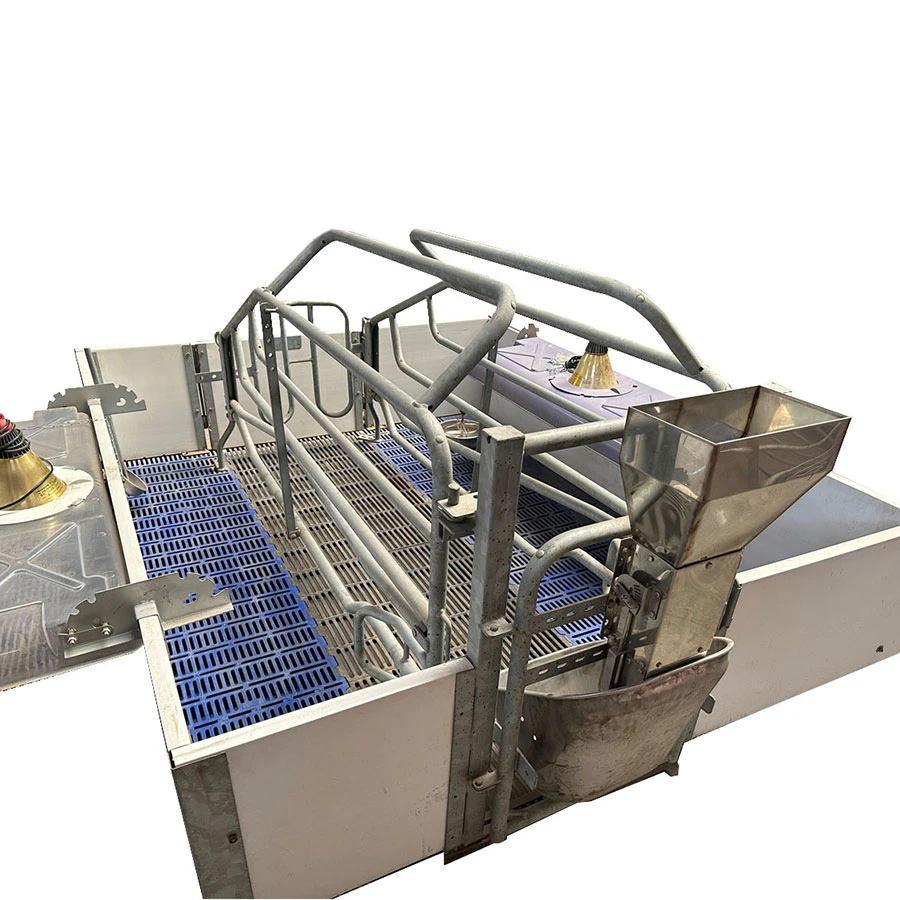
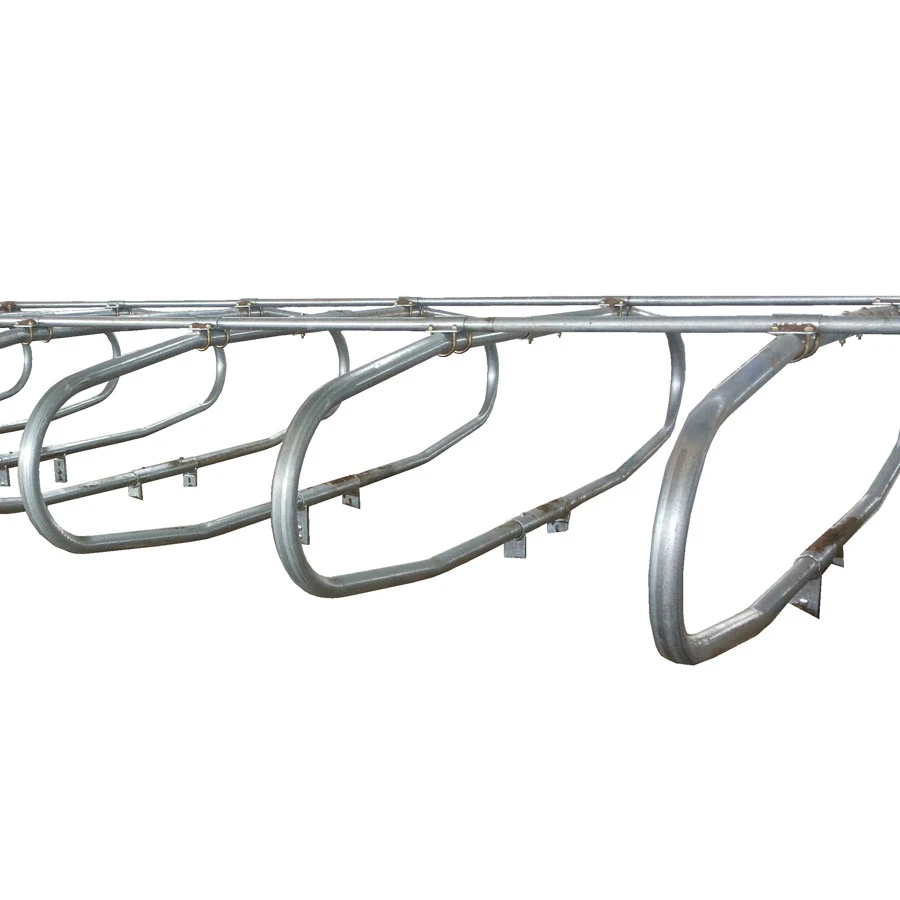
Simply put, cow restraint equipment includes chutes, headlocks, squeeze cages, and gating systems designed to confine cattle safely and calmly. It’s about steady, controlled immobilization—not harsh confinement. By doing so, it aids in examinations, vaccinations, tagging, dehorning, pregnancy checks, and transport preparation.
Modern restraint tools balance strength with animal comfort. Think padded sides, hydraulic or pneumatic controls, and adjustable widths for various cattle sizes. It’s not just farming gear — it impacts global health by facilitating disease control and improving animal welfare standards.
Core Components of Effective Cow Restraint Equipment
1. Durability
Farm environments are tough—dust, mud, impacts. Quality cow restraint equipment must resist corrosion and mechanical wear. Most use galvanized steel or stainless alloys to last decades under heavy use without failing. Many engineers say investing in durable materials repays handsomely over time.
2. Safety Features
Safety isn’t just about strong steel—it’s about design. Rounded edges, non-slip floors, and emergency release mechanisms help prevent injury to cows and handlers alike. Many modern units come equipped with sensors or remote controls to reduce close human interaction.
3. Scalability and Adjustability
From a small family farm to an industrial feedlot, restraint equipment varies in size and function. Adjustable widths let users handle calves and full-grown cows equally well, which is especially useful for mixed herds.
4. Cost Efficiency
Not every farm can splurge, so equipment that offers low maintenance needs and longevity provides better ROI. Modular designs that allow upgrades or repairs without full replacement reduce long-term expenses.
5. Ease of Use
Complex machinery often sits idle in the shed. Cow restraint tools must be intuitive — designed for quick setup, minimal manual maneuvers, and easy cleaning. This saves time and energy, especially during peak handling periods.
6. Animal Welfare Considerations
Padded or smooth surfaces, controlled pressure, and calming designs help reduce stress signs like vocalizing or struggling. This not only improves welfare but lowers injury risk and improves workflow.
Mini takeaway: The smartest restraint equipment is durable, safe, scalable, cost-effective, easy to operate, and animal-friendly — a list that sounds simple but takes real craftsmanship.
Real World Applications and Regions Benefiting from Cow Restraint Equipment
From Australia’s vast ranches to the dairy farms of Europe and the pastoral communities of East Africa, cow restraint equipment is indispensable. In places like New Zealand, precision dairy farming uses electronically controlled squeeze chutes linked to herd management systems — a kind of “smart restraint.” In India, portable restraint systems help vets reach remote villages for vaccination drives against foot-and-mouth disease, supporting both economies and public health.
Relief agencies also use restraint setups during flood recovery or drought relief programs to administer treatment quickly and reduce animal stress amidst chaos. Cow restraint equipment makes the difference between calm handling and herd panic.
Advantages and Long-term Value of Investing in Proper Restraint Systems
- Increased Safety: Reduces risk of injury to handlers and cattle, boosting confidence on the farm.
- Improved Animal Welfare: Low-stress handling leads to better health outcomes and compliance with global standards.
- Operational Efficiency: Faster, organized processing means more work done with less labor and time.
- Sustainability: Durable, reusable equipment reduces waste and supports responsible farming.
- Economic Benefit: Reduced veterinary costs, fewer lost animals, and better meat or dairy quality pay off.
Emotionally, vets and farmers report that good restraint tools build trust and reduce anxiety—for everyone involved. It feels like giving cattle dignity, which, in farming, is often overlooked.
Product Specification Table
| Feature | Basic Model | Premium Model |
|---|---|---|
| Material | Galvanized Steel | Stainless Steel with Padded Panels |
| Adjustable Width | Yes (Single Range) | Yes (Multi-range for Calves to Large Bulls) |
| Operation Mode | Manual Lever | Hydraulic Controls with Remote Option |
| Non-slip Flooring | Rubber Mat | Enhanced Grip Composite |
| Safety Features | Basic Rounded Edges | Emergency Release & Sensors |
Comparing Leading Vendors of Cow Restraint Equipment
| Vendor | Product Range | Global Availability | Warranty | Special Features |
|---|---|---|---|---|
| FarmTech Solutions | Basic to Mid-Range Chutes | North America, Europe | 3 Years | Modular Designs |
| AgriHold Systems | Premium Hydraulic Equipment | Global | 5 Years | Remote Operation & Safety Sensors |
| CattleCare Innovations | Portable and Portable-Plus Systems | Asia, Africa | 2 Years | Focus on Ease of Transport & Setup |
Future Trends and Innovations in Cow Restraint Equipment
It’s no secret that technology is creeping into agriculture faster than many expected. The future of cow restraint equipment looks exciting. Innovations include IoT-enabled chutes that monitor cattle vital signs in real-time, integrating health data with herd management software. Automation is making contactless operations more practical, reducing handler risk further.
Material science advances are introducing lighter but stronger composites, which help portable systems become more common and easier to deploy worldwide. There’s also a push for sustainable manufacturing—recyclable metals and eco-friendly coatings reduce environmental footprints.
Interestingly, some labs are experimenting with sensor-driven behavior monitoring embedded into restraint systems, to flag stress or discomfort instantly—a real leap toward animal-centric care.
Challenges and Smart Solutions
Despite clear benefits, challenges persist: high upfront costs, maintenance in harsh rural environments, and sometimes a steep learning curve for operators. In some regions, supply chain gaps or lack of spare parts cause downtime. Then there’s often resistance to change — “we’ve always done it this way” thinking.
Experts recommend modular designs, remote troubleshooting, and training programs tailored to regional needs. Sharing success stories through NGO partnerships also fosters adoption, which I believe is the key. When farmers see real benefits — safer cattle, less stress, better outcomes — willingness to upgrade follows naturally.
FAQ: Common Questions About Cow Restraint Equipment
Q1: What types of cow restraint equipment are best for small farms?
A1: Small farms often benefit from portable squeeze chutes or headlocks that are lightweight and easy to assemble. Models with manual operation and adjustable widths give flexibility for various cattle sizes without requiring expensive hardware.
Q2: How does proper restraint improve animal welfare?
A2: Good restraint equipment minimizes stress by limiting excessive movement and preventing injury. Animals remain calm, which reduces fight or flight behavior, making medical procedures quicker and less traumatic.
Q3: Can cow restraint equipment be used for all types of cattle?
A3: Many restraint systems are designed to handle a range of cattle—from calves to large adult bulls—through adjustable widths and adaptable components. Choosing the right model depends on your herd composition.
Q4: How long does quality restraint equipment typically last?
A4: With proper maintenance, high-quality restraint equipment can last 10 years or more, especially if made from galvanized or stainless steel. Regular inspections and timely repairs extend lifespan further.
Q5: Is it difficult to import cow restraint equipment internationally?
A5: It depends on your region, but many vendors specialize in global shipping and can assist with customs paperwork. Additionally, modular and portable designs ease transport logistics.
Conclusion: Investing in the Future of Cattle Handling
In the long run, cow restraint equipment is more than just a tool — it’s a foundation for safer farms, healthier animals, and more efficient operations worldwide. Whether you’re a smallholder or operate a large industrial farm, upgrading your cattle handling gear pays dividends in safety, welfare, and bottom-line health.
If you want to explore top-quality, innovative restraint systems, visit our website and see how modern solutions can transform your cattle management today.
References
Post time: Nov . 22, 2025