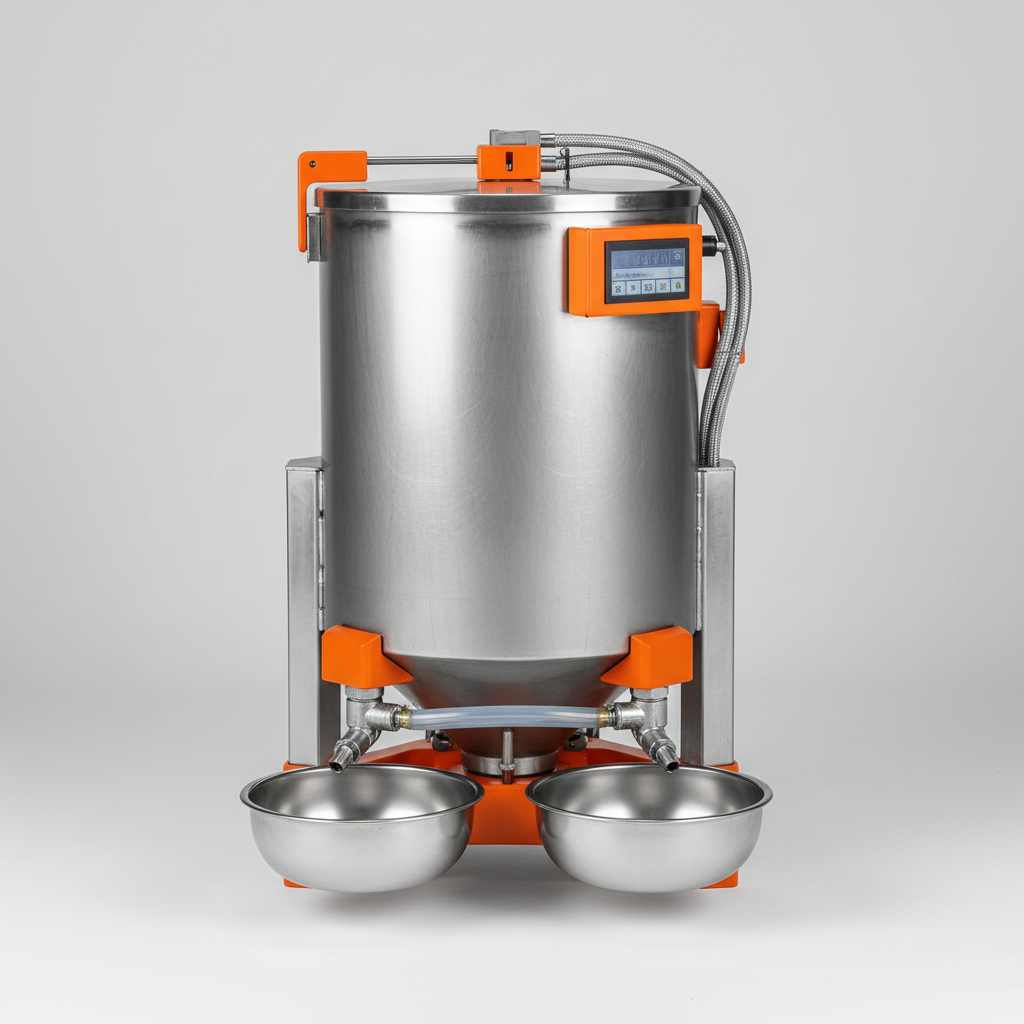
Why Steel Cattle Water Troughs Matter in Today's World
When we think about global agriculture and livestock management, water is the essence of life—not only for people but also for animals that sustain many economies. Steel cattle water troughs, though maybe not the flashiest topic at your dinner table, play a surprisingly critical role worldwide. From boosting farm productivity to ensuring animal welfare in harsh environments, understanding these troughs unveils a story of durability, smarter usage, and sustainability that touches small farmers and industrial operators alike.
The demand for reliable water systems for livestock isn’t just a rural nicety—it’s a pressing issue. According to the United Nations Food and Agriculture Organization (FAO), livestock water requirements are expected to grow roughly 15% by 2030 in response to rising meat consumption globally. So, a sturdy, hygienic water source like a steel cattle water trough isn’t just handy, it’s absolutely vital.
Understanding Steel Cattle Water Troughs: What Are They?
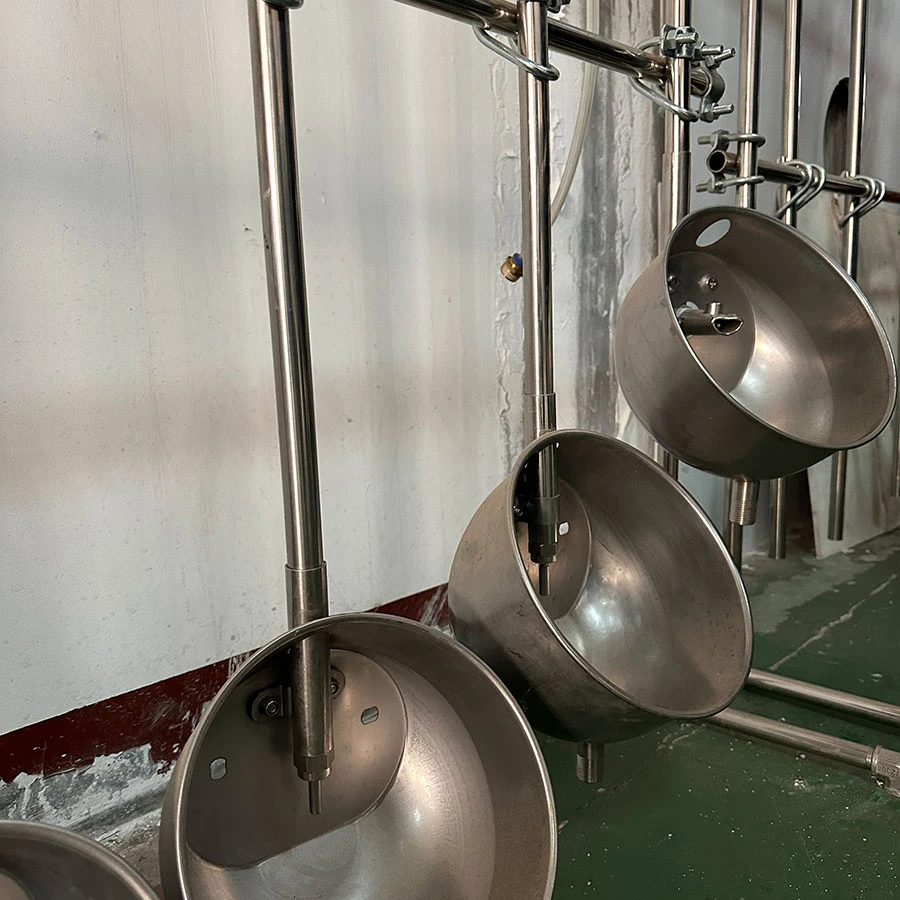
At its core, a steel cattle water trough is exactly what it says on the box: a container built primarily from steel that supplies water to cattle and other livestock. But there's more going on beneath the surface. These troughs need to be tough enough to resist damage, rust, and contamination, yet affordable and scalable to different farms’ sizes.
In a way, steel cattle water troughs represent a fusion of industrial manufacturing, agricultural efficiency, and animal welfare. For many agricultural communities worldwide, they’re a small but critical piece of the puzzle that directly influences yield and sustainability.
Core Components & Key Factors of Steel Cattle Water Troughs
Durability and Resistance
Steel’s natural durability makes these troughs resilient under various weather conditions, from blistering sun to freezing frost. Proper galvanization—or even stainless steel options—means less rust and longer lifespan. As many farm operators will tell you, a single broken trough is a headache they’d rather avoid.
Scalability and Size Options
Whether you’re managing a small cattle herd or a sprawling ranch, steel troughs come in diverse sizes. Some models support automated refill systems that adjust volume as needed, making them practical for both local farmers and industrial-scale operations.
Cost Efficiency in the Long Run
While initial costs might seem higher than plastic or concrete alternatives, steel troughs offer fewer replacements and lower maintenance expenses over time. Oddly enough, when you factor in durability and animal health benefits, steel often turns out to be the more economical choice.
Hygiene and Animal Safety
Steel surfaces are smooth and easier to clean compared to porous materials, reducing bacterial growth — a key factor not just for animal wellbeing but also to prevent disease outbreaks that can wreak havoc on a farm.
Environmental Impact and Sustainability
Modern steel trough manufacturers are leaning into environmentally friendly production methods. Plus, steel is highly recyclable, making these troughs a more sustainable choice as compared to less environmentally conscious materials.
Mini Takeaway:
So, when you think about a steel cattle water trough, you realize it’s not just a container but a vital intersection of durability, cost-efficiency, animal health, and sustainability — wrapped in one rugged package.
Global Applications and Real-World Case Uses
These tough containers are everywhere: from dusty cattle ranches in Australia’s Outback to the lush grasslands of South America, and even in emergency relief operations where displaced communities need quick livestock support.
- In Australia: Vast cattle stations use oversized galvanized steel troughs with automated water level sensors to manage herds numbering in the thousands.
- In Sub-Saharan Africa: NGOs promote steel troughs in drought-prone zones, ensuring water access and improving herd survival during dry spells.
- Post-Disaster Relief: International agencies include steel cattle water troughs in their livestock rehabilitation kits after floods or earthquakes — quick setup and resilience are essential.
- Industrial Farming: Large-scale feedlots in the US and Europe favor stainless steel troughs for hygiene reasons and to meet strict agricultural standards.
These examples show how steel troughs adapt to diverse climates and operational needs — truly an unsung hero in global livestock management.
Mini Takeaway:
The ubiquity of steel cattle water troughs reflects their adaptability and essential role from remote ranches to disaster zones.
The Advantages & Lasting Benefits of Steel Cattle Water Troughs
Thinking about it emotionally and logically, steel troughs deliver a reassuring sense of reliability. For farmers, they mean fewer worries about broken equipment or water contamination. For the animals? Steady hydration means healthier, calmer herds.
Here’s a short list of tangible benefits:
- Lower maintenance costs — rust-resistant and easy to clean.
- Improved animal welfare — less risk of disease, steady water supply.
- Environmental sustainability — recyclable materials and eco-conscious manufacturing.
- Ease of installation — many are modular, allowing for flexible farm layouts.
- Cost-effectiveness over lifespan — fewer replacements and repairs.
Product Specifications of Typical Steel Cattle Water Trough
| Feature | Typical Specs | Notes |
|---|---|---|
| Material | Galvanized Steel / Stainless Steel | Corrosion resistance key |
| Capacity | 150 to 1,500 liters | Varies by herd size |
| Dimensions | 1.2m to 4m length | Modular, customizable |
| Weight | 50 to 200 kg (empty) | Transport considerations |
| Installation | Portable or fixed mount | Adaptable to terrain |
How Leading Vendors Stack Up
| Vendor | Material Options | Price Range (USD) | Warranty | Customization |
|---|---|---|---|---|
| FarmTrough Inc. | Galvanized / Stainless | $150 - $800 | 5 years | Yes (size and color) |
| Livestock Solutions | Galvanized only | $120 - $600 | 3 years | Limited |
| Steel Trough Co. | Stainless Steel only | $300 - $1200 | 7 years | Custom sizes & automation |
Innovations and Future Trends in Steel Water Troughs
Keep your eyes peeled for tech-infused changes. Smart water sensors embedded in troughs monitor water levels and quality in real-time, alerting farmers via their smartphones if refilling is needed or contamination is detected. Solar-powered water pumps are making remote operation smoother, especially in off-grid locations.
Environmentally, manufacturers are shifting toward using recycled steel and adopting cleaner production processes. Even coatings that resist biofilm buildup are entering the market, helping reduce maintenance hassles.
Digital farming meets traditional livestock care, which feels like the best of both worlds.
Challenges and How the Industry is Responding
Despite the perks, there are challenges. Steel troughs can be heavy to transport and install, especially in remote areas with limited access. Also, the upfront cost may deter small-scale farmers on tight budgets.
To tackle this, some companies offer modular, knock-down designs to ease shipping, and flexible financing plans to spread out costs. Meanwhile, ongoing R&D is focusing on lighter alloys without sacrificing strength. Community training on maintenance is also increasing trough lifespans and user satisfaction.
FAQs: Quick Answers to Common Questions
- Q1: How long does a steel cattle water trough typically last?
- A: With proper maintenance and galvanized or stainless steel material, a well-made trough can last 10-20 years, sometimes longer. Coatings and environmental factors affect this lifespan.
- Q2: Are steel troughs easy to clean compared to plastic?
- A: Yes. Steel’s smooth surface inhibits bacterial buildup and is less prone to cracks and crevices than plastic, making cleaning more effective and straightforward.
- Q3: Can steel cattle water troughs be solar-powered or automated?
- A: Absolutely. Many modern troughs integrate solar pumps and sensors, allowing automated refills and remote water quality monitoring.
- Q4: Is installing a steel cattle water trough difficult for small farmers?
- A: It can be heavier than plastic options, but modular designs and community installation programs help ease this issue. Plus, the long-term benefits usually offset initial labor.
Wrapping It Up: Why Invest in Steel Cattle Water Troughs?
All told, steel cattle water troughs represent a smart, forward-thinking choice for animal husbandry worldwide. They blend hardiness, hygiene, and adaptability with evolving tech to meet modern farming demands. Investing in robust water infrastructure means better cattle health, reduced costs, and more reliable farm operations — in a word: peace of mind.
Curious to explore options that fit your farm’s unique needs? Visit our website: https://www.cxlivestock.com for detailed product info and expert advice. Because when it comes to your herd’s water supply, quality truly counts.
Final thought:
Next time you see a simple steel trough in a dusty field, remember there’s a lot of engineering, sustainability, and care behind that shiny metal edge...
References:
Post time: Dec . 02, 2025