Understanding Gestation Crates: Why They Matter Globally
If you’ve ever wondered what exactly gestation crates are and why there’s so much buzz around them, you’re not alone. Simply put, gestation crates are specialized enclosures used in pig farming to house pregnant sows with individual care and control. But they’re more than just farming equipment — they are at the heart of ongoing debates about animal welfare, sustainable agriculture, and global food security.
In a world where pork is the most consumed meat, understanding gestation crates means understanding a vital piece of the complex, often controversial puzzle of modern animal husbandry. Beyond the farms, their use reflects broader issues including ethical livestock treatment, industry efficiency, and regulatory trends, especially as demand rises across Asia, Europe, and the Americas.
Mini takeaway: Grasping the basics and implications of gestation crates helps us navigate conversations about food systems, sustainability, and humane practices.
Gestation Crates in Global Context: An Industry Under the Microscope
The global pig farming industry is enormous, producing nearly 110 million metric tons of pork annually (FAO, 2021). This scale creates immense pressure to optimize space and resources while ensuring animal welfare. Gestation crates have become a preferred solution in many countries due to their ability to monitor and manage each sow’s health individually.
Yet, this practice also presents challenges. The United Nations’ Food and Agriculture Organization highlights that intensive farming methods, including the use of gestation crates, can pose environmental and ethical issues if not managed responsibly.
Today, many nations wrestle with balancing productivity and welfare, with movements in the EU and some US states banning or limiting gestation crates. Meanwhile, developing nations still rely heavily on them as part of industrial-scale operations aiming to meet soaring protein demands.
Oddly enough, gestation crates serve as a flashpoint reflecting broader globalization tensions — between tradition and innovation, growth and ethics.
Defining Gestation Crates: What Are They, Really?
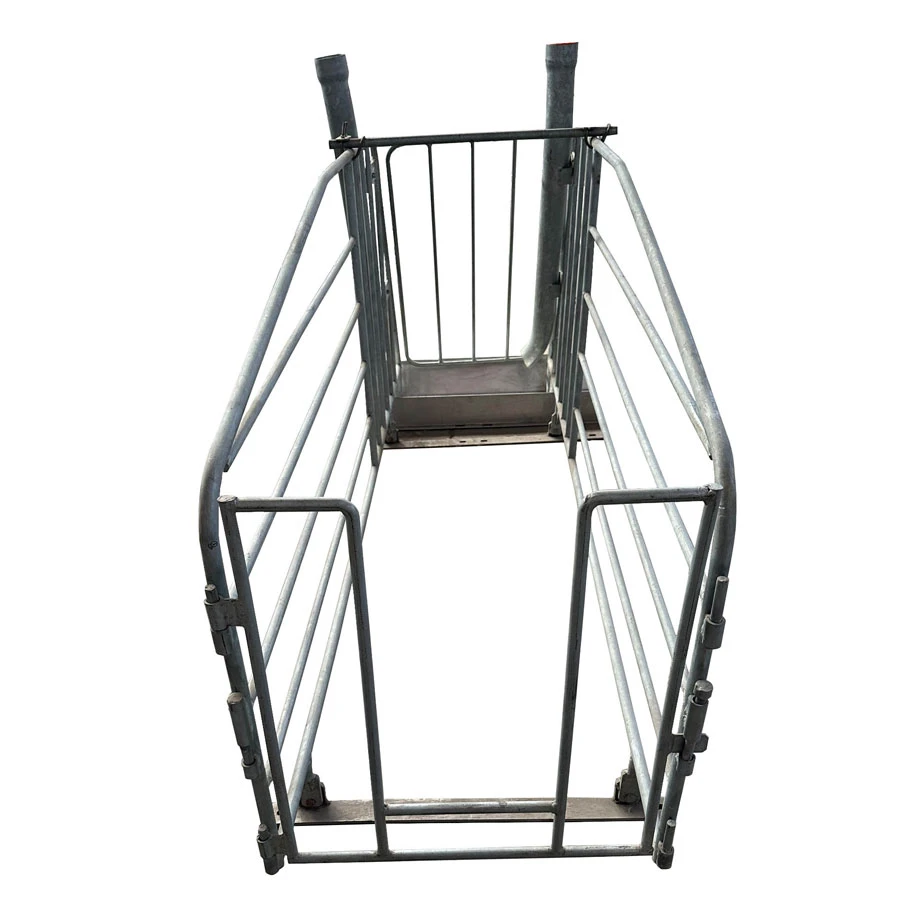
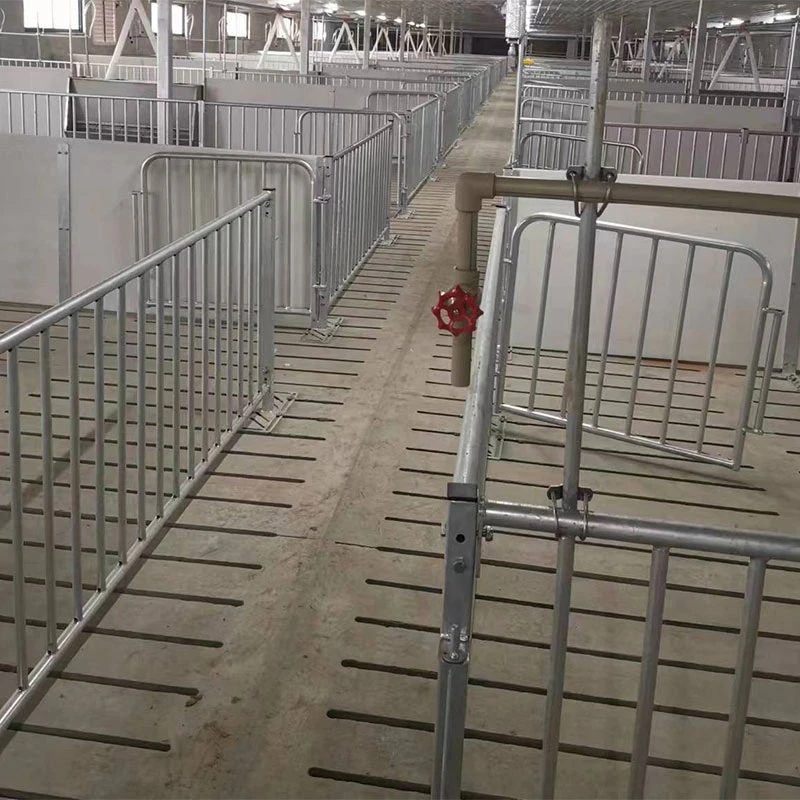
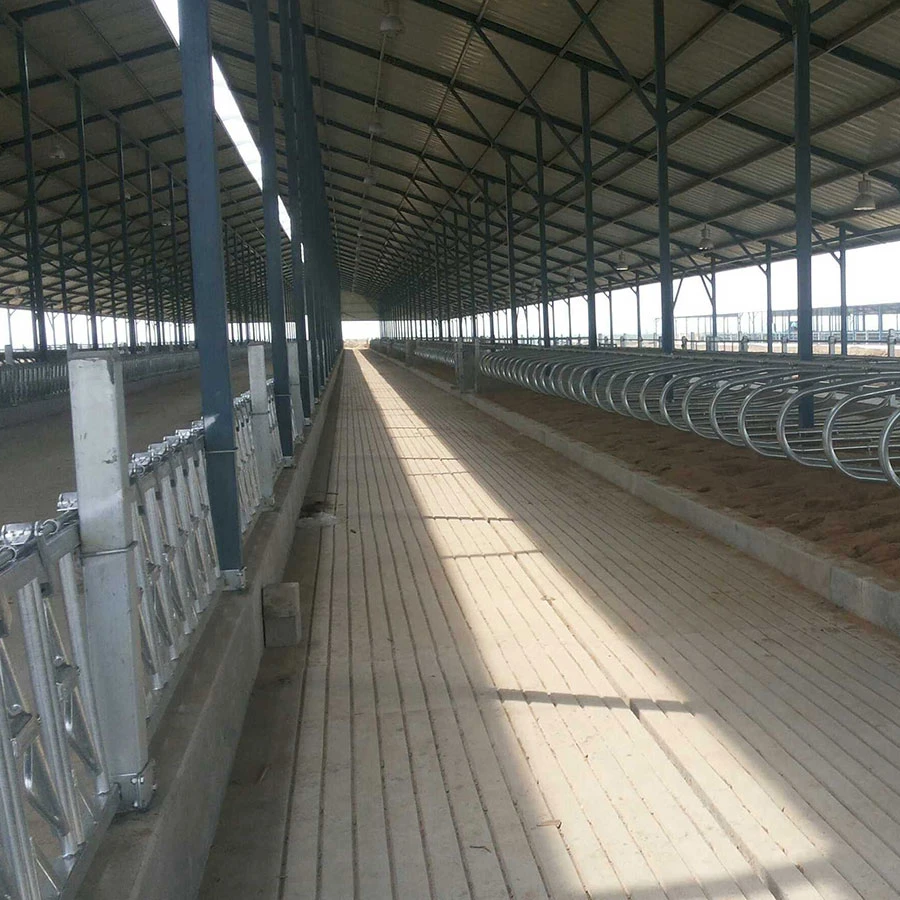
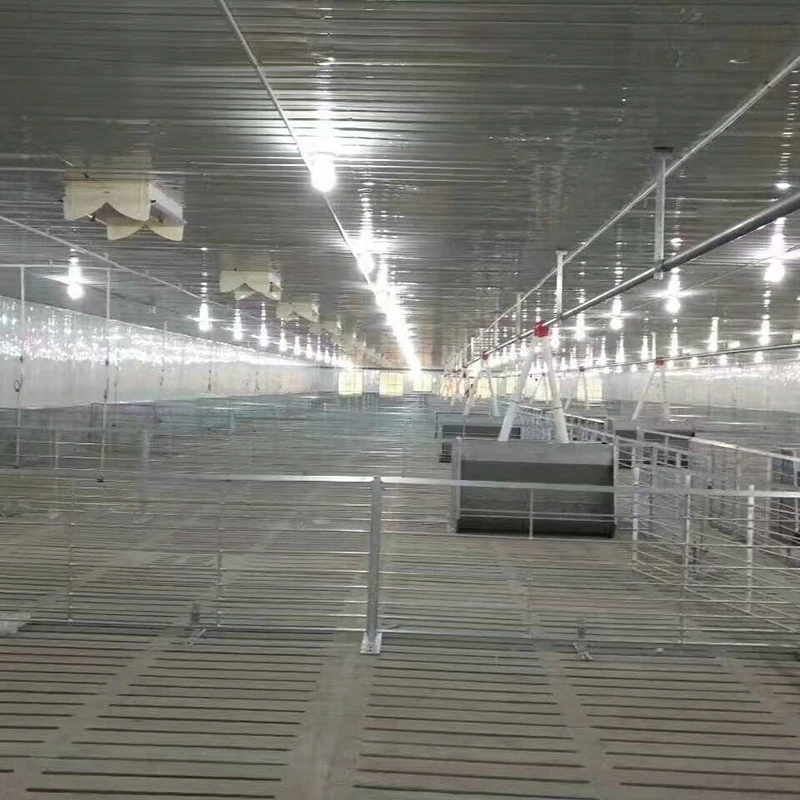
At their core, gestation crates are metal enclosures roughly 2 meters long and less than 0.7 meters wide, designed to hold a pregnant sow during the 3–4 months of gestation. They restrict a sow's movement, preventing aggression between animals and enabling controlled feeding and veterinary care.
While the design supports monitoring, it also limits natural behaviors such as rooting or walking, which has led to widespread welfare concerns.
The crates connect directly to industrialized animal agriculture, representing how mechanized methods aim to maximize yield while controlling biological variables. In a sense, they embody the tension between productivity and humane treatment — a tension playing out on farms worldwide.
Key Features of Gestation Crates and Why They Matter
1. Durability and Material Quality
Most gestation crates use galvanized steel and reinforced joints to sustain heavy daily use and exposure to corrosive waste. Reliability reduces farm downtime and replacement costs — critical when dealing with hundreds or thousands of sows.
2. Space Optimization
The narrow design allows farms to house more animals within a fixed footprint. For large-scale operations, this translates to minimized land use and potentially lower overhead.
3. Ease of Cleaning and Sanitation
The simple metal bars and plastic flooring options facilitate daily cleaning regimes crucial for preventing disease. Efficient sanitation improves animal health, leading to better production outcomes.
4. Animal Monitoring Capability
Individual crates make it easier for farmers to observe sow behavior, administer medication, and manage feed with precision — which can improve birth outcomes and sow longevity.
5. Cost Efficiency
Compared to group housing systems that require additional labor and monitoring, gestation crates often reduce manpower demands and infrastructure costs — a factor not trivial in competitive meat markets.
Mini takeaway:
These practical factors frame why gestation crates, despite controversy, remain prevalent—they address core operational challenges facing pig farms globally.
Where Gestation Crates Are Used: Real-World Applications
Regions vary widely regarding acceptance and use of gestation crates. In North America, many Midwestern farms still use crates as standard practice. A USDA report estimates that approximately 70% of sows were housed in gestation crates up until recent years, though numbers are shifting with changing laws.
Europe shows a more restrictive approach: countries like Sweden and the UK banned crates decades ago. The EU imposed a partial ban by 2013, encouraging group housing instead.
In Asia, rapid industrial pig farming in China and Vietnam extensively deploys gestation crates to meet burgeoning domestic pork demand. Here, high-density farming favors the space and control advantages crates provide.
Organizations engaged in humanitarian food security projects sometimes face tough choices — deploying sustainable, large-scale pork farming systems using gestation crates for reliability and quick turnaround, while being mindful of local welfare standards.
Advantages and Long-term Value of Using Gestation Crates
- Consistent production: Controlled environments reduce risks and unpredictability in sow pregnancies.
- Animal safety: Prevents fights injuries common in group housing.
- Operational trust: Farmers develop confidence in managing their herds with precise control.
- Economic sustainability: Optimized inventory and reduced labor cost support farm profitability.
Beyond cold statistics, many farmers speak of gestation crates as necessary but imperfect tools that ensure some modicum of sow dignity through attentive care, even if movement is restricted. The conversation isn’t black and white — it’s a continuous negotiation between progress and compassion.
Looking Ahead: Innovations in Gestation Crates
Emerging trends hint at a future with more humane and eco-friendly designs. For example:
- Smart crates with sensors to monitor sow health in real-time are gaining traction.
- Adjustable and larger housing platforms that promote limited movement while retaining control.
- Use of sustainable, recycled materials for crate construction to lower carbon footprint.
- Regional policies driving group-housing alternatives integrated with digital tracking.
The digital transformation of livestock care feels like it might soften some sharp edges of current crate designs, making the system more responsive to animals’ welfare while maintaining farm efficiency.
Challenges with Gestation Crates and Potential Solutions
- Animal welfare concerns: Critics argue that confinement causes stress and poor welfare. Solutions involve redesigns for more space and enrichment.
- Regulatory pressure: Laws are increasingly restricting crates. Farms may need flexible systems adapting to diverse rules.
- Public perception: Transparency and communication are key. Farms adopting transparent welfare policies can build trust.
- Cost implications: While crates can be cheaper, upgrading or replacing them requires investment. Grants and subsidies often help bridge this gap.
In the end, improvements rely on collaboration between farmers, scientists, policymakers, and consumers — a complex but hopeful landscape.
Gestation Crates FAQ
- Q: Are gestation crates still widely used globally?
- A: Yes, but their use varies. While several countries have banned or restricted gestation crates, many large-scale farms in North America and Asia still rely on them due to their operational benefits.
- Q: What are the main welfare concerns with gestation crates?
- A: Limiting natural behaviors like walking or rooting causes stress and can lead to physical ailments. Ongoing research focuses on designing alternatives that allow more movement while maintaining safety.
- Q: How do gestation crates improve productivity on pig farms?
- A: They allow individualized feeding, reduce fighting injuries, and make health monitoring more efficient, resulting in better reproductive outcomes and lower mortality rates.
- Q: Are there eco-friendly versions of gestation crates?
- A: Innovations include using recyclable materials, modular designs for adaptability, and integrating digital sensors to optimize care and reduce resource use.
Product Specifications and Vendor Comparison
| Specification | Standard Gestation Crate | Smart Sensor-Enabled Crate | Eco-Friendly Modular Crate |
|---|---|---|---|
| Dimensions (L×W×H) | 2.0 m × 0.65 m × 1.2 m | 2.1 m × 0.70 m × 1.3 m | 2.0 m × 0.75 m × 1.2 m |
| Material | Galvanized Steel | Steel + Sensors | Recycled Composite Plastic |
| Cleaning Ease | High | High (with sensor protection) | Very High |
| Cost per Unit | $250 | $600 | $400 |
| Average Lifespan | 10 years | 8 years | 12 years |
| Vendor | Location | Known For | Sustainability Initiatives |
|---|---|---|---|
| PrimeLivestock | USA | Durable classic crates | Minimal packaging waste |
| AgriSmart Tech | Netherlands | Sensor-integrated smart crates | Carbon-neutral manufacturing |
| EcoFarm Solutions | China | Recycled-material modular crates | Circular economy programs |
Wrapping It Up: Why Gestation Crates Remain Relevant
Gestation crates are undeniably a complex topic. They sit at the crossroads of efficiency, animal welfare, and evolving global standards. For many farmers, they are practical tools helping meet food demands in tight spaces. For many advocates, their design poses difficult ethical questions.
If you’re involved in livestock management or interested in sustainable agriculture, knowing the ins and outs of gestation crates is crucial. The industry is evolving — smart technologies and sustainable materials might soon redefine their role.
Curious to dive deeper or explore solutions? Feel free to explore more at gestation crates — where practical tools meet thoughtful innovation.
References
Post time: Dec . 02, 2025