The true cost behind poultry slatted floor price: Why it matters now
If you’re in the poultry industry—or just someone curious about how farming infrastructure shapes food production—you’ve probably come across the term poultry slatted floor price. At first glance, it might sound a bit dry: just another component cost in the sprawling supply chain of animal farming. But the price of poultry slatted floors actually signals far more. Around the globe, from large commercial farms in the U.S. to smallholder operations in Southeast Asia, understanding this price can influence everything from animal welfare and productivity to sustainability and even global food security.
Put simply, as poultry production scales to meet rising demand, the cost and quality of flooring used (those slatted floors on which birds walk and rest) becomes a key factor in health, waste management, and operational efficiency. Imagine a cracked or poorly ventilated floor that reduces airflow or traps moisture — it’s not just discomfort for chickens but a breeding ground for disease. Knowing the real value behind the price helps farms make smarter investments that pay off long term.
A global perspective: Why poultry slatted floor price matters today
According to the UN Food and Agriculture Organization (FAO), nearly 70 billion poultry birds are raised worldwide annually, with poultry meat consumption expected to rise another 15% by 2030.[1] This surge puts real pressure on infrastructure, including flooring systems. Modern poultry houses rely heavily on specialized slatted floors that separate birds from droppings and promote cleaner, drier environments.
But here’s the kicker: prices for these slatted floors don’t just reflect raw materials or manufacturing costs. They embody regional supply chain variations, technological upgrades (like antimicrobial coatings), and even policy shifts encouraging sustainable farming practices. The poultry slatted floor price essentially flags if a farm is cutting corners or investing in better, longer-lasting solutions.
One industry challenge this price addresses is balancing upfront costs with long-term health and productivity gains. For instance, a cheaper plastic slatted floor might wear out faster, increasing replacement expenses and affecting bird welfare. Conversely, premium galvanized metal floors might seem expensive but pay off via durability and hygiene.
What exactly does poultry slatted floor price mean?
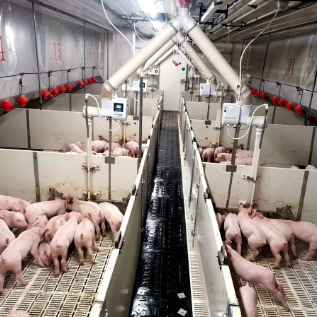
Simply put, poultry slatted floor price refers to the market cost of installing or replacing the slatted floor systems in poultry farming environments. These floors are designed with slots or perforations so that poultry waste falls through, reducing direct contact and improving hygiene.
They form an essential part of modern livestock housing. Beyond cost, these floors must meet criteria like weight capacity, airflow allowance, and foot health for birds. This price therefore isn’t just a number — it encapsulates design specifications, materials like reinforced plastic or stainless steel, and community standards evolving in the poultry farming sector worldwide.
Mini takeaway:
The price you pay for a slatted floor is a gateway into choices about quality, sustainability, and animal welfare in poultry farming.
Core components shaping the poultry slatted floor price
Durability and Material Choice
Whether it’s plastic, metal, or composite materials, the base ingredients weigh heavily on price. Plastic floors are light and resistant to corrosion but degrade under constant sun exposure, while metal floors, typically galvanized steel, offer longevity but require higher initial investment.
Design and Slot Configuration
The width and spacing of slats affect waste management efficiency and bird comfort, often tailored via custom molds or precision fabrication—this customization drives up costs but can reduce disease risk.
Scalability and Modular Construction
Farms wanting to expand their capacity favor modular slatted floors that snap together for easy installation and replacement. The engineering of these modular systems adds layers to the pricing.
Cost Efficiency Over Time
A cheaper slatted floor may seem cost-effective today but lead to higher maintenance or replacement expenses. Investing upfront in quality materials can result in better ROI by cutting downtime and boosting flock health.
Environmental Compliance and Sustainability
Regions pushing green farming practices influence pricing too. Floors made from recycled materials or treated to reduce pathogen buildup add value but cost more initially.
Installation & Logistics
Transporting bulky flooring panels or handling complex installation in remote areas can inflate the overall price, especially in less accessible regions.
Mini takeaway:
- The components that influence poultry slatted floor price extend beyond just materials into design and geographic factors.
- Smart investment balances upfront costs against long-term durability and sustainability.
How different regions and industries apply poultry slatted floors in practice
In North America and Europe, large commercial poultry farms typically use galvanized steel slatted floors for their toughness and ease of sanitation. These farms prioritize productivity and have the capital for higher initial expenses.
Meanwhile, in parts of Africa and Southeast Asia, smaller farms often lean toward plastic or composite options that offer affordability and easier handling. Some NGOs emphasize low-cost modular slatted floors in post-disaster relief operations to restart local poultry farming quickly—helping communities regain food security after crises.
Even within industries, varied applications exist. Hatcheries require floors that prevent contamination with rapid turnover, while egg farms focus on flooring that keeps plants clean and eggs free from dirt.
Mini takeaway:
Poultry slatted floor price reflects practical realities, from remote rural farms rebuilding communities to industrial-scale producers chasing efficiency.
Advantages and the long-term value of a wise poultry slatted floor investment
- Improved Animal Health: Hygienic floors prevent buildup of moisture and pathogens, reducing disease risk and veterinary bills.
- Cost Savings: Durable floors minimize replacement frequency and labor, lowering operational expenditures.
- Environmental Impact: Some designs reduce ammonia emissions and facilitate manure collection for reuse, supporting eco-friendly farming.
- Worker Safety & Comfort: Stable flooring reduces accident risk for staff and improves overall farm workflow.
- Emotional Appeal: Investing in better floors shows commitment to animal welfare, which resonates with consumers demanding ethical food production.
Spotlight: A rough product specifications table
| Specification | Plastic Slatted Floor | Galvanized Steel Floor | Composite Material Floor |
|---|---|---|---|
| Weight Capacity per sq ft | ~50 kg | ~150 kg | ~100 kg |
| Average Lifespan | 3-5 years | 8-12 years | 6-8 years |
| Corrosion Resistance | High | Moderate (with coating) | High |
| Ease of Installation | Easy | Moderate | Moderate |
| Average Cost per sq ft | $4-6 | $8-12 | $6-9 |
Comparing vendors: What sets providers apart?
| Feature | Vendor A (Global Corp) | Vendor B (Eco Floors Ltd.) | Vendor C (Local Farms Inc.) |
|---|---|---|---|
| Material Options | Plastic, Steel, Composite | Recycled Plastic & Composite | Plastic only |
| Customization Services | Full Custom Design | Standard Sizes | Limited |
| Sustainability Certifications | ISO 14001, LEED | B Corp Certified | None |
| Global Shipping | Yes | Limited | Local only |
| Price Range (per sq ft) | $5-12 | $4-9 | $3.5-5 |
Looking ahead: trends and innovations shaping poultry slatted floors
It’s an evolving market. Many engineers I’ve spoken with highlight green innovations, like bio-based plastics and recyclable composites becoming more mainstream. Automation also plays a role—some farms deploy sensors embedded under floors to monitor moisture or ammonia levels in real time, feeding data to farmers' smartphones. Smart slatted floors might sound futuristic, but it's already happening.
On the regulatory front, as sustainability criteria tighten globally, vendors are racing to certify their floors with third-party eco-labels. The rise in demand for transparency means poultry slatted floor price increasingly reflects not just physical materials but ethical sourcing and manufacture.
Common challenges — and how experts advise overcoming them
- High initial costs: Some farms balk at premium floors upfront but experts recommend analyzing total ownership costs over time.
- Installation complexity: Modular systems and on-site training are reducing this barrier.
- Environmental wear & tear: New coating technologies improve resistance to humidity and UV damage.
- Supply chain bottlenecks: Diversifying vendors and local manufacturing options help mitigate delays and cost surges.
Frequently Asked Questions about poultry slatted floor price
- Q: What factors most influence poultry slatted floor price?
- A: Material type, design customization, regional logistics, and sustainability standards largely dictate price variations in poultry slatted floors.
- Q: How do I balance cost and quality when selecting slatted floors?
- A: Consider your farm’s lifespan needs and animal welfare priorities. Cheaper floors might save cash now but incur maintenance and health costs later.
- Q: Can I expect different prices depending on my country or region?
- A: Yes, geographic location affects raw material access, labor costs, and shipping fees, which all influence the poultry slatted floor price.
- Q: Are environmentally friendly slatted floors more expensive?
- A: Initially, yes—but many farms report long-term savings through lower waste disposal costs and compliance incentives.
- Q: Where can I find reliable suppliers with transparent pricing?
- A: Industry leaders often publicize price ranges and certifications—visit platforms like this one for comprehensive vendor directories.
Wrapping up: The lasting value behind poultry slatted floor price
At the end of the day, the poultry slatted floor price isn’t just an expense line item. It’s a reflection of a farm’s commitment to smart growth, animal welfare, and environmental stewardship. Picking the right floor becomes a foundational decision—one that supports healthier flocks, better yields, and more sustainable operations. If you’re looking to explore options or get a sense of the market, take a peek at our resource hub on poultry slatted floor price.
Invest well now, and your flock (and your bottom line) will thank you for years.
References & further reading
Post time: Dec . 02, 2025